

Executive Overview
In the contemporary landscape of speculative fiction, few subgenres carry the atmospheric weight and psychological resonance of folk horror. It is a tradition that demands patience, a deep-seated connection to the soil, and an understanding that the oldest fears are often rooted in the most pastoral settings. Enter Black River Orchard, the acclaimed dark fiction novel by bestselling author Chuck Wendig. Currently making waves across major digital booksellers—including promotional price points dropping the title to a mere $2.99 on platforms such as Kobo and Bookshop.org—the novel has experienced a significant resurgence in readership.
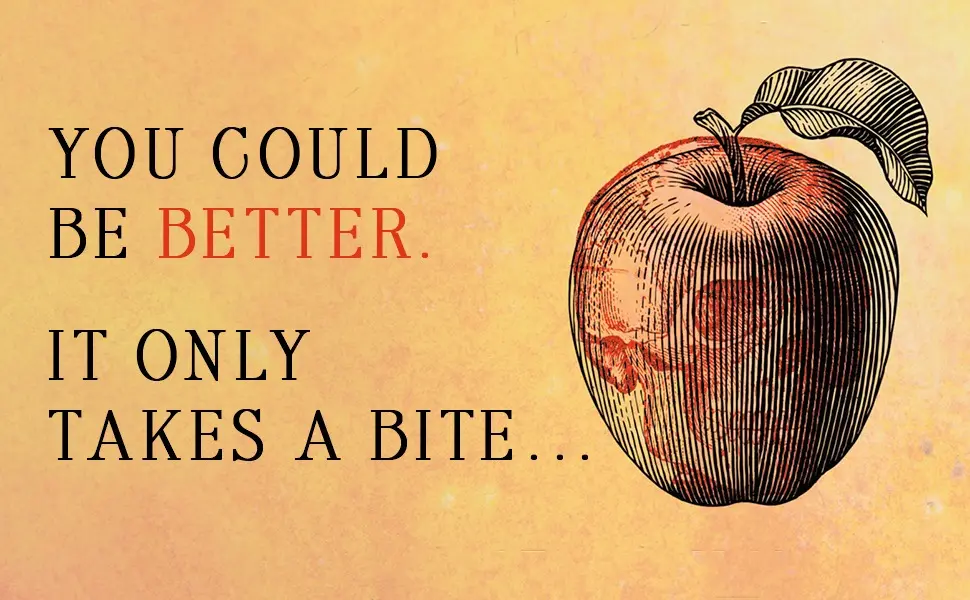
Bridging the thematic gap between the crisp, nostalgic consumerism of "Apple Season" and the creeping dread of "Spooky Season," Black River Orchard presents an intoxicating narrative concoction: small-town suburbia, folk cult mechanics, and an ancient, malevolent strain of fruit that rewrites human desire and morality. For Wendig, who has built a prolific career pushing the boundaries of speculative storytelling, this novel represents a distinct creative milestone—a notoriously difficult manuscript to tame that has ultimately crystallized into what the author himself regards as one of his finest literary achievements.
This report provides an in-depth examination of Black River Orchard, exploring its thematic underpinnings, the critical and commercial reception surrounding its current promotional lifecycle, the mechanics of modern digital book pricing, and the enduring cultural appetite for rural, agrarian-based terror.
Detailed Chronology and Literary Genesis
The journey of Black River Orchard from conceptualization to its current shelf-life as a heavily discounted digital staple is a testament to the unpredictable nature of modern publishing and authorial ambition.
The Seed of an Idea
Long before the manuscript saw the light of day, Chuck Wendig found himself accumulating an eclectic, almost obsessive repository of localized agricultural lore, pomological history, and arboricultural trivia. Rather than letting this esoteric knowledge sit dormant, the author sought a vehicle to monetize what he playfully describes as "weird apple knowledge." The result was the fictional town of Black River—a seemingly idyllic community where the introduction of a mysterious, prehistoric apple variety upends the social fabric.
The Writing Process: Wrestling the Beast
Writing a novel that successfully marries grounded suburban realism with cosmic, folk-horror dread is an exercise in narrative tightrope walking. During the composition phase, Wendig has candidly admitted to moments of profound self-doubt regarding whether the sprawling narrative machinery would hold together. The convergence of multiple character arcs, the slow-burn psychological corruption of an entire town, and the physical mythology of the orchard itself required an immense structural scaffolding.
"It was a hard book to get my hands around," Wendig noted in reflections on the novel’s creation. "I just am really glad I pulled it off—I wasn’t sure I was going to be able to pull it off, honestly."
The Launch and Ongoing Lifecycle
Following its initial hardcover and digital releases, Black River Orchard steadily carved out its niche among horror aficionados and mainstream readers alike. However, the book’s recent descent into bargain-tier digital pricing—appearing at the accessible price point of $2.99 across various digital storefronts—has triggered a secondary wave of discovery. This strategic or platform-driven price adjustment has effectively democratized access to the text, introducing the novel to a fresh cohort of readers looking for atmospheric autumn reading that transcends traditional jump-scare horror.
Supporting Context & Metrics: The Economics of E-Books and Folk Horror’s Renaissance
To fully understand the current momentum behind Black River Orchard, one must examine the intersection of digital book pricing strategies and the broader renaissance of rural and folk horror in contemporary media.
The $2.99 Phenomenon in Digital Publishing
In the modern e-book ecosystem, the $2.99 price point occupies a psychologically potent sweet spot for consumers. It is low enough to register as an impulse buy—costing less than a standard cup of specialty coffee or, as Wendig points out, "I think three bucks even costs more than three bucks"—yet high enough to signal to the reader that they are purchasing a fully realized, professionally edited, and traditionally published work rather than unpolished indie output.
| Pricing Metric | Traditional Hardcover | Standard E-Book | Promotional E-Book (Black River Orchard) |
|---|---|---|---|
| Average Cost | $28.00 – $32.00 | $12.99 – $14.99 | $2.99 |
| Consumer Friction | High (Requires deliberation) | Moderate | Low (Impulse purchase tier) |
| Platform Availability | Broad | Kobo, Kindle, Apple Books, Bookshop.org | Select digital vendors |
By slashing the barrier to entry, publishers and authors can leverage volume and word-of-mouth momentum to revitalize the tail-end of a book’s sales cycle. For a novel as dense and conversation-spurring as Black River Orchard, this accessibility acts as a catalyst for community-driven reviews, social media book-tuber recommendations, and cross-platform visibility.
The Rise of Agrarian and Folk Horror
Wendig’s novel arrives at a cultural moment deeply obsessed with "elevated horror," particularly subgenres that subvert pastoral innocence. From Ari Aster’s Midsommar to the resurgence of classic British folk horror cinema, audiences are increasingly drawn to narratives where the natural world is not a passive backdrop, but an active, hostile participant.
Black River Orchard capitalizes on this zeitgeist by weaponizing one of America’s most comforting cultural symbols: the family apple orchard and the wholesome harvest traditions of autumn. By injecting a predatory, hypnotic element into the fruit itself, the novel transforms an innocuous seasonal staple into an instrument of psychological subjugation and communal decay.

Official Statements and Authorial Insights
In characteristic fashion, Chuck Wendig’s public commentary surrounding the resurgence and pricing of Black River Orchard blends genuine artistic vulnerability with irreverent, self-deprecating humor.
Addressing his readership, Wendig framed the current discount as an irresistible invitation for literary thrill-seekers:
"I do not know why Black River Orchard is a mere three bucks at your chosen ebookmonger platform… but it is, so if you really wanna get freaky-freaky and smash up both APPLE SEASON and SPOOKY SEASON, well, I think I might just have the book for you."
Reflecting on the psychological weight of the project, Wendig emphasized that the book holds a singular place in his extensive bibliography:
"It’s definitely one of my favorite things I’ve written. Maybe the most favoritest thing I’ve written. I just am really glad I pulled it off… That’s your call, not mine. And at least you can make the call now for like, three bucks."
True to his online persona, Wendig’s appeals for reader engagement quickly descend into absurdist humor regarding the transaction between author, audience, and ancient agrarian deities:
"If you’ve read it, then maybe tell a friend to go grab it. And then maybe leave a review somewhere! AND THEN MAYBE LEAVE ME A SECRET CACHE OF APPLES SOMEWHERE, APPLES TO APPEASE ME AND MY DARK APPETITES… OR SHOULD I SAY APPLETITES… WHICH ADMITTEDLY I FIRST MISTYPED AS APPLETITS… WHICH IS VERY DIFFERENT."
Behind the levity, however, lies a genuine appreciation for the community of readers who take a chance on sprawling, ambitious horror narratives.
Future Outlook: The Enduring Legacy of Black River
As Black River Orchard continues to find new life through digital promotional channels, its long-term trajectory within the horror canon appears increasingly secure.
Expanding Audiences and Cross-Media Potential
The novel’s unique blend of suburban paranoia, corporate or communal complicity, and visceral folk horror makes it prime intellectual property in an era where Hollywood constantly scours the literary landscape for fresh, high-concept nightmare fuel. While no official screen adaptations have been formally locked into production pipelines as of this writing, the cinematic pacing and vivid world-building of Black River lend themselves naturally to visual adaptation.
The Author’s Horizon
For Chuck Wendig, the success and ongoing rediscovery of Black River Orchard validate a career-long willingness to take creative risks. Whether he is exploring dystopian futures, high-fantasy epics, or rural nightmares infused with botanical malice, Wendig’s ability to anchor high-concept terror in flawed, deeply human characters ensures his continued relevance in the speculative fiction sphere.
Final Verdict for Readers
For those yet to traverse the rows of the Black River orchard, the current $2.99 digital window offers a rare low-risk, high-reward entry point into modern master-class horror. As the crisp air of autumn settles in and readers seek fiction that honors both the comforting traditions of the harvest and the darker, subterranean currents of human nature, Wendig’s poisoned fruit remains ready to be plucked.
Just be careful where you leave your offerings—whether you are aiming for standard reviews, word-of-mouth praise, or secret caches of apples to appease the author’s legendary "appletites."