

Executive Overview
Knee pain is a ubiquitous human experience, particularly as individuals transition into their middle and later years. While persistent joint discomfort can stem from a multitude of orthopedic issues, osteoarthritis (OA) stands out as the single most prevalent culprit. Affecting tens of millions of people globally and more than 30 million adults in the United States alone, knee osteoarthritis is far more than a simple wear-and-tear inconvenience of aging. It is a systemic, life-altering condition that erodes physical mobility, impacts mental health, limits professional productivity, and elevates the risk of severe secondary chronic diseases.
Despite its high prevalence—with the knee being the most frequently targeted joint—misconceptions surrounding osteoarthritis remain widespread. Many sufferers and at-risk individuals mistakenly view the condition as an inevitable genetic destiny, a natural consequence of growing older, or a permanent barrier to physical activity. However, contemporary orthopedic and physiatric research paints a far more hopeful picture. Through targeted lifestyle interventions, strategic weight management, anti-inflammatory nutrition, and modern medical therapies, individuals can proactively manage symptoms, slow disease progression, and reclaim their quality of life.
This comprehensive report explores the multifaceted nature of knee osteoarthritis. Drawing on expert insights from medical specialists such as Dr. Abby Cheng, an orthopedic surgeon and physiatrist at the Washington University School of Medicine in St. Louis, this article examines the biological mechanics of cartilage breakdown, the profound ripple effects of the condition on overall health, and the actionable, evidence-based strategies individuals can employ to take control of their musculoskeletal health.
Detailed Chronology: Understanding the Progression of Knee Osteoarthritis
To truly grasp the impact of knee osteoarthritis, one must understand how the condition originates, develops, and ultimately manifests within the human body over time.
Phase 1: The Healthy Joint and the Role of Cartilage
In a healthy knee joint, bones such as the femur (thigh bone), tibia (shin bone), and patella (kneecap) do not grind against one another. Instead, they are encased in a smooth, slippery, specialized connective tissue known as articular cartilage. This resilient matrix acts as a shock absorber and a frictionless surface, enabling the knee to bend, straighten, rotate, and bear the full weight of the human body during movement. Lubricated by synovial fluid, a healthy knee joint operates with remarkable mechanical efficiency.
Phase 2: The Onset of Cartilage Breakdown
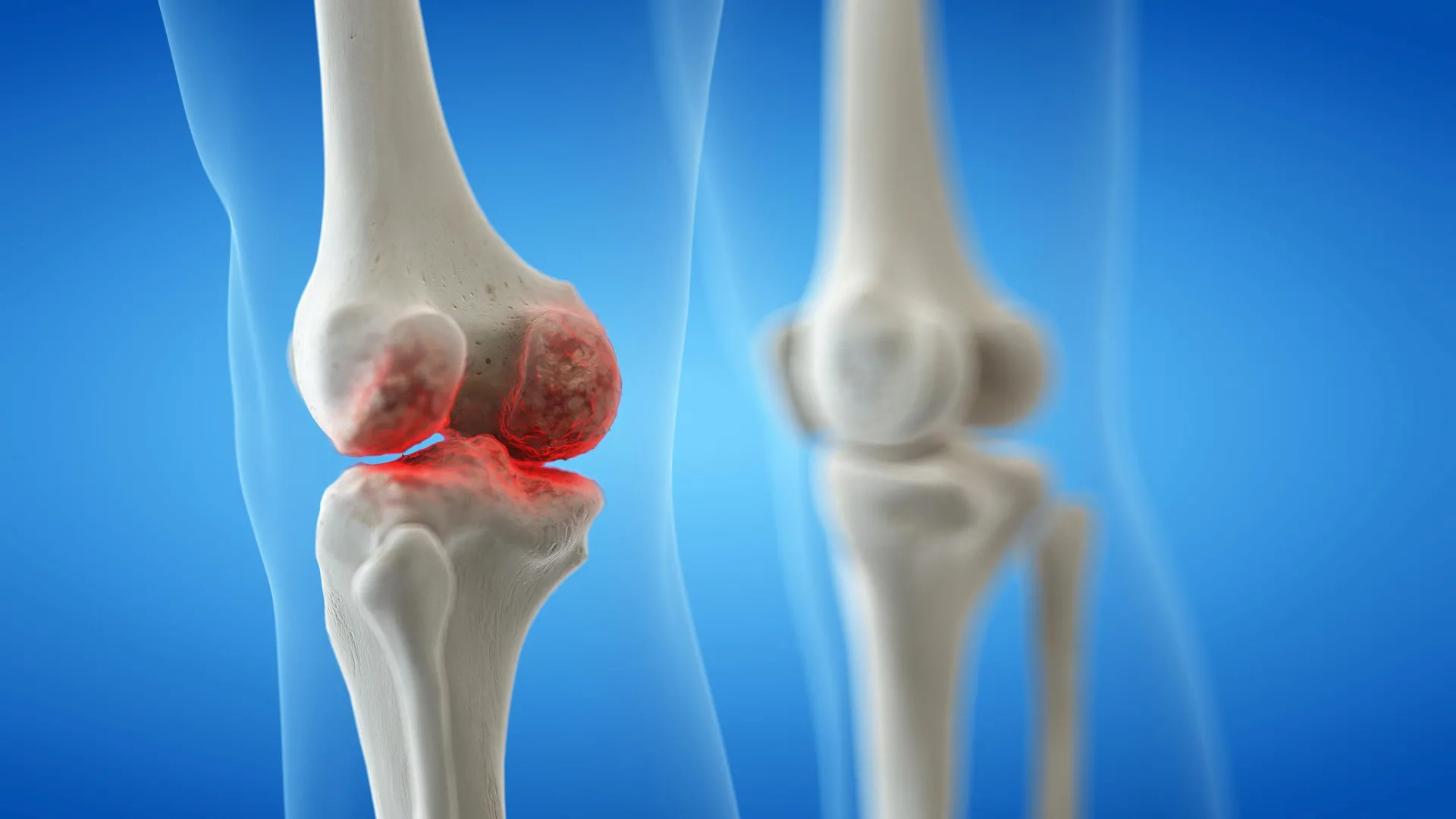
Osteoarthritis does not strike overnight; it is a progressive degenerative disease. The process typically begins when the cartilage cushioning the bones begins to break down gradually. As this protective layer thins and micro-fissures develop, the smooth gliding surface becomes rough and frayed. Over time, the body’s natural repair mechanisms fail to keep pace with the ongoing micro-damage, leading to structural alterations within the joint.
Phase 3: Advanced Degeneration and Systemic Symptoms
As the cartilage deteriorates further, the underlying bone is exposed to abnormal mechanical stress. In response, the bone may thicken and develop bony growths known as osteophytes, or bone spurs. The joint capsule can become inflamed, and the production of synovial fluid may shift in quality and quantity, resulting in persistent joint pain, stiffness, swelling, and a diminished range of motion.
Crucially, this degeneration rarely remains localized. The physical limitations imposed by an aching, stiff knee trigger a cascade of secondary behavioral and physiological changes, transforming a localized joint issue into a systemic health challenge.
Supporting Context & Metrics: The Scale and Impact of the Condition
The societal and personal footprint of knee osteoarthritis is immense, underscored by compelling epidemiological data and medical insights.
Demographics and Prevalence Metrics
- Massive Patient Population: Over 30 million adults in the United States suffer from some form of osteoarthritis, with the knee joint being the most commonly impacted site.
- The Working-Age Burden: Contrary to the outdated stereotype that OA is strictly a disease of the elderly, approximately 50% of all osteoarthritis cases occur in individuals who are still of working age.
- Key Risk Factors: Epidemiological data highlights several primary drivers of the disease. Muscle weakness in the lower extremities, systemic inflammation driven by poor diet, and excessive body weight significantly elevate the risk of developing knee OA. Furthermore, women, older adults, individuals with a history of acute knee trauma (such as torn ligaments or meniscal tears), and those with a documented family history face a substantially higher probability of diagnosis.
Beyond Mobility: The Broader Health Toll
The ramifications of knee osteoarthritis extend far beyond physical discomfort. When a person experiences chronic, debilitating joint pain, their natural inclination is to restrict movement. This sedentary behavior sets off a dangerous chain reaction:
- Economic Consequences: Reduced mobility frequently translates to missed workdays, decreased productivity, and lost income, placing a financial strain on individuals and families.
- Amplified Chronic Disease Risks: Physical inactivity is a major independent risk factor for a host of life-threatening chronic conditions, including cardiovascular disease, Type 2 diabetes, and certain forms of cancer. By discouraging exercise, knee osteoarthritis indirectly accelerates systemic physiological decline.
- Mental Health and Quality of Life: Chronic pain is inextricably linked to psychological distress, including anxiety, depression, social isolation, and a generalized reduction in psychological well-being.
Official Statements and Medical Insights
Modern medical perspectives emphasize a proactive, multidimensional approach to managing and preventing knee osteoarthritis. Dr. Abby Cheng, an esteemed orthopedic surgeon and physiatrist specializing in the nonsurgical treatment and rehabilitation of arthritic conditions at the Washington University School of Medicine in St. Louis, provides authoritative guidance on navigating the condition.
The True Impact of the Disease
Dr. Cheng highlights the sweeping nature of the condition, noting:
"Osteoarthritis can cause knee pain and stiffness, which can negatively impact a person’s activity level, risk of falling, mood and general quality of life."
This statement underscores that treating knee osteoarthritis requires looking past the knee itself to evaluate the patient’s overall physical safety (such as fall prevention) and emotional health.
Identifying At-Risk Populations
Understanding who is most vulnerable allows for early intervention. Dr. Cheng outlines the primary risk profile:
"Having weak leg muscles and being overweight or obese increases a person’s risk for knee osteoarthritis. Women, older adults, people with a prior knee injury and those with a family history of osteoarthritis are also more likely to have the condition."
Practical Management and Lifestyle Interventions
When addressing patients who are already living with osteoarthritis, medical professionals have an array of therapeutic tools at their disposal. Lifestyle adjustments form the cornerstone of effective management. Dr. Cheng points out the power of dietary changes:
"Eating more plants and less processed or sugary food reduces inflammation in the body, which can reduce pain from osteoarthritis in all joints."
Beyond nutrition, medical treatments range from conservative physical therapy to advanced surgical options. Dr. Cheng details these interventions:
"Other common treatments for knee osteoarthritis include strengthening the thigh muscles, using knee braces, taking anti-inflammatory medications, getting cortisone and other injections, and sometimes having knee replacement surgery."
The Leverage of Small Changes
One of the most encouraging insights for patients is the disproportionate reward of modest weight reduction. Dr. Cheng offers a striking mathematical and biomechanical example:
"For a person who is overweight, losing 10 pounds can reduce the stress placed on the knees by 40 pounds with every step. That reduction in pressure can significantly ease joint pain."
This staggering 4:1 ratio of load reduction demonstrates that patients do not need to achieve impossible physical transformations to experience meaningful clinical relief; even incremental progress yields massive dividends for joint health.
Debunking Genetic Fatalism
A prevalent psychological barrier for many patients is the belief that a family history of arthritis seals their medical fate. Dr. Cheng firmly rejects this fatalistic viewpoint:
"Some people think that because a parent or grandparent had osteoarthritis, they will develop it too. And while it’s true that osteoarthritis can run in families, it doesn’t mean there’s nothing a person can do to successfully lower their risk of developing it."
Future Outlook: Taking Control of Your Musculoskeletal Future
As medical science continues to advance, the outlook for individuals managing or seeking to prevent knee osteoarthritis is increasingly optimistic. The future of joint health lies in integrated, personalized care models that empower patients to take charge of their well-being.
Empowering Patient-Provider Partnerships
Effective long-term management of osteoarthritis requires a collaborative relationship between patients and healthcare providers. Clinicians are increasingly equipped to develop individualized strategies that blend medical therapies—such as targeted injections, anti-inflammatory regimens, or surgical evaluations when necessary—with lifestyle modification programs. These resources make it significantly easier for patients to initiate healthy changes and, crucially, maintain them over the long haul.
Redefining Exercise and Dietary Habits
The old paradigm of treating joints with strict immobilization has been thoroughly upended. Regular physical activity is now recognized as a vital component of joint health. For instance, contrary to the persistent myth that running inevitably destroys the knees, evidence indicates that moderate, structured running can be safely integrated into an active lifestyle aimed at reducing overall OA risk, provided it is balanced with proper conditioning and weight management.
Simultaneously, the medical community places a heavy emphasis on nutritional science. Dietary patterns rich in whole grains, fresh fruits, vegetables, and plant-based foods—while strictly limiting processed, refined, and sugary items—help suppress systemic inflammation. This internal calm directly correlates with reduced joint discomfort across the entire musculoskeletal system.
Conclusion: Taking Control
Knee osteoarthritis is a formidable health challenge, touching the lives of tens of millions and threatening mobility, metabolic health, and mental well-being. However, it is not an insurmountable sentence of inevitable decline. Armed with accurate knowledge, guided by expert medical specialists like Dr. Abby Cheng, and supported by practical lifestyle modifications, individuals possess the power to alter their trajectory.
Whether it is strengthening the quadriceps, adopting an anti-inflammatory diet, losing a modest amount of weight to dramatically slash joint pressure, or dispelling the myth of genetic fatalism, proactive steps yield profound rewards. It is your health. Take control.