The intersection of modern hip-hop culture and American partisan politics has long produced bizarre spectacles, but few have reached the surreal heights of late October 2026. In a single week, two of rap’s most formidable female icons—Nicki Minaj and Cardi B—demonstrated the widening chasm in their nearly decade-long rivalry through entirely opposing cultural vehicles. While Cardi B dominated the news cycle with a critically acclaimed, high-art cultural salvo via an NPR Tiny Desk Concert, Nicki Minaj boarded Air Force One to join Donald Trump on the campaign trail in Michigan, sparking viral speculation about a potential White House press secretary appointment.
This unfolding drama is not merely a clash of political philosophies; it is the latest, most extreme iteration of a cold war that has simmered since 2017. Observers of the culture recognize that Minaj’s pivot toward the MAGA movement and her eagerness for proximity to Donald Trump cannot be divorced from her ongoing, hyper-competitive dynamic with Cardi B. As Cardi continues to rack up musical milestones, political advocacy wins, and critical praise, Minaj’s desperate pursuit of the spotlight has led her down an ideological and performative rabbit hole. This commentary explores how a long-standing rap beef mutated into a bizarre political spectacle, interrogating the heavy tolls of celebrity sycophancy, historical patterns of racial objectification, and the sharply diverging legacies of two New York rap titans.
Detailed Chronology: A Tale of Two October Weekends
The collision of rap supremacy and national politics unfolded across two consecutive weekends in October 2026, drawing a stark contrast between how Minaj and Cardi B wield their cultural influence.
Cardi B’s Tiny Desk Triumph
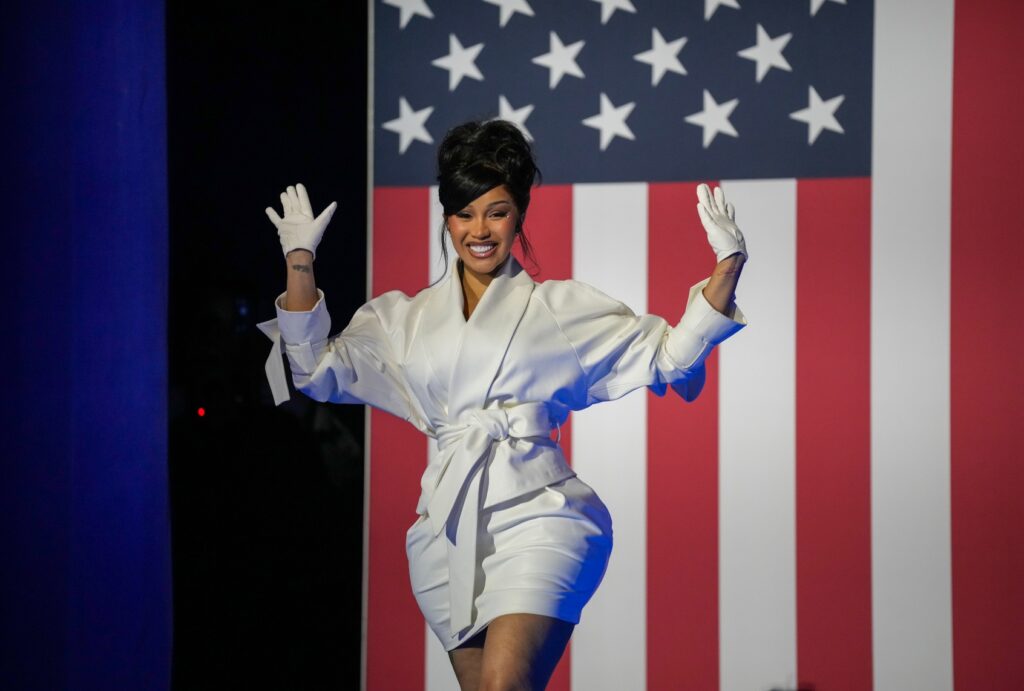
On Monday, October 19, 2026, Cardi B made her debut on NPR’s iconic Tiny Desk Concert series. Backed by a world-class live band led by Emmy-winning musical director Adam Blackstone, Cardi delivered a tightly curated, emotionally resonant setlist. Moving effortlessly from the career-launching swagger of "Bodak Yellow" to an emotive, powerful rendition of "Man of Your Word," the performance instantly shattered social media algorithms.
Rather than relying on backing tracks or cheap promotional gimmicks, Cardi leaned into her vocal control, stage presence, and organic connection with the live instrumentation. The internet response was swift and universal: it was celebrated as a masterclass in artistic maturation, cementing her status not just as a hitmaker, but as a versatile live performer capable of commanding high-brow institutional spaces.
Minaj’s Air Force One Pivot
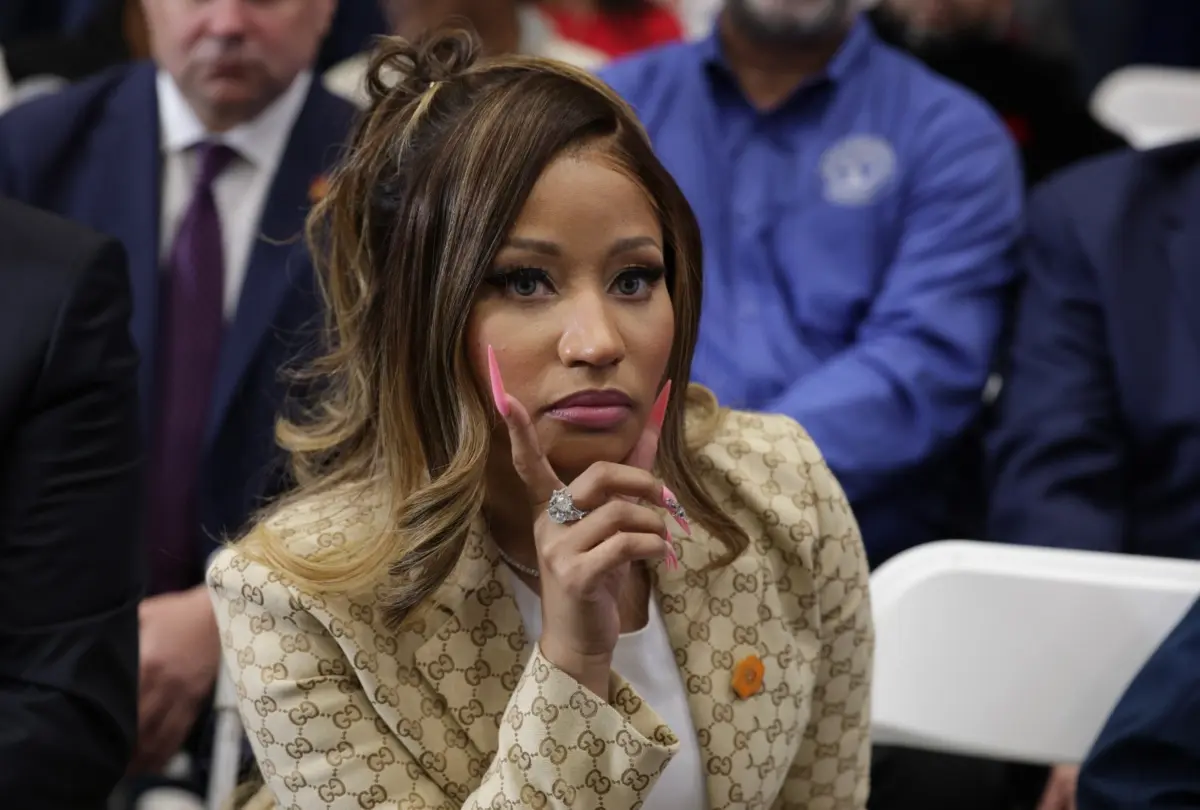
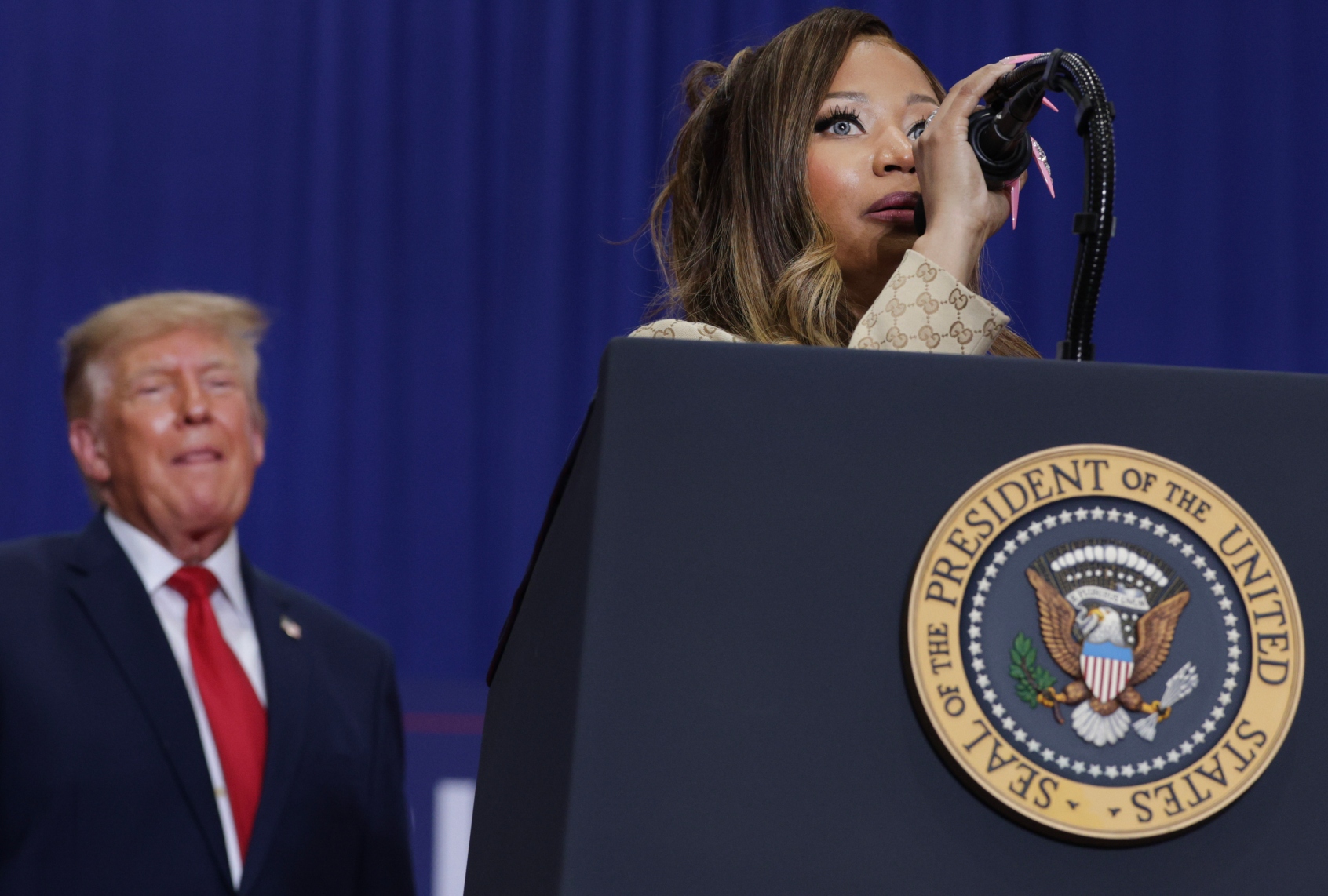
Just six days later, on Sunday, October 27, Nicki Minaj executed a political maneuver that instantly upended the news cycle. Having steadily transitioned into a vocal conservative commentator throughout 2025 and 2026—following high-profile appearances at Turning Point USA and a U.S. Treasury event—Minaj boarded Air Force One alongside Donald Trump. She traveled to a campaign rally in Port Huron, Michigan, where she took the microphone to lead the crowd in a chant of "We love Trump."
The moment was as awkward as it was unprecedented. The rhythmic cadence of the stadium chant faltered under the weight of a crowd unaccustomed to hip-hop delivery, yet the political theater achieved its intended effect: wall-to-wall media coverage. Trump himself amplified the spectacle from the podium, publicly praising Minaj’s physical appearance with crass familiarity: "By the way, I looked at one hell of a beautiful ass before… Nicki Minaj. That’s hard to miss!"
The cascading events immediately triggered frenzied speculation across Washington and media circles. White House communications director Steven Cheung posted a video on X (formerly Twitter) adding fuel to the fire: "Ladies and gentlemen, I think we may have found the new White House Press Secretary!" While pundits debated whether Cheung’s statement was tongue-in-cheek, the possibility underscored a terrifyingly transactional reality: in a political landscape driven by viral moments and shock value, Minaj checked all the boxes for the administration’s front-facing operations.
Supporting Context & Metrics: The Anatomy of a Decade-Long Feud
To understand why Minaj’s political alignment feels so inextricably linked to Cardi B’s movements, one must examine the architecture of their rivalry. Since its inception in 2017, the feud has operated as a zero-sum game where every professional milestone achieved by one artist prompts an immediate, often reactionary counter-move from the other.
The Scorecard of Success
Nicki Minaj: Long heralded as the "Queen of Rap," Minaj boasts a sprawling catalog of studio albums, a dominant run throughout the 2010s that broke glass ceilings for female lyricists, and a massive, fiercely protective fan base known as the "Barbz." However, her recent musical output has slowed significantly, with her last full-length studio project dropping in 2023.
Cardi B: Evolving into a prolific hitmaker with unmatched metrical prowess, Cardi made history as the first female solo artist to win the Grammy Award for Best Rap Album. Her commercial dominance is matched by cultural ubiquity, highlighted by major cross-genre collaborations with artists like Megan Thee Stallion and contributions to blockbuster pop culture touchstones like Grand Theft Auto VI: The Album, featuring tracks like "Don’t Chart."
Historical Precedents in Hip-Hop Rivalries
American pop culture has a morbid appetite for manufacturing, magnifying, and exploiting feuds. From the tragic, label-fueled East Coast-West Coast rivalries of the 1990s—which claimed the lives of Tupac Shakur and The Notorious B.I.G.—to the recent, lyrical evisceration of Drake by Kendrick Lamar in tracks like "Not Like Us," hip-hop has always utilized competition as an engine of innovation.
However, the Minaj-Cardi B dynamic diverges sharply from traditional rap battles. Cardi’s competitive energy remains rooted in musical output, historic chart records, and cultural commentary. Minaj, conversely, has frequently expanded her battlefield outside of music. Throughout her career, she has engaged in public disputes with multiple female icons, including Mariah Carey, Lil’ Kim, and Remy Ma. Her pivot to MAGA conservatism—a journey she detailed to Time magazine in early 2026, noting she long suppressed her conservative views out of fear of alienating her base—transformed a musical rivalry into a bizarre ideological proxy war.
Official Statements and Industry Reactions
The blurring lines between fringe political theater and hip-hop culture have drawn sharp rebukes from prominent cultural commentators and media figures. The primary concern among industry analysts is not simply Minaj’s conservative politics, but the profound compromise of dignity required to secure relevance within the MAGA ecosystem.
During a broadcast of The Breakfast Club following the Michigan rally, host Charlamagne Tha God minced no words regarding Minaj’s positioning within Trump’s inner circle:
"If a Black executive told her to stand up and show her body and spin around, she’d go crazy," Charlamagne remarked, cutting to the core of the double standard at play. He issued a poignant warning that resonated across cultural spheres: "I just don’t want her to think just because she got a seat at the table, she’s not also on the menu."
The commentary speaks directly to a troubling historical through-line: the long-standing tradition within American political conservatism of objectifying Black women’s bodies while utilizing them as tokens for broader demographic appeals. While previous Black conservative figures—such as Omarosa Manigault Newman, Stacey Dash, and Diamond & Silk—navigated proximity to Trump’s administrations, Minaj’s public self-objectification on the campaign trail crosses into a uniquely degrading territory. It stands in stark contrast to Trump’s history of disparaging the appearance, intelligence, and capabilities of Black women.
Meanwhile, Cardi B has steadily cultivated a contrasting public persona rooted in civic engagement, historical literacy, and local grassroots activism. Known for her professed obsession with Franklin D. Roosevelt and Eleanor Roosevelt—a passion she detailed during a 2023 appearance on Hot Ones—Cardi actively campaigned for Kamala Harris and has pivoted her influence toward substantive local issues. Most recently, she threw her substantial weight behind New York Mayor Zohran Mamdani’s universal child care program, demonstrating an understanding of policy that transcends empty political photo-ops.
Future Outlook: Legacy, Dignity, and the Cost of Relevance
As the dust settles on October 2026, the cultural trajectories of Nicki Minaj and Cardi B offer a sobering case study in how two artists choose to age within the public eye.
The prospect of Nicki Minaj stepping behind the podium as White House Press Secretary—while logistically improbable given questions surrounding her citizenship status and the chaotic revolving door of the current administration—serves as a grim metaphor. It highlights a narrative of an artist willing to trade a pioneering musical legacy for the ephemeral validation of a political machine that relies on spectacle, disruption, and division. Should she take the job, the predictable result would be a toxic feedback loop of institutional antagonism, weaponized fandom harassment, and further erosion of her cultural standing.
Conversely, Cardi B’s steady march forward exemplifies an artist securing a lasting legacy through artistic growth, political literacy, and cultural integrity. By letting her work speak for itself—bragging on her tracks that "Don’t Chart, it’s gon’ chart"—she maintains the boundary between art and political co-optation.
In the final analysis, hip-hop has always been about authenticity, power, and demanding respect on one’s own terms. Cardi B continues to build an enduring monument to those ideals, while Nicki Minaj’s frantic scramble for relevance in the shadow of a bigger New York rival has reduced a once-majestic "Queen of Rap" to a court jester in the halls of political power. The public may love a feud, but history is rarely kind to those who trade their crown for a seat at a table where they are ultimately served up as the main course.