

By: Jonathan Small
Edited by: Dan Bova
Published: November 18, 2026
Executive Overview
Remember Mom’s golden rule of childhood: “No snacking between meals; it’ll ruin your appetite.” For Generation Z, that venerable parental edict has been thoroughly retired, digitized, and replaced with a lifestyle characterized by perpetual, round-the-clock grazing.
According to a sweeping new study released by Yum! Brands—the corporate powerhouse behind KFC, Taco Bell, and Pizza Hut—young consumers aged 18 to 24 are fundamentally altering the operational and culinary models of the global quick-service restaurant (QSR) industry. The data is striking: fully 20% of all fast-food visits initiated by Gen Z customers are dedicated exclusively to snacking. That figure represents exactly double the rate of older diners aged 25 and up.
Worse news for traditional meal schedules? Nighttime munchies are officially "fire." The Yum! research highlights that younger demographics show up at drive-thrus and walk-up counters twice as often during the critical late-night window between 8:00 p.m. and 10:00 p.m. compared to their older counterparts.
This behavioral shift has forced a massive pivot across the fast-food landscape. No longer can multi-billion-dollar chains rely on the traditional triad of breakfast, lunch, and dinner to drive revenue. Instead, executive suites from Irvine to Chicago are racing to re-architect their menus, operational hours, store layouts, and product pipelines to capture a generation that lives in permanent snack mode.
Detailed Chronology: The Evolution of the Snack-First Era
To understand how the fast-food industry arrived at this precipice, it is necessary to trace the trajectory of how younger generations consume food and media, moving away from rigid routines toward frictionless, convenience-driven indulgence.
Phase 1: The Death of the Three-Square-Meal Paradigm (2018–2021)
Long before the pandemic upended traditional commuting and dining habits, cultural indicators pointed to a generational shift in how people eat. Sociologists and consumer researchers noted that Gen Z—growing up in an era of hyper-connectivity, gig-economy schedules, and remote or hybrid learning—was shedding the rigid breakfast-lunch-dinner structure.
Instead, meals became fluid. Food was no longer a communal sit-down event anchored to specific hours of the day; it became a micro-moment of self-care, a reward mechanism, or a companion to digital consumption (gaming, streaming, and social media scrolling). However, legacy fast-food chains were slow to react, treating afternoon and late-night hours as dead zones where staff cleaned equipment and prepped for the next morning’s rush.
Phase 2: The Post-Pandemic Behavioral Lock-In (2022–2024)
As pandemic restrictions faded, consumer researchers expected a return to baseline dining habits. Instead, Gen Z’s preference for fractured eating patterns only accelerated. Flexible work and study arrangements meant that young adults were awake later, snacking through midnight study sessions or streaming marathons.
Quick-service brands began noticing anomalies in their point-of-sale data: while traditional lunch rushes plateaued due to hybrid office schedules, transactions featuring small-ticket items (fries, single tacos, small sodas, and baked goods) surged during unconventional hours. Savvy brands recognized this wasn’t a temporary anomaly; it was a permanent structural shift.
Phase 3: The Beverage and Snack Wars of 2025–2026
By 2025, major QSR players realized that winning the Gen Z consumer required more than just discounting burgers or tacos. It required entering the lucrative, high-margin beverage space and creating dedicated snack-sized product lines.
McDonald’s fired an early warning shot by testing specialty beverage concepts across 500 restaurants, discovering that the majority of resulting traffic spikes occurred squarely in the afternoon snack window and the late-night hours. Simultaneously, the company re-introduced its cult-favorite $2.99 Snack Wrap as a permanent fixture, betting that portable, protein-packed, low-commitment items would hook grazing consumers.
By late 2026, the movement reached a fever pitch with Yum! Brands’ definitive Food Trends Report, cementing the reality that the future of fast food belongs to the snackers.
Supporting Context & Metrics: The Numbers Behind the Munchies
The financial implications of Gen Z’s snacking habits are too massive for major corporations to ignore. A deeper dive into recent industry data reveals several core drivers behind this trend:
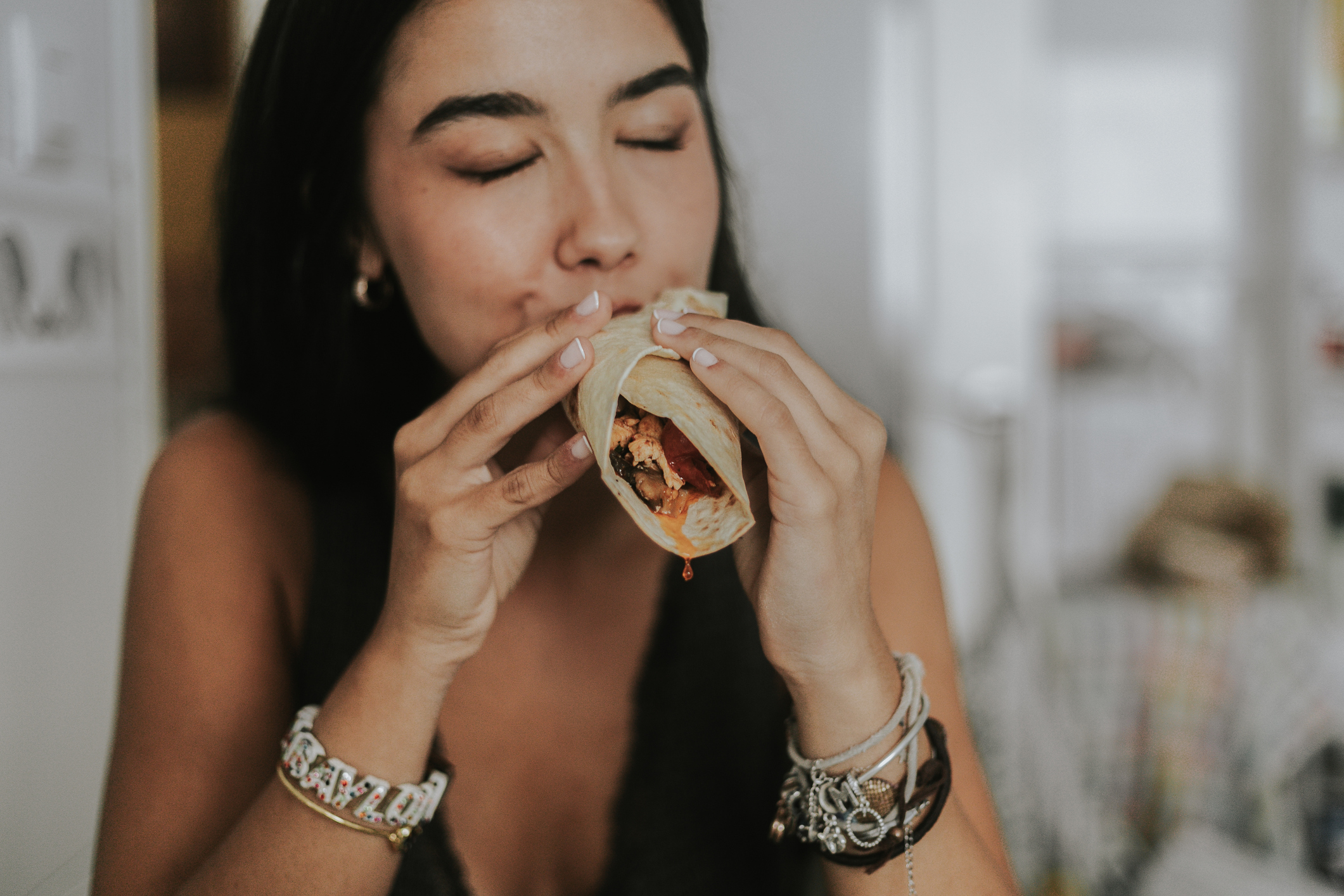
- The 20% Rule: One out of every five fast-food transactions initiated by 18-to-24-year-olds is classified as a snack run. For diners aged 25 and older, that metric hovers near 10%.
- The 8-to-10 PM Surge: Late-night cravings are a dominant feature of Gen Z’s lifestyle. Younger consumers patronize fast-food establishments between 8:00 p.m. and 10:00 p.m. at twice the frequency of older demographics.
- The Beverage Goldmine: According to industry analysis by Verdict Food Service, specialty drinks are acting as the ultimate Trojan horse for snack sales. At experimental beverage-first locations, one in every three transactions includes a café-exclusive drink, which in turn drives purchases of accompanying food items.
- The Death of Meal-Time Loyalty: Research from consumer analytics firms indicates that Gen Z views food as an experiential mood-modifier rather than mere sustenance. Craving a burst of flavor, energy, or comfort at 3:00 p.m. or 9:30 p.m. triggers an immediate purchase decision, bypassing considerations of what they ate for lunch or what they plan to eat for breakfast tomorrow.
Official Statements and Industry Insights
Industry leaders are speaking candidly about the operational overhaul required to meet the demands of this new consumer base.
"The next generation isn’t organizing its day around three meals," explains Ken Muench, Chief Marketing Officer at Yum! Brands.
Muench’s observation cuts
to the heart of the crisis facing traditional restaurant management. When consumers stop eating breakfast, lunch, and dinner at prescribed intervals, the entire architecture of labor scheduling, inventory management, and kitchen layout must be redesigned.
To combat this, Yum! Brands is aggressively innovating across its portfolio. Taco Bell has pioneered the Live Más Café concept—a drinks-first, experiential format staffed by specialized team members known as "Bellristas." The pilot location in Irvine, California, has exceeded expectations, pumping out more than 900 custom beverages a day. Crucially, the cafe format proves that drinks act as a magnetic draw, pulling in young consumers who then tack on specialized food items.
Meanwhile, sister brand KFC is executing a parallel playbook with its KWENCH beverage lineup, directly targeting the lucrative, multi-billion-dollar beverage market historically dominated by coffee chains like Starbucks.
Industry analysts emphasize that these moves are defensive as much as they are offensive. Quick-service titans are acutely aware that if they fail to capture the Gen Z snacker, nimble independent beverage shops, convenience store chains, and delivery-only ghost kitchens will gladly pocket that revenue.
Future Outlook: What the Permanent Snack Economy Means for QSRs
As we look toward the remainder of the decade, the implications of Gen Z’s permanent snack mode will reshape the fast-food industry in several profound ways:
1. The Redesign of the Drive-Thru and Storefront
Traditional drive-thrus are optimized for speed and high-volume meal combos. However, a customer ordering a single specialty iced coffee and a mini-snack wrap has different expectations. Expect to see an increase in dedicated mobile-order pickup lanes, walk-up windows in urban centers, and store formats that prioritize speed of service for low-item orders over bulky family-sized meal processing.
2. Menu Engineering Rooted in "Portability and Permissibility"
Gen Z’s snacking is driven by two competing desires: a craving for indulgent, high-flavor, highly photogenic treats, and a desire for portion control and nutritional flexibility. Items that are easy to consume while driving, walking, or gaming—and that fit under a modest price point—will dominate. The revival of the McDonald’s Snack Wrap is merely the tip of the iceberg; expect a wave of bite-sized, fusion-flavored, and customizable protein-and-carb hybrids.
3. The Convergence of QSR and Café Culture
The boundaries between traditional fast food and coffeehouse culture are dissolving. As Taco Bell’s Live Más Café and KFC’s KWENCH initiatives demonstrate, fast-food giants are transforming into hybrid snack-and-beverage hubs capable of capturing high-margin traffic throughout the entire afternoon and evening.
4. Algorithmic Marketing and Late-Night Targeting
Because Gen Z’s snacking habits are impulsive and digitally mediated, marketing spend will shift heavily toward hyper-targeted, real-time digital advertising. Chains will utilize geo-fenced mobile app alerts, social media collaborations, and gaming integrations to ping young consumers right when their late-night or mid-afternoon munchies hit.
Conclusion
The transformation of the fast-food industry from a rigid, meal-time institution into a flexible, 24/7 snack dispensary is no longer a speculative theory—it is a verified economic reality. Driven by Gen Z’s rejection of traditional eating schedules and their insatiable appetite for late-night treats and specialty beverages, brands that adapt will capture the loyalty of the world’s most influential young consumers. Those that cling to the three-square-meal model risk finding themselves starved for business in an economy that never sleeps, and never stops snacking.
