

Executive Overview
In an era of hyper-homogenized supermarket produce dominated by a monoculture of glossy, predictable cultivars, the eccentric fringes of pomology offer a much-needed sanctuary for culinary adventurousness. Among the most enigmatic specimens currently capturing the attention of heirloom fruit aficionados is the Glockenapfel—alternatively designated in historical texts as the Pomme Cloche.
Sourced for this evaluation from the storied orchards of Scott Farm in Dummerston, Vermont, this centuries-old Swiss cultivar presents a compelling case study in horticultural anomaly. Boasting a lineage that stretches back half a millennium, the Glockenapfel challenges contemporary expectations of what an eating apple should be. It is a fruit that defies casual consumption through a combination of aggressive flavor profiles, extreme juiciness, and a complex chemical composition that triggers an almost involuntary physiological response.
This investigative review delves into the sensory, historical, and culinary dimensions of the Glockenapfel. Far from a standard product endorsement, this analysis evaluates the fruit’s structural integrity, flavor delivery systems, and historical pedigree, ultimately establishing its place within the broader pantheon of modern heirloom apple evaluations.
Detailed Chronology: From Swiss Roots to Vermont Soil
The 500-Year Ancestry of the Bell Apple
The historical trail of the Glockenapfel winds backward through the agricultural archives of Central Europe, specifically Switzerland, where the variety was first cultivated over five centuries ago. Etymologically, both "Glockenapfel" and "Pomme Cloche" translate directly to "bell apple" or "bell-shaped apple." This nomenclature sets an immediate morphological expectation: a flared, tapered silhouette reminiscent of a handbell.
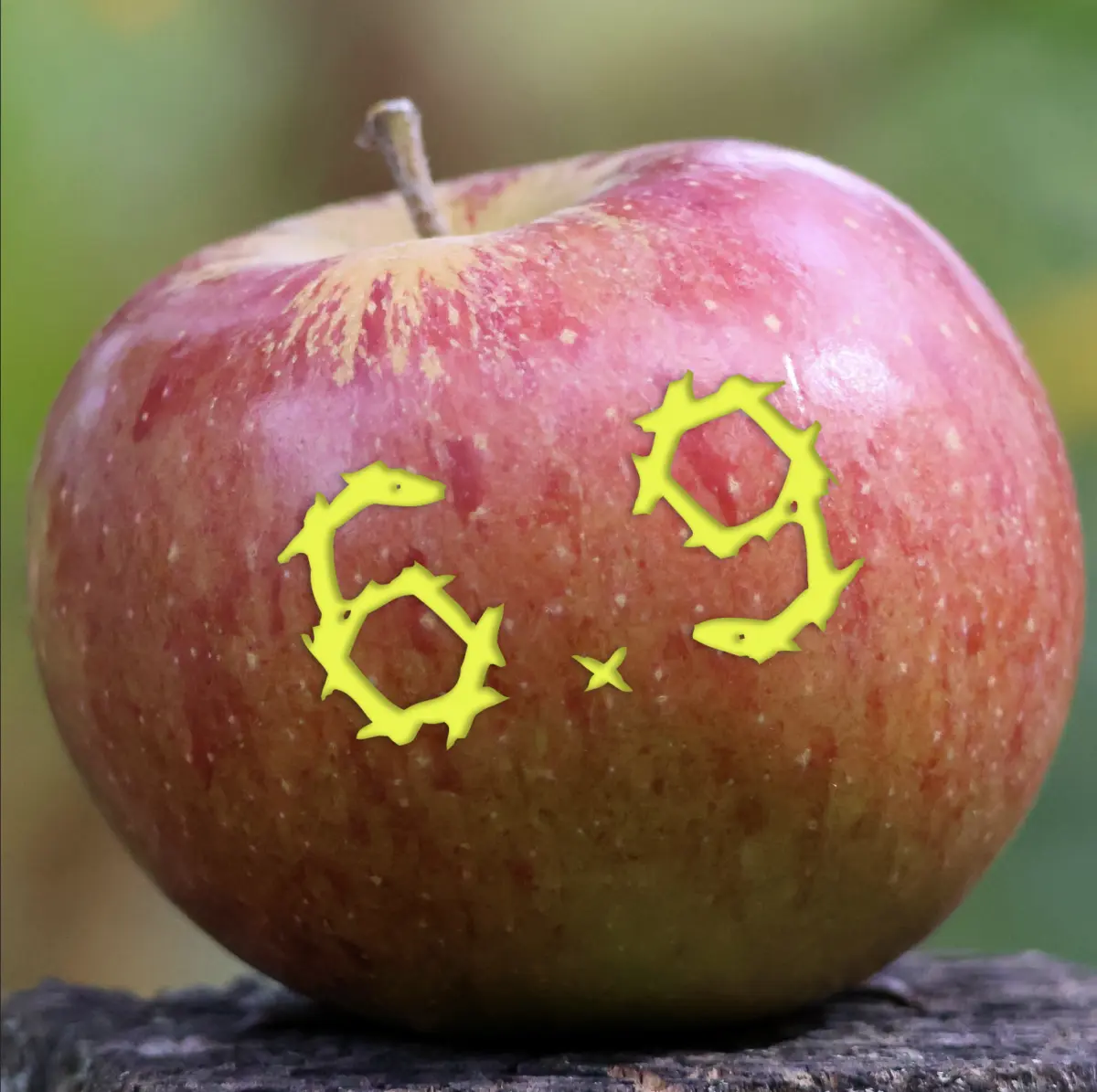
However, observational data collected during this evaluation complicate this taxonomic tradition. Upon physical inspection, the specimen received from Scott Farm manifested a remarkably standard, spherical apple geometry rather than a pronounced bell structure. This morphological divergence raises critical questions regarding agricultural phenotypical drift, regional growing conditions, and the historical liberties taken by early European pomologists in naming their harvests.
The Journey to Scott Farm
The contemporary availability of such esoteric cultivars is largely indebted to specialized preservationists. Scott Farm, situated in the rolling hills of southern Vermont, stands as a vital repository for heritage fruit, cultivating over 120 varieties of heirloom apples. Through operations that supply curated heirloom boxes to enthusiasts nationwide, these historic specimens are rescued from agricultural oblivion.
The logistical chain—from Swiss highlands centuries ago to a meticulously packed parcel in New England—culminates in an eating experience that is as historically resonant as it is gustatory. Unboxing the Glockenapfel reveals a fruit defined first and foremost by its physical sheen. Archival notes scribbled prior to formal testing capture the initial impression with blunt force: “GLOCKENAPFEL: IT GLISTENS!”—complete with underline emphasis, signaling a striking visual presentation that immediately separates it from the matte, wax-coated industrial apples populating standard grocery aisles.
Supporting Context & Metrics: The "Lemon Karate" Phenomenon
Sensory Evaluation and Flavor Mechanics
To understand the Glockenapfel is to understand its aggressive flavor delivery. While popular consensus within horticultural circles classifies the cultivar primarily as a culinary apple—historically relied upon for baking applications such as authentic apple strudels—evaluating it as a fresh-eating experience yields startling results.
Upon the initial bite, the apple’s internal chemistry executes what can only be described as a sensory ambush. Tasting notes from the evaluation session succinctly characterize this phenomenon as "LEMON KARATE!"
The experience unfolds in two distinct phases:

- The Strike: The immediate contact point delivers an intense, unyielding surge of sharp citrus flavor. It bypasses the gentle sweetness characteristic of modern dessert apples, striking the palate with the force of a martial arts kick (Kiyyaa!).
- The Resolution: As the initial shock subsides, the flavor profile transitions into a more nuanced, delightful pink lemonade-berry hybrid note. Crucially, this residual sweetness avoids cloying territory, maintaining a sophisticated, assertive tartness that lingers long after the chew.
Structural Integrity and Physiological Impact
Texture remains a vital metric in pomological analysis. The Glockenapfel scores exceptionally high in structural mechanics, featuring a flesh that is firm, hard-breaking, and capable of producing an audible, satisfying crunch.
However, this structural vigor introduces distinct operational challenges during consumption:
- Ludicrous Juiciness: The cellular structure of the fruit is densely packed with moisture. Upon breaking the skin, the apple unleashes a veritable flood of juice into the oral cavity.
- Salivatory Electroshock: The intense tartness acts as a direct stimulant to the salivary glands, causing an involuntary surge in fluid production.
- The Ergonomic Hazard: The combination of extreme juice volume and hyper-stimulated salivation results in temporary drooling—a phenomenon that compromises the dignity of the consumer, rendering them momentarily vulnerable to aesthetic critique.
Quantitative Scoring
Weighing the historical novelty, the sheer audacity of its flavor profile, and its structural characteristics against its minor ergonomic inconveniences, the Glockenapfel earns a definitive score:
- Final Score: 6.9 out of 10
- Class Descriptor: IT GLISTENS!! LEMON KARATE!!!
Official Statements & Culinary Misadventures
The Strudel Conundrum
An investigation into a heritage cooking apple inherently leads down culinary rabbit holes. Historical records and culinary traditions heavily link the Glockenapfel to the production of classic European pastries, most notably the traditional apple strudel.
However, a critical review of culinary knowledge during the evaluation process revealed a startling cognitive dissonance regarding the nature of strudel itself. Popular misconceptions often conflate the fine, layered pastry of a traditional strudel with deep-fried carnival fare like funnel cake. Clarifying this distinction highlights the apple’s intended destiny: it is structurally and chemically engineered to withstand the baking process, melting down into a tart, cohesive filling encased in paper-thin dough, rather than being subjected to batter-frying.
Palate Cleansing and Botanical Realism
The sensory overload induced by the Glockenapfel necessitated immediate restorative measures. Horticultural journalists and reviewers are occasionally forced to resort to traditional palate cleansers—such as fermented cucumbers—to reset the gustatory receptors after encountering apples with such intense, polarizing acid profiles.
Moreover, playful speculation regarding the Swiss origins of the fruit—imagining clockwork cuckoo birds emerging from the core to squawk "APFEL! APFEL!" while launching seeds with ballistic precision—serves as a reminder of the psychological toll exacted by extreme heirloom evaluations. The fruit is wild, unruly, and entirely unbothered by modern consumer expectations.
Future Outlook
As the global agricultural market continues to grapple with the vulnerabilities of monoculture farming, the preservation of heirloom varieties like the Glockenapfel transitions from a niche hobby to an ecological necessity. Climate shifts, evolving pest pressures, and changing consumer palates demand a diverse genetic library of pomological specimens.
The Glockenapfel proves that historical apples are not merely museum pieces to be admired on heritage orchard tours; they are active, aggressive culinary participants capable of shocking the modern palate out of its industrialized complacency. Whether secured via specialized heirloom shippers like Scott Farm or discovered tucked away in regional orchards, these Swiss bell-apples ensure that the future of fruit remains unpredictable, intensely tart, and utterly uncompromising.
As the ongoing catalog of annual apple reviews demonstrates, the search for the ultimate pomological experience relies entirely on embracing the strange, the historic, and the occasionally violent-tasting cultivars that refuse to conform to the standard red-delicious mold. Long live the Glockenapfel.
