

Executive Overview
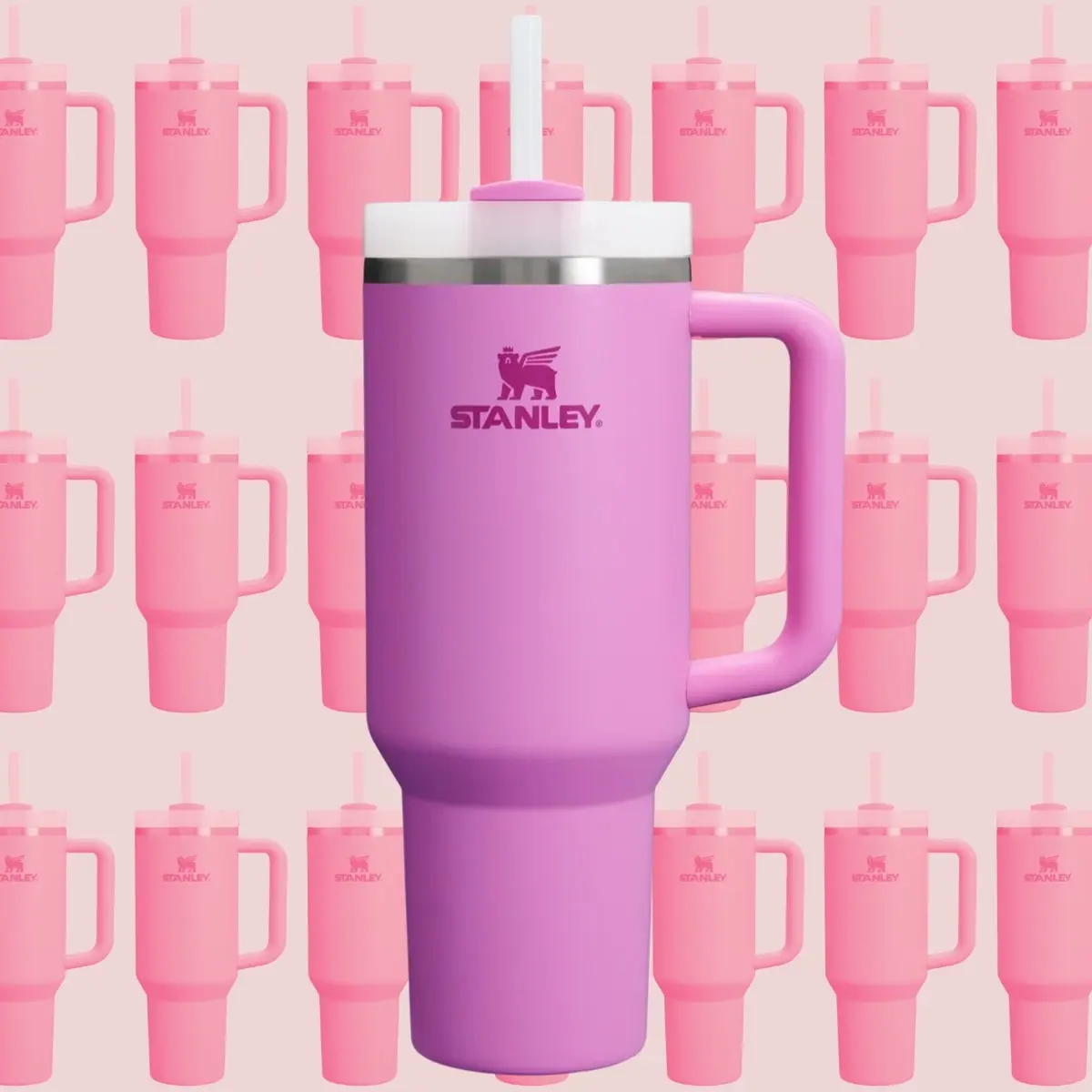
The landscape of consumer retail has shifted dramatically over the past half-decade, driven largely by social media acceleration, influencer partnerships, and the elevation of everyday utilitarian objects into status symbols. At the epicentre of this cultural and commercial pivot stands Stanley, a brand with a century-old heritage of manufacturing rugged steel thermal bottles for blue-collar workers, which has successfully reinvented itself as a juggernaut of modern lifestyle culture.
This holiday shopping season, Stanley has amplified its market dominance through an aggressive Black Friday promotional campaign, offering steep discounts of up to 50% off across its iconic lineup of tumblers, mugs, and hydration vessels. With prices dipping as low as $19 for select core items, the ongoing sale represents a rare strategic concession from a brand whose products routinely sell out at full retail price. For holiday shoppers, the event provides an unprecedented entry point into the coveted ecosystem of viral drinkware. For retail analysts, however, it offers a fascinating case study in modern inventory management, brand elasticity, and the psychological mechanics of gift-giving culture in the digital age.
This comprehensive report examines the anatomy of Stanley’s Black Friday sales event, categorizing the standout deals designed for specific consumer demographics, analyzing the broader market trends governing the insulated drinkware sector, and evaluating the strategic implications of deep-discounting a high-equity consumer brand.
Detailed Chronology: The Evolution of Stanley’s Retail Strategy
To understand the weight of Stanley’s current Black Friday promotions, one must contextualize the brand’s rapid ascent from hardware store staple to global lifestyle phenomenon.
The Heritage Era (1913–2010s)
Founded by William Stanley Jr. in 1913, the brand revolutionized how hot liquids were transported by inventing the all-steel vacuum bottle. For generations, Stanley products were marketed primarily to construction workers, campers, and outdoor enthusiasts. Built on a promise of near-indestructibility, these heavy-duty green thermoses were cultural fixtures in lunchboxes and truck beds. During this era, promotional discounting was rare and largely restricted to end-of-season clearance at regional sporting goods stores.
The Gen-Z and Influencer Rebrand (2017–2020)
The turning point for the brand occurred when forward-thinking executives recognized the untapped potential of the Quencher travel tumbler. Supported by digital-first marketing strategies and a pivot toward pastel and vibrant color palettes, the brand embraced direct-to-consumer (DTC) channels and leveraged influencer partnerships. The watershed moment arrived when the online community The Buy Guide championed the Quencher, leading to an explosion of demand that caught even the manufacturer by surprise.
The Viral Hegemony and Controlled Scarcity (2021–2023)
By the early 2020s, Stanley had mastered the art of controlled scarcity. Limited-edition color drops (such as the Target Valentine’s Day collaboration) sparked camp-outs, massive resale markets on secondary platforms like eBay and Poshmark, and widespread TikTok virality. During this period, the brand rarely offered broad-scale promotions. Holding firm on MSRP (Manufacturer’s Suggested Retail Price) reinforced the perception of high value and exclusivity.
The 2024–2026 Holiday Pivot: Democratizing the Ecosystem
As the drinkware market has saturated with competitors attempting to capture lightning in a bottle, Stanley has adapted its seasonal playbook. The current Black Friday campaign marks a strategic pivot toward volume and broad market accessibility. By slashing prices by up to 50%—including rare markdowns on the ubiquitous 40 oz. Quencher H2.0 Flowstate Tumbler—Stanley is actively converting hesitant consumers, capturing late-season holiday budgets, and defending its market share against aggressive rivals.
Supporting Context & Metrics: Decoding the Black Friday Lineup
Stanley’s current promotional slate is not merely a blanket clearance; it is a meticulously curated catalog targeting specific consumer personas. By mapping discounts across a range of form factors—from ergonomic desk mugs to leak-resistant travel companions—the brand ensures that virtually every demographic on a holiday shopping list is addressed.
Curated Gift Guide Analysis & Pricing Breakdown
+-----------------------------------+-------------------+-------------------+-------------------+
| Product Description               | Promotional Price | Regular Price     | Discount Margin   |
+-----------------------------------+-------------------+-------------------+-------------------+
| Classic Legendary Camp Mug        | $18.75            | $25.00            | 25% Off           |
| Everyday Suburban Mug             | $24.00            | $40.00            | 40% Off           |
| Transit 2.0 Flip Top Mug          | $24.00            | $40.00            | 40% Off           |
| IceFlow Flip Straw Tumbler (30oz) | $26.25            | $35.00            | 25% Off           |
| Quencher ProTour Flip Straw       | $30.00            | $50.00            | 40% Off           |
| IceFlow Flip Straw Tumbler (40oz) | $33.75            | $45.00            | 25% Off           |
| Quencher H2.0 Flowstate (40oz)    | Varies (Up to 50%)| $45.00–$50.00     | Up to 50% Off     |
+-----------------------------------+-------------------+-------------------+-------------------+
1. The Office Environment: Everyday Suburban Mug ($24, down from $40)
Targeted primarily at professionals and desk-bound workers, this 40% markdown bridges the gap between home-comfort ceramic mugs and spill-proof travel gear. In an era of hybrid work models, items that enhance the home office workspace have seen sustained demand.
2. The Gen-Z and Active Demographic: IceFlow Flip Straw Tumblers
- 30 oz. Variant: Priced at $26.25 (originally $35), this model appeals directly to younger demographics seeking manageable daily hydration that fits standard vehicle cup holders while maintaining trend-forward aesthetics.
- 40 oz. Variant: Reduced to $33.75 from its standard $45 price tag, this larger iteration caters to fitness enthusiasts and commuters who require higher liquid capacity without sacrificing portability, aided by a robust, leak-resistant lid design.
3. Family and Relational Gifting: Transit 2.0 Flip Top Mug ($24, down from $40)
Positioned strategically as an ideal gift for extended family members—such as mothers-in-law—this mug emphasizes reliability, leak-proof engineering, and understated elegance. The 40% discount lowers the psychological barrier to high-end gifting.

4. The Outdoor Enthusiast: Classic Legendary Camp Mug ($18.75, down from $25)
At under $20, this item serves as the ideal stocking stuffer or threshold gift. Honoring Stanley’s heritage, the camp mug combines thermal insulation with rugged aesthetics, making it a reliable companion for weekend tailgates and crisp autumn hikes.
5. Self-Care and Personal Splurges: Quencher ProTour Flip Straw Tumbler ($30, down from $50)
Acknowledging the "treat yourself" consumer psychology prevalent during the holiday season, this 40% reduction on the ProTour model encourages shoppers to purchase upgrades for their own collections while checking items off their gift lists.
Official Statements and Industry Insights
The mechanics behind curating a viral retail event require rigorous editorial oversight and consumer advocacy. According to representatives from retail research and consumer advocacy networks, the selection process for featured Black Friday deals involves multi-layered verification.
"Our editorial approach centers on cutting through the noise of promotional marketing," notes a senior consumer trends analyst. "When a brand with the cultural footprint of Stanley initiates a 50% markdown, our role is to verify historical pricing integrity, evaluate customer sentiment, and ensure that our readers are presented with genuine, high-value opportunities rather than superficial markdowns on unpopular inventory."
Industry insiders emphasize that while flash sales and steep discounts can occasionally erode brand prestige if executed poorly, Stanley’s measured approach—limiting deep cuts to specific hero items while preserving the core allure of its seasonal color collections—strikes a delicate balance between driving mass-market volume and protecting long-term equity.
Furthermore, supply chain experts note that inventory forecasting for Q4 events has become increasingly complex. By distributing discounts across diverse product categories (from camp mugs to commuter tumblers), Stanley effectively mitigates the risk of localized stockouts while maximizing its average order value (AOV) across digital storefronts.
Future Outlook: What’s Next for the Viral Drinkware Market?
As the retail calendar moves past Black Friday and toward the apex of the winter holiday shopping season, several key questions remain regarding the trajectory of the insulated drinkware market.
1. Market Saturation vs. Sustainable Innovation
The explosion of the 40 oz. tumbler trend has inevitably led to market saturation, with legacy competitors and fast-fashion retailers alike introducing copycat designs. To maintain its market-leading position, Stanley is projected to double down on ergonomic engineering, proprietary lid technologies (such as anti-spill straw mechanics), and unexpected cross-industry collaborations. Future product pipelines will likely focus heavily on weight reduction, modular accessories, and sustainable manufacturing practices utilizing recycled stainless steel.
2. The Shift Toward Omnichannel Retail Partnerships
While direct-to-consumer (DTC) channels provide brands with invaluable first-party customer data and higher profit margins, the success of Stanley’s holiday sales underscores the enduring power of major retail partners—including Target, Dick’s Sporting Goods, and specialized outdoor outfitters. Moving forward, hybrid distribution models that coordinate exclusive retail drops with digital promotions will likely define the playbook for maintaining consumer engagement year-round.
3. The Maturation of Gift Culture
The practice of gifting high-end drinkware has evolved from a passing internet fad into a staple of modern holiday traditions. As consumers become more discerning about utility and cost-of-living pressures influence purchasing decisions, promotional events like Stanley’s Black Friday sale transition from optional luxuries to critical benchmarks for seasonal retail success.
Ultimately, Stanley’s ability to navigate the transition from a utilitarian toolmaker to a lifestyle status symbol—while occasionally returning to accessible price points during key retail windows—demonstrates a sophisticated mastery of modern consumer psychology. For holiday shoppers navigating gift lists this season, the current markdowns offer a rare intersection of cultural relevance, practical utility, and undeniable economic value.
