

Executive Overview
For decades, nutritional science has chased a paradoxical relationship between dietary nitrates, processed meats, and long-term health outcomes. While public health messaging has consistently urged caution regarding the consumption of cured meats like bacon, salami, and hot dogs due to suspected links with gastrointestinal malignancies, other foods rich in identical chemical compounds—such as nutrient-dense leafy greens—exhibit protective, health-promoting properties. Why do dietary nitrates present in a bowl of spinach behave so differently in the human body than those found in a processed sandwich?
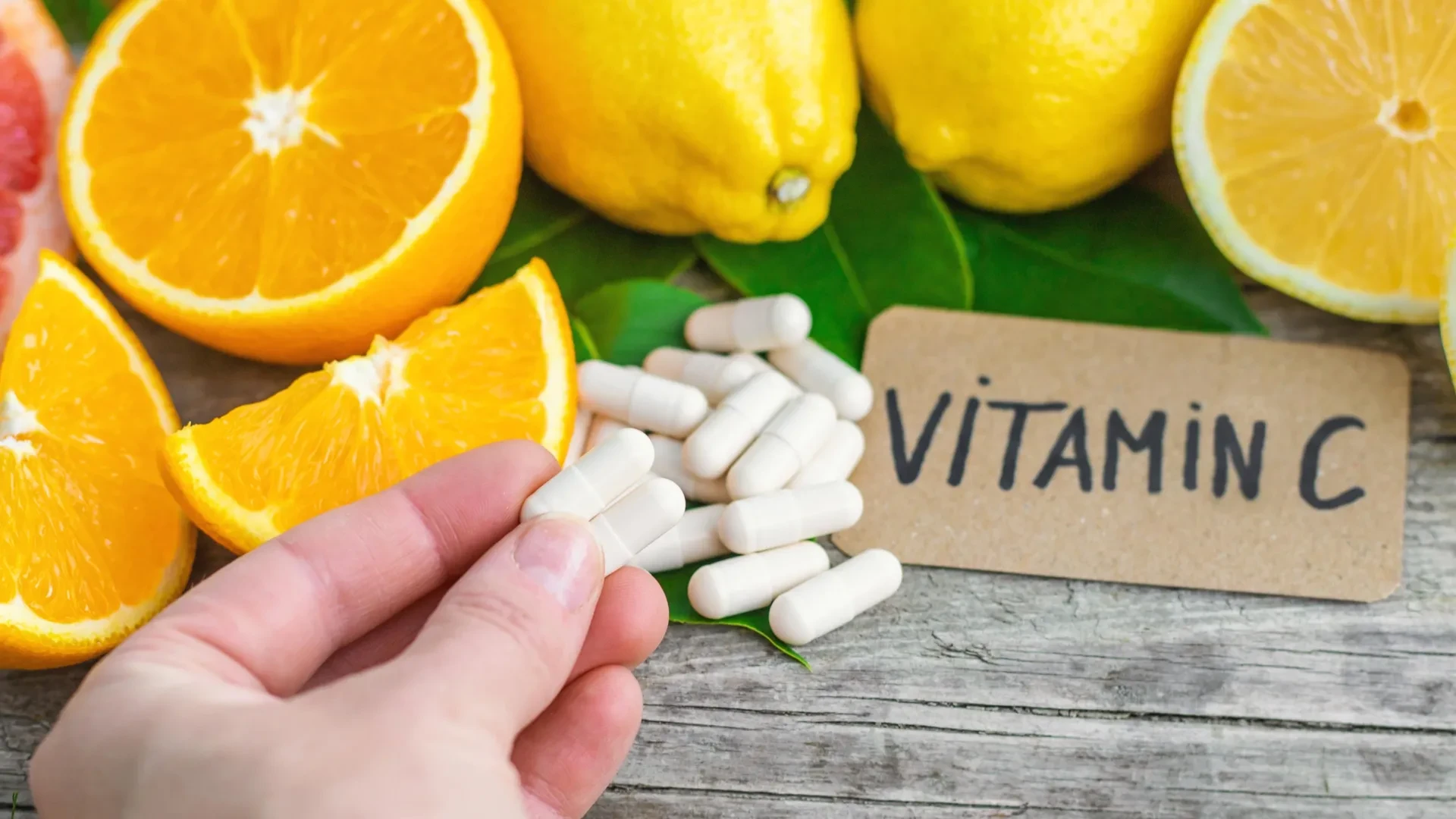
A groundbreaking study conducted by applied mathematicians and researchers at the University of Waterloo suggests that the answer may lie in a remarkably simple, everyday nutrient: Vitamin C.
Published in the Journal of Theoretical Biology under the title "Vitamin C as a nitrosation inhibitor: A modelling study across dietary patterns and water quality," new research reveals that ascorbic acid (Vitamin C) may actively intercept and neutralize potentially carcinogenic chemical reactions before they can fully manifest within the human digestive tract. Utilizing sophisticated mathematical modeling that maps the complex biochemical journey of food from the oral cavity through the gastrointestinal tract, the research team has mapped how antioxidants interfere with the creation of N-nitroso compounds—substances long suspected of driving cancer development.
While the findings do not give processed meats a clean bill of health, they offer a compelling mechanistic framework that may help explain decades of conflicting epidemiological data. Furthermore, the study explores whether targeted supplementation—such as consuming Vitamin C immediately following a meal—might mitigate the chemical risks associated with modern diets. As researchers look ahead toward clinical validation, this mathematical breakthrough provides a vital roadmap for future nutritional science, bridging the gap between diet, chemistry, and long-term oncology.
Detailed Chronology of the Research
The path to this discovery began not in a traditional wet-lab filled with test tubes and petri dishes, but at the intersection of applied mathematics, computer simulation, and physiological systems biology. For years, the scientific community had wrestled with conflicting epidemiological signals regarding dietary nitrates and nitrites. Some studies indicated a clear pathway toward elevated cancer risk, while others—particularly those focusing on Mediterranean or plant-rich diets—found no such correlation, or even observed protective benefits.
Recognizing the Inconsistencies
"Since at least the 90s, researchers have been studying the link between cancer and these compounds, with conflicting results," explains Dr. Gordon McNicol, a post-doctoral researcher in applied mathematics at the University of Waterloo and the primary author of the study. "Our work suggests that the presence of dietary Vitamin C may help explain these inconsistencies."
Dr. McNicol and his colleagues realized that traditional experimental methods often failed to capture the dynamic, multi-organ reality of human digestion. Chemical reactions do not occur in isolated test tubes; they happen in a continuous, flowing biological system influenced by salivary secretions, varying gastric pH levels, enzymatic activity, and the diverse microbial ecosystems of the oral microbiome and gut.
Developing the Physiological Model
To untangle these complex variables, the research team constructed a comprehensive mathematical model. This advanced simulation software was designed to track the precise movement, breakdown, and interaction of nitrates, nitrites, and antioxidants as they travel through the human body.
The model was meticulously engineered to incorporate several interconnected physiological compartments, including:
- The Salivary Glands: Where dietary nitrates are actively concentrated and secreted back into the oral cavity, interacting with the oral microbiome.
- The Stomach: The primary acidic crucible where gastric juices mix with ingested food, creating an environment primed for nitrosation reactions.
-
The Small Intestine: Where
further digestion, nutrient absorption, and secondary chemical transformations take place.
- Plasma: The liquid matrix of human blood, allowing researchers to track systemic distribution and clearance rates.
Simulating Dietary Scenarios
Once the model was calibrated against existing physiological data, the team ran thousands of simulations mimicking various dietary patterns, water quality levels, and nutritional combinations.
The simulations yielded a critical insight: when Vitamin C is present alongside nitrates and nitrites in the digestive tract, it acts as a powerful chemical deterrent. Ascorbic acid preferentially reacts with nitrosating agents, effectively preempting the chemical pathways that transform benign or necessary nitrogen compounds into potentially harmful nitrosamines. This discovery provides a plausible scientific mechanism for why naturally nitrate-rich plant foods—which are intrinsically packed with Vitamin C—do not carry the same epidemiological risk profiles as chemically cured, antioxidant-deficient processed meats.
Supporting Context & Metrics: The Chemistry of Nitrates, Nitrites, and Nitrosation
To fully appreciate the implications of the University of Waterloo model, one must examine the fundamental biochemistry of nitrogen compounds in the human diet and the evolving landscape of modern nutrition.
The Double-Edged Sword of Nitrates and Nitrites
Over the past several decades, human exposure to nitrates and nitrites has increased significantly across North America and industrialized nations. These compounds enter the food supply through two primary vectors: agricultural runoff affecting soil and water systems (impacting vegetables, grains, and drinking water) and chemical additives utilized in the preservation of cured meats such as bacon, salami, prosciutto, and sausages.
Historically, public health advisories have treated all dietary nitrates with a broad brush of suspicion. However, modern cardiovascular and neurological research has revealed that nitrates and nitrites play an essential, beneficial role in human physiology. Once ingested, they are converted into nitric oxide ($textNO$), a vital signaling molecule that regulates blood pressure, enhances endothelial function, improves cardiovascular efficiency, and supports neurotransmission.
The Hazard of Nitrosation
Despite these cardiovascular benefits, a darker chemical pathway looms in the stomach. Under specific physiological conditions—particularly in the acidic environment of the human stomach in the presence of secondary and tertiary amines (protein breakdown products found abundantly in meat)—nitrites can participate in a reaction known as nitrosation.
Nitrosation produces N-nitroso compounds (NNCs), a class of potent mutagens and suspected carcinogens. Epidemiological studies have frequently associated high lifetime consumption of NNCs with an increased incidence of gastric and colorectal cancers.
The Nutritional Equation: Spinach vs. Salami
For decades, researchers have been puzzled by a glaring epidemiological contradiction:
- Individuals who consume high amounts of leafy green vegetables (such as spinach, arugula, and lettuce) ingest substantial quantities of nitrates, yet paradoxically exhibit lower overall rates of gastrointestinal cancers.
- Conversely, individuals who consume high amounts of processed meats containing similar or lesser amounts of nitrates often demonstrate an elevated risk of cancer.
The Waterloo mathematical model provides the missing link: matrix composition and antioxidant accompaniment.
[Dietary Intake]
       │
       ├─► Leafy Greens (Nitrates + Vitamin C)
       │      └─► Stomach: Vitamin C blocks nitrosation ──► Neutralized (Low Risk)
       │
       └─► Processed Meats (Nitrates + Amines - Vitamin C)
              └─► Stomach: Unchecked nitrosation ──► Formation of NNCs (Elevated Risk)
Spinach and other leafy greens are nature’s balanced package; they deliver nitrates alongside massive concentrations of protective antioxidants like Vitamin C, beta-carotene, and polyphenols. Processed meats, by contrast, are stripped of natural antioxidants during manufacturing and curing, leaving the door wide open for unhindered nitrosation in the human stomach.
Evaluating Post-Meal Supplementation
Building upon their findings regarding natural food matrices, the Waterloo researchers pushed the inquiry one step further: Could artificial or supplemental introduction of Vitamin C yield similar protective effects if taken after a meal containing processed meats?
The mathematical simulations suggest a nuanced answer. According to the model, taking a Vitamin C supplement immediately following or during a meal can moderately reduce the formation of nitrosation products. This indicates that the timing of antioxidant ingestion is critical; to intercept nitrosation reactions effectively, the antioxidant must be present in the gastric fluid concurrently with the nitrites and amines.
However, the researchers issue an important caveat. These insights are derived entirely from sophisticated mathematical and computational models, not yet from large-scale human clinical trials. While the chemistry is sound and theoretically robust, translating these computer simulations into definitive dietary guidelines requires rigorous empirical validation.
Official Statements and Expert Insights
The interdisciplinary nature of the research team—combining applied mathematics, biological modeling, and nutritional science—has drawn widespread praise from the academic community.
Dr. Anita Layton, a professor of applied mathematics, Canada 150 Research Chair, and senior author of the study, emphasized the foundational utility of the model for future biomedical research.
"This work provides a mechanistic roadmap for future clinical and laboratory studies by identifying the key interacting drivers of these potentially harmful chemical reactions, including nitrite exposure, antioxidant intake, meal timing, gastric conditions and oral microbiome activity," Dr. Anita Layton stated.
"This model can help researchers design more targeted experiments and interventions, focusing on when and in whom nitrosation is most likely to occur."
By synthesizing diverse biological variables—ranging from the rate of gastric emptying to the enzymatic output of the oral microbiome—the model transcends static nutritional analysis. It acknowledges that human digestion is a living, breathing ecosystem where timing, concentration, and synergy dictate chemical outcomes.
Lead author Dr. Gordon McNicol underscored the broader philosophical shift this research represents for dietary science. Rather than viewing foods as simple lists of isolated "good" or "bad" chemicals, the study reinforces the concept of nutritional synergy.
"Our simulations demonstrate that the biological impact of a chemical compound is rarely determined in isolation," Dr. McNicol explained. "By looking at the dynamic interplay between antioxidants and nitrogen compounds within a whole-body framework, we can begin to resolve decades-old controversies in nutritional epidemiology and offer a clearer picture of how diet truly impacts cellular health."
Future Outlook: Implications for Public Health and Oncology
As the scientific community digests the findings published in the Journal of Theoretical Biology, the University of Waterloo model opens several promising avenues for future research, clinical investigation, and public health policy.
1. Designing Targeted Clinical Trials
The most immediate application of this mathematical model will be the design of rigorous human clinical trials. Historically, nutrition studies have struggled with confounding variables, self-reported dietary intake errors, and high inter-individual variability. By pinpointing the exact physiological thresholds where Vitamin C effectively inhibits nitrosation, clinical researchers can design tightly controlled interventions to measure whether supplemental or dietary antioxidants yield a statistically significant reduction in fecal or urinary biomarkers of nitrosation in humans.
2. Personalized Dietary Guidelines
Not all individuals process foods, nitrates, or antioxidants in the exact same way. Factors such as stomach acid production (hypochlorhydria), genetic variations in metabolic enzymes, age, and the composition of the oral and gut microbiomes heavily influence digestive chemistry. The Waterloo model’s flexibility allows researchers to simulate diverse patient profiles, paving the way for personalized nutritional recommendations. In the future, dietary advice regarding processed foods and antioxidant intake could be tailored to an individual’s specific biological risk factors.
3. Food Industry Reformulations
Food scientists and manufacturers may also take cues from these findings. The food processing industry has long sought safe, effective alternatives to traditional curing agents and preservatives. Understanding the precise stoichiometric ratios of Vitamin C required to neutralize nitrosation products could inspire the development of next-generation cured meat products fortified with natural or synthetic antioxidant matrices designed to self-neutralize harmful chemical byproducts directly within the food product or upon consumption.
4. Refining Public Health Messaging
Public health agencies currently rely on broad epidemiological correlations to issue dietary warnings regarding processed meats. While these warnings remain essential for cancer prevention, models like the one developed at Waterloo offer a more sophisticated, mechanistic foundation for future dietary guidelines. Rather than simply banning or discouraging specific food categories, public health strategies could increasingly emphasize nutritional buffering—educating the public on how the co-consumption of antioxidant-rich foods can alter the biochemical fate of dietary components.
Conclusion
The University of Waterloo’s mathematical study does not offer a free pass to consume unlimited quantities of processed meats, nor does it replace the well-documented health hazards associated with high sodium and preservative intake. However, it profoundly deepens our understanding of digestive chemistry. By demonstrating how Vitamin C acts as a molecular shield against cancer-related nitrosation reactions, this research bridges a crucial gap in nutritional science, transforming our view of how everyday foods interact within the complex machinery of the human body.
