

Executive Overview
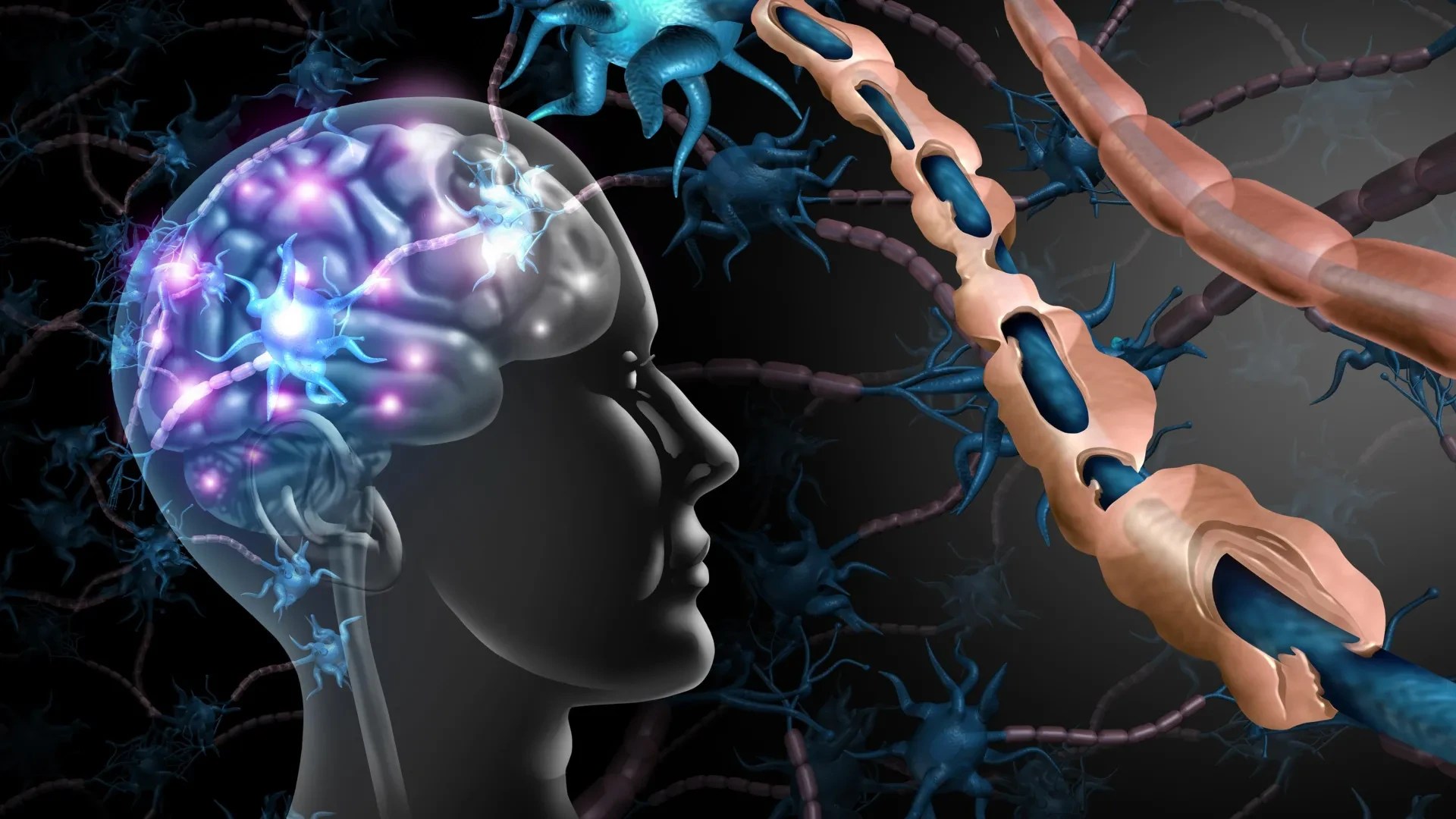
For decades, modern neuroscience has operated under a comforting consensus regarding the brain’s cellular architecture: certain cells exist entirely to protect, nourish, and insulate our neural networks. Among the most vital of these unsung heroes are oligodendrocytes, specialized glial cells tasked with generating and maintaining myelin—the fatty, white insulating sheath that wraps around nerve fibers. Without myelin, the electrical impulses that dictate everything from a fleeting memory to complex spatial reasoning would misfire, slow down, or fade away entirely.
However, a groundbreaking study published in the prestigious journal Nature Medicine has turned this foundational dogma on its head.
In a collaborative investigation led by scientists at the University of Edinburgh and the UK Dementia Research Institute (UK DRI), researchers have discovered that these very same protective cells can undergo a destructive transformation as we age. Far from remaining passive victims of neurological wear-and-tear, dysfunctional oligodendrocytes may actively drive cognitive decline. By failing to maintain proper cellular housekeeping and accumulating abnormal, excessive myelin, these cells can damage vital nerve fibers and erode memory and processing speed in later life.
This paradigm-shifting discovery not only reshapes our fundamental understanding of neurobiology but also offers a powerful new avenue for therapeutic intervention. Because the biological pathway responsible for this cellular breakdown—governed by a regulatory protein known as NRF2—is already well-understood, researchers are eyeing existing pharmaceuticals, including medications currently deployed against multiple sclerosis, as candidates for repurposing. As global populations age and the prevalence of age-related cognitive impairment mounts, this revelation introduces a fresh frontier in the global fight to preserve human memory and cognitive vitality.
Detailed Chronology: Unraveling Decades of Cognitive Data
To understand how researchers arrived at this monumental conclusion, one must look back nearly a century and examine a unique cohort that has allowed scientists to track the human mind across the entire arc of a lifespan.
The Power of the Lothian Birth Cohort 1936
The cornerstone of this human-based research rests on the Lothian Birth Cohort 1936, an extraordinary longitudinal study tracking individuals born in that single year whose cognitive abilities have been meticulously documented from childhood well into their golden years. This unprecedented temporal dataset provided researchers with a rare window through which to study the trajectory of human intelligence, memory, and cognitive processing speed over decades.
Between the ages of 70 and 82, surviving members of the cohort underwent rigorous neurological and psychological assessments. These evaluations measured diverse dimensions of cognitive function, including verbal memory, information processing speed, and visuospatial abilities. Out of an initial enrollment of 1,091 participants, 866 completed comprehensive follow-up testing after passing their seventieth year.
The data yielded a universal yet complex reality: nearly every participant experienced some degree of cognitive slippage as they aged. However, the velocity of this decline varied wildly from person to person. While some individuals maintained sharp, agile minds deep into their eighth decade, others suffered rapid and profound cognitive erosion. This stark divergence presented neuroscientists with a golden analytical opportunity: what cellular and molecular differences distinguish a resilient, gracefully aging brain from one undergoing accelerated deterioration?
Post-Mortem Revelations and Myelin Pathology
To answer this, researchers analyzed post-mortem brain tissue donated by a subset of the cohort participants. By correlating the donors’ final cognitive decline trajectories with the physical architecture of their brain tissue, a striking and unexpected pattern emerged.
Those individuals who had suffered the most severe cognitive decline did not simply show general brain shrinkage or random cellular death. Instead, they exhibited specific, localized damage: a marked depletion of large nerve fibers and an abnormal, unhealthy accumulation of myelin.
Myelin is normally celebrated as the brain’s high-speed wiring insulation. Yet, this new evidence suggested that too much of a good thing—or improperly regulated myelin—can become toxic. The accumulation of abnormal myelin was heavily concentrated around the remaining large nerve fibers, and its presence strongly correlated with the rate at which an individual’s cognitive abilities had faded in life, independent of their raw cognitive scores at any single age point.
The Culprit Identified: Compromised Oligodendrocytes
Faced with this anomalous myelin buildup and nerve fiber degradation, the investigative team shifted their focus upstream to find the cellular source. Who manufactures myelin? Oligodendrocytes.
Traditionally viewed as steadfast guardians of white matter integrity, these specialized cells appeared to be faltering in older brains. To pinpoint the exact molecular failure occurring within these cells, the researchers examined the biochemical profiles of the brain tissue samples, discovering a crucial missing link: a protein named NRF2.
In healthy tissue, NRF2 acts as a master regulator of cellular defense. It orchestrates the transcription of hundreds of genes responsible for combating oxidative stress, neutralizing cellular toxins, and maintaining normal metabolic and structural function. However, in the brains of individuals who had suffered rapid cognitive decline, NRF2 levels within oligodendrocytes were drastically depleted. Without sufficient NRF2, these protective cells lost their resilience, malfunctioning in ways that distorted myelin production and wreaked havoc on adjacent nerve fibers.
Supporting Context & Metrics: Experimental Validation in Murine Models
Observational data from human tissue, while powerful, cannot definitively prove causation. To confirm whether declining NRF2 activity in oligodendrocytes was the direct driver of cognitive decay, the researchers designed a series of rigorous in vivo experiments utilizing mouse models.
By selectively engineering mice to experience a localized reduction of NRF2 specifically within their oligodendrocytes, the scientific team was able to watch the pathological sequence unfold in real-time.
The Experimental Outcomes
The results mirrored the human tissue findings with uncanny precision:
- Myelin Overproduction: The genetically modified mice developed excessive, structurally abnormal myelin deposits, choking the surrounding neural environment.
- Axonal Loss: Just as observed in human post-mortem samples, the mice experienced a progressive loss of large, fast-conducting nerve fibers.
- Cognitive Stagnation: Behavioral testing revealed that these mice exhibited diminished improvements in cognitive performance as they aged, effectively demonstrating accelerated mental aging compared to control subjects.
These laboratory milestones provided the missing causal link. The drop in NRF2 is not merely a passive byproduct of growing old; it is an active trigger that compromises oligodendrocyte function, derails myelin maintenance, and directly fuels cognitive deterioration.
Official Statements and Expert Perspectives
The academic and clinical community has responded to the study with a mixture of surprise and cautious optimism. The research effectively re-draws the map of neuroglial biology, shifting our view of glial cells from benign helpers to dynamic participants in neurodegeneration.
Dr. Veronique Miron, an MRC Senior Non-Clinical Fellow, UK Dementia Research Institute Group Leader at the University of Edinburgh, and scientist at St. Michael’s Hospital (Unity Health Toronto), emphasized the urgency and translational potential of the work:
"As the prevalence of cognitive decline is rising with an aging population and no current treatments exist, we are excited about this work as it points to a potential strategy for new therapeutic strategies to preserve cognitive ability in aging."
Echoing this sentiment, Dr. Georgina Craig, the study’s first author and a Postdoctoral Fellow at St. Michael’s Hospital and the UK DRI, highlighted the profound shift in scientific perspective brought about by the findings:
"This study has fundamentally shifted how we think about these brain cells in aging. We have always considered oligodendrocytes as purely beneficial, yet here we surprisingly find that they can become dysfunctional and contribute to cognitive impairment in aging."
These statements underscore a major pivot in modern neurology. For decades, drug discovery pipelines have focused heavily on neurons, plaques, and neuroinflammation. This study opens an entirely new front line centered squarely on glial cell health and white matter preservation.
Future Outlook: Repurposing Therapeutics for the Aging Brain
Perhaps the most electrifying aspect of this discovery is not merely that scientists have found a new mechanism of cognitive decline, but that humanity may already possess the tools to fight it.
The Promise of Drug Repurposing
Because the NRF2 biological pathway is already heavily studied in other disease contexts, pharmacological agents that stimulate or mimic NRF2 activity already exist. Most notably, therapies currently prescribed to manage multiple sclerosis (MS)—a chronic autoimmune disease characterized by the degradation of myelin in the central nervous system—target this exact pathway.
In clinical settings, certain MS medications have demonstrated an ability to upregulate NRF2, mitigating oxidative stress and supporting oligodendrocyte survival. While those treatments were developed to combat autoimmune demyelination, the new Nature Medicine findings raise an tantalizing possibility: could these existing drugs be safely repurposed to combat age-related cognitive decline?
Challenges and Next Steps
Despite the high hopes, translational researchers urge patience and rigorous clinical validation. Key hurdles remain before any such treatments can be cleared for aging populations:
- Safety and Dosage: Medications designed for younger, chronically ill MS patients may carry side effect profiles that require careful re-evaluation for older adults experiencing normal or accelerated brain aging.
- Clinical Trials: Controlled human clinical trials must be designed specifically to test whether NRF2-targeting compounds can slow, halt, or reverse cognitive decline in non-MS aging populations.
- Biomarker Identification: Clinicians will need robust, non-invasive diagnostic biomarkers—such as advanced neuroimaging techniques capable of quantifying myelin health in living patients—to identify which older adults are suffering from oligodendrocyte dysfunction and are thus most likely to benefit from targeted therapies.
A New Horizon in Cognitive Health
As the demographics of the developed world continue to skew older, age-related cognitive decline represents one of the most formidable socioeconomic and healthcare challenges of the twenty-first century. Millions of families watch helplessly as loved ones slowly lose their memories, executive function, and independence.
By unmasking the hidden vulnerability within the brain’s own support systems, this landmark study transforms our strategic landscape. We now know that cognitive aging is not merely an inexorable fade into darkness, but a complex biological process driven, in part, by cellular exhaustion that we may eventually intercept. If future clinical trials prove successful, the day may soon arrive when we can pharmacologically recharge the brain’s protective cells, keeping our cognitive wiring insulated, resilient, and sharp across a long and healthy life.