

Executive Overview
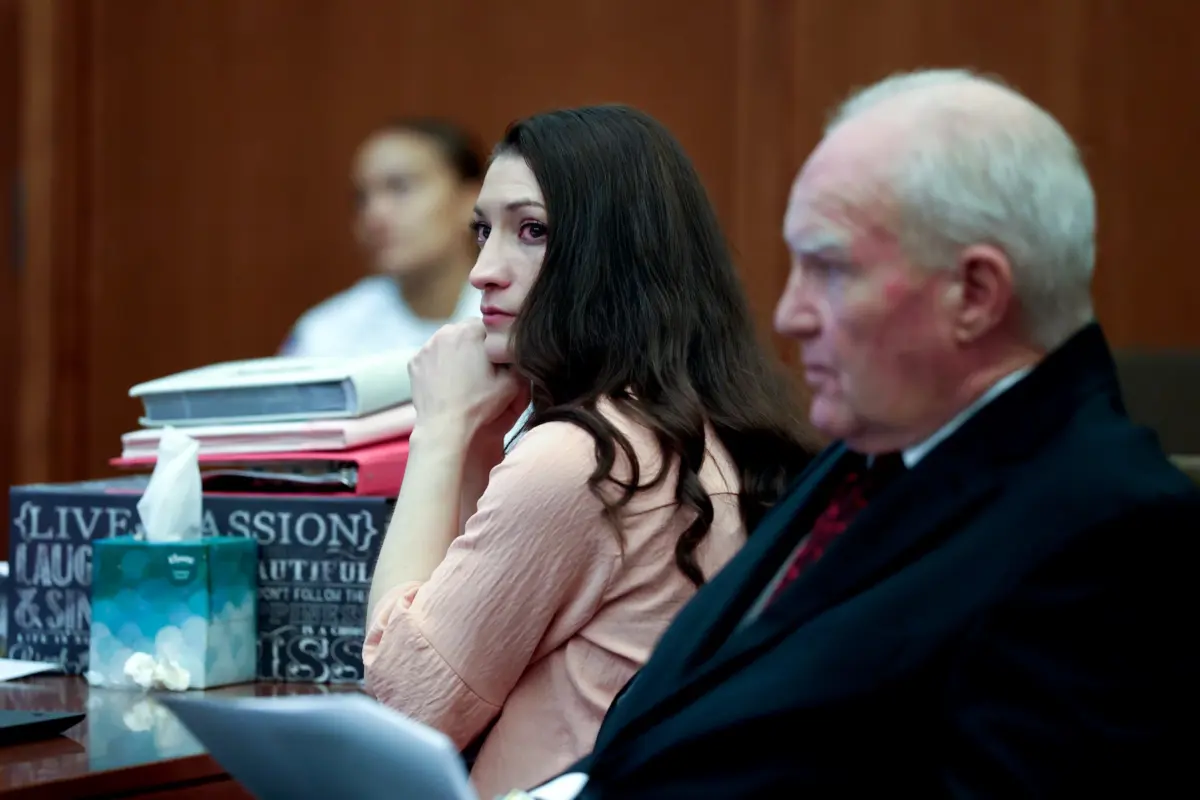
The high-profile courtroom proceedings in the trial of Lindsay Clancy—a Massachusetts mother facing three counts of first-degree murder for the January 2023 deaths of her children—experienced another unexpected disruption this week. Jurors were dismissed after a meager hour of testimony on Thursday morning, compounding an identical early adjournment the afternoon prior.
Presiding Judge William Sullivan addressed the panel of jurors prior to their release, attempting to mitigate any potential frustration caused by the abbreviated schedules.
“It’s going to be a short day, but also gear up for a longer day tomorrow,” Judge Sullivan instructed the courtroom. “If you’re going to hold it against anybody, hold it against me.”
While the exact nature of the disruptions remains veiled behind judicial discretion, the back-to-back curtailments have raised procedural questions regarding the projected timeline of the defense’s case. On Wednesday afternoon, Judge Sullivan abruptly halted proceedings shortly after 2:00 p.m. ET, citing an ambiguous “unforeseen circumstance.”
As the legal teams navigate these logistical hurdles, the core of the trial remains anchored in a profound tragedy: the deaths of five-year-old Cora, three-year-old Dawson, and eight-month-old Callan Clancy. While the defense argues that Clancy was suffering from severe postpartum psychosis at the time of the acts—rendering her legally irresponsible—prosecutors maintain that the killings were calculated and executed with a clear, lucid state of mind. With the defense originally expected to rest its case by the conclusion of the week, these cascading delays introduce a layer of uncertainty regarding how the trial will unfold in the days ahead.
Detailed Chronology of the Trial and Recent Disruptions
The sequence of events leading to Thursday’s early dismissal highlights the delicate balance judges must maintain between keeping a complex trial on schedule and accommodating unpredictable developments in the courtroom.
Wednesday’s Abrupt Halt
The disruption began mid-week when Judge Sullivan called an abrupt halt to the proceedings just after 2:00 p.m. ET on Wednesday. Recognizing the potential for jurors to grow restless or draw inappropriate inferences from the sudden pause, the judge directly addressed the panel before their dismissal.
“This is not something we saw coming,” Judge Sullivan told the courtroom. “But you’re not to speculate about what it is; you’re not to hold it against either side. It’s just something that we have to deal with.”
The judge assured the jury that despite the lost hours, the trial remained generally on track. However, speculation naturally mounted inside and outside the courthouse regarding whether the Wednesday afternoon stoppage was related to the following day’s equally brief session. Court officials have remained tight-lipped, and no further details explaining the dual disruptions have been made public.
Thursday’s Brief Session and Witness Testimony
When court reconvened on Thursday morning, expectations were high that the defense would press forward with its witness list. Instead, the proceedings barely scratched the surface before being adjourned once again, yielding a mere hour of active courtroom time.
Before the gavel came down, the trial featured intense cross-examination of a key defense witness: Chaplain Sheila Cavanaugh. The prosecution zeroed in on the contents—and notable omissions—of Cavanaugh’s pastoral notes. Specifically, state attorneys pressed the chaplain on why her written documentation failed to mention that Clancy had allegedly been hearing voices in her head commanding her to harm her children and subsequently take her own life.
Cavanaugh defended the nature of her notes and her role within the hospital setting, emphasizing that her purpose was pastoral rather than clinical.
“I’m not there to evaluate the patient. I’m not there to bear witness to their suffering,” Cavanaugh testified under cross-examination.
Cavanaugh’s relationship with the defendant is extensive and deeply rooted. She testified that she visited Clancy in the hospital shortly after the tragic events of January 2023 and has continued pastoral visits over the years, seeing Clancy approximately 200 times at Tewksbury State Hospital, where Clancy has been housed and treated since the incident.
Despite the compelling nature of the testimony, the session was cut short, leaving observers and legal analysts to wonder how the truncated schedule will affect the remainder of the defense’s presentation.
Supporting Context & Legal Metrics
To understand the weight of these procedural delays, it is essential to examine the core tragedy, the medical and legal frameworks underpinning the defense, and the physical realities of the defendant herself.
The Incident and Its Aftermath
The events that brought Lindsay Clancy to a Massachusetts courtroom unfolded on a grim winter day in January 2023. Emergency responders arrived at the family home to find three young children—Cora (5), Dawson (3), and Callan (8 months)—fatally strangled.
Following the incident, Clancy attempted to take her own life by jumping from a second-story window of the family home. The fall resulted in catastrophic physical trauma, leaving her permanently paralyzed from the waist down. She now relies entirely on a wheelchair for mobility and, rather than being held in a traditional correctional facility, has been confined to a secure state hospital unit, receiving ongoing medical and psychiatric care.
The Legal Battleground: Postpartum Psychosis vs. Premeditation
The fundamental question before the court is not who committed the acts—defense counsel Kevin Reddington has not denied that Clancy killed her children—but rather why and under what mental state.
- The Defense’s Position: Reddington and the defense team argue that Clancy was in the throes of severe, undiagnosed, and untreated postpartum psychosis. They contend that the hormonal and neurological storm of severe postpartum depression crossed the line into psychosis, a condition characterized by a complete break from reality, auditory hallucinations, and a profound inability to understand the nature or wrongfulness of one’s actions. Under this legal theory, Clancy lacks criminal responsibility.
- The Prosecution’s Position: The Commonwealth paints a drastically different picture. Prosecutors argue that the killings were not the erratic result of an acute psychotic break, but rather the calculated actions of a mother who acted with clear intent, premeditation, and a lucid state of mind. The state’s cross-examinations—such as the intense questioning of Chaplain Cavanaugh regarding her notes—are heavily focused on dismantling the defense’s narrative of sudden, unprompted psychotic episodes by searching for inconsistencies in contemporaneous accounts.
Jury Management in High-Profile Trials
While the jurors in the Clancy trial have not been sequestered—meaning they are permitted to return to their homes at the end of each day—they are bound by strict judicial admonitions. They have been repeatedly ordered not to read, watch, or listen to any media coverage, social media discussions, or broadcasts regarding the trial. The frequent early dismissals test the limits of jury management, requiring heightened vigilance from the court to ensure jurors remain impartial and focused solely on the evidence presented within the four walls of the courtroom.
Official Statements and Judicial Transparency
The management of a high-profile criminal trial requires a delicate balancing act between maintaining public transparency and protecting the integrity of the judicial process. Judge William Sullivan’s handling of the consecutive early adjournments reflects an effort to maintain calm and prevent the jury from drawing prejudicial conclusions.
When unexpected hurdles arise in a courtroom, judges typically face a choice: disclose sensitive personal or medical details regarding court personnel, attorneys, or witnesses, or invoke judicial discretion to manage the flow of the trial quietly. In this instance, Judge Sullivan chose the latter path, emphasizing that the interruptions were administrative necessities rather than reflections on the merits of the case.
“You’re not to speculate about what it is; you’re not to hold it against either side. It’s just something that we have to deal with,” Sullivan reiterated to the jurors on Wednesday, a sentiment he echoed with a touch of personal accountability on Thursday by telling them to “hold it against me.”
Legal experts note that while a lack of transparency regarding brief delays can breed public curiosity and media speculation, a judge’s primary duty during a jury trial is to protect the proceedings from extraneous bias. By shouldering the blame for the schedule changes directly, Judge Sullivan aimed to insulate both the prosecution and the defense from any subconscious frustration the jury might harbor.
Future Outlook & Procedural Trajectory
As the trial enters its critical phases, several key questions loom regarding timelines, witness schedules, and the ultimate delivery of verdicts.
The Defense Timeline in Jeopardy
Prior to the scheduling hiccups mid-week, legal analysts anticipated that the defense would formally rest its case by the conclusion of the week. However, the loss of substantial court time—amounting to an early afternoon adjournment on Wednesday and an almost entirely lost morning session on Thursday—creates a distinct logistical squeeze.
Whether the defense will be able to wrap up its presentation of witnesses as originally planned depends heavily on how much time is reclaimed in upcoming sessions. If additional witnesses are waiting in the wings, the defense may be forced to request an extension into the following week, pushing back the prosecution’s rebuttal phase and the eventual closing arguments.
Anticipated Next Steps in the Courtroom
- Completion of Defense Case: Once court resumes under a normal schedule, the defense is expected to finalize its roster of expert witnesses, mental health professionals, and character witnesses who can speak to Clancy’s state of mind leading up to January 2023.
- Prosecution Rebuttal: Following the close of the defense’s case, the Commonwealth will have the opportunity to present rebuttal witnesses, likely featuring psychiatric experts of their own who will challenge the postpartum psychosis defense and reinforce the state’s theory of premeditation.
- Closing Arguments and Jury Instructions: After both sides rest, Judge Sullivan will instruct the jury on the applicable points of law—particularly concerning criminal responsibility and mental impairment—before handing the case over for deliberations.
The tragic complexities of the Lindsay Clancy case ensure that every minute of courtroom testimony is heavily scrutinized. As the trial pushes past its latest administrative speedbumps, all eyes remain fixed on the courtroom to see how the remaining testimony unfolds and how the jury ultimately weighs the profound medical and legal arguments presented by both sides.
