

Executive Overview
In an extraordinary and unprecedented twist to one of the most polarizing criminal cases in recent American history, the defense attorney for Lindsay Clancy—the Massachusetts mother whose high-profile murder trial recently ended in a hung jury and a mistrial—has publicly appealed directly to President Donald Trump for an executive pardon.
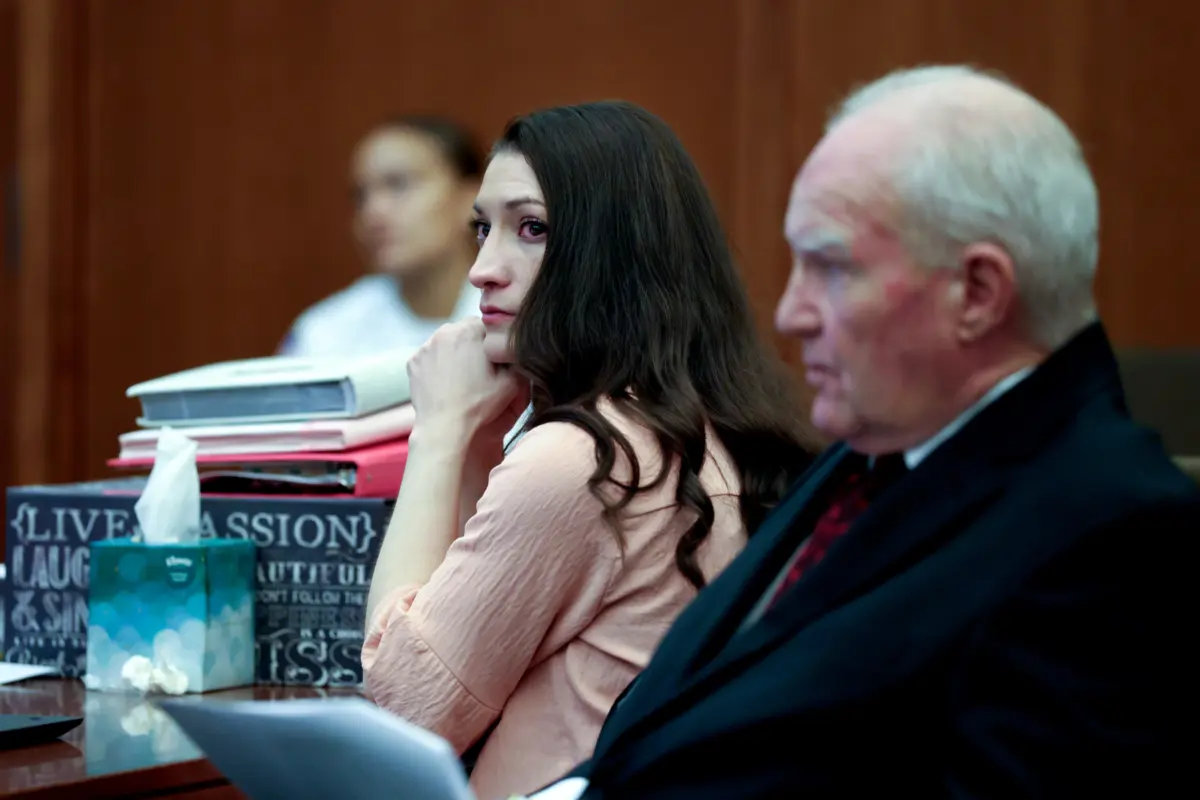
Kevin Reddington, Clancy’s lead defense counsel, used a nationally televised appearance on Good Morning America on Tuesday, Sept. 8, to make the direct plea to the commander-in-chief. The unorthodox move comes in the wake of a grueling, highly scrutinized trial wherein prosecutors accused Clancy of the calculated murders of her three young children, while the defense maintained she was suffering from severe postpartum psychosis at the time of the tragedy.
The jury deadlocked after days of intense deliberations, resulting in a mistrial that has left the legal community, mental health advocates, and the public deeply divided. While the prospect of a presidential pardon remains legally complex—given that Clancy faces state, rather than federal, charges—Reddington’s maneuver underscores the desperate and extraordinary measures the defense is willing to explore. Simultaneously, Reddington revealed that his legal team is open to negotiating a plea deal with Plymouth County District Attorney Timothy Cruz, provided terms can be reached that are "acceptable to both sides."
This in-depth report examines the trajectory of the trial, the controversial nature of the jury’s deadlock, the intersection of mental health and the American justice system, and the unfolding legal battles that lie ahead.
Detailed Chronology: From Tragic Event to Mistrial
The Inciting Incident and Immediate Aftermath
The tragedy unfolded on January 24, 2023, inside a quiet suburban home in Duxbury, Massachusetts. Emergency responders arrived at the residence following a 911 call placed by Clancy’s husband, Patrick Clancy, who returned home to find unimaginable horror.
Inside the home, authorities discovered the couple’s three children—5-year-old Cora, 3-year-old Dawson, and 8-month-old infant Callan—gravely injured. Despite life-saving efforts by first responders, all three children were pronounced dead. Investigators determined they had been strangled using exercise bands.
Lindsay Clancy was found outside the home, having sustained severe self-inflicted wounds to her neck and wrists before allegedly jumping from a second-story window. The fall resulted in catastrophic physical trauma, leaving Clancy permanently paralyzed from the waist down.
The Prosecution’s Case: Meticulous Planning vs. Severe Psychiatric Collapse
As Clancy recovered under armed guard in a hospital facility and later within a secure medical unit, a fierce legal battle began to take shape.
During the trial, which captured national headlines and polarized public opinion, the prosecution painted a chilling portrait of a mother who had premeditated the murders. Assistant district attorneys argued that Clancy had "meticulously" planned the killings of her children because she had grown profoundly unhappy with her life and domestic responsibilities. Prosecutors pointed to text messages, web searches, and the methodical nature of the timeline leading up to the tragedy as evidence of a calculated, conscious act committed by a sane individual.
The Defense’s Counter-Narrative: Postpartum Psychosis
Conversely, Kevin Reddington mounted an aggressive defense rooted in severe mental illness. The defense asserted that Clancy was entirely unmoored from reality, experiencing a profound psychotic break driven by a combination of postpartum depression, anxiety, and over-medication.
Medical experts testified on behalf of the defense, detailing a harrowing descent into postpartum psychosis—a rare and dangerous psychiatric emergency characterized by hallucinations, delusions, and severe cognitive disorganization. Reddington argued that Clancy heard a commanding male voice inside her head instructing her to take the lives of her children, believing she was saving them and would join them in death.
Testimony during the trial brought to light the intense medical regimen Clancy had been subjected to in the weeks leading up to the tragedy, with doctors adjusting various psychiatric medications as she struggled with postpartum psychiatric symptoms that her family claimed went inadequately treated by the healthcare system.
The Deadlocked Jury and Mistrial
The trial culminated in a week of exhaustive deliberations by a jury tasked with weighing the complex interplay between severe mental illness and criminal responsibility.
Ultimately, the jury informed the presiding judge that they were hopelessly deadlocked, unable to reach a unanimous verdict due to a single holdout. The judge declared a mistrial, setting the stage for a potential retrial. Speaking on Good Morning America, Reddington expressed profound frustration with the outcome, revealing his belief that 11 of the 12 jurors had favored a verdict of "not guilty by reason of insanity." He criticized the lone holdout for allegedly failing to properly apply "the law of reasonable doubt as presented by the judge."
Supporting Context & Metrics: The Broader Landscape
To fully understand the gravity of the Lindsay Clancy case, one must examine the broader systemic and cultural metrics surrounding postpartum mental health, the frequency of infanticide linked to psychosis, and the intersection of political commentary with high-profile litigation.
Postpartum Psychosis: Prevalence and Understanding
Postpartum psychosis affects approximately 1 to 2 in every 1,000 women giving birth (0.1% to 0.2%). It is a psychiatric emergency that typically manifests within the first few weeks following childbirth. Symptoms include:
- Delusions or strange beliefs
- Hallucinations (auditory or visual)
- Grossly disorganized or erratic behavior
- Depression, mania, or severe anxiety
- Confusion and waxing/waning awareness
Medical literature overwhelmingly classifies postpartum psychosis as distinct from standard postpartum depression. While depression involves persistent sadness and fatigue, psychosis involves a complete break from reality. Legal systems worldwide have increasingly grappled with how to adjudicate actions taken by individuals experiencing such profound psychotic episodes, where intent and capacity for rational thought are severely impaired.
The Public and Political Divide
The Clancy trial acted as a lightning rod for deep-seated cultural divisions regarding motherhood, mental healthcare, gender, and accountability. Pundits, legal analysts, and everyday citizens weaponized the details of the case across social media platforms, with some viewing Clancy as a victim of a fractured psychiatric healthcare system that failed to heed red flags, and others viewing her as a perpetrator of unforgivable violence deserving of maximum punishment.
This widespread visibility caught the attention of prominent political figures, most notably Donald Trump. When asked about the trial following the mistrial declaration, Trump admitted to following the case heavily because "it’s on television so much." He stated publicly that Clancy "did a horrible, horrible thing" and remarked that "there’ll be a price. It’s going to be mental institution or jail or something, but I guess they’re going to go through another trial. It’s too bad."
Official Statements and Legal Maneuvers
Kevin Reddington’s Direct Appeal to President Trump
During his appearance on Good Morning America, Reddington addressed the comments made by Trump regarding the case. Transitioning from a discussion of the jury’s makeup to a direct address, Reddington stated:
"I’d like to say that, perhaps, Donald Trump, who felt compelled to speak out about this case may very well… Mr. President, I hope that you would consider this young lady, the type of person she is, what she’s been through, and consider a pardon."
Legal Reality Check: Constitutional scholars and legal experts quickly pointed out a major procedural hurdle regarding this appeal: the President of the United States holds pardon power exclusively for federal offenses. Because Lindsay Clancy was prosecuted under Massachusetts state law by the Plymouth County District Attorney’s Office, a presidential pardon holds no legal authority to dismiss or alter state-level criminal charges or convictions. Any executive clemency in this matter would fall under the jurisdiction of the Governor of Massachusetts, acting in conjunction with the state’s Parole Board.
The White House Response
When reached by journalists for comment following Reddington’s televised appeal, representatives for the White House declined to issue a new statement, referring back to President Trump’s previous remarks on the case.
Opening the Door to Plea Negotiations
Aside from the unorthodox pardon request, Reddington also pivoted toward more traditional legal avenues, signaling a willingness to negotiate with Plymouth County District Attorney Timothy Cruz.
Addressing the possibility of avoiding a grueling second trial, Reddington stated:
"I’m willing to listen to Tim… I hope, however, that after seeing through this trial, and seeing the evidence that was presented from the government, as well as from the defense, that he would revisit that reissue and hopefully we’d be able to work something out that would be acceptable to both sides."
A plea deal could potentially spare the victims’ family, the witnesses, and the public from enduring the emotional toll of a retrial, though terms involving institutionalization versus incarceration remain deeply contentious points of negotiation.
Future Outlook: What Lies Ahead for the Legal Proceedings
As the dust settles from the mistrial and Reddington’s surprise television appeal, several critical milestones loom on the horizon for the Clancy legal team and the Massachusetts judicial system:
- Decision on a Retrial: District Attorney Timothy Cruz’s office must formally decide whether to pursue a retrial. Given the intensity of the evidence and the split jury, prosecutors must weigh the likelihood of securing a unanimous verdict in a second proceeding against the immense financial and emotional costs involved.
- Plea Bargaining Discussions: Behind closed doors, defense attorneys and prosecutors may engage in formal or informal discussions regarding a negotiated settlement. Whether such an agreement can bridge the gap between institutional psychiatric confinement and penal incarceration remains to be seen.
- Jurisdictional Realities: While Reddington’s appeal to President Trump generated immense media buzz, legal analysts expect the defense to refocus its energy on state-level legal strategies, expert psychiatric testimonies, and procedural motions ahead of any future court dates.
- The Broader Conversation on Postpartum Care: Regardless of the courtroom outcome, the case has permanently altered public discourse surrounding maternal mental health. Advocacy groups continue to press for systemic reforms, mandatory screenings, and greater institutional support for mothers exhibiting signs of severe psychiatric distress following childbirth.
As this tragic saga continues to unfold, the legal community watches closely, balancing the demands of justice for three young lives lost against the complex medical realities of severe postpartum psychiatric illness.