

Executive Overview
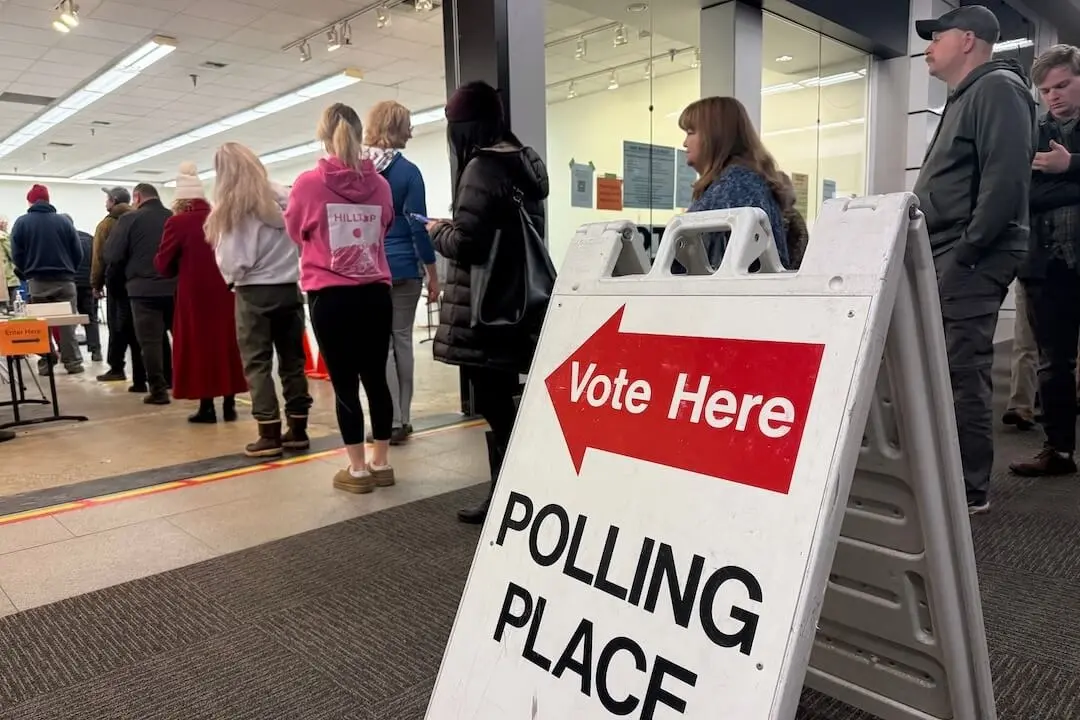
The contemporary media ecosystem is experiencing a profound structural and regulatory transformation. As the United States approaches a fiercely contested set of midterm elections, the intersection of federal regulatory oversight, partisan political pressure, and structural industry contraction has created an environment of acute volatility. Recent actions by the Federal Communications Commission (FCC) under Chair Brendan Carr—particularly targeting broadcast networks over the dissemination of political polling data—have ignited a fierce constitutional debate over First Amendment protections, press freedom, and government overreach.
Simultaneously, the business of journalism is facing severe financial headwinds and operational crises across multiple fronts. Landmark legal judgments, such as a staggering $25 billion privacy penalty levied against Meta in New Mexico, signal a new era of aggressive state-level enforcement regarding consumer data practices. Within the publishing sector, storied institutions like Christianity Today are grappling with internal exoduses and allegations of eroding editorial independence under corporate pressure. Conversely, newsrooms in resource-scarce regions like Alaska are pioneering unprecedented models of journalistic collaboration to survive industry contraction and ensure vital voter education.
This comprehensive report examines the multifaceted pressures currently confronting the media landscape, analyzing the regulatory clashes at the FCC, the fallout from fabricated polling scandals, landmark tech litigation, internal ideological struggles within religious publishing, and the cooperative survival strategies defining modern journalism.
Detailed Chronology & Core Events
The FCC Polling Controversy and Regulatory Warnings
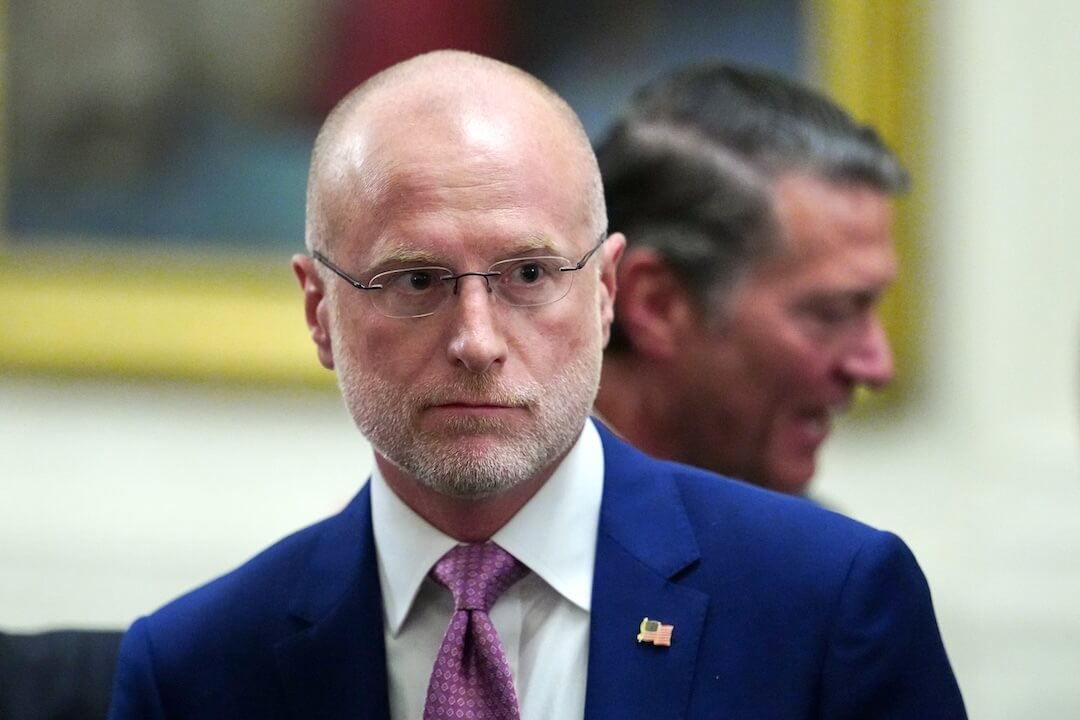
The friction between federal regulators and broadcast media intensified dramatically when FCC Chair Brendan Carr issued a public warning on social media. Carr cautioned broadcasters that airing what he characterized as “Fake Polls and Suppression Polls” could directly violate their regulatory obligations, potentially jeopardizing their federal broadcast licenses.
While Carr did not name specific networks or polls in his initial directive, the warning coincided with a major scandal involving Wedgewood Polls. The newly launched polling firm publicly acknowledged that it had fabricated a series of political surveys as part of a purported “social experiment” designed to expose vulnerabilities within the polling aggregation industry. These fabricated surveys had successfully infiltrated mainstream news coverage and major polling aggregators before suspicious data patterns led to their rapid removal.
Invoking federal prohibitions against "news distortion" and "broadcast hoaxes," Carr argued that a "significant surge" of deceptive polls was being weaponized to manipulate voter turnout and enthusiasm. He asserted that media organizations were failing basic journalistic ethics by amplifying unscientific or entirely fictitious data without appropriate disclaimers.
The intervention immediately drew sharp rebukes from press freedom advocates. Seth Stern, chief of advocacy for the Freedom of the Press Foundation, argued that broadcasters maintain a clear First Amendment right to report on polling data, even when those figures ultimately prove inaccurate. Democratic FCC Commissioner Anna Gomez similarly pushed back against the agency’s posture, noting that establishing a violation of the FCC’s news distortion policy requires demonstrating a "deliberate misrepresentation of something of significant importance"—a threshold that inaccurate or flawed polling data rarely meets.
The Meta Privacy Verdict
In the legal and technology sectors, a New Mexico state court handed down a historic penalty against Meta. A jury found the tech giant liable for 43 million violations of state consumer protection laws stemming from its deceptive data privacy practices tied to the infamous Cambridge Analytica scandal. Presiding judges characterized Meta’s actions as a "systematic pattern of deception at the core of Facebook’s business model." The resulting $25 billion fine dwarfs previous federal settlements, including Facebook’s record-setting $5 billion penalty with the Federal Trade Commission (FTC) in 2019, establishing a potential blueprint for aggressive state-level litigation against major technology firms.
The Erosion of Editorial Independence at Christianity Today
Within the specialized publishing sector, Christianity Today—founded in 1956 by prominent evangelicals including Billy Graham—faced a devastating internal crisis. Over a 14-month period, the magazine lost more than half of its staff through a combination of layoffs and high-profile resignations. Departing journalists and editors publicly accused executive leadership, specifically CEO Nicole Massie Martin and COO Thomas Addington, of systematically undermining editorial independence in response to financial pressures and reputational anxiety. Former staffers alleged that leadership intervened to soften investigative reporting, delay sensitive stories involving financially linked faith-based organizations, and appease external donors, ultimately gutting the publication’s investigative reporting capacity.
Supporting Context & Metrics
The convergence of these events occurs against a backdrop of stark statistical and structural realities within both the regulatory sphere and the publishing industry:
- $25 Billion: The unprecedented penalty ordered against Meta by a New Mexico judge for consumer privacy violations, representing one of the largest corporate fines in U.S. history.
- 50% Staff Reduction: The scale of the talent exodus at Christianity Today over a 14-month span, leaving the historic publication with zero full-time writers and a minimal editing staff.
- 31% Approval Rating: A notable metric from a Reuters/Ipsos poll released amid intense White House scrutiny over polling accuracy, highlighting historically low public approval figures during a presidential term.
- 80% Isolated Communities: The proportion of Alaskan communities disconnected from the official road system, forcing regional newsrooms to rely on innovative cooperative networks and pooled resources to cover remote campaign trails.
- 43 Million Violations: The specific number of consumer protection law breaches attributed to Meta by the New Mexico jury, underscoring the massive scale of data privacy infractions.
Official Statements & Legal Arguments
The ideological battle lines over media independence, regulatory authority, and free speech have generated significant public commentary from key institutional figures:
- Brendan Carr, FCC Chair: Emphasizing the agency’s enforcement mandate, Carr stated:
"The FCC takes these issues seriously. Broadcasters are prohibited by the terms of their federal licenses from engaging in News Distortion or promoting Broadcast Hoaxes. It is important that broadcasters comply with their public interest obligations."
- Seth Stern, Freedom of the Press Foundation: Criticizing the regulatory overreach, Stern remarked:
"FCC policies about hoaxes and distortions must be applied narrowly to avoid clashing with the Constitution, if they can be constitutionally applied at all. The law under which the FCC operates expressly prohibits censorship and meddling with free speech."
- Anna Gomez, FCC Commissioner: Addressing the broader political climate surrounding the commission and its actions against media networks like ABC, Gomez noted:
"I have never seen an FCC that’s less independent than this FCC. Clearly everything is at the direction of the White House, and that’s really problematic… Capitulation breeds capitulation, but courage inspires courage."

- Bonnie Kristian, Former Deputy Editor at Christianity Today: Reflecting on the cultural and leadership shifts within the evangelical magazine, Kristian wrote:
"Christianity Today has an increasingly muddled sense of its place within American evangelicalism and a C-suite that exhibits discomfort with, disinterest in, and sometimes even distaste for journalists and our work… leadership increasingly driven by fear, by the kind of anxiety about reputational and financial loss that makes bold, interesting, principled journalism very difficult."
Future Outlook
As these concurrent storylines develop, the long-term implications for journalism, technology governance, and federal regulation remain profound.
In the realm of broadcast regulation, the ongoing legal battles—exemplified by ABC and Disney’s federal lawsuit challenging the FCC’s early license renewal reviews—will likely serve as a crucial constitutional test. Should federal courts rule that the FCC’s aggressive postures on news distortion and polling oversight infringe upon First Amendment protections, it could permanently curtail executive agency leverage over broadcast licensees. Conversely, a judicial endorsement of the FCC’s warnings could fundamentally alter how newsrooms vet, contextualize, and broadcast political data during electoral cycles.
At the same time, the aggressive enforcement of state-level consumer protection laws against tech giants like Meta points toward a decentralized regulatory future, where individual states increasingly step into enforcement vacuums left by federal agencies. This trend is mirrored in the publishing industry, where traditional institutions must navigate severe economic contractions without compromising the editorial independence vital to their public trust.
Ultimately, the resource-sharing models pioneered by news cooperatives in regions like Alaska may offer a pragmatic blueprint for the broader journalism industry. As newsrooms face mounting financial pressures, political scrutiny, and regulatory crosswinds, the survival of independent journalism will increasingly depend on structural collaboration, legal resilience, and an unwavering commitment to constitutional press freedoms.