

Executive Overview
A quarter of a century after the tragic events of September 11, 2001, reshaped the geopolitical landscape and ignited a wave of anti-South Asian and anti-Arab sentiment across the United States, a distinct and insidious brand of racism has taken root. Historically, the immediate backlash following the 2001 terrorist attacks was fueled by acute physical fears—erroneous assumptions regarding national security, sudden panic over potential hijackings, and violent retributions directed at individuals based on their attire or physical appearance. Today, however, sociological data and civil rights advocacy organizations reveal that anti-South Asian sentiment has reached levels comparable to that post-9/11 era, yet its core driver has fundamentally evolved.
The modern manifestation of anti-South Asian hate is less about physical terrorism and far more about deep-seated economic and cultural anxiety. Driven by economic uncertainties within major sectors like information technology, tightening labor markets, and the aggressive amplification of the "Great Replacement Theory" by political figures and media commentators, contemporary prejudice portrays South Asians not as security threats, but as cultural and economic usurpers. From political maneuvers targeting H-1B visa programs to online campaigns labeling immigrants as "job thieves," and from harassment in grocery stores to resistance against cultural celebrations, the modern landscape of discrimination poses profound questions regarding integration, xenophobia, and the preservation of the American dream.
Detailed Chronology: From Post-9/11 Retaliation to Economic Nationalism
To understand the current climate of hostility, one must examine the shifting trajectory of xenophobic rhetoric in America over the past twenty-five years.
The 2001 Paradigm: Security Panic and Retaliatory Violence
In the immediate wake of the September 11 attacks, South Asian, Sikh, Arab, and Muslim Americans found themselves on the front lines of public grief and misplaced vengeance. Innocent community members faced widespread harassment, vandalism, and, in some tragic instances, murder. The narrative was predominantly structured around national security and fear of physical violence. Public figures, including President George W. Bush, were forced to make explicit public appeals condemning hate crimes and clarifying that the nation’s struggle was against terrorism, not Islam or people of Middle Eastern and South Asian descent. During this era, many South Asians sought to display patriotism explicitly—often carrying American flags—to affirm their belonging.
The Shift Toward Economic Anxiety (2020–2025)
As decades passed, the primary friction point shifted from national security to the globalized economy. By the mid-2020s, structural shifts in the tech industry—marked by massive layoffs at tech giants and a tighter job market for white-collar professionals—created fertile ground for scapegoating.
Political discourse capitalized on these vulnerabilities. The administration of President Donald Trump introduced aggressive policy proposals, including a massive fee on H-1B visas designed to curb the hiring of highly skilled foreign professionals. Because Indian and other South Asian nationals comprise the majority of H-1B visa recipients, particularly in the tech sector, they became the direct target of economic grievances.
The 2026 Flashpoints: Cultural Clashes and Political Margins
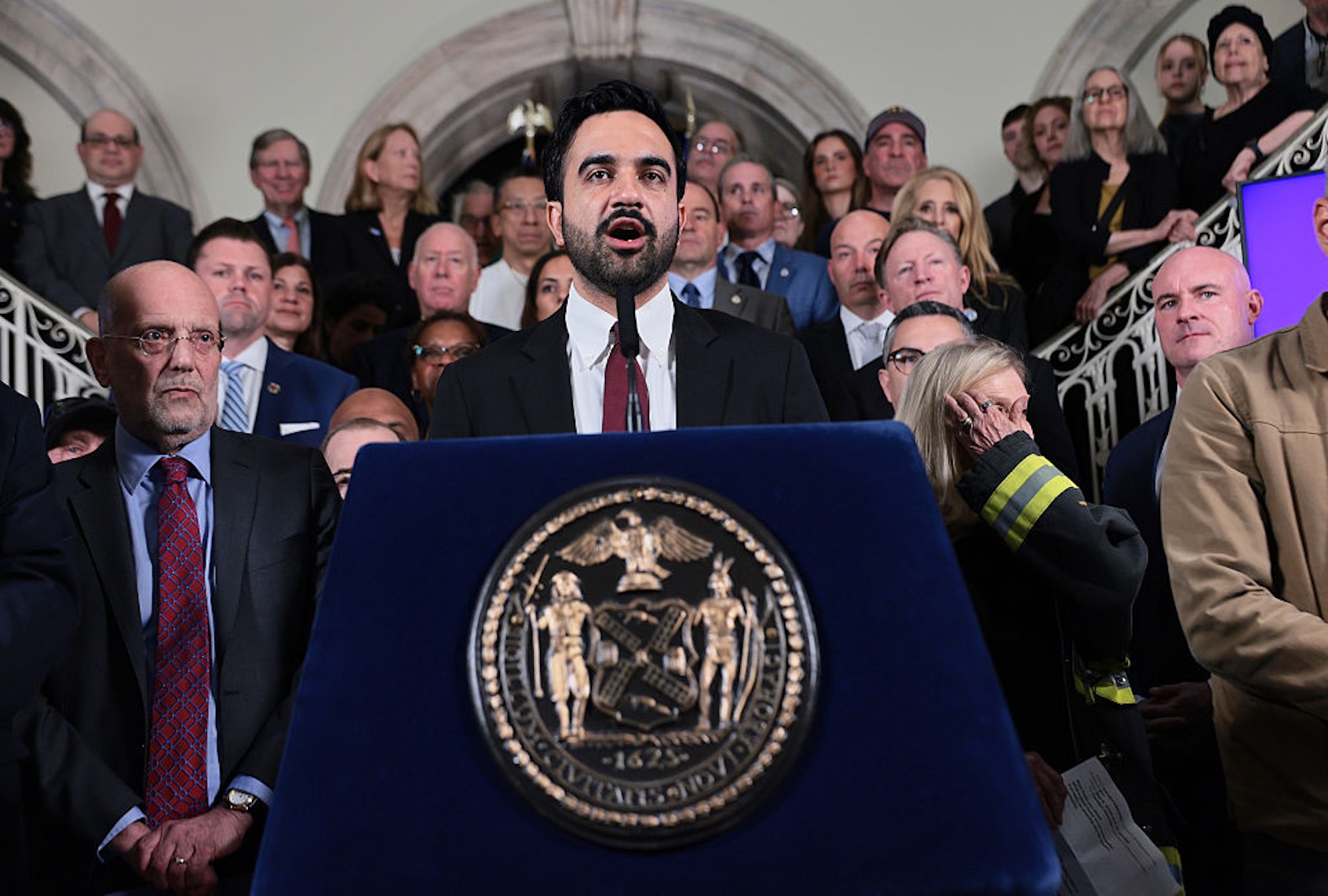
By September 2026, twenty-five years after the 9/11 attacks, tensions boiled over into mainstream civic life. This was starkly illustrated when over 100,000 individuals signed a petition demanding that New York City Mayor Zohran Mamdani—the city’s first Muslim mayor—be barred from attending the official 9/11 remembrance ceremony at Ground Zero.
Simultaneously, regional conflicts erupted across the United States. Cultural events, such as secular Indian dance performances in North Texas, faced coordinated racist backlash, while routine public outings at grocery stores were recorded by antagonists framing demographic shifts as an "invasion." The battleground had decisively moved from airports and security checkpoints to suburban neighborhoods, corporate boardrooms, and digital platforms.
Supporting Context & Metrics: Quantifying the Rise in Prejudice
Data collected by civil rights organizations and law enforcement agencies paint a sobering picture of how rapidly anti-South Asian sentiment has escalated in recent years.
- Surge in Slurs and Harassment: According to reports published by Stop AAPI Hate, anti-South Asian slurs—both online and in-person—surged by 109% between 2023 and 2025.
- Digital Vitriol: An analysis of online discourse on platforms such as X (formerly Twitter) revealed that racist posts targeting Indians with the trope of being "job thieves" accumulated hundreds of millions of views over a brief three-month window in 2025.
- FBI Hate Crime Statistics: Data analyzed by Asian Americans Advancing Justice indicated that hate crimes targeting Hindus, Sikhs, and Buddhists spiked to the highest levels ever recorded by the FBI in 2025. Victims were frequently subjected to religious bigotry, falsely accused of following paganism, or hit with bizarre, unfounded conspiracy theories.
- Widespread Community Impact: A comprehensive report released by Stop AAPI Hate in September 2026 highlighted that roughly 55% of South Asians surveyed reported that they, or someone they personally knew, had experienced anti-immigrant prejudice or felt the direct impact of discriminatory policies. A subset of community members has even begun weighing the prospect of returning to South Asia to escape the hostile political climate.
Official Statements and Sociopolitical Rhetoric
The mainstreaming of these hostile attitudes has been heavily catalyzed by political rhetoric from national leaders and media figures who leverage demographic and economic anxieties.
The popularization of the Great Replacement Theory—the false conspiratorial narrative alleging that white populations are being systematically replaced by non-white immigrants for electoral gain—has played a pivotal role. Elements of this theory have been recurrently echoed by prominent political figures, including former President Donald Trump, White House Deputy Chief of Staff Stephen Miller, and high-profile media commentators such as Tucker Carlson and Laura Ingraham.
Furthermore, explicit rhetoric from national leaders has denigrated immigrant-sending nations. Former President Trump publicly characterized countries like China and India as "hellholes" whose immigrants allegedly fail to integrate into American society. Such statements validate underlying biases, transforming structural economic frustrations—such as inflation, corporate downsizing, and housing costs—into personalized animus against visible minority groups.
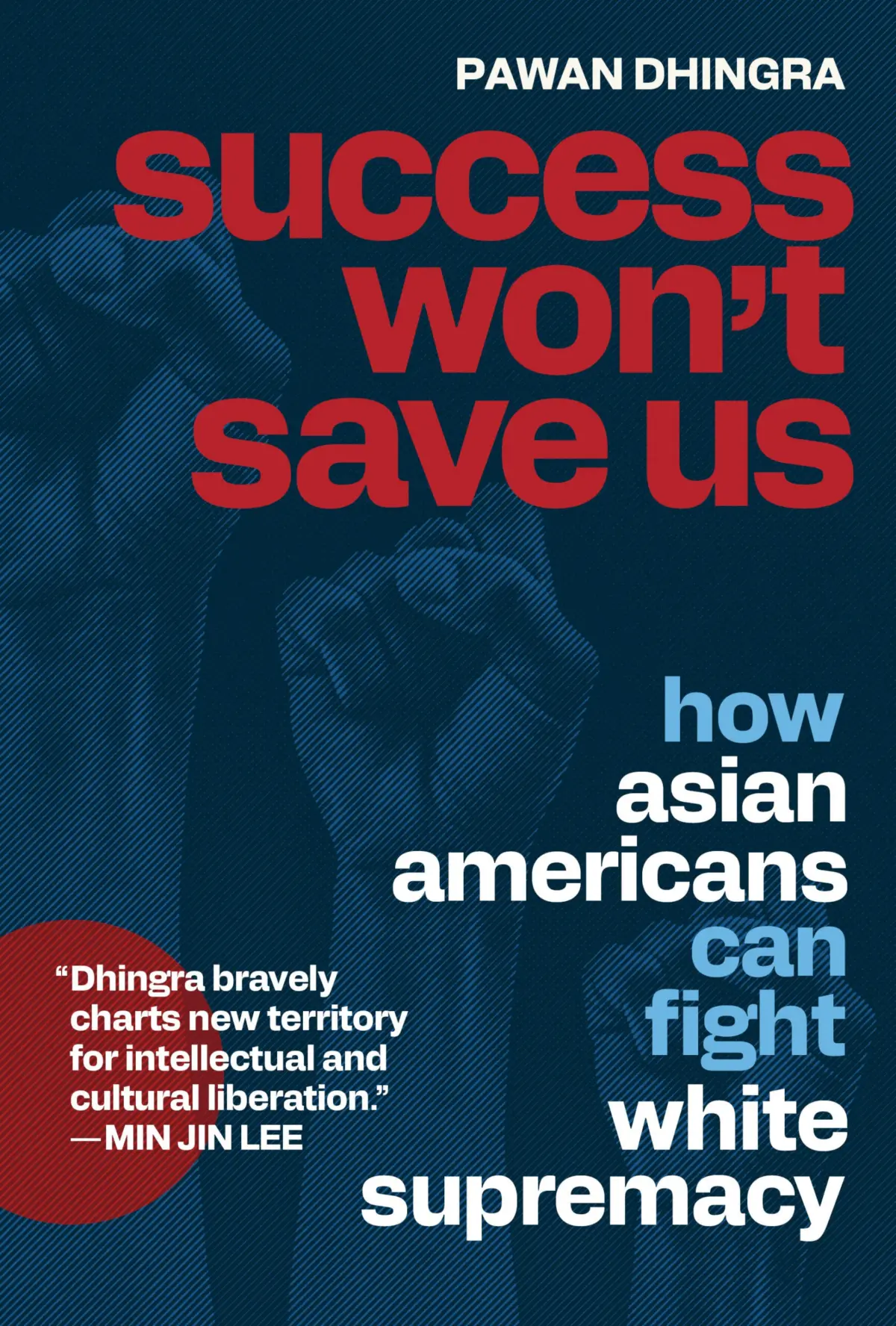
As noted by scholar and author Pawan Dhingra in his research on anti-Asian racism:
"Such anger stems from more than the fear of a physical attack. It stems from the fear of having one’s way of life replaced."
This cultural insecurity transcends religious lines. While Muslim Americans face persistent suspicion regarding loyalty and radicalism, Hindu, Sikh, and secular South Asians are similarly targeted under the broad umbrella of an alleged "takeover" of American values, suburban housing markets, and local institutions.
Future Outlook: Pathways Forward and the Burden of Education
As the United States reflects upon the twenty-fifth anniversary of September 11, the mandate to protect communities from violence and discrimination is more critical than ever. However, scholars and civil rights advocates argue that the traditional methods of combating hate—such as demanding that minority communities continuously prove their loyalty or assimilate further—are no longer effective or fair.
1. Shifting the Burden of Education
Historically, Asian Americans have borne the burden of educating the broader public about their histories, contributions, and humanity. Experts argue that this dynamic must change. Asian Americans should not be solely responsible for dismantling misconceptions born out of economic insecurity.
2. Grounding Public Understanding in Local History
To counter the panic over demographic and economic shifts, non-Asian Americans must engage with their own local histories. Understanding how regional job markets, neighborhoods, and industries have naturally evolved over decades can demystify economic changes. Recognizing that immigration has historically driven job growth, innovation, and neighborhood vitality helps contextualize shifts that might otherwise feel threatening.
3. Allyship and Interpersonal Intervention
Ultimately, curbing this new wave of prejudice requires proactive intervention from non-Asian Americans. When friends, family members, or colleagues voice xenophobic tropes—such as blaming immigrants for corporate layoffs or cultural changes—it is incumbent upon peers within the majority culture to challenge those narratives.
As communities gather each September to remember the victims of historical tragedies, the enduring lesson of the past twenty-five years must be one of proactive prevention. Protecting the social fabric of the United States requires confronting the root causes of hatred: not foreign threats or cultural takeovers, but internal anxieties that demand honest reflection, structural empathy, and collective accountability.
