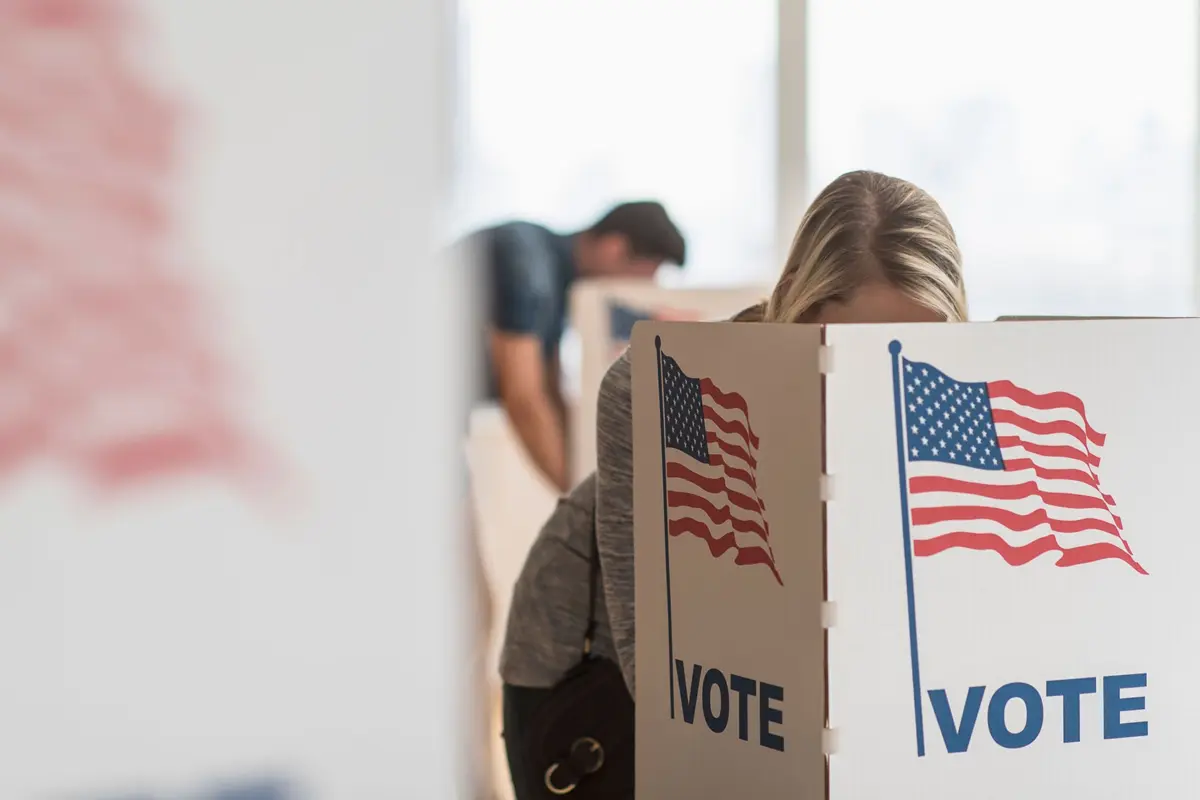
For decades, the political archetype of the American working-class voter was cast in a specific mold: a white man in a hard hat, operating machinery in a rust-belt factory or driving an 18-wheeler down a desolate interstate. Political campaigns from both major parties spent billions of dollars tailoring messaging to this traditional blue-collar demographic, leaving a massive, highly diverse population completely sidelined from the national discourse.
Today, that outdated stereotype has shattered. Driven by sweeping demographic shifts and structural changes in the modern economy, the American working class is increasingly female, racially diverse, and concentrated in the service, retail, and care sectors. Nearly half of all working-class Americans without a college degree are women, and women occupy roughly two-thirds of the nation’s lowest-paying jobs.
As the United States approaches a critical midterm election cycle, this evolving demographic has become the ultimate political prize. Following years of economic turbulence—marked by inflation, soaring grocery and housing costs, a widening gender wage gap, and unstable post-pandemic labor markets—working-class women are demanding candidates who reflect their lived realities. Increasingly, political analysts and strategists believe that female candidates with authentic working-class backgrounds may hold the exclusive key to capturing these highly contested, disillusioned votes.
Detailed Chronology: The Shift in Political Alignment and Economic Realities
To understand the current political landscape, one must examine how the allegiance of the working-class voter has shifted over the past twenty years, and how economic pressures have forced a reckoning among both Democrats and Republicans.
Mid-2000s: The Democratic Party enjoyed a commanding 14-point advantage among voters without a college degree. During this era, traditional labor unions and industrial workers formed the bedrock of the party’s coalition.
2016 Presidential Election: Republican nominee Donald Trump fundamentally disrupted the political map by appealing directly to working-class anxieties, promising a restoration of manufacturing jobs and stable middle-class stability. Social inequality experts like Joan C. Williams noted that Trump’s "straight talk" resonated deeply with voters who felt alienated by elite, college-educated coastal liberals. Despite this, White working-class women heavily favored Trump over Hillary Clinton by a 27-point margin, demonstrating that economic class and cultural alignment often trumped gender solidarity.
2024 Presidential Election: The Republican advantage among non-college-educated voters solidified further, with working-class voters favoring Trump by a 14-point margin overall. However, deep divisions persisted along gender and racial lines. Outside of White women, every racial subgroup of working-class women strongly favored the Democratic ticket, highlighting a profound fracture within the broader working-class coalition.
2025–2026 Midterm Cycle: Following a second Trump term dominated by foreign conflicts and aggressive tariff policies that drove up consumer prices rather than stabilizing trade, economic disillusionment began to take root even among his strongest base: white working-class voters. Polling data revealed that a plurality of self-described working-class adults now expect progressive Democrats to best represent their financial interests, creating a massive strategic opening for the upcoming midterms.
Supporting Context & Metrics: Redefining the Working Class
The disconnect between political campaigns and actual voters largely stems from outdated definitions of labor. According to Valerie Wilson, a labor economist at the Economic Policy Institute, the traditional definition of a working-class worker—measured by educational attainment of less than a bachelor’s degree—now encompasses millions of women, many of whom are people of color.
When working class is measured by wage levels rather than education, the reality is even starker. Women make up roughly two-thirds of the 40 lowest-paid occupations in the United States.
[Traditional View]                [Modern Reality]
- White Man in Hard Hat           - Diverse Service-Sector Workforce
- Factory / Construction          - Retail, Healthcare, & Care Workers
- Hyper-Focused Political Pander  - Majority Women & People of Color
Furthermore, economic indicators over the past two years have highlighted the precarious financial standing of working-class women:
The Gender Wage Gap: After decades of steady closing, the gender pay gap actually widened over the past two years for the first time since the 1960s.
Cost of Living Pressures: Women, who perform the vast majority of household consumer purchases, have absorbed the brunt of inflationary pressures. Grocery, utility, and childcare costs have skyrocketed, with single mothers frequently reporting that childcare expenses outweigh potential earnings from re-entering the workforce.
Healthcare Burdens: Families across the country face debilitating out-of-pocket medical expenses. For many working-class service employees, skyrocketing health insurance premiums and deductibles mean that a single family medical emergency can push them to the brink of financial ruin.
Official Statements and Voices from the Ground
The push to elevate working-class women from the sidelines of politics to the center of legislative campaigns is being championed by candidates and advocacy groups nationwide.
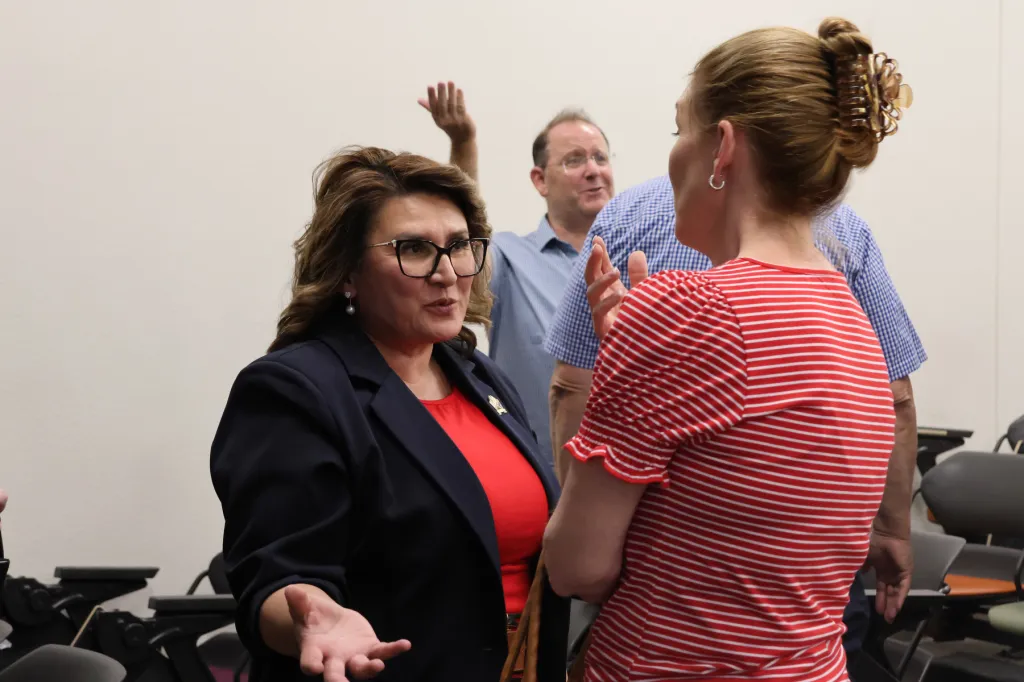
JoAnna Mendoza, a single mother, Marine Corps veteran, and congressional candidate for Arizona’s 6th congressional district, embodies this new wave of political leadership. Growing up in a family of farmworkers in Eloy, Arizona, Mendoza spent 20 years in the military due to a lack of local economic opportunity. Today, she speaks bluntly about the financial realities facing modern households.
"Can Democrats just be normal and not have to use $50 words to talk to people?" Mendoza asked during a recent campaign trail interview. Having spent two decades in the military, she argues that authentic communication resonates far better than polished political jargon. "The majority of women are what I like to call the chief financial officers of their families, and they’re sitting here trying to figure out how they’re going to make ends meet."
Jessica Mackler, president of Emily’s List—an organization dedicated to electing Democratic women who support abortion rights—emphasized that recent polling underscores the desperate need for relatable leadership:
"It was very clear based on that research that driving wins in this environment, in this economy, was really going to hinge on putting leaders in front of voters who truly get it, truly understand their struggles," Mackler stated. "And the reason for that is because the depth and breadth of people’s financial struggle is really stark."
Voters themselves echo this sentiment of profound exhaustion. Jenny Cook, a special-needs paraprofessional in Oakdale, Minnesota, who lives paycheck-to-paycheck and relies on selling items online or donating plasma to stay afloat, notes that most politicians are fundamentally disconnected from the daily volatility of poverty.
"I always feel like one crisis away from everything falling apart," Cook said, recalling the immense stress of trying to manage household appliances breaking down during freezing winters while navigating low wages. When candidates share those lived experiences—such as relying on public housing or renting—it bridges a massive trust gap.
Roxy Hoda, a hospitality worker at Target Field in Minnesota and a mother of two, highlighted healthcare costs as her primary burden, noting that her family’s insurance expenses have tripled in two years. For Hoda, political affiliation matters less than empathetic representation: "We just need to know that you understand and you relate, and you’re with us and you’re fighting."
Future Outlook: A Litmus Test for American Politics
As the 2026 midterm elections draw closer, both the Democratic and Republican parties face a high-stakes litmus test regarding how they engage the modern working class.
For Democrats, recruiting and elevating working-class women candidates—such as flight attendants, paraprofessionals, military veterans, and service workers—represents a strategic pivot away from elite, technocratic messaging toward raw, lived experiences. Figures like Kaela Berg in Minnesota demonstrate the viability of candidates who campaign directly from union halls, airport terminals, and kitchen tables.
However, winning back working-class voters requires more than just symbolic representation. Experts warn that voters who have experienced chronic economic instability will demand concrete legislative action on affordable housing, universal childcare, wage equity, and healthcare reform.
If political parties successfully adapt their platforms to address the realities of the diversifying, female-led working class, it could fundamentally realign American politics for the next generation. If they fail, they risk deepening the profound voter apathy and disillusionment currently sweeping through America’s working-class neighborhoods. One thing is certain: the era of ignoring the millions of women driving the American economy is officially over.