Originally published in Rolling Stone, October 25, 2001. Enriched and expanded historical retrospective.
Executive Overview
In the immediate aftermath of the terrorist attacks on September 11, 2001, the boundaries separating ordinary citizens, off-duty professionals, and first responders evaporated in the choking dust of Lower Manhattan. Among the thousands drawn inexorably toward the site of the collapsed World Trade Center towers was Jay Comella, a seasoned 12-year veteran of the Oakland Fire Department. Visiting New York City to extend a personal trip, Comella found himself thrust directly into history’s most devastating urban rescue and recovery operation.
Comella’s journey—from a hesitant taxi ride up Broadway moments after the collapse of the second tower to grueling, 17-hour shifts sifting through the smoldering wreckage of "The Pile"—captures the visceral reality of that fateful autumn day. Operating far from his West Coast base, Comella labored alongside the Fire Department of New York (FDNY) to unearth civilians, recover fallen comrades, and confront an unprecedented theater of destruction. This retrospective examines the logistical nightmare of the World Trade Center site, the staggering loss suffered by elite units like Squad 18, and the psychological toll exacted on the firefighters who refused to leave the mountain of steel and ash until every fallen brother was accounted for.
Detailed Chronology: September 11 and Its Immediate Aftermath
The Rush to the Fireline: 10:28 AM and Beyond
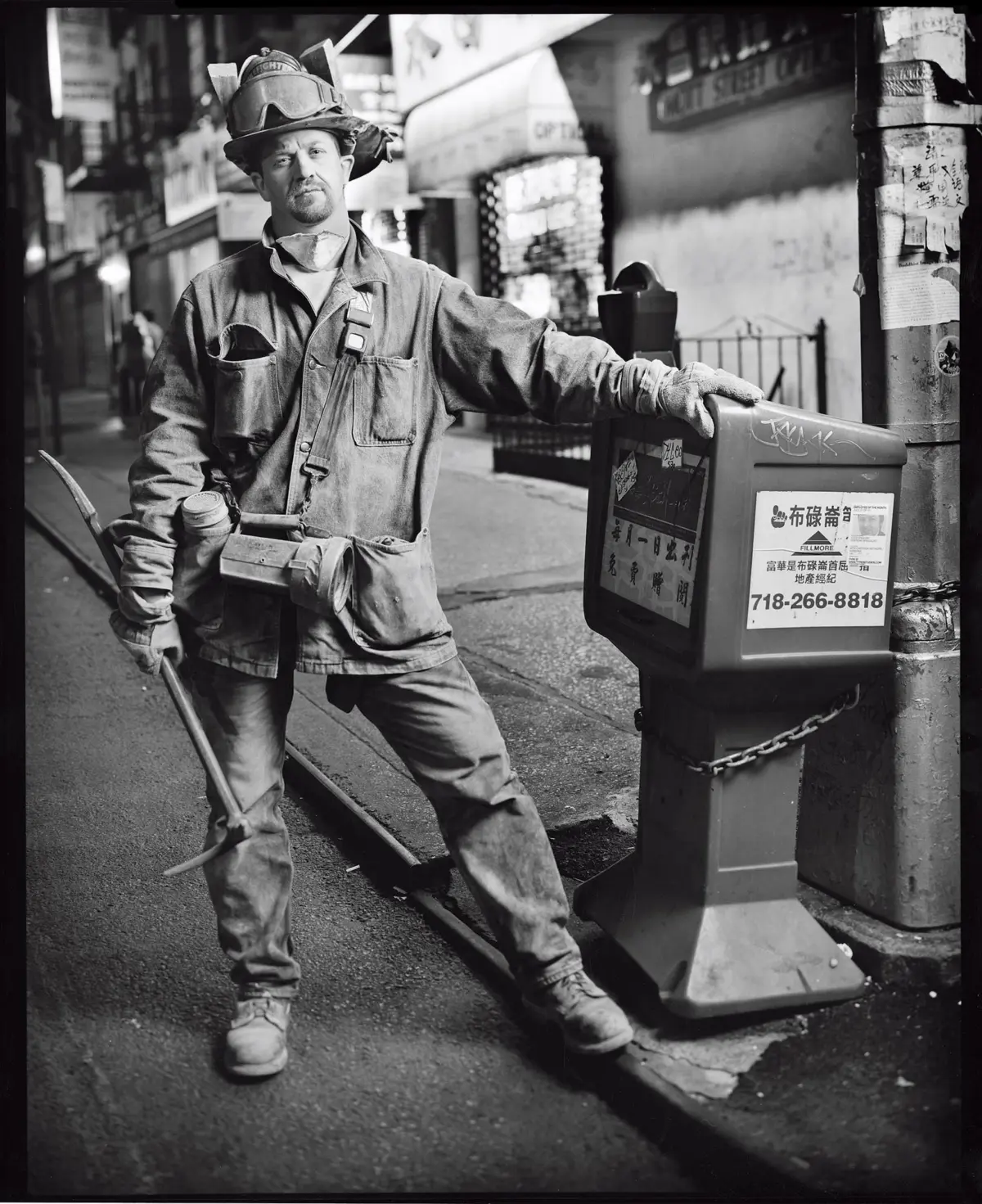
At 10:28 a.m. on September 11, 2001, the second tower of the World Trade Center collapsed, sending a tremor through Lower Manhattan and freezing the city in paralyzed disbelief. Moments later, near Twelfth Street and Broadway, a skittish cab driver rolled down his window to size up a man standing on the corner—wearing running shoes, sporting a deep tan, and wearing a Vandyke beard.
"I’ll take you uptown, but I’m not going anywhere near downtown," the driver warned, anticipating further chaos.
"I’m a fireman," Jay Comella replied. "Can you get me as close as you can?"
Hesitating as a boiling plume of smoke and fire billowed against the pure blue sky, the driver relented. "All right. OK. Get in."
For Comella, the journey to Ground Zero was a convergence of fate, luck, and lineage. Hailing from a proud family of firefighters that stretched back to 1928—including his father, uncle, and grandfather—Comella was accustomed to danger, but nothing in his twelve years in Oakland prepared him for this. He was in New York only because he had extended his stay to visit his girlfriend, Jill Fagin, a home-furnishings designer whose shop sat just two miles from what would become Ground Zero.
Arriving at Canal Street, where the driver refused to proceed further, Comella disembarked and walked south on West Broadway. Surrounding him were burning police cars, delivery vans, postal trucks, and even an abandoned fire engine. Encountering a team of FDNY firefighters struggling to advance a massive two-and-a-half-inch attack line—capable of pumping 266 gallons of water per minute—Comella instinctively jumped onto the hose, helping his New York counterparts force their way through the carnage toward the smoking ruins.
Combing The Pile: Finding Life in the Ruins
Comella eventually made his way to the treacherous chasm between the World Trade Center and the World Financial Center, navigating the wreckage of a pedestrian bridge that had collapsed during the second tower’s fall.
He immediately joined the grueling task of surface recovery. Amid the shattered concrete and twisted iron, firefighters quickly located two surviving civilians—a man and a woman covered in thick, grey soot. Placed onto lightweight stokes baskets, both appeared lifeless until they moaned and shifted, miraculously battered but alive.
Then came the grim search for the missing command staff. An FDNY command post outside the World Financial Center atrium had been crushed by falling debris, claiming some of the department’s highest-ranking leaders: First Deputy Fire Commissioner William Feehan (a 42-year veteran), Chief of the Department Peter Ganci, Chief of Special Operations Ray Downey, and Department Chaplain Father Mychal Judge. Father Judge perished after removing his helmet to administer last rites to a fallen firefighter.
Using ladders to negotiate the steep, unstable steel mountain—a process reminiscent of mountaineers scaling the Khumbu Icefall on Mount Everest—Comella and fellow firefighters recovered the remains of Commissioner Feehan. Sliding his draped body into an ambulance, the oldest firefighter on the detail requested a momentary pause.
"Brothers, we need a prayer," he said, removing his helmet. "Commissioner Feehan, you did your duty and we pray that we can do ours."
Supporting Context & Metrics: The Mechanics of High-Rise Collapse
The "Blitz Attack" and High-Rise Realities
To understand the unprecedented loss of life among the FDNY, fire safety experts point to the mechanics of the initial response, known internally as a "blitz attack" (radio call sign 1076). Retired Deputy Chief Vincent Dunn, a 43-year veteran and the department’s foremost authority on high-rise fires and structural collapses, explains the doctrine:
The Strategy: Mobilize a massive concentration of resources—four engine companies, four ladder companies, four battalion chiefs, a deputy chief, and a rescue squad—to aggressively attack a fire before it escalates.
The Execution: Firefighters ascend central stairwells, connect hoses to standpipes, and apply water while ladder companies search for trapped occupants.
The Thermal Reality: The fires were fueled by burning jet fuel, which burns as hot as kerosene—roughly twice the temperature of burning wood. While firefighters routinely combat kerosene-fed basement fires in city tenements, the sheer scale and elevation of the Trade Center blazes altered the equation entirely.
The Fatal Ascent
By the time the initial blitz attack forces mobilized, structural integrity had already been compromised. None of the World Trade Center elevators were operational, forcing firefighters to climb the stairs while burdened with 75 to 100 pounds of specialized gear, breathing apparatus, and tools.
Chief Dunn estimated that even the fittest firefighter would have required at least 50 minutes to reach the fire floors around the 80th story. Given the rate of structural degradation, none of the responders could have anticipated that the towers would pancake. Consequently, the first wave of responders was trapped deep within the stairwells when collapse occurred.
Official Statements and Institutional Impact
The Decimation of Squad 18
The tragedy struck particularly close to Jill Fagin’s Greenwich Village neighborhood, home to the quarters of Squad 18 on West Tenth Street. On September 11, the unit lost seven men: Lieutenant Billy McGinn and firefighters Eric Allen, Manny Mojica, Andy Fredericks, Larry Virgilio, Dave Halderman, and Timmy Haskell.
Andy Fredericks, a close friend of Comella, was widely recognized as a visionary in engine-company operations. A prolific writer, instructor, and lecturer, Fredericks dedicated his career to advancing firefighter safety. His loss, alongside his comrades, left an unhealable void in the firefighting community.
"He’s not here," said Battalion Chief Ted Corporandy of the San Francisco Fire Department, reflecting on Fredericks. "I’ve not only lost a friend, but the fire service has lost a visionary, a genius."
The Unending Shift
As the days bled together, the character of the recovery operation shifted from hopeful rescue to solemn retrieval. By Friday night, September 14, workers penetrated the remaining core stairwell of the North Tower, recovering numerous bodies in rapid succession.
External support flooded into the city. One hundred members of the Chicago Fire Department arrived alongside urban search-and-rescue teams from Sacramento and Los Angeles, deployed via military C-5 transport planes escorted by fighter jets.
Despite the influx of manpower, the human toll remained staggering. More than 300 firefighters remained unaccounted for, transforming local firehouses into impromptu shrines draped in flowers, candles, and heartfelt notes from grieving neighbors.
Future Outlook: A New Era of Resilience
By the weekend, as Jay Comella debriefed over coffee with Jill Fagin and members of the press, the physical and psychological toll was unmistakable. His eyes were inflamed from smoke, his hands trembled from exhaustion, and his mind grappled with the surreal juxtaposition of returning to a quiet Manhattan cafe while the grim work at Ground Zero continued uninterrupted.
Yet, amid the devastation, small acts of spiritual endurance sustained the recovery workers. Priests walking the perimeter handed out small white cards bearing "Mychal’s Prayer", written by the late Father Mychal Judge:
"Lord, take me where you want me to go. Let me meet who you want me to meet. Tell me what you want me to say. And keep me out of your way."
Firefighters fastened these cards to their helmets with rubber bands—a poignant symbol of faith and duty.
The events of September 11, 2001, fundamentally altered American architecture, emergency response protocols, and national security paradigms. Buildings exceeding fifty or sixty stories would never again be viewed with casual indifference; parents, workers, and urban planners alike entered a new era characterized by heightened vigilance and solemn purpose. For Jay Comella and the thousands who stood on The Pile, the mission was absolute: to endure the unimaginable, honor the fallen, and reclaim their broken brothers from the dust of history.