


Executive Overview
The contemporary media landscape is undergoing a profound and often turbulent structural evolution. Across television newsrooms, late-night platforms, and digital subscription models, legacy institutions are navigating unprecedented internal friction, shifting political dynamics, and acute economic realities.
At the center of this storm are high-stakes transitions at flagship programs like CBS’s 60 Minutes, structural shocks in late-night television highlighted by the abrupt cancellation and Emmy-winning farewell of Stephen Colbert, regulatory clashes over political broadcasting involving ABC and the FCC, and major personnel shifts in NFL broadcast booths.
This comprehensive briefing analyzes these converging media trends, drawing on critical reception, industry metrics, insider accounts, and expert commentary to map the trajectory of the fourth estate.
Detailed Chronology: The Reimagined 60 Minutes Premiere
The Build-Up and Anticipation
The season premiere of CBS’s iconic investigative newsmagazine 60 Minutes arrived on Sunday amid an atmosphere of intense scrutiny. The broadcast marked the official debut of the program under the direction of new executive producer Nick Bilton and, more broadly, the overarching editorial vision of CBS News Editor-in-Chief Bari Weiss.
The preceding months had been defined by profound tumult within the network—including high-profile departures, fresh hires, and controversial summer firings. Compounding the backstage drama were persistent accusations from critics and media watchers that Weiss intended to inject ideological bias or alter the traditional reporting standards of the franchise.
Critical Breakdown of the Premiere
When the lights finally went up on Sunday evening, media critics dissected every segment. Ultimately, the consensus among industry observers was that the broadcast closely mirrored historical iterations of 60 Minutes, delivering a solid, respectable, albeit largely conventional premiere.
- The New York Times: Michael M. Grynbaum and Benjamin Mullin noted that "for all the Sturm und Drang that has surrounded ’60 Minutes’ since the arrival of CBS News’s high-profile editor in chief, Bari Weiss, the version of America’s most watched news program that returned to CBS on Sunday looked a lot like the show viewers have come to expect."
- The Washington Post: Scott Nover observed that "despite the summer’s chaos, Sunday’s premiere showed no immediate ideological transformation, no vibe shift, no gross signs of departure from the ’60 Minutes’ that’s graced the airwaves for decades."
- Variety: Brian Steinberg concurred, writing that the program "relied on many elements from the program’s past," featuring stories that "any longtime viewer might expect."
Segment Analysis and Internal Dissent
The structural framework of the evening adhered to the program’s standard three-segment format:
- Norah O’Donnell’s Military Feature: O’Donnell reported on the high-stakes rescue of an Air Force colonel whose plane was shot down over Iran the previous April. The segment also featured interviews with Chairman of the Joint Chiefs of Staff Gen. Dan Caine and Defense Secretary Pete Hegseth.
- Lesley Stahl’s Hidden-Camera Exposé: Stahl utilized undercover cameras to investigate predatory middlemen charging exorbitant fees to pitch presidential pardons. Critics widely praised this segment as a return to form for the franchise’s classic accountability journalism.
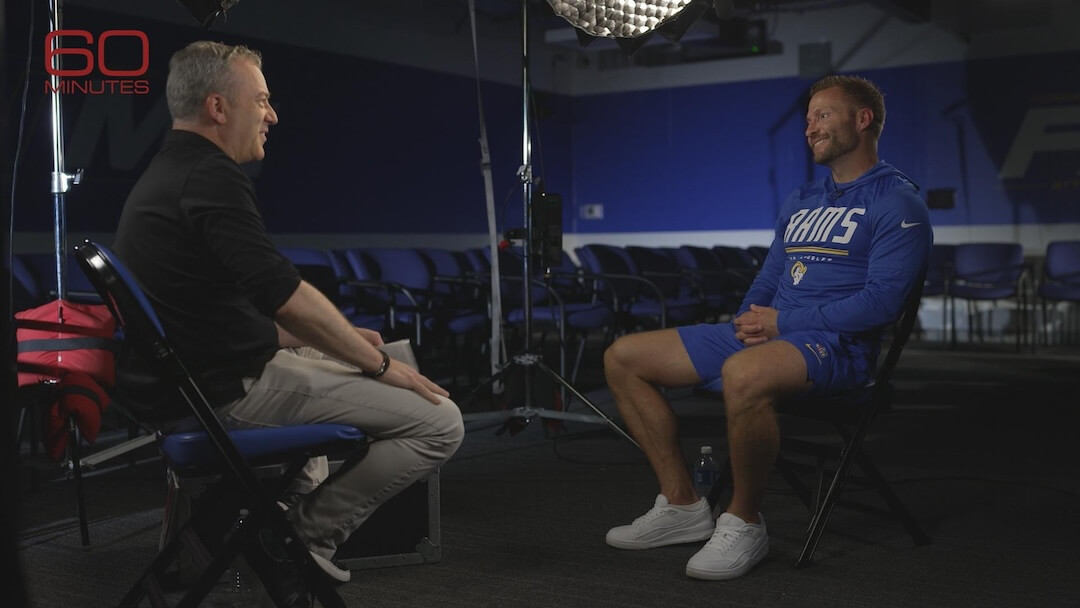
- Jon Wertheim’s Sports Feature: Wertheim closed the broadcast with a profile on the Los Angeles Rams, early favorites for the Super Bowl.
Despite the traditional structure, the premiere triggered fierce internal dissent and external debate, centered primarily on the Iran rescue segment and the interview with Defense Secretary Hegseth. Detractors criticized the piece as overly militaristic during a period of an unpopular conflict, pointing out that the interview lacked probing questions concerning the broader strategic status of the war.
Media reports revealed deep divisions within the network. Zeteo media columnist Justin Baragona quoted an unnamed CBS News staffer who lamented, "Norah absolutely willing to play the part of dimwit reporter used as a propaganda tool." Another senior staffer went further, telling Baragona, "The show is dead. We’re just looking at some Frankenstein of bits sewn together of mismatched pieces."
Conversely, other analysts defended specific elements of the broadcast. Oliver Darcy of Status highlighted the interview as "unquestionably riveting," though he noted that the exclusive access raised eyebrows regarding Pentagon relations. According to Darcy and sources familiar with the arrangement, Bari Weiss personally secured the interview with assistance from Jennifer Hegseth—Defense Secretary Hegseth’s wife, a former Fox News producer turned de facto Pentagon adviser. This developing rapport between Weiss and Jennifer Hegseth has reportedly been instrumental in securing high-profile administration bookings for the network.
Supporting Context & Metrics: Viewership and Industry Recognition
Ratings and the NFL Lead-In
While official Nielsen ratings historically take time to process, preliminary indicators suggested strong viewership for the 60 Minutes season opener. The program entered its 59th season averaging roughly 9.1 million viewers. Sunday’s broadcast benefited enormously from a coveted scheduling advantage: it immediately followed the first full Sunday slate of NFL football games of the season, historically television’s most reliable audience booster. Furthermore, industry analysts anticipated a "curiosity bump" from viewers tuning in specifically to evaluate the editorial direction under Bilton and Weiss.
Poynter Leadership Awards in New York City
Amid the broadcast turbulence, the broader journalism community gathered in Manhattan last week for the Poynter Institute’s ongoing Salon Series, where prominent leaders in digital media were honored. Sarah Longwell, CEO and publisher of The Bulwark, and Nicholas Thompson, CEO of The Atlantic, received the prestigious Poynter "Make a Mark" leadership award.
Poynter President Neil Brown praised the honorees for their ability to combine journalistic rigor with financial viability:
"In the spirit of show rather than tell, we want to celebrate those who creatively tell stories or offer lively journalism that elevates conversation. Sarah Longwell and Nick Thompson masterfully produce work that makes us smarter and is financially successful because their audiences find it useful and enjoyable."
Brown noted that The Bulwark has evolved in just seven years into a vital enterprise encompassing news, opinion journalism, newsletters, and podcasts that sit at the center of modern political discourse. Similarly, he commended Thompson for steering The Atlantic into profitability as a multimedia powerhouse at the vanguard of digital relevance and award-winning magazine journalism.
The honorees join an elite roster of previous recipients, including Axios co-founder Mike Allen, News Not Noise founder Jessica Yellin, Local Investigations Fellowship Executive Editor Dean Baquet, and explanatory journalist Cleo Abram. Poynter announced that its Salon Series will continue next month in Kansas City, where veteran political journalist and podcast host Chuck Todd will be honored.
Official Statements & Regulatory Clashes: The YouTube-Exile Phenomenon
Jimmy Kimmel, James Talarico, and the FCC
The intersection of broadcast television, regulatory pressure, and digital media platforms reached a new flashpoint last week when ABC late-night host Jimmy Kimmel interviewed Texas Democratic U.S. Senate candidate James Talarico. Talarico is currently engaged in a high-stakes, hotly contested race against Republican Texas Attorney General Ken Paxton.
However, the interview was conspicuously absent from the broadcast version of Jimmy Kimmel Live!. Kimmel explained to his audience that network executives made the executive decision to pull the segment from public airwaves to avoid potential conflicts with the Federal Communications Commission (FCC) regarding equal-time regulations—despite the historical precedent that such rules rarely apply to late-night talk shows.
Rather than scrapping the segment, ABC exiled the interview to the show’s official YouTube channel. The maneuver backfired on traditional distribution strategies, sparking massive digital engagement. By Monday afternoon, the clip had accumulated over 9.5 million views. Media analysts noted the ironic parallel to a similar incident earlier in the year, when CBS similarly sidelined an interview between Stephen Colbert and Talarico, which also went on to clear 9.5 million views on YouTube.
In the viral video—titled "Jimmy Kimmel’s Interview with James Talarico That the FCC Doesn’t Want You To See"—Kimmel did not mince words regarding government pressure:
"We are being targeted by the FCC for the crime of interviewing political candidates. Even though for years we, and every other late-night talk show, have welcomed numerous candidates, including Donald Trump when he was running… (Trump’s) FCC has threatened me, threatened our show, threatened our network, ABC, our affiliates, our local stations, because they want to make our editorial decisions for us, which of course, we cannot accept."
Regulatory Pushback from the FCC
The move drew a public response from FCC Chair Brendan Carr. Taking to the social media platform X (formerly Twitter), Carr defended federal broadcasting statutes while directly addressing the political controversy.
In a detailed thread, Carr contrasted the equal-time handling of Texas Senator Ted Cruz’s recent appearance on ESPN’s College GameDay with Talarico’s media strategy, writing:
"This ties back to Talarico. He’s just running the same hoax he did a few months ago on Colbert for the purpose of getting clicks and donations—he’s banking on people not understanding the statute or operating as partisan lemmings."
Future Outlook: Late-Night Realities and NFL Booth Shuffles
Stephen Colbert’s Emmy Farewell
The volatile state of television was further underscored at the Emmy Awards on Monday night, where one of the evening’s most emotional ovations was reserved for Stephen Colbert. His acclaimed program, The Late Show with Stephen Colbert, won the Emmy for Best Variety Series despite having been canceled by CBS earlier in the year.
The series concluded its run in May after 11 seasons with Colbert at the helm (inheriting the legacy of David Letterman, who retired in 2015). In July 2025, CBS announced it was axing the show and retiring the Late Night franchise entirely, officially citing mounting financial losses. However, industry insiders and cultural critics widely debated whether the cancellation was accelerated by Colbert’s sharp, vocal critiques of corporate parent Paramount and its relationship with the Trump administration.
The victory came within a fiercely competitive field that included Saturday Night Live, The Daily Show, Last Week Tonight with John Oliver, and Jimmy Kimmel Live!.
The NFL Broadcast Booth: Watt Steps In
On the sports media front, the NFL’s opening weekend concluded with Monday Night Football between the Kansas City Chiefs and the Denver Broncos, capping a weekend dominated by major personnel shifts.
Most notably, former NFL defensive star J.J. Watt stepped into the analyst chair alongside play-by-play announcer Jim Nantz on CBS’s premier NFL broadcast team. Watt assumed the role after Tony Romo was placed on indefinite leave following a summer arrest for operating a vehicle while intoxicated. Persistent industry speculation suggests that CBS may use the incident to permanently remove Romo from the top broadcast team, potentially seeking an exit from his lucrative four-year, $72 million contract.
Reviews of Watt’s debut alongside Nantz were generally measured. Sam Neumann of Awful Announcing observed:
"Nobody who covers sports media for a living walked into Week 1 expecting Watt and Nantz to sound like Pat Summerall and John Madden. Competent was always going to be the realistic bar, and given everything that happened at CBS this summer, competent was more than enough."
Andrew Marchand of The Athletic noted that while it was a "mixed bag" with room for growth, Romo’s name was never mentioned during the broadcast—signaling that Nantz and network executives have firmly turned the page.
Conclusion
As the fall television and news seasons unfold, the unifying thread across journalism, late-night entertainment, and sports broadcasting is a profound resistance to systemic disruption. Whether coping with structural leadership overhauls at 60 Minutes, navigating regulatory crosshairs in late-night political comedy, or adapting to high-profile talent losses in sports media, networks are operating in an environment where institutional traditions and editorial independence face constant external and internal pressure. The coming months will determine whether these newly minted formats can sustain audience trust in an era of heightened polarization.