

Executive Overview
In an era defined by persistent grocery price inflation, escalating household food budgets, and the quiet erosion of the home-cooked weeknight meal, finding culinary inspiration that respects both the palate and the wallet has become an exercise in tactical budgeting. Enter "The $25 Dinner," a new monthly culinary series launched by acclaimed food writer, recipe developer, and bestselling author Casey Elsass. Designed to challenge the conventional wisdom that cooking satisfying, restaurant-quality food requires an open-ended budget or a heavily stocked gourmet pantry, the series establishes a rigid and uncompromising premise: prepare a hearty, soul-satisfying dinner serving four people (or two, with generous leftovers) for a total cost of $25 or less.
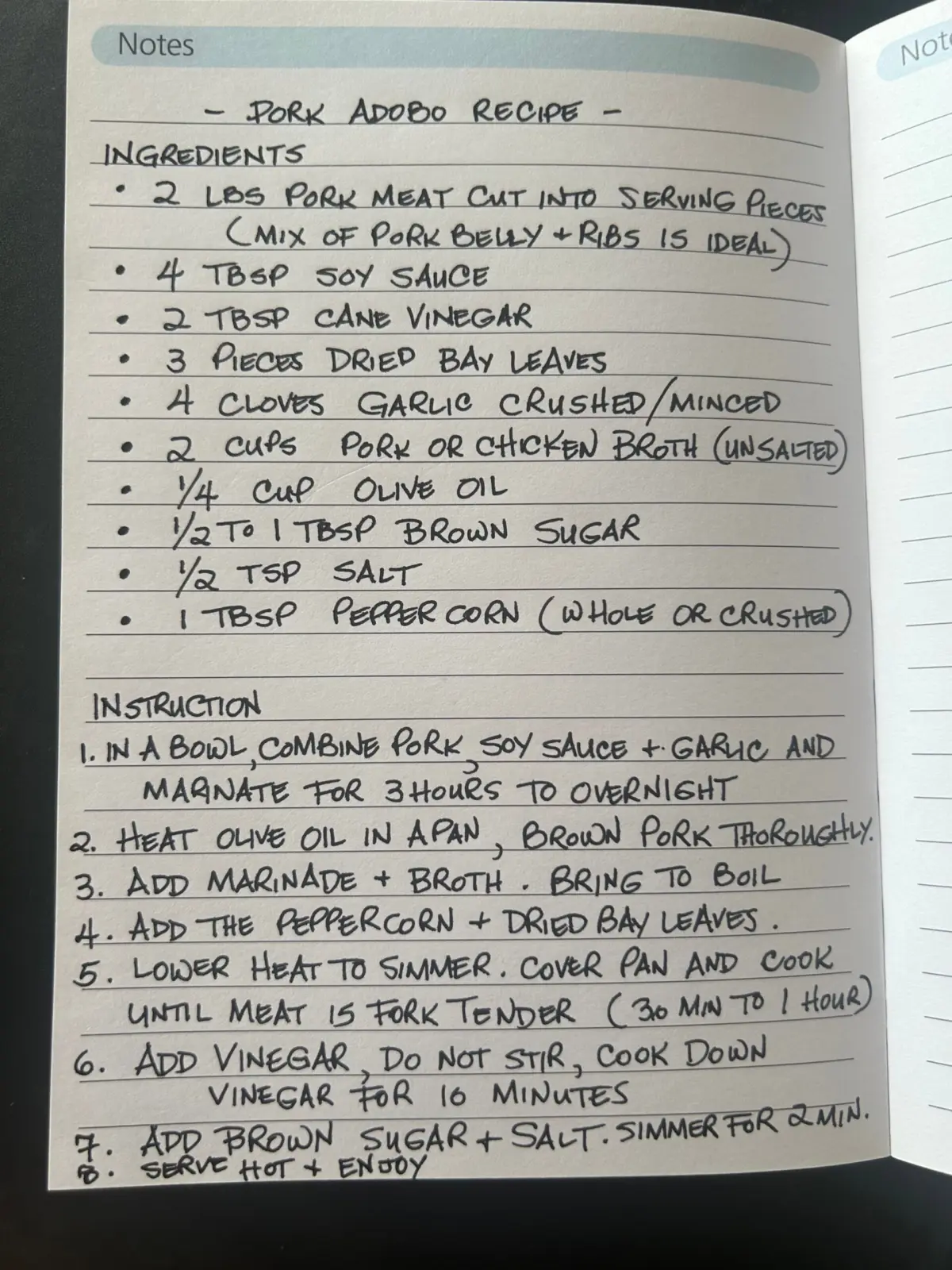
For the inaugural installment of this monthly project, Elsass turned to a deeply personal and historically rich dish: Filipino chicken adobo served alongside aromatic coconut rice. Working under strict, self-imposed rules that banish hidden pantry subsidies, promotional discounts, and discount-supermarket anomalies, Elsass ventured into a mid-priced Brooklyn neighborhood grocery store. Armed with a $25 bill and a traditional recipe handed down by Sol Guevarra—the mother of his close friend Robbie—Elsass navigated the aisles to prove that thoughtful meal planning and historic cooking techniques can triumph over modern economic constraints.
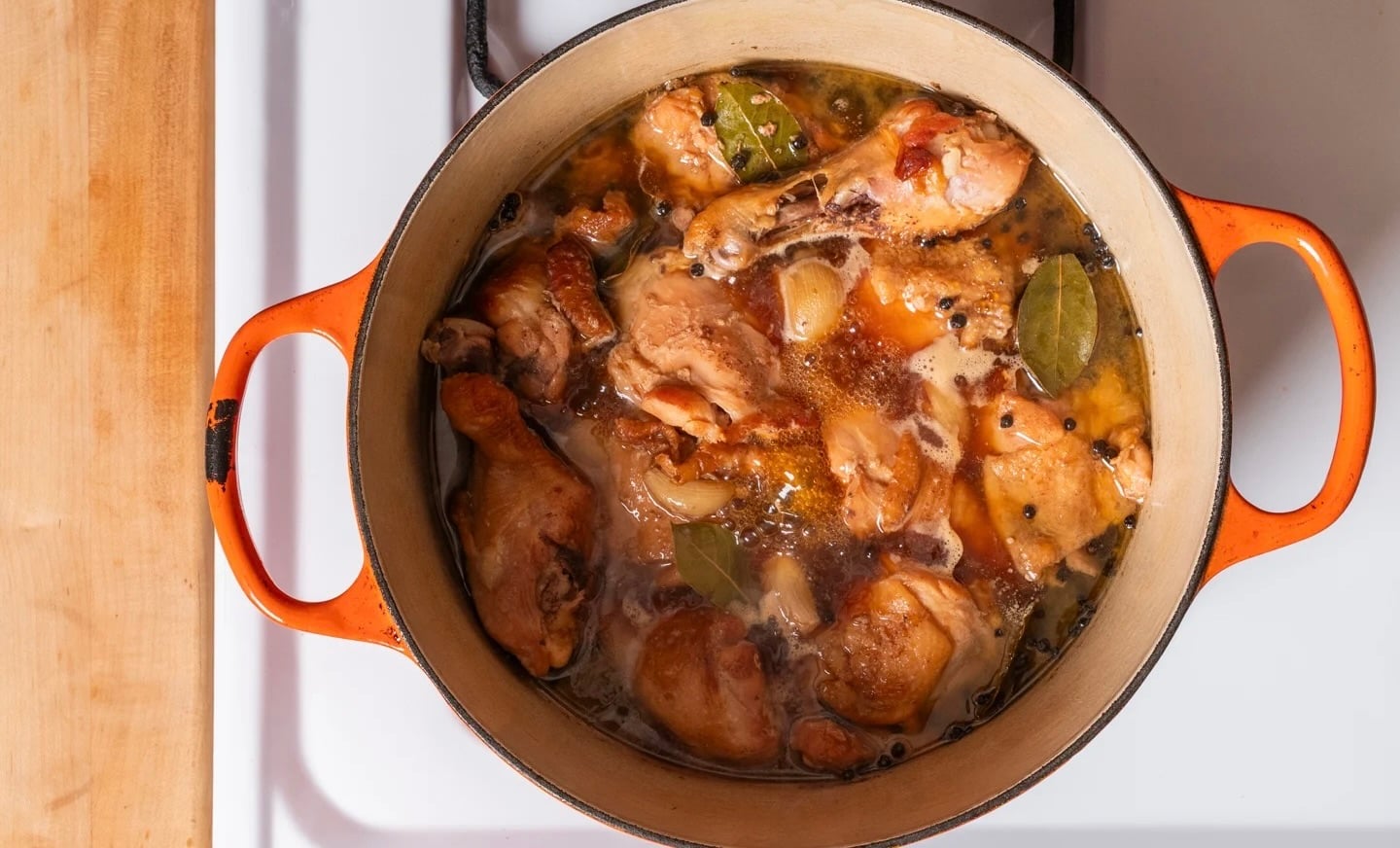
The resulting meal, totaling precisely $24.15 and leaving an 85-cent surplus, not only demonstrated the viability of budget-conscious entertaining but also spotlighted a culinary classic rooted in centuries of ingenuity. This report examines the mechanics of the $25 Dinner project, analyzes the historical lineage of Filipino adobo, breaks down the economics of the shopping trip, and outlines the step-by-step preparation of a dish designed to redefine the weeknight dinner routine.
Detailed Chronology: The Rules of Engagement and the Brooklyn Grocery Run
To understand the integrity of the $25 Dinner series, one must first examine the rigorous framework established by its creator. Elsass recognized early in the conceptualization phase that modern budget cooking columns frequently rely on asterisks, hidden assumptions, and pantry safety nets that obscure the true cost of food production for the average consumer. To combat this, he instituted four non-negotiable ground rules for every installment of the project:

- Zero Assumptions: Basic culinary catalysts—specifically neutral cooking oil, kosher salt, black pepper, and tap water—are treated as universal freebies. Everything else required for the meal must be factored into the final shopping tally. Even if a home cook happens to harbor obscure pantry staples, the project demands a worst-case-scenario test, shopping completely from scratch.
- No Sneaky Math: Proportional cost-shifting is strictly prohibited. If a recipe calls for two cups of rice, a cook cannot claim it costs $1 by arbitrarily prorating a larger 10-pound bag. The entire retail price of the package purchased must be applied directly against the $25 ceiling.
- No Artificial Discounts: Elsass consciously bypassed low-cost retail giants like Aldi, Trader Joe’s, or big-box discount warehouses. Shopping instead at his regular, mid-priced neighborhood grocery store in Brooklyn, he sought to prove that budget cooking is accessible at standard urban retail price points. As he notes, while discount grocers could easily shave dollars off the final total, the true test of a budget recipe is its resilience in a standard retail environment.
- Complete Transparency: Receipts are fully disclosed. Consumers are granted an unobstructed view of every item purchased, its exact price point, and the strategic sizing decisions made along the retail aisles.
The Shopping List and Receipt Breakdown
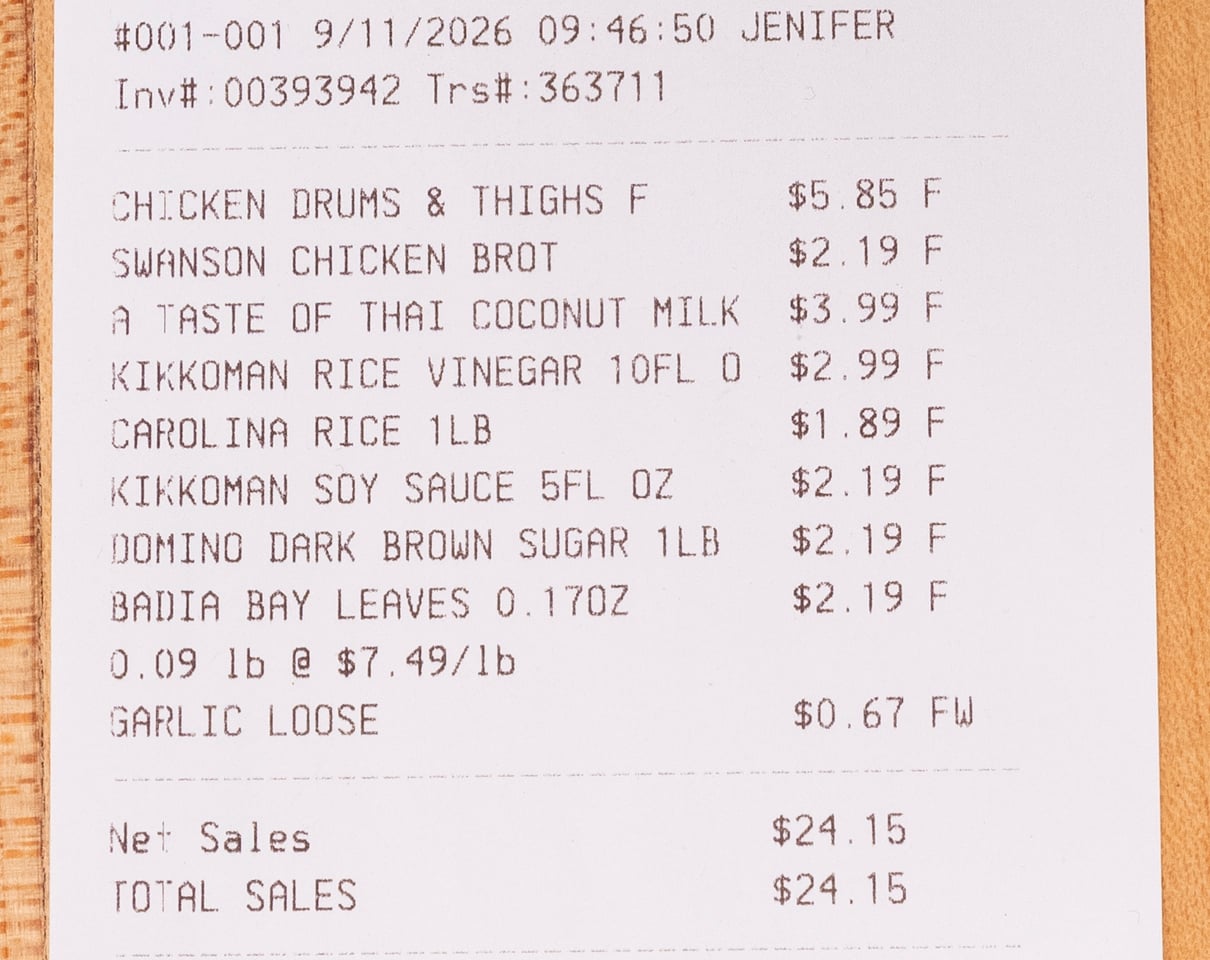
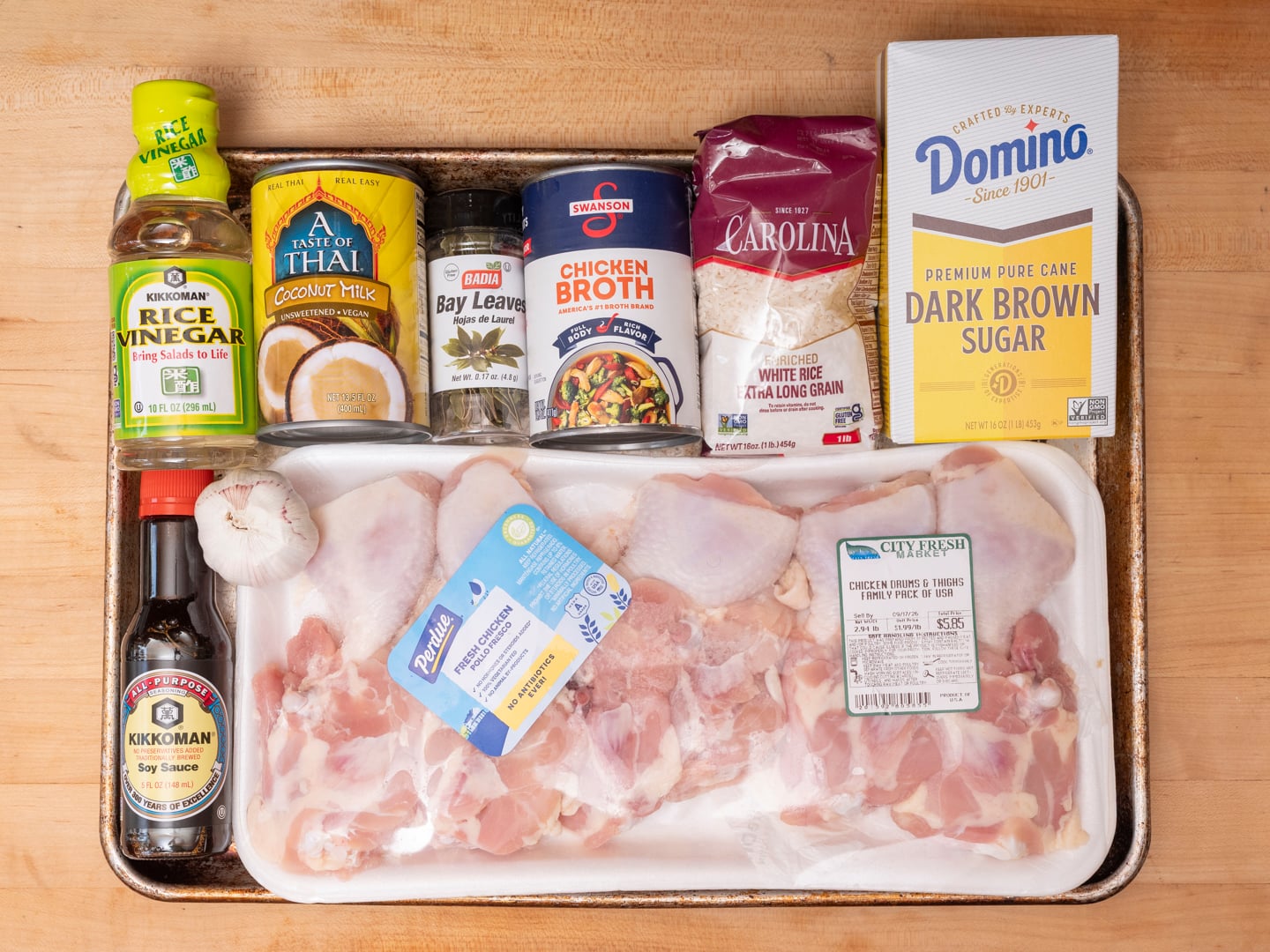
Executing the inaugural menu required deliberate navigation of packaging sizes to prevent any single ingredient from blowing the strict $25 budget. The recipe for Filipino Chicken Adobo and Coconut Rice called for strategic adjustments to traditional quantities:
- Protein: 3 pounds of bone-in, skin-on chicken thighs and drumsticks. (While traditional family recipes often utilize pork, chicken was selected both for its cultural validity in Filipino households and its lower retail price point at the Brooklyn market).
- Aromatics & Liquids: A 5-ounce bottle of soy sauce, 4 cloves of fresh garlic, a 14.5-ounce can of chicken broth (chosen over a bulky carton to minimize waste and cost), 3 dried bay leaves, whole black peppercorns, 2 tablespoons of unseasoned rice vinegar (substituted for traditional cane vinegar, which can prove elusive in standard neighborhood markets), and 1 tablespoon of dark brown sugar.
- The Sides: A 1-pound bag of long-grain white rice and a 13.5-ounce can of unsweetened coconut milk.
Upon checkout at the register, the grand total registered at $24.15, leaving Elsass with a modest 85-cent buffer under his strict financial cap.
Supporting Context & Metrics: The History and Evolution of Adobo
To view Filipino adobo merely as a budget weeknight meal is to overlook its profound historical significance. Far from being a modern culinary trend, adobo represents one of the world’s most enduring examples of pre-refrigeration food preservation.
Centuries before the advent of mechanical refrigeration, indigenous populations across the Philippine archipelago discovered that simmering meat in a bath of acidic vinegar and natural salts effectively retarded bacterial growth in a demanding tropical climate. This ingenious adaptation transformed what was initially a preservation method into a cornerstone of national cuisine.
When Spanish colonizers arrived in the archipelago during the 16th century, they observed locals cooking indigenous meats using this sour, savory technique. Observing the superficial resemblance to their own native marinades, the Spanish applied the term adobo—derived from the Spanish verb adobar, meaning "marinade" or "dressing"—to the native dish. Despite the Spanish nomenclature, the culinary DNA of adobo remains proudly and authentically Filipino.
Over generations, regional variations flourished. The introduction of Chinese trade vessels brought soy sauce into the culinary lexicon, gradually replacing or supplementing pure salt in many households. Other regions incorporated coconut milk, creating adobong gata, while others introduced aromatics like diced onions or ginger. As Elsass emphasizes, reflecting on his mentorship by Sol Guevarra, there is no single, monolithic "correct" adobo; rather, there are as many variations as there are family kitchens, each anchored by personal memory and maternal tradition.
Official Statements and Culinary Methodology: The Recipe Blueprint
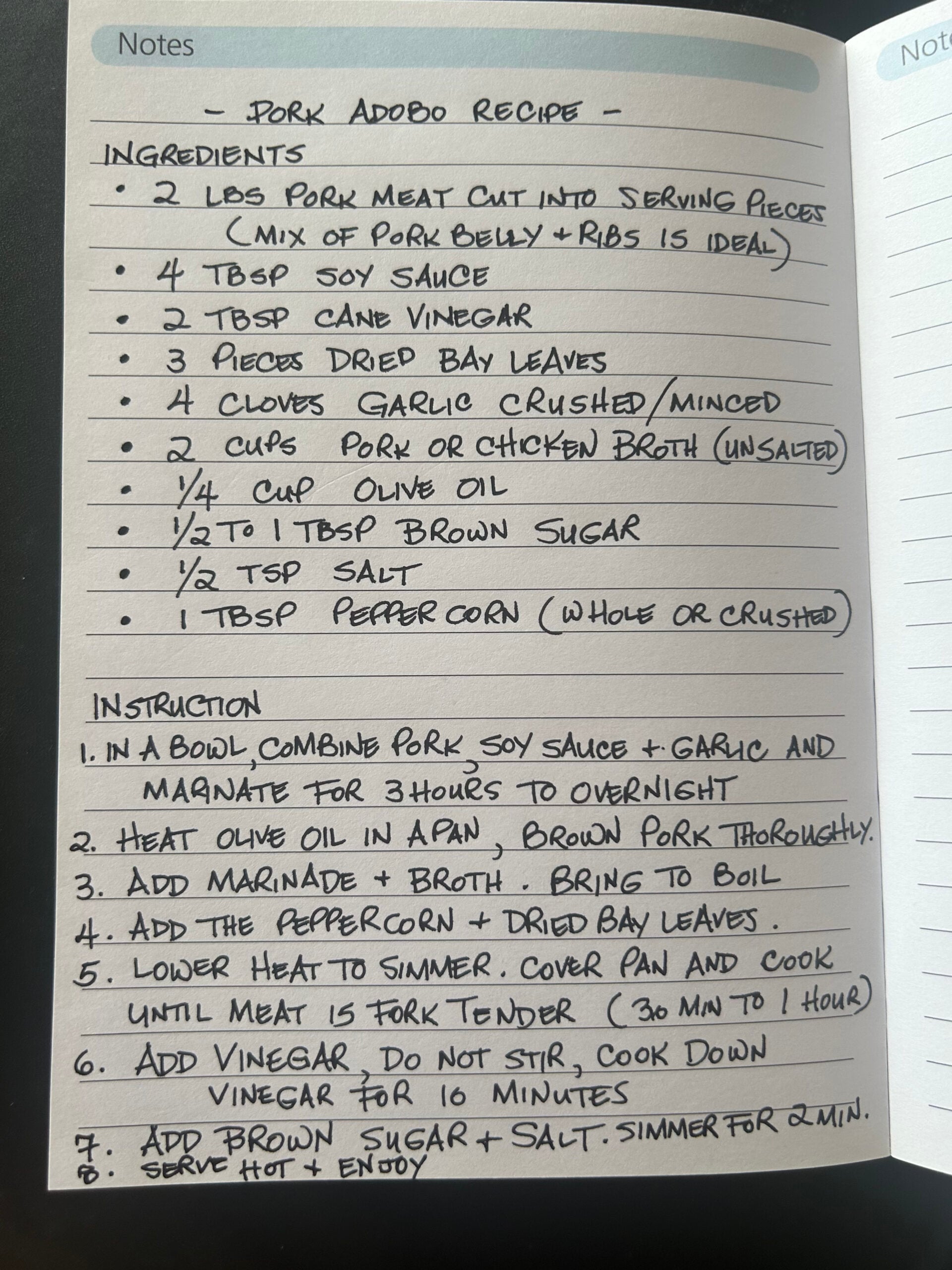
Translating tradition into an accessible, repeatable weeknight format requires precision. Below is the complete, kitchen-tested recipe for Filipino Chicken Adobo with Coconut Rice, yielding four hearty servings.
Filipino Chicken Adobo with Coconut Rice
Serves 4
Ingredients
For the Chicken Adobo:
- 3 lbs bone-in, skin-on chicken thighs and drumsticks
- ¼ cup soy sauce
- 4 garlic cloves, smashed
- 2 tbsp extra-virgin olive oil (or neutral cooking oil)
- 1 (14.5-oz) can chicken broth
- 3 dried bay leaves
- 1 tbsp whole black peppercorns
- 2 tbsp unseasoned rice vinegar
- 1 tbsp packed dark brown sugar
- ½ tsp kosher salt
For the Coconut Rice:
- 2 cups long-grain white rice
- 1 (13.5-oz) can unsweetened coconut milk
- ½ tsp kosher salt
Step-by-Step Preparation
- The Marinade (Get Ahead): Combine the chicken, soy sauce, and smashed garlic in a large zip-top bag. Seal securely and shake well to ensure the chicken is thoroughly coated. Refrigerate for a minimum of 3 hours, or up to 24 hours to deepen the flavor profile.
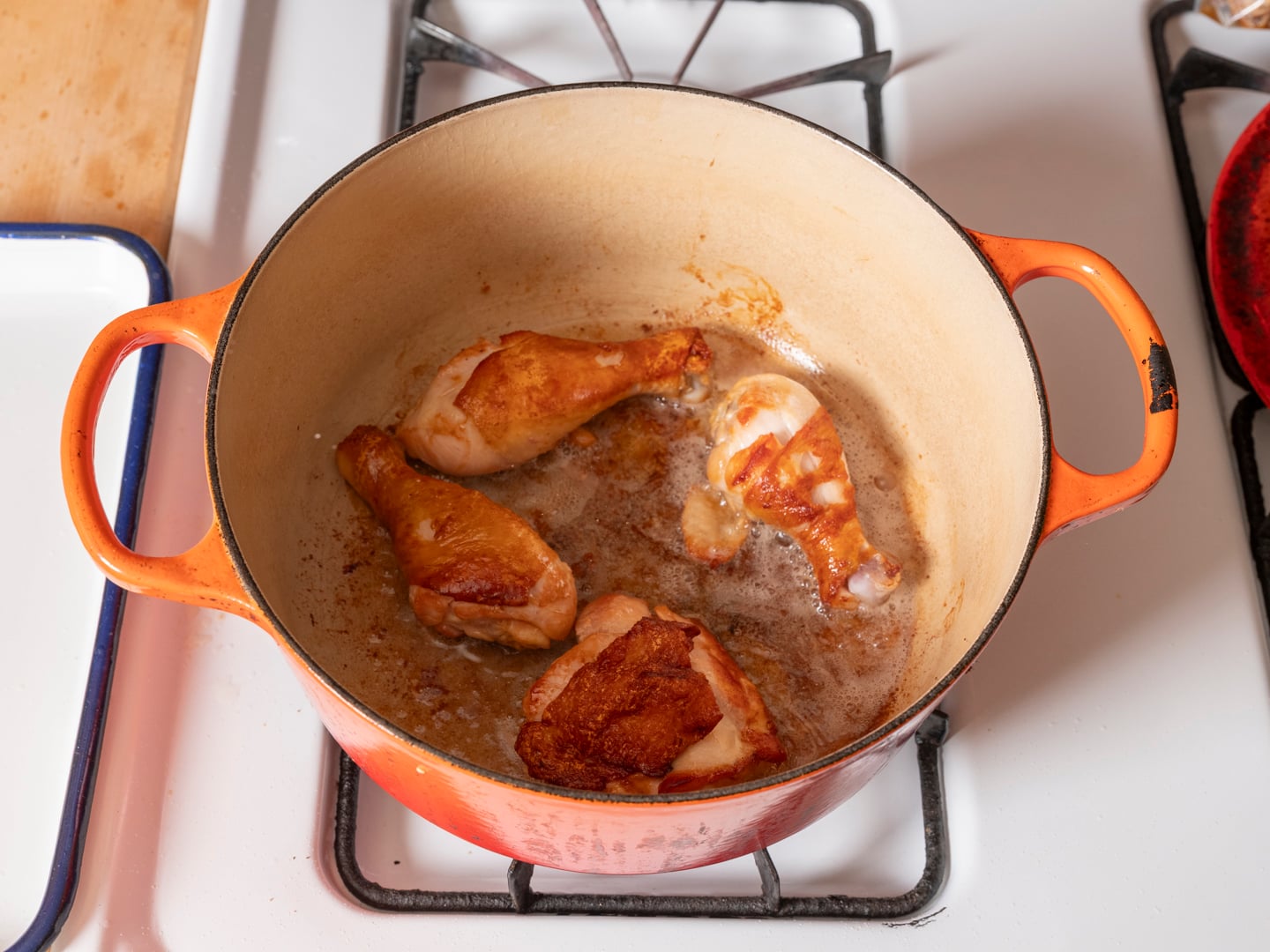
- The Sear: Remove the chicken from the marinade, ensuring you reserve the remaining liquid in the bag. Heat the oil in a large Dutch oven, high-sided sauté pan, or braiser over medium-high heat. Arrange the chicken skin-side down and sear until deeply browned, approximately 5 minutes. Work in batches if necessary to avoid overcrowding the pan. Flip and brown the reverse side for an additional 3 minutes. Return all chicken to the pot once browned.
- The Braise: Pour the reserved marinade and the can of chicken broth into the pot with the chicken. Add the dried bay leaves and whole black peppercorns. Bring the mixture to a boil, then cover, reduce the heat to medium-low, and simmer until the chicken achieves fork-tender perfection (about 30 minutes).
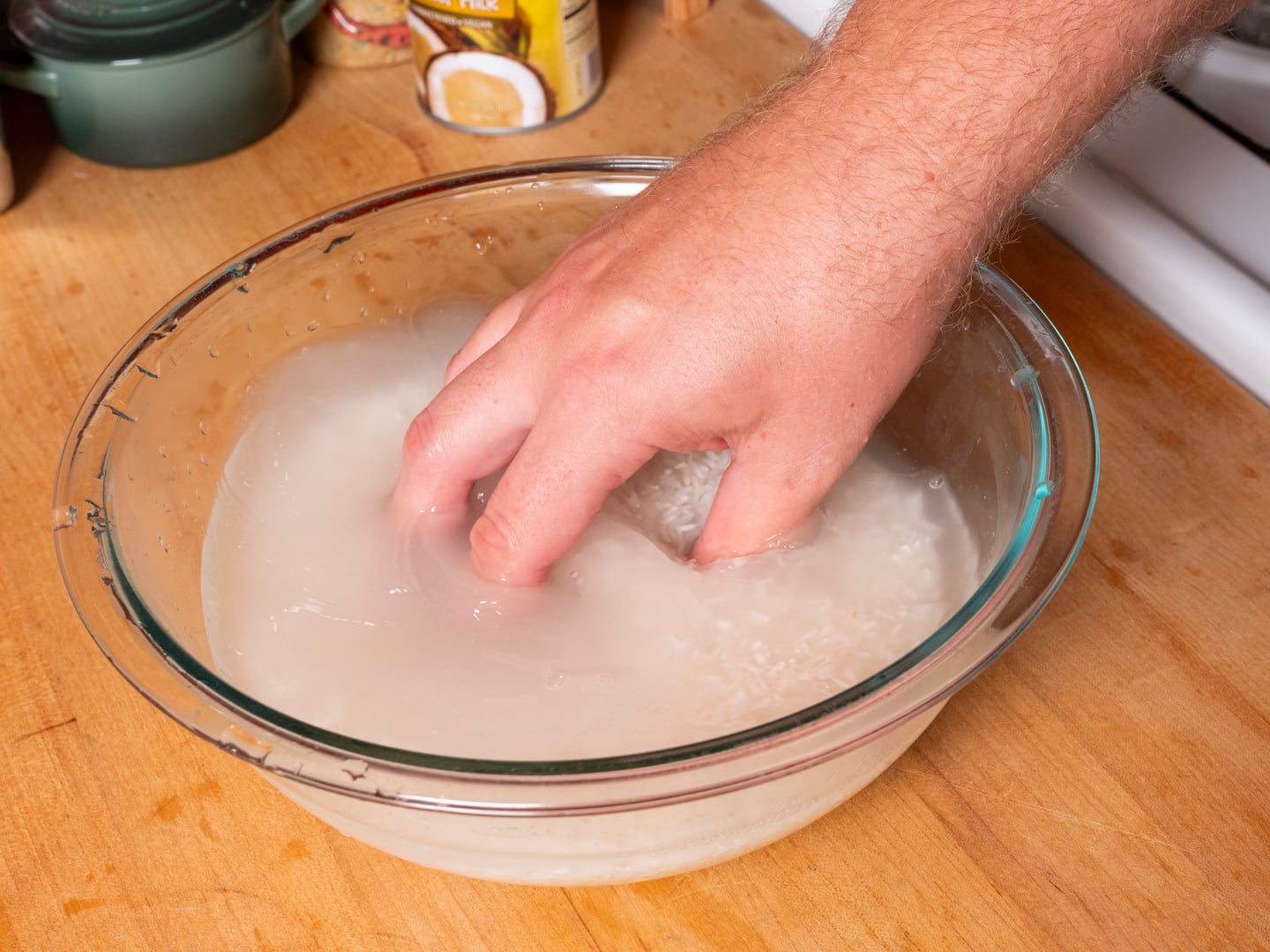
- The Coconut Rice: While the chicken braises, place the rice in a medium bowl and cover generously with cold water. Swish the grains by hand to release excess starch, drain through a fine-mesh strainer, and repeat the process 3 to 4 times until the rinse water runs clear. Drain thoroughly. In a medium saucepan, combine the washed rice, coconut milk, salt, and 1.5 cups of water. Stir with a fork, bring to a boil over medium-high heat, stir once more, cover, and reduce heat to low. Cook undisturbed for 15 minutes until liquid is absorbed. Remove from heat and let steam, covered, for 10 minutes before fluffing with a fork.
- The Finishing Touch (Crucial Step): Uncover the chicken adobo pot and pour in the rice vinegar. Do not stir. Allow the mixture to bubble away uncovered for 10 minutes (Sol Guevarra’s golden rule to prevent the vinegar flavor from becoming aggressively sharp). Add the brown sugar and salt, gently stir, and simmer for an additional 2 to 5 minutes until the sauce reduces into a glossy, perfectly balanced glaze of salty, tangy, savory, and sweet notes.
- To Serve: Divide the aromatic coconut rice among warm bowls, top with generous portions of tender chicken, and ladle the rich adobo sauce liberally over the top. Serve hot.
Future Outlook: The Evolution of "The $25 Dinner" Series
As "The $25 Dinner" series rolls out its subsequent monthly installments, its broader cultural and economic implications are already coming into focus. In an era where consumers are increasingly fatigued by culinary content that requires specialty ingredients, expensive kitchen hardware, or budgets detached from suburban and urban reality, Casey Elsass’s project offers a welcome return to grounded, pragmatic home economics.
By committing to transparent budgeting, zero-assumption accounting, and deep respect for cultural culinary traditions, the series bridges the gap between economic necessity and gourmet satisfaction. Future installments promise to explore diverse global cuisines through the same uncompromising lens, proving definitively that budget cooking does not require sacrificing flavor, history, or the simple joy of gathering around a shared table.