

Executive Overview
The milestone of dropping an only child off at college is often framed through the romanticized lens of a tearful goodbye at a campus curb. However, for many parents, the profound psychological shift occurs later—often silently, in the middle of a mundane orientation seminar. For writer and former copywriter Robin Reiser, that realization arrived in a sleek, blond-wood auditorium devoid of a notepad. Years of meticulous documentation—ranging from preschool learning-through-play symposia to high school resilience forums—suddenly ground to a halt.
This essay-style report examines the sociological and psychological phenomenon of the "empty nest" transition, exploring how modern parents construct emotional scaffolding around the hyper-curated rituals of college move-in day. By analyzing the intersection of parental identity, consumer culture (such as the multi-billion-dollar dorm-decorating industry), and the loss of what industry veterans term the "organizing principle" of daily life, this article sheds light on a universal rite of passage. It evaluates the shift from intensive parenting to personal reinvention, offering a comprehensive look at what happens when the primary anchor of an adult’s daily existence moves away.
Detailed Chronology: From Amazon Boxes to the Silent Auditorium
The journey toward the empty nest is rarely abrupt; rather, it is a meticulously paced chronology marked by administrative milestones, retail therapy, and emotional self-medication.
Phase 1: The Preparatory Consumerism (July–August)
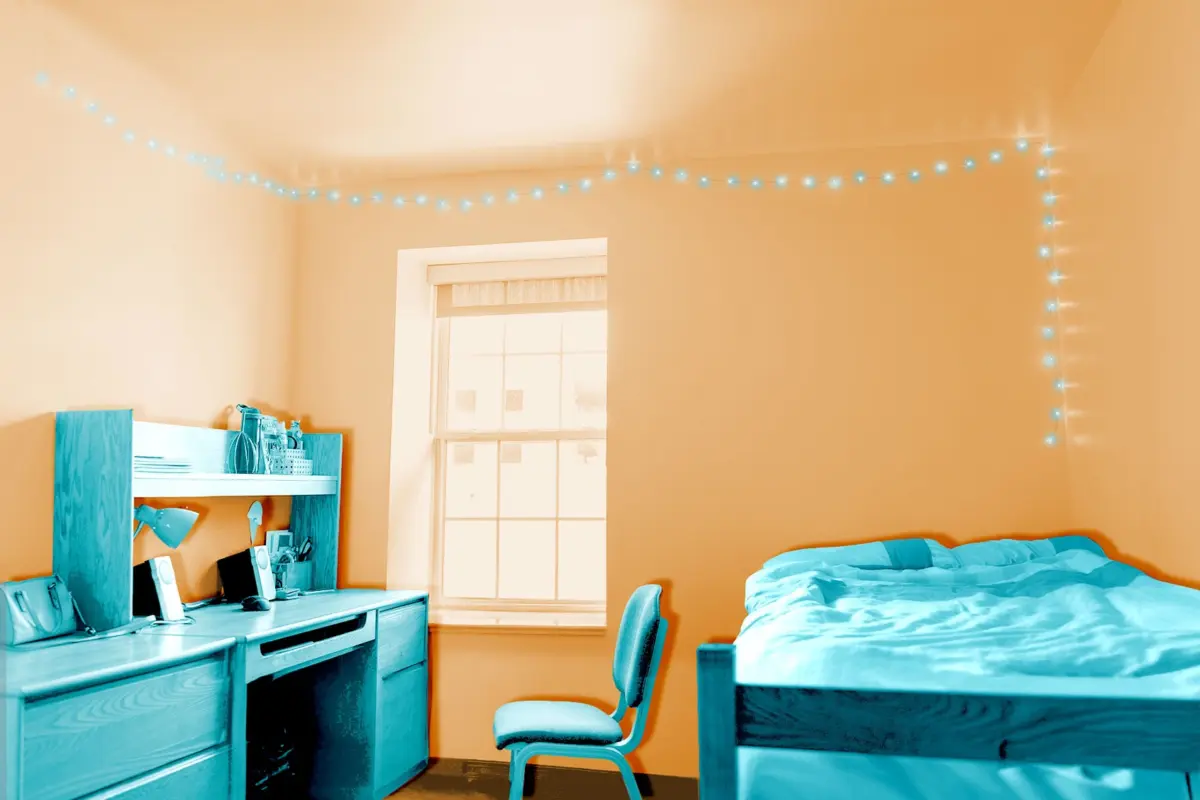
In the weeks leading up to freshman move-in day, parents across the globe engage in what psychologists recognize as displacement behavior: hyper-focusing on the physical minutiae of dorm preparation. For Reiser, this manifested as a delivery log of roughly twenty Amazon boxes scattered across a stiff, institutional twin XL mattress.
The items chosen were not merely utilitarian; they were carefully researched artifacts designed to construct a collegiate "cottagecore" aesthetic:
- The Pastel Teal LED Desk Lamp: Complete with a bendy arm and three distinct color settings to mitigate late-night study strain.
- The Specialized White Noise Fan: Marketed to conquer the stifling heat of a shoe-box-sized residence hall.
- Curly-Hair Essentials: Curated shower caps and specialized products designed to protect hair textures vulnerable to institutional water and humidity.
These purchases served a dual purpose. Outwardly, they prepared the student for academic independence. Inwardly, they functioned as emotional self-medication for the parent—a way to distract from the impending reality of an only child leaving home.
Phase 2: The Move-In and the Illusion of the "Island"
Move-in day is a sensory overload of heavy lifting, sweating up multi-level stairwells, and maneuvering awkwardly around total strangers in crowded hallways. During this chaotic period, parents often lean on reassuring fictions to soften the blow. Reiser recalls telling her anxious daughter that college was merely an "island in a sea of being home"—a rhetorical device intended to minimize the sheer permanence of the geographical separation. The underlying, unspoken fear, however, was the inverse: that home would soon become an isolated island in the vast, independent ocean of her daughter’s new life.
Phase 3: The Epiphany in the Auditorium
The psychological dam finally breaks not at the car door, but during the institutional orientation sessions. Sitting in a modern auditorium surrounded by ergonomic seating designed to encourage note-taking, Reiser experienced her defining epiphany. As slide after slide flickered past detailing department chairs, academic advisors, and emergency contact emails, her hand remained motionless at her side.
The realization was stark: This was her gig, not mine. The decades-long habit of documenting every educational milestone—from kindergarten orientation to high school college-night panels—was officially obsolete.
Supporting Context & Metrics: The Psychology of the "Organizing Principle"
To understand the weight of the empty nest, one must examine the psychological construct of parental identity. In professional creative fields, such as advertising, directors often speak of an "organizing principle"—the core narrative thread that ties disparate media campaigns together. For many dedicated parents, the child functions as the ultimate human organizing principle.
The Daily Architecture of Parenting
Whether it is packing lunches, managing extracurricular schedules, or simply listening for a bedroom door to close at night, children dictate the temporal and emotional rhythm of a parent’s day. When that anchor is removed, the sudden silence exposes existing vulnerabilities in domestic partnerships and personal ambitions.
- The Marital Dynamic: Long-term marriages often rely on shared logistical coordination regarding offspring. When the children depart, couples frequently find themselves confronting stagnant communication patterns. As Reiser notes, conversations can devolve from meaningful dialogue into repetitive loops of familiar anecdotes—such as debating the origins of personal philosophical frameworks like the "rule of threes" (the notion that initial impressions cycle through opposition before returning to a deeper understanding of the original thesis).
- The Professional Echo: Transitioning away from full-time parenting often forces a reckoning with dormant personal ambitions, whether that involves finishing an unpublished novel, returning to the workforce, or redefining creative outlets. The loss of the parental organizing principle forces individuals to draft a brand-new table of contents for their daily lives.
Official Perspectives & Expert Insights
Child development specialists and sociologists view the college transition as a critical crucible for both the student and the parent. While much ink is spilled on adolescent adjustment disorders and homesickness, the parallel condition of "Parental Separation Anxiety" is gaining increased recognition in academic and mental health circles.
Dr. Elena Vance, a family systems psychologist, notes:
"The transition to college is uniquely challenging because it requires an immediate cessation of micro-management habits that have been reinforced for eighteen years. Parents are expected to pivot instantaneously from active managers of daily life to remote consultants. For parents of single children, this severance is particularly acute, as their entire adult identity has been fused with the daily presence of that one individual."
Furthermore, educators emphasize that parental stepping-back is a necessary prerequisite for student autonomy. When parents stop taking notes at orientation, it signals to the institution—and more importantly, to the student—that the young adult must navigate institutional bureaucracy, academic stress, and social integration independently.
Future Outlook: Beyond the Dorm Room
As the initial dust settles on the empty bedroom, parents are forced to confront the blank canvas of their next life chapter. The future outlook for the modern empty nester is characterized by a complex mix of grief and reinvention.
- Redefining the Domestic Space: Bedrooms transformed into shrines or makeshift storage units often undergo a second evolution into home offices, creative studios, or guest rooms.
- Anticipating Educational Iterations: The cycle of academic milestones does not necessarily end with a bachelor’s degree. As modern career paths increasingly point toward graduate education, parents may find themselves bracing for round two—though with the self-awareness that graduate students are decidedly too old for pastel teal LED desk lamps and fairy lights.
- Personal Agency: Ultimately, the empty nest forces a return to individual agency. Without a child acting as the default organizing principle of the household, parents are tasked with generating new goals, cultivating neglected partnerships, and discovering whether their personal philosophies can stand independently of their offspring’s achievements.
In the end, the transition from active parenting to observer status is not merely an ending, but an invitation—a sometimes jarring, frequently humorous, and deeply human journey into self-rediscovery.