

Executive Overview
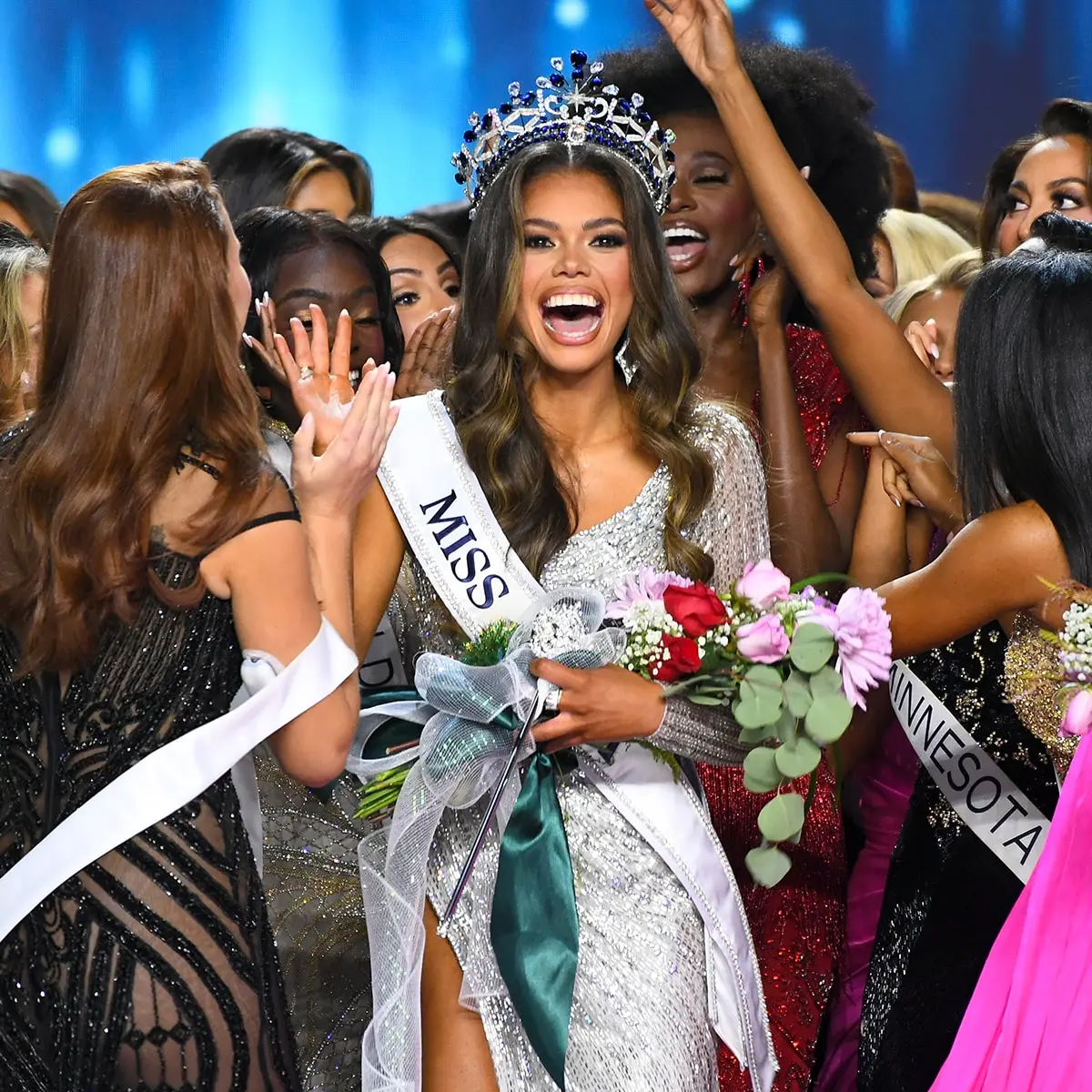
The glittering world of American beauty pageantry was rocked by unexpected turbulence when, just six days before the grand event, The CW network abruptly announced it would no longer air the 2024 Miss USA and Miss Teen USA pageants. The sudden cancellation sent shockwaves through the pageant community, forcing organizers into a high-stakes scramble to secure alternative broadcasting arrangements. Fifty-one hopeful contestants from across the nation had already gathered in Miami at the historic Adrienne Arsht Center for the Performing Arts, preparing to compete for a life-changing, six-figure contract and the ultimate honor of representing the United States at the Miss Universe pageant in Puerto Rico.
This dramatic broadcast pivot is only the latest in a string of high-profile controversies, structural shifts, and governance challenges that have plagued the Miss USA Organization over recent years. From sudden titleholder resignations that exposed deep internal rifts to sweeping modernizations in eligibility rules, the institution finds itself at a fascinating crossroads. As pageantry attempts to rebrand itself as an inclusive, progressive platform for the modern woman, it simultaneously wrestles with the logistical and financial pressures of producing live television in an era of shifting media landscapes.
This in-depth report examines the timeline and fallout of The CW’s eleventh-hour withdrawal, explores the systemic organizational pressures that have surfaced since 2023, and outlines the rigorous, often prohibitive requirements that define the modern Miss USA journey.
Detailed Chronology: The Countdown to the Broadcast Crisis
T-Minus Six Days: The CW Pulls the Plug
On August 20, what should have been a triumphant final week of preparation for the fifty-one contestants turned into a crisis management exercise. The CW network confirmed it was pulling the August 27 broadcast of the Miss USA pageant entirely from its schedule.
In an official statement released via an Instagram Story on Miss USA’s official account, organizers attributed the sudden cancellation to a "contractual issue with our production arrangements that could not be resolved within the necessary time frame." The statement further clarified that despite exhaustive efforts, both parties "were unable to reach mutually agreeable terms for this year’s event."
With mainstream television exposure vanishing overnight, the organization had to act fast to ensure the event reached its audience. For the second consecutive year, the pageant pivoted to the digital subscription platform Queen Beauty Network—a specialized streaming service tailored to beauty, fashion, and pageant content. Miss Teen USA similarly streamed on the platform on August 26, ensuring that while the viewing public would be significantly smaller and paywalled, the competitions themselves would go on.
The 2023–2024 Resignation Fallout
The broadcast hiccup arrives against a backdrop of severe organizational turbulence that began shaking public confidence in 2024. Two years prior, Nebraska’s Audrey Eckert would go on to carry her 2025 reign unscathed, but the preceding era was marred by unprecedented scandal.
In May 2024, reigning Miss USA Noelia Voigt of Utah and Miss Teen USA UmaSofia Srivastava of New Jersey shocked the entertainment industry by stepping down from their respective titles within days of each other. The resignations peeled back the polished veneer of the pageant world, revealing deep-seated internal discontent.
While Voigt officially cited mental health reasons for her departure, and Srivastava stated that her personal values were no longer aligned with the trajectory of the organization, strict non-disclosure agreements initially kept both young women from speaking candidly about their experiences. The silence was broken when their mothers, including Jackeline Voigt, made a joint appearance on Good Morning America that same month. Summing up the emotional toll of the ordeal, Jackeline Voigt famously declared to the nation, "The job of their dreams turned out to be a nightmare."
In response to the mounting public scrutiny and television interviews, the Miss USA Organization issued a defensive statement to ABC News: "We are committed to fostering a healthy, communicative and supportive environment for all contestants, state titleholders, national titleholders and staff."
Despite these assurances, the sudden departure of two major national titleholders permanently altered the public perception of the organization, setting the stage for increased scrutiny from media outlets, sponsors, and broadcast partners alike.
Supporting Context & Metrics: Inside the Rules of Modern Pageantry
While organizational headwinds and broadcasting shifts dominate the boardroom, the grassroots reality of competing for the crown continues to evolve. In an effort to shed its antiquated image and appeal to a broader, more progressive demographic, the Miss USA Organization has overhauled its rulebook in recent years. However, these modernizing updates coexist with grueling financial and logistical demands.
The Elimination of Age Limits
Historically, the window for a woman to compete in Miss USA was notoriously narrow, requiring contestants to be between the ages of 18 and 28. However, organizers officially dismantled the upper-age restriction.
This historic policy shift opened the floodgates for older women to realize their pageant aspirations. The impact of this rule change was vividly demonstrated in 2024 when Marissa Teijo made national headlines by competing for the title of Miss Texas USA at 71 years old, setting an all-time record for the oldest contestant in the pageant’s history.
Inclusivity: Mothers, Divorcées, and Transgender Competitors
The modernization of Miss USA extends far beyond age. Past iterations of the pageant strictly barred married women, mothers, and divorced individuals from participating. Today, those barriers have been dismantled.
"You can be married, divorced, a mom, and you can compete at Miss USA and Miss Universe," explained Miss USA 2023 Savannah Gankiewicz in an interview with People magazine. Gankiewicz emphasized that the policy shift was designed to make the audience feel seen and represented. "When they see a woman that looks like them or speaks like them, they’ll feel inspired to do this as well."
Furthermore, the organization has embraced gender inclusivity. In 2021, Kataluna Enriquez of Nevada made history as the first openly transgender contestant to compete on the Miss USA stage, following a landmark rule change enacted nine years prior. Although Enriquez was eliminated before the top 16, her presence marked a watershed moment. Reflecting on the experience, Enriquez noted, "It was an honor just to be able to represent my community and be an example for young queer children who now know they don’t need to be limited by society’s standards."
Citizenship and Residency Requirements
Despite progressive strides in personal demographics, foundational legal and geographic requirements remain firmly in place:
- U.S. Citizenship: Contestants are not required to have been born in the United States, but they must hold U.S. citizenship and possess—or be immediately eligible to apply for—a valid U.S. passport.
- State Residency: To represent a specific state, a candidate must have maintained permanent residency in that state for the preceding three months, be a full-time student who has completed at least one semester there, or be employed full-time within state lines.
The Staggering Financial Toll of Competition
For all the talk of empowerment and inclusivity, competing at the national level of the Miss USA circuit remains an elite financial endeavor. Unlike corporate-sponsored athletic events, the burden of funding a run for the crown falls squarely on the shoulders of the contestants.
Savannah Gankiewicz revealed the grim economic realities of the pageant circuit to People, noting that she had to cobble together funding through personal savings, local sponsors, and donations from friends and family. The expenditures are extensive:
- Evening Gowns: The average cost of a competitive evening gown easily climbs upwards of $12,000. Even when sourcing international designs—such as Gankiewicz’s gown imported from the Philippines—costs remain prohibitive, running around $6,000 before shipping and alterations.
- Grooming and Maintenance: Contestants must self-fund professional hair styling, nail care, makeup artists, coaching, and a massive wardrobe for public appearances and preliminary events.
- The "One and Done" Rule: Adding to the pressure is the strict policy that a woman can only win a state title and compete on the national Miss USA stage once in her lifetime. Gankiewicz noted the stark contrast between the U.S. system and international pageantry, where contestants with dual citizenship can repeatedly try their hand at representing foreign countries until they secure a crown.
Official Statements and Industry Response
The simultaneous cancellation of the television broadcast and the ongoing fallout from previous governance controversies have placed executive leadership under intense microscopic examination.
The abrupt exit from The CW schedule exposed vulnerabilities in how production partnerships are negotiated and secured. Industry analysts point out that losing a linear television distribution partner just days before an event signals deep communication breakdowns between the pageant’s executive committee and network executives. Linear television slots are fiercely contested commodities; vacating one at the eleventh hour underscores the unstable commercial footing modern pageantry occupies as it struggles to retain traditional viewership while migrating toward niche digital streaming subscriptions.
Conversely, the Miss USA Organization continues to project an image of resilience. By leaning into the Queen Beauty Network, the organization ensures continuity for the 2024 class of delegates. In internal memos and public relations communications, leadership has repeatedly emphasized its dedication to empowering women through leadership, professional development, and community service, framing recent rule updates as proof of an institution capable of self-reflection and progressive adaptation.
Future Outlook: Can the Crown Retain Its Luster?
As the dust settles on the Miami stage and Audrey Eckert passes her torch to the next generation of titleholders, the Miss USA Organization faces a defining moment in its storied history.
The path forward requires navigating two distinct realities. On one hand, the pageant has successfully modernized its eligibility criteria, welcoming mothers, older women, and transgender contestants into a fold that once demanded rigid, uniform perfection. These changes have broadened the talent pool and injected fresh narratives of resilience and diversity into the competition.
On the other hand, the business model of pageantry is undergoing a painful reckoning. The erosion of mainstream broadcast partnerships, combined with the exorbitant out-of-pocket costs required for contestants to participate, threatens to alienate grassroots talent and reduce the institution’s cultural footprint. Furthermore, repairing internal organizational trust after the high-profile resignations of 2023 and 2024 requires transparent governance, robust mental health support systems, and ironclad operational stability.
Ultimately, the crown remains a coveted symbol of achievement for thousands of women nationwide. Whether the organization can stabilize its broadcast infrastructure and heal its institutional fractures will determine if Miss USA can reclaim its status as a premier cultural monolith or if it will permanently recede into the specialized enclave of digital subscription streaming.