

Executive Overview
For the dedicated classic rock aficionado, the contemporary box set landscape can feel like a double-edged sword. At its worst, the format represents a cynical exercise in archival scraping—a bloated collection of redundant demo takes and overpriced packaging designed to squeeze the final drops of capital from a legendary back catalog.
However, when executed with curatorial precision, a great box set does not merely revisit history; it brings it violently and vividly back to life. Two major holiday season releases from 2026—Tom Petty & the Heartbreakers’ Origins 1971-1978 and The Who’s The Who By Numbers 50th Anniversary Edition—serve as a masterclass in how to approach an artist’s legacy.
Though they employ drastically different methodologies—Petty’s set acting as a narrative origin story, and The Who’s package functioning as a forensic examination of a single turbulent mid-career pivot—both releases achieve the gold standard of archival curation. They expand the canon without rewriting it, offering profound insights into the creative friction, human vulnerability, and raw electricity that forged two of rock and roll’s most enduring institutions.
Detailed Chronology: Tracing the Evolution of Two Legends
To understand the triumph of these respective releases, one must examine the specific timelines they capture and the structural journeys they lay out for the listener.
Tom Petty & the Heartbreakers: Origins 1971-1978
The Petty box set constructs a deliberate narrative arc designed to explain how a group of Florida musicians transformed into Rock and Roll Hall of Famers. Rather than serving as a chronological dumping ground, the set is organized to pull the listener directly into the band’s formative trials.
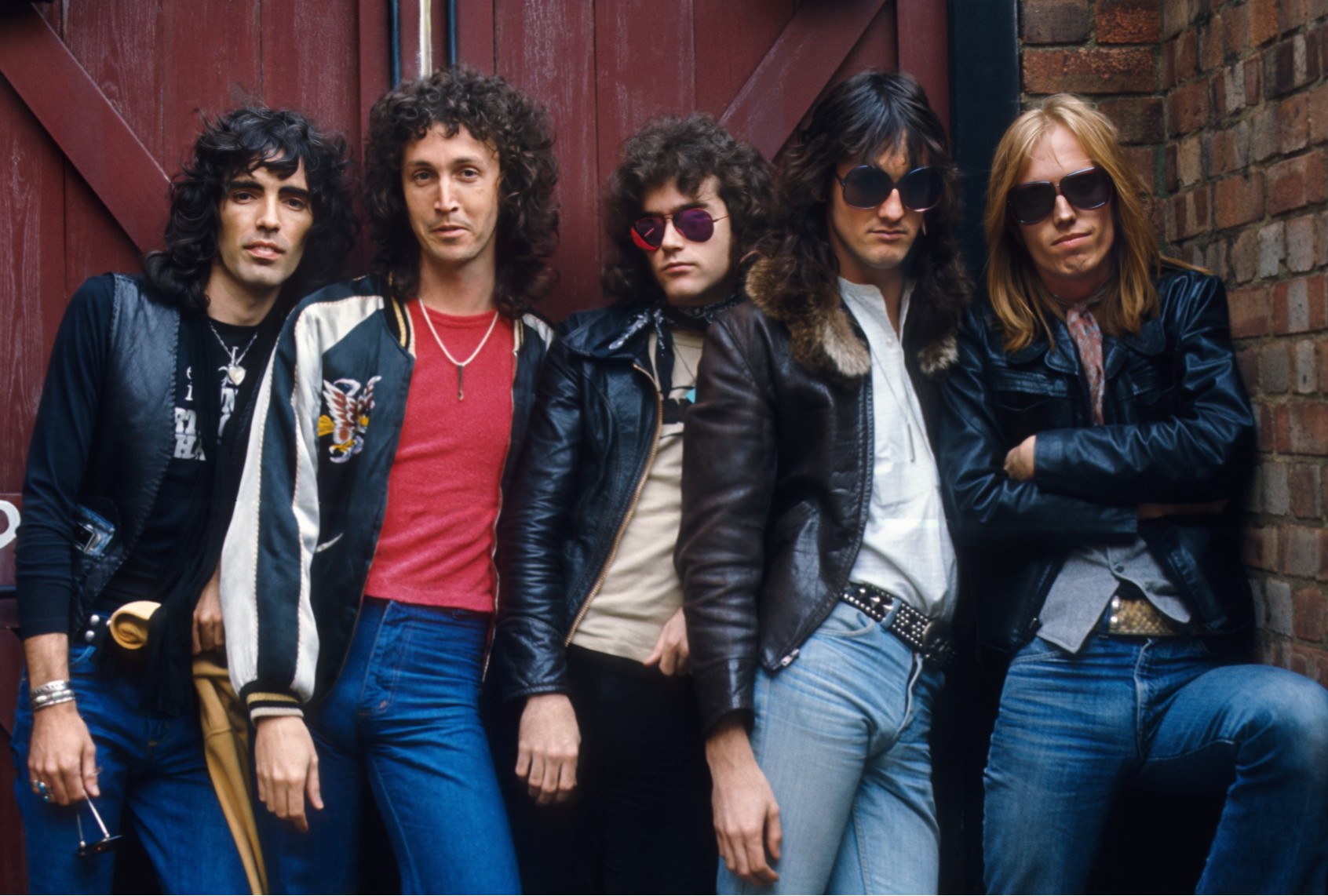
- 1971–1975 (The Mudcrutch Era & Pre-Heartbreakers): The journey begins deep in the archives, unearthing material from Petty’s pre-Heartbreakers outfit, Mudcrutch, which featured future Heartbreakers fixtures Mike Campbell and Benmont Tench. Tracks like "Unheard Kind of Hero" showcase Petty’s precocious storytelling as a teenager and early-twenties songwriter in Gainesville.
- 1975–1976 (The L.A. and Tulsa Incubation): The narrative follows the band to Los Angeles and Tulsa, where Shelter Records sent them to hone their studio craft. The newly curated outtake discs, No Sleep Til L.A. and The Cut Out Bin, capture a band learning how to translate their raw, road-tested energy into master tapes.
- 1977 (The Breakthrough & Live Fire): The set transitions into the newly mixed and remastered editions of their self-titled debut and sophomore album, You’re Gonna Get It!, alongside a blistering 1977 Live from the Record Plant broadcast and the crown jewel of the visual offerings: a 40-minute, full-show performance on the BBC’s Old Grey Whistle Test.
The Who: The Who By Numbers 50th Anniversary Edition
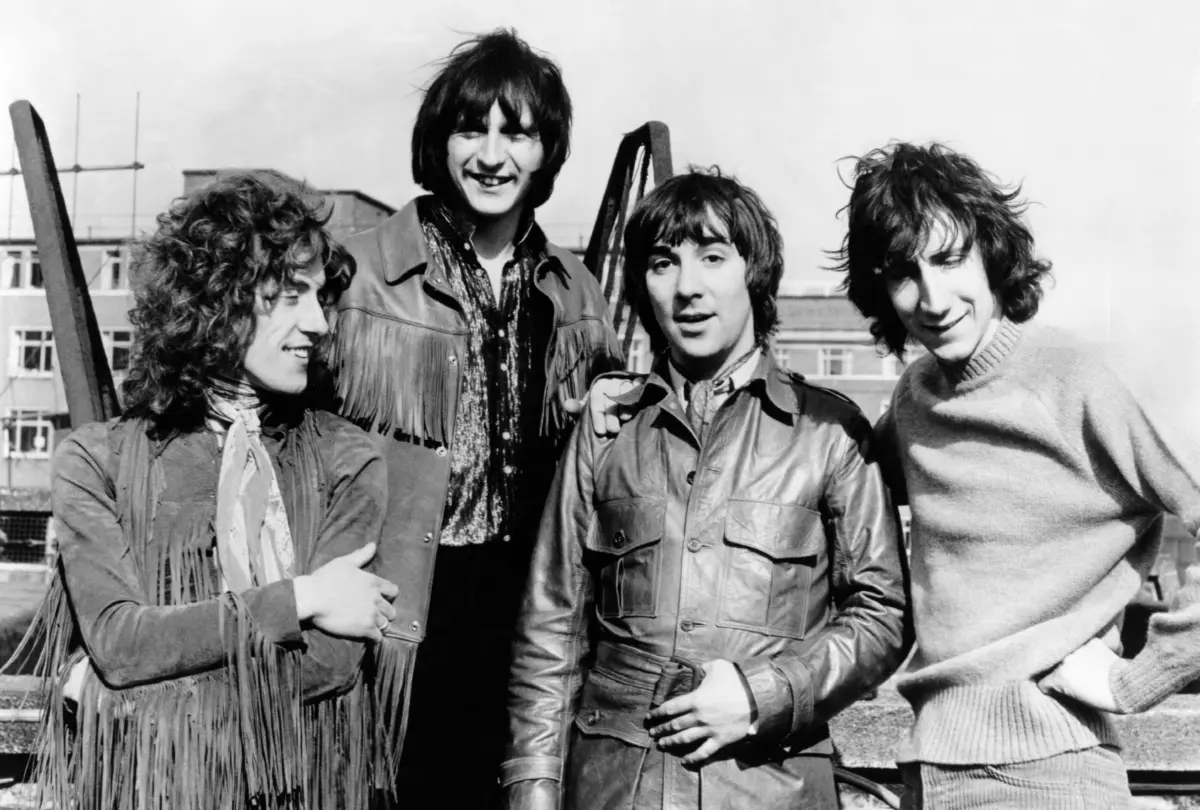
In stark contrast, The Who’s release operates under a forensic, single-album framework, zooming in on the pressure cooker of 1975.
- Late 1974–1975 (The Personal and Professional Crucible): Approaching 30 years old, Pete Townshend found himself grappling with profound personal anxieties, fatigue from the massive success of the Tommy feature film, and friction regarding his place within the band.
- The Tracking Sessions & Townshend Demos: The box set painstakingly chronicles the gestation of The Who By Numbers, moving from ethereal, solo acoustic demos to loose, laugh-filled tracking sessions at Ramport Studios (minus an itinerant Keith Moon) and early mixes with guide vocals.
- December 1975 (The Pontiac Silverdome Peak): The timeline culminates in December 1975 with the band playing to a then-record indoor rock concert crowd of 76,896 fans at the Pontiac Silverdome in Michigan, capturing the chaotic, high-stakes energy of an era teetering on the edge.
- 1976 (The Swansea Swan Song): The audio archive closes out with a 1976 live recording from Swansea—marking Keith Moon’s final proper live performance before a U.K. audience.
Supporting Context & Metrics: The Anatomy of the Box Sets
The meticulous engineering behind these releases extends far beyond the audio tracks, encompassing physical artifacts, high-resolution immersive mixes, and staggering statistical milestones.
The Petty Package: Curatorial Discipline
Adria Petty, overseeing Petty Legacy, articulated the strict quality-control threshold applied to the Origins project. "It’s not Tom Petty good," she explained regarding the outtakes selection process. "Could this be any band? If so, it’s not in there… it’s gotta be something that really adds to the canon or we’re just detracting from the canon."
- Audio Formats: Features newly mixed and remastered studio albums, alongside hi-res stereo, Dolby Atmos, and 5.1 immersive mixes on Blu-Ray.
- Print Materials: A full-color, 46-page fanzine titled Heart Attack serves as the liner notes, packed with rare photographs, essays, interviews, and commentary from surviving band members.
- Collectibles: Advanced editions feature tactile memorabilia, including "Punk to New Wave" trading cards, posters, and simulated Polaroids.
The Who Package: Forensic Completeness
True to the band’s archival tradition, The Who By Numbers 50th Anniversary Edition delivers an exhaustive, document-driven experience overseen by renowned archivist Andy Neill.
- Unreleased Audio: The set boasts an incredible 92 unreleased audio tracks, offering an unprecedented look into Townshend’s creative psyche.
- The Print Artifact: Even standard CD buyers receive a gorgeous, album-sized, 100-page book featuring comprehensive liner notes, contemporary interviews, lyric sheets, and historical photography.
- Record-Breaking Metrics: The inclusion of the complete, newly remastered Pontiac Silverdome video preserves a watershed moment in live entertainment history—the shattering of the indoor concert attendance record with 76,896 screaming fans—utilizing closed-circuit video technology that was revolutionary for 1975.
Official Statements & Creative Perspectives
The voices of the artists, producers, and estate managers heavily shape the historical narrative embedded within these box sets.
Speaking on the early songwriting capabilities of Tom Petty, keyboardist Benmont Tench recalled hearing the pre-Heartbreakers track "Unheard Kind of Hero" in Gainesville: "I was following Mudcrutch around because they were so good… When I heard ‘Hero,’ I asked a friend who sang it originally. When he told me it was an original, my reaction was, ‘OK, good lord. Because if you listen to that, whether he was 17 or 19 when he wrote it, the storytelling in it is the beginning.’"
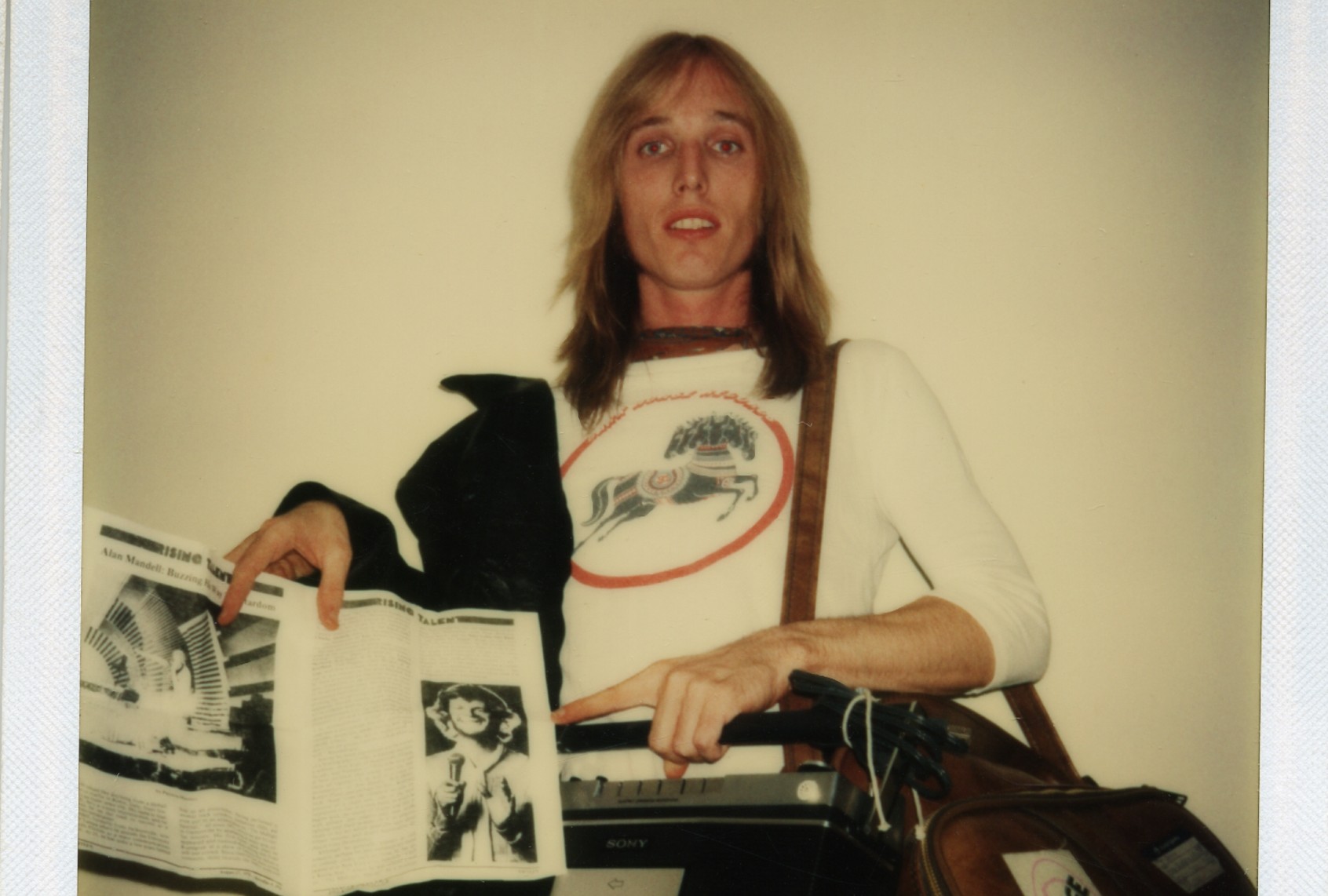
Adria Petty noted the striking visual and sonic aesthetic of the young band captured in the archival imagery: "These are not guys you want to date your daughter, you know?" Yet, she emphasizes that Petty steadfastly resisted being co-opted into any single musical movement, incorporating reggae influences on "You’re Gonna Learn" and nodding to Bob Dylan on tracks like "Wild Eyes" and "I Can’t Fight It" long before officially backing him on tour.
On the other side of the Atlantic, Pete Townshend’s candid admissions regarding The Who By Numbers reveal a man at war with his own success. "I felt detached from my own songs," Townshend confessed of the 1975 sessions.
The producer-artist dynamic is further illuminated by Glyn Johns, who famously bullied Townshend into including the optimistic ukulele track "Blue Red and Gray" against the songwriter’s depressive impulses. Townshend recalled Johns’ insistence: "I said, ‘Really, it’s nothing. Just me playing a ukulele.’ But he insisted on doing it. I said, ‘What? That fuking thing. Here’s me, wanting to commit suicide, and you’re going to put that thing on the record?’"*
Future Outlook: The Standard for Modern Archival Releases
As the classic rock era moves further into its historical twilight, the methodology demonstrated by Origins 1971-1978 and The Who By Numbers 50th Anniversary Edition establishes a definitive benchmark for future catalog management.
Consumers and collectors have grown increasingly intolerant of lazy cash-grabs—reissues featuring compressed remasters and filler outtakes that add nothing to an artist’s narrative. Instead, the marketplace demands context, transparency, and narrative cohesion. By treating unreleased recordings not as novelty items, but as critical waypoints in an ongoing artistic evolution, estates and record labels can honor the integrity of their subjects.
Whether it is plunging listeners into the sweat-soaked, hyper-charged atmosphere of the Pontiac Silverdome in 1975 or tracing Tom Petty’s dogged journey from Florida clubs to international recognition, these box sets prove that rock and history do not belong behind glass. When curated with uncompromising standards and genuine affection, they breathe new life into the canon, ensuring that the foundational architects of modern rock continue to inspire generations to come.
