

In the high-stakes, hyper-competitive landscape of global beauty and cosmetics
, longevity is a rare and coveted achievement. Few corporate slogans have attained the cultural ubiquity of Maybelline’s legendary tagline, "Maybe she’s born with it. Maybe it’s Maybelline." For three and a half decades, this rhythmic, confidence-boosting phrase has served as the auditory signature of the brand, anchoring television commercials, print spreads, and digital campaigns across generations. Yet, in an era defined by rapid cultural shifts, evolving definitions of gender and identity, and the relentless dominance of digital-native beauty brands, even the most iconic heritage marketing strategies must adapt or risk obsolescence.
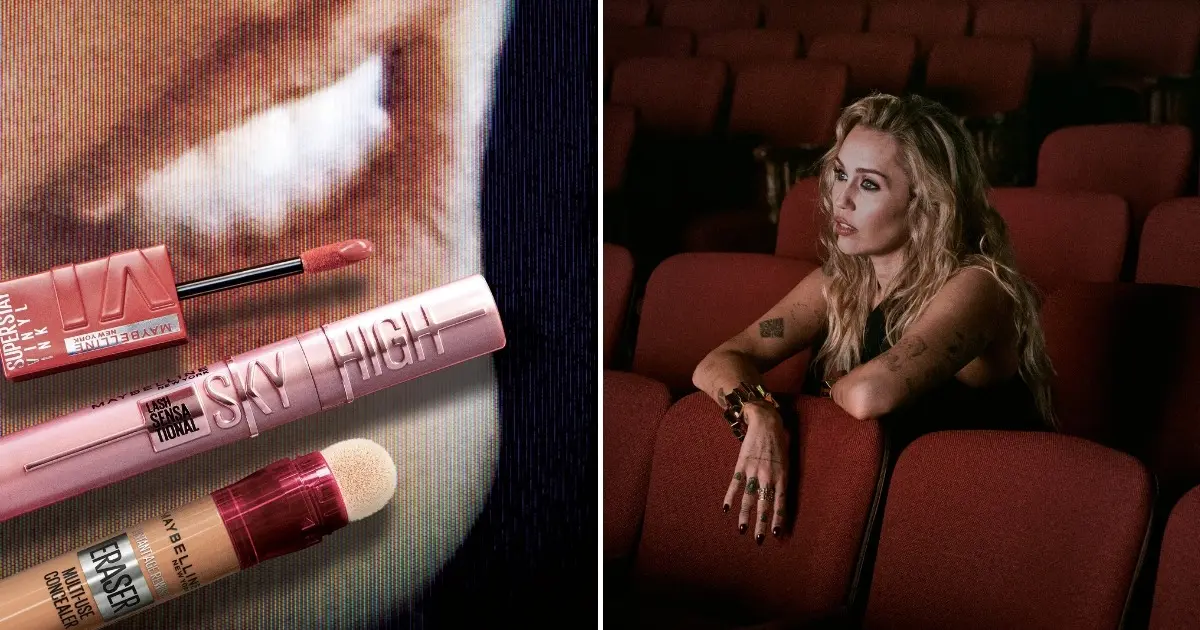
On November 10, Maybelline New York—a subsidiary of the global beauty conglomerate L’Oréal—officially announced a monumental evolution of its brand identity. Debuting a comprehensive new brand platform titled "The Beauty of Infinite Possibility," the company is pivoting away from the passive curiosity of its historical messaging toward a bold, declarative ethos. Spearheaded by a high-profile global campaign featuring international pop icon and multi-platinum recording artist Miley Cyrus, this strategic pivot seeks to fundamentally redefine what the word "maybe" means to modern consumers.
The initiative is not merely a superficial marketing refresh; it is a profound philosophical realignment. While the original 1991 jingle posed an inquiring question about the source of an individual woman’s aesthetic appeal, the new platform positions cosmetics as an active instrument for personal agency, boundless creativity, psychological empowerment, and constant reinvention. By courting younger demographics—particularly Gen Z and younger Millennials who view beauty through the lens of fluid self-expression rather than rigid standards of perfection—Maybelline is attempting to bridge its storied heritage with the progressive, inclusive demands of the modern marketplace.
This in-depth investigative report examines the structural drivers behind Maybelline’s rebranding, explores the mechanics of the Miley Cyrus-led campaign, evaluates the broader economic and cultural context of the beauty industry, and provides an authoritative outlook on what this strategic gamble means for the future of mass-market cosmetics.
Detailed Chronology: From 1991 to the Dawn of "Infinite Possibility"
To understand the weight of Maybelline’s current rebranding effort, one must first trace the historical trajectory that made the original tagline a cornerstone of advertising history.
The Genesis of a Legend (1991)
The phrase "Maybe she’s born with it. Maybe it’s Maybelline" was introduced to the public in 1991, crafted by the renowned advertising agency Gotham, Inc. At a time when beauty advertising heavily relied on clinical assertions, medical-sounding jargon, or unattainable ideals of natural perfection, the Maybelline jingle introduced a playful ambiguity. It invited the viewer to wonder whether a model’s striking look was purely genetic or the result of superior cosmetics.
The tagline was instantly sticky, aided by a sultry, instantly recognizable vocal delivery and a jazzy audio signature that would go on to be sampled, parodied, and recognized by millions across the globe. Over the next 35 years, the jingle served as the unifying thread for the brand, surviving numerous shifts in makeup trends, the rise of the digital age, and changes in corporate ownership following L’Oréal’s acquisition of Maybelline in 1996.
The Digital Disruption and the Need for Change (2010s–2020s)
As the beauty industry transitioned from traditional broadcast media to social-first platforms like Instagram, TikTok, and YouTube, consumer expectations shifted dramatically. Audiences—particularly younger demographics—grew increasingly skeptical of curated perfection and traditional beauty tropes. They demanded authenticity, diversity, and radical inclusivity.
During the late 2010s and early 2020s, Maybelline began laying the groundwork for a more modern brand voice. Initiatives such as Brave Together—a global mental health outreach program launched by the brand—signaled a growing corporate awareness that beauty is deeply intertwined with emotional well-being. However, while these corporate social responsibility campaigns resonated well, the core product marketing still largely relied on variations of the 1991 tagline. Leadership recognized that a deeper overhaul was necessary to capture the imagination of a generation that views makeup not as a tool for masking flaws, but as a dynamic medium for artistic expression.
The Epoch of Reinvention: November 10
The culmination of years of consumer research, brand audits, and creative brainstorming arrived on November 10 with the global rollout of "The Beauty of Infinite Possibility." Rather than discarding the equity of the past entirely, the brand has chosen to recontextualize it. The campaign introduces a multi-layered narrative where "maybe" is transformed from an interrogation of natural beauty into an open-ended celebration of potential. The strategic rollout includes high-impact digital activations, immersive retail experiences, and a global media blitz designed to reach consumers across every touchpoint.
Supporting Context & Metrics: The Economics of Brand Evolution
Rebranding a legacy brand with a 35-year-old anchor jingle is a high-stakes commercial maneuver. In the mass-market cosmetics sector, where profit margins are heavily dependent on high-volume sales and immediate brand recognition, any disruption to consumer familiarity can carry significant financial risk. However, industry analysts suggest that the cost of standing still is far greater.
The Changing Demographics of Beauty Consumption
Market research data from the past five years highlights a profound demographic shift in beauty spending:
- Gen Z and Millennial Dominance: Younger consumers now drive the majority of trend adoption and viral product launches. According to retail data analytics, consumers under the age of 30 prioritize brands that demonstrate authentic values, inclusivity, and creative freedom.
- The Rise of Fluid Expression: Makeup is no longer viewed strictly through a gender-binary or age-restricted lens. Men, non-binary individuals, and mature consumers are openly experimenting with color cosmetics, demanding formulations and messaging that speak directly to their unique identities.
- The Authenticity Imperative: Modern consumers reject "perfection marketing." Campaigns that celebrate transformation, experimentation, and individuality consistently outperform those that promise unattainable physical standards.
L’Oréal’s Strategic Calculus
As the parent company of Maybelline New York, L’Oréal Groupe commands an unmatched portfolio of beauty brands ranging from luxury houses to mass-market giants. Within this ecosystem, Maybelline serves as an essential volume driver and a cultural barometer for mass-market trends.
By injecting fresh capital and creative energy into Maybelline’s core platform, L’Oréal is aiming to solidify the brand’s market share against aggressive indie disruptors and direct-to-consumer (D2C) brands that have captured significant youth market share over the past decade. "The Beauty of Infinite Possibility" acts as a direct response to these market dynamics, ensuring that Maybelline remains synonymous with contemporary beauty culture rather than resting on its historical laurels.
Official Statements: Inside the Mind of the Brand and Its Global Icon
The success of any major corporate pivot relies heavily on the narrative crafted by its leadership and the authenticity of its public-facing ambassadors. In conjunction with the November 10 launch, Maybelline New York executives and global ambassador Miley Cyrus offered deep insights into the philosophy driving the campaign.
Executive Vision: Redefining the Narrative
Brand leadership emphasized that the decision to evolve the iconic tagline was made with profound respect for Maybelline’s heritage, coupled with an uncompromising vision for its future.
"For 35 years, our tagline has been an industry-defining anchor," noted a senior Maybelline brand executive during the global press briefing. "But the world has changed, and our consumers have redefined what beauty means to them. Beauty is no longer a fixed standard or a passive question of whether someone is born with good genes. It is an active, creative choice. ‘The Beauty of Infinite Possibility’ allows us to move from a place of curiosity to a place of absolute empowerment. We want every person—regardless of age, background, or identity—to look at makeup as a limitless canvas for self-expression."
Miley Cyrus: Embodying the Spirit of Reinvention
To bring this new vision to life, Maybelline partnered with Miley Cyrus, an artist whose entire career has been defined by radical reinvention, fearlessness, and unapologetic self-expression. Cyrus, who serves as the campaign’s anchor global ambassador, expressed deep alignment with the brand’s new ethos.
"I’ve always believed that beauty is about how you feel and how you choose to present yourself to the world on your own terms," Cyrus stated in the campaign’s promotional materials. "Working with Maybelline on this platform has been incredible because it challenges us to look at the word ‘maybe’ not as a question of doubt, but as an open door. It’s about embracing all the versions of who you can be, changing your mind whenever you want, and never letting anyone box you in. That is the true beauty of infinite possibility."
The synergy between Cyrus’s public persona—marked by musical versatility, bold aesthetic shifts, and outspoken advocacy for marginalized communities—and Maybelline’s inclusive mission provides the campaign with immediate cultural credibility.
Future Outlook: What "Infinite Possibility" Means for the Industry
As the dust settles on the launch of "The Beauty of Infinite Possibility," industry observers and beauty executives are closely watching to see how this strategic pivot will influence the broader cosmetics market over the next decade. Several key trends and potential outcomes are emerging from this landmark campaign:
1. The Redefinition of Mass-Market Advertising
Maybelline’s bold move away from a universally recognized, legacy jingle toward a fluid, action-oriented platform may set a new precedent for other heritage brands. Companies burdened by decades-old marketing assets will be watching closely to see if consumer equity can be successfully transferred to a modern ethos without alienating older, loyal customer bases. If successful, Maybelline’s playbook will likely be replicated across the consumer packaged goods (CPG) landscape.
2. Product Innovation Aligned with Creativity
A brand platform centered on "infinite possibility" places immense pressure on product development and research laboratories. Consumers who view makeup as a limitless artistic medium will demand high-performance products that support bold experimentation—from vibrant, multi-chrome pigments and long-wear formulas to adaptable textures that cross traditional category boundaries (e.g., hybrid skincare-color products and multi-use pigments). Maybelline’s pipeline will need to mirror the boundless creativity promised in its advertising.
3. Deepening Inclusivity and Global Reach
While inclusivity has become a marketing buzzword across the beauty sector, platforms like "The Beauty of Infinite Possibility" require continuous, authentic execution. To maintain momentum, Maybelline must ensure that its product shade ranges, localized marketing campaigns, and community outreach efforts genuinely reflect the diverse global audiences it aims to serve. The brand’s ability to scale this inclusive message across distinct cultural markets will be a primary metric of its long-term success.
Conclusion
Maybelline New York’s transition from "Maybe she’s born with it" to "The Beauty of Infinite Possibility" represents far more than a routine marketing update. It is a calculated, forward-thinking evolution that honors a legendary past while aggressively claiming a stake in the future. By reframing beauty as an act of creative liberation rather than an innate genetic lottery, Maybelline has positioned itself to resonate powerfully with a new generation of consumers. Backed by the star power of Miley Cyrus and the formidable global infrastructure of L’Oréal, the brand has opened a new chapter—one where the potential for self-expression is, quite literally, infinite.
