

Executive Overview
For traditionalists, the Halloween season conjures familiar, comforting images: carved pumpkins grinning on front porches, plastic cobwebs tangled across suburban hedges, and the predictable ritual of handing out miniature candy bars to neighborhood trick-or-treaters. Yet, away from the domestic theater of costumes and confections, a quieter, more cerebral transformation is taking place within pop culture.
The horror genre—long pigeonholed as a low-brow cinematic gutter populated by straightforward slashers and shock-value gore—is experiencing an unprecedented cultural and commercial renaissance. According to recent box office data compiled by the San Francisco Chronicle, domestic earnings for horror features soared to nearly $1.3 billion by the final quarter of 2026. Crucially, this financial windfall is not being driven solely by mindless torture porn or the relentless sequels of the Saw franchise. Instead, audiences are increasingly gravitating toward psychological thrillers, subversive documentaries, and high-concept adaptations that lean heavily into perception, philosophy, and social critique.
Titles like Obsession and Backrooms currently dominate the upper echelons of the 2026 box office, signaling a fundamental shift in viewer appetite. Modern audiences do not merely want to be startled; they want to be unsettled, intellectually provoked, and forced to confront deeper historical and psychological realities.
To help navigate this reclusive, thoughtful Samhain season, culture critics are pointing toward three distinct releases that bypass cheap jump scares in favor of psychological depth: Maya Annik Bedward’s illuminating documentary "Black Zombie," Mike Flanagan’s polarizing Amazon Prime Video adaptation of Stephen King’s "Carrie," and Crave and AMC+’s erotic neo-noir mystery "Yaga." Together, these works prove that the most enduring horrors are those that manage to bypass the eyes, slip past the defenses, and get permanently inside your head.
Detailed Chronology & Production Context
To understand why these three projects represent the vanguard of contemporary horror, it is necessary to examine their distinct production trajectories and the cultural currents they aim to subvert.
"Black Zombie": Rewinding the Cinematic Monster
For decades, popular film history attributed the birth of the modern cinematic zombie to George A. Romero’s 1968 masterpiece, Night of the Living Dead. Romero’s ghouls functioned as a brilliant, cynical metaphor for mindless capitalist consumption and mid-century American conformity. However, director Maya Annik Bedward’s documentary Black Zombie takes a rigorous, restorative step backward.
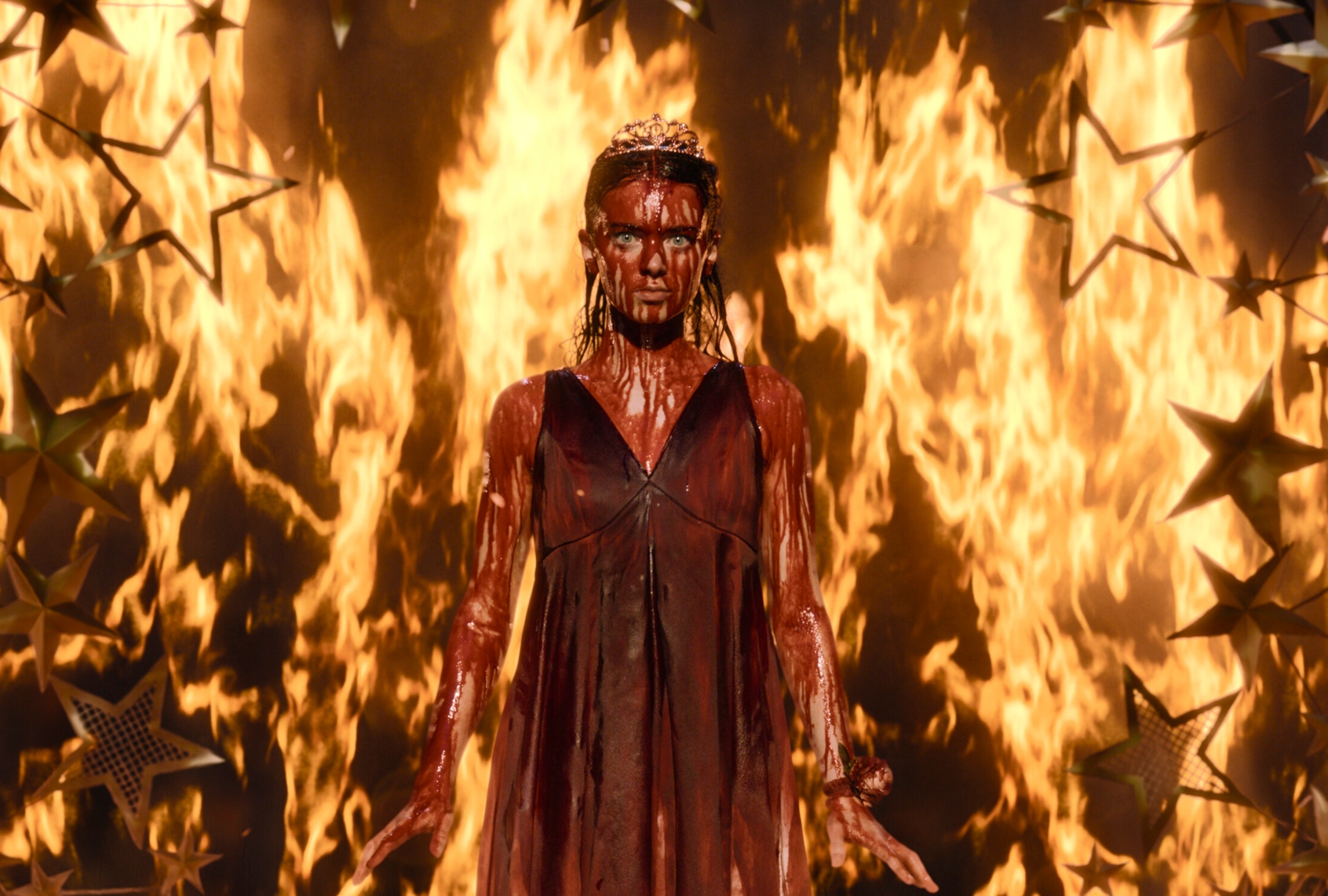
Bedward’s project investigates the true, harrowing origins of the zombie mythos within Haiti’s colonial history. Long before Hollywood transformed the undead into slack-jawed, flesh-eating shock troops, the zombie was understood by the Haitian people as a literal and spiritual manifestation of supreme dispossession—a curse forged by enslavers to deny their human property even the liberation of an independent afterlife. Black Zombie charts how early American cinema—such as Victor Halperin’s 1932 film White Zombie and 1943’s I Walked with a Zombie—systematically stripped these indigenous beliefs of their context, weaponizing racial anxieties to demonize Vodou and mischaracterize Haitian culture to justify foreign intervention and immigration fears.
"Carrie": Rebuilding a Literary Cornerstone
Stephen King’s foundational 1974 novel has weathered half a century of cultural evolution, spawning multiple cinematic and theatrical interpretations. Yet, horror auteur Mike Flanagan’s 2026 series adaptation for Amazon Prime Video has arguably sparked the most vibrant debate among fans and critics alike.
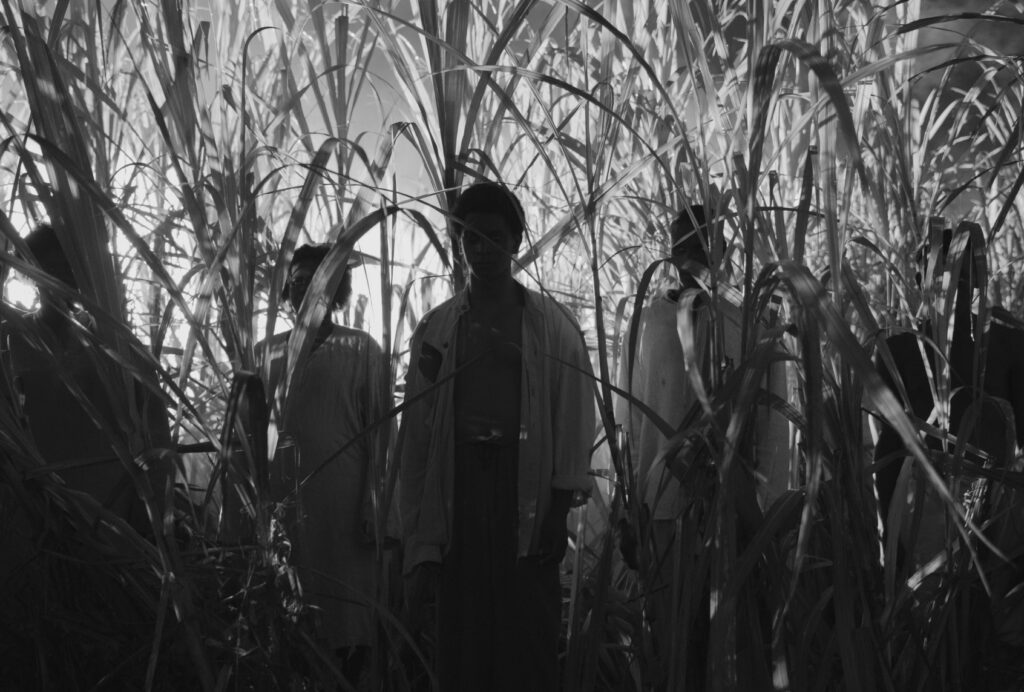
Flanagan’s vision takes deliberate risks. By reframing Carrie White (played by Summer H. Howell) as an isolated, profoundly misunderstood adolescent sequestered by religious fundamentalist parents, the series shifts the narrative lens away from simple tragic inevitability and toward institutional failure. Controversy erupted online, however, over Flanagan’s structural adjustments to the legendary prom massacre—specifically distributing culpability away from Carrie alone and hinting at an X-Men-esque superpowered trajectory for its greenlit second season. Despite the narrative friction, Flanagan successfully tethers the classic telekinetic bloodbath to modern technological horrors, replacing traditional high school cruelty with the permanent, agonizing digital footprint of viral social media shaming.
"Yaga": Myth, Murmur, and Modern Noir
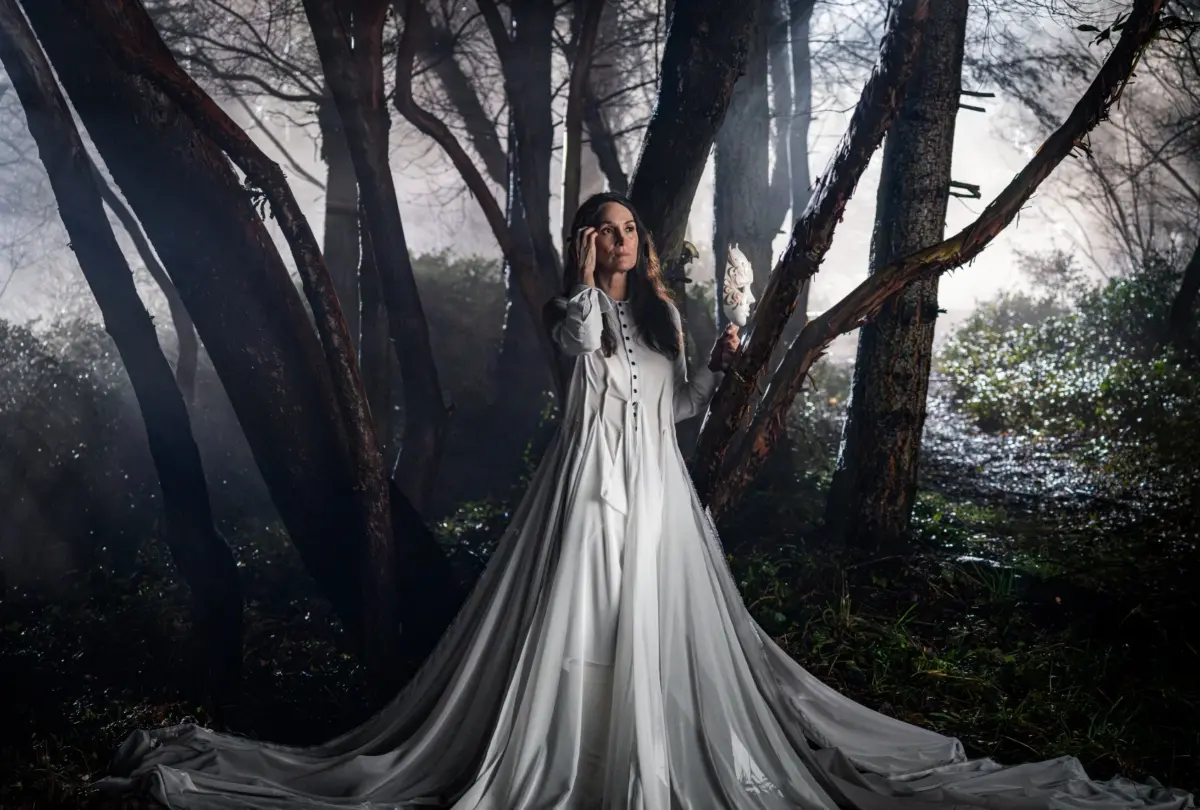
Rounding out this triad of psychological provocation is Yaga, a transgressive neo-noir thriller developed for Crave and AMC+. Written by playwright Kat Chandler, the series draws its conceptual framework not from traditional American slashers, but from Slavic folklore—specifically Baba Yaga, the ambivalent mythical crone who alternately aids heroes or lures wayward children into a moving forest hut.
Set in the lush, verdant seaside enclave of Whittock, the series follows the uneasy partnership between a morally compromised private investigator, Charlie Rapp (Noah Reid), and Carson (Clark Backo), a tired, disrespected local detective probing the disappearance of a wealthy playboy, Henry Park (Hudson Williams). Infused with softcore atmospheric tension, unexpected moments of rural absurdity involving free-range poultry, and the commanding intellectual presence of Carrie-Anne Moss as university professor Katherine Hargrove, Yaga deliberately blurs the boundaries between traditional police procedurals, erotic thrillers, and folkloric haunting.
Supporting Context & Metrics
The commercial and critical reception of these three titles highlights a broader structural evolution within the entertainment industry. Horror is no longer viewed by studio executives as a seasonal novelty or a low-budget gamble; it is recognized as a sophisticated mirror reflecting contemporary societal anxieties.
| Title | Platform / Medium | Primary Theme / Subtext | Cultural Impact / Reception |
|---|---|---|---|
| "Black Zombie" | VOD (Prime Video, Apple TV, Fandango) | Decolonizing the zombie myth, Haitian history, Vodou representation. | Universally praised by film historians and academics for correcting decades of Hollywood xenophobia. |
| "Carrie" | Amazon Prime Video (Series) | Institutional ignorance, book bans, digital bullying, parental rights overreach. | Divisive among purists due to structural changes in the finale, but lauded for its timely modern allegories. |
| "Yaga" | AMC+ / Crave | Slavic folklore, erotic neo-noir, moral ambiguity, institutional gaslighting. | Draws comparisons to classic erotic anthologies while subverting expectations through folkloric mythmaking. |
As noted by industry analysts tracking the $1.3 billion domestic box office milestone for horror in late 2026, audiences are fatigued by predictable formulas. The commercial success of intellectually demanding projects demonstrates that viewers are actively seeking out media that engages with real-world issues—whether it is the weaponization of history in Black Zombie, the contemporary crisis of book censorship and digital harassment in Carrie, or the exploration of folkloric autonomy and moral grey areas in Yaga.
Official Statements & Critical Perspectives
The discourse surrounding these releases reveals deep divisions and profound appreciations among creators, cultural commentators, and the subjects of these works alike.
The cultural rewriting undertaken in Black Zombie has drawn powerful commentary from spiritual practitioners and historians. As one featured Vodou priest noted in the documentary when reflecting on his childhood consumption of Wes Craven’s The Serpent and the Rainbow:
"It’s a fantastical world to scare children… We say, ‘Wow — Haitians are devils.’ That’s what we’re taught."
By confronting how entertainment has historically weaponized syncretic faiths to justify geopolitical marginalization, Black Zombie challenges viewers to re-examine nostalgia through an ethical lens.
On the dramatic front, Mike Flanagan’s reimagining of Carrie has drawn commentary from horror icon Stephen King himself, who publicly voiced appreciation for Flanagan’s more empathetic, nuanced framing of Carrie White’s isolation. Conversely, internet film communities remain fiercely divided over the narrative choices in the series’ climax. Defending his approach, Flanagan has emphasized that horror must evolve alongside its audience:
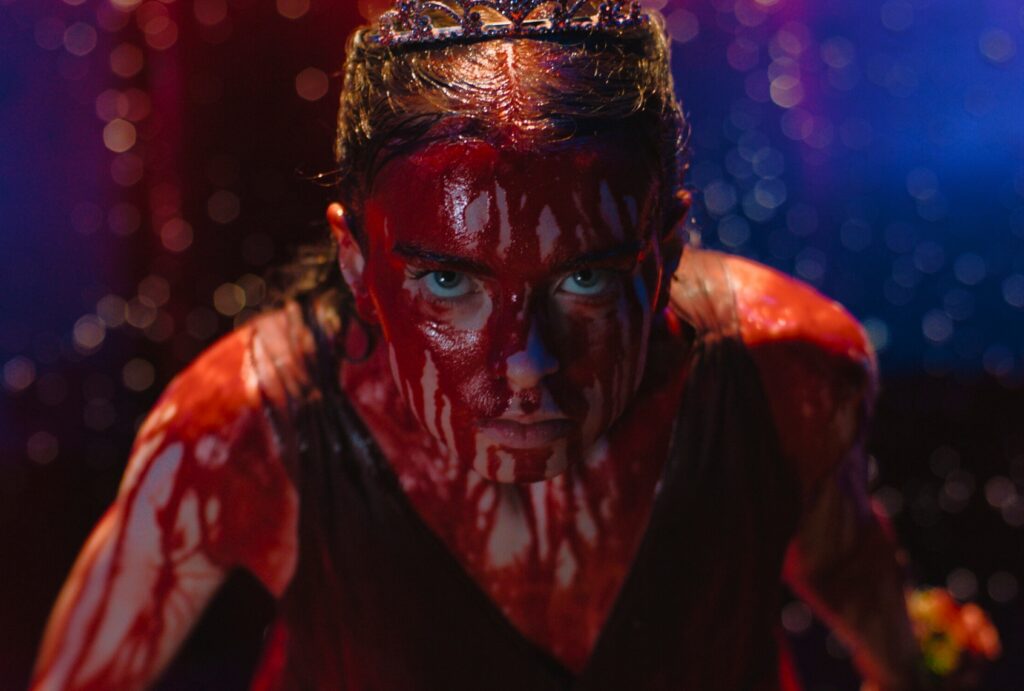
"If the core moral—that high school is an inescapable psychological hell—remains untouched, the mechanisms of cruelty must reflect the digital and political realities of the world our children actually inhabit today."
Future Outlook
As the boundaries between prestige drama, documentary storytelling, and traditional horror continue to blur, the trajectory for the genre points decidedly inward. The era of the straightforward, one-dimensional monster movie is giving way to complex narratives that demand active intellectual labor from their audiences.
Projects like Black Zombie pave the way for a deeper, more ethical engagement with folklore, ensuring that future filmmakers can no longer exploit indigenous cultures without reckoning with history. Meanwhile, risk-taking adaptations like Carrie and atmospheric genre-benders like Yaga establish that television and film platforms are increasingly willing to finance projects that refuse easy categorization.
For homebodies and horror aficionados alike, this evolution offers an encouraging promise: the most frightening stories on our screens are no longer those that hide in the dark closets or leap out from behind suburban doors. They are the ones that challenge our foundational assumptions, rewrite our collective histories, and linger in our consciousness long after the final credits roll.