

Executive Overview
For decades, the name Ken Russell has functioned as a lightning rod for controversy, artistic daring, and institutional censorship. Yet, few moments in cinematic history compare to the prolonged suppression and recent, triumphant resurrection of his 1971 religious epic, The Devils. Long sequestered to grainy digital leaks, bootleg torrents, and heavily edited video cassettes, the film has finally broken free from the vault. Warner Bros., operating through its boutique repertory imprint, Clockwork, commissioned a pristine restoration of the original director’s cut, granting the notoriously blasphemous masterpiece a highly anticipated one-week theatrical engagement (with a limited extension following due to overwhelming demand).
As the first week of its theatrical run draws to a close, the results have defied every conventional box-office metric. Sold-out screenings from coast to coast, packed houses at prestigious venues like Chicago’s Music Box Theatre, and lines snaking around city blocks have proven that audiences are hungry for experiential, uncompromised art. More than just a victory for physical media and repertory curation, the unexpected phenomenon of The Devils serves as a powerful indicator of changing consumer habits. In an era where streaming services dominate and theatrical attendance is a deliberate luxury rather than a casual habit, Ken Russell’s banned masterpiece has emerged as an unlikely savior for modern moviegoing—proving that the collective, communal magic of the silver screen is more vital than ever.
Detailed Chronology: From 17th-Century Loudun to the 21st-Century Silver Screen
To understand the cultural shockwave generated by The Devils, one must trace its dual timelines: the historical tragedy that inspired it and the decades-long war of attrition fought between its creator and the establishment.
The Historical Roots and Artistic Vision
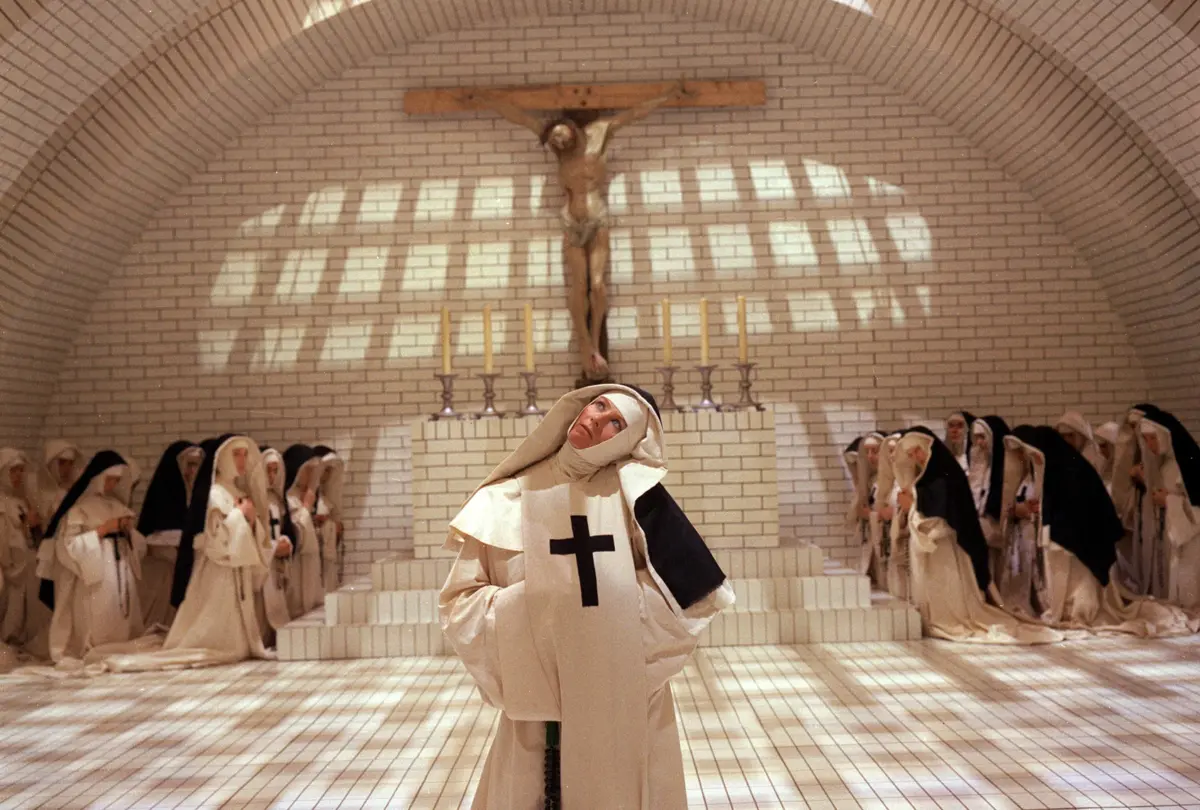
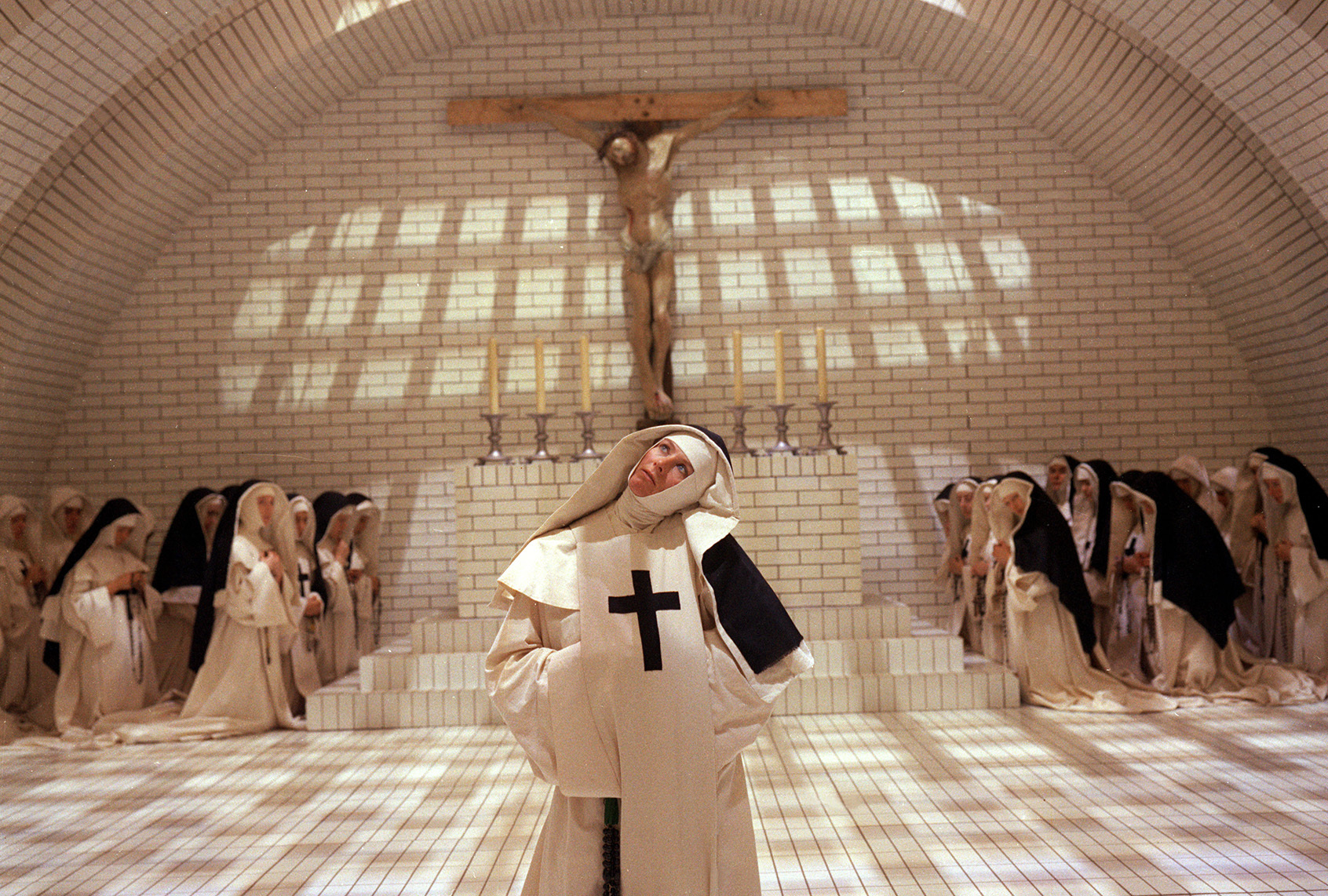
Based loosely on Aldous Huxley’s non-fiction book The Devils of Loudun and John Whiting’s play, the film dramatizes the political and sexual downfall of Urbain Grandier (played with roaring magnetism by Oliver Reed), a 1971-era provincial French priest in Loudun. Grandier’s unapologetic earthly vices and political defiance culminate in vicious accusations of sorcery. These charges are spearheaded by a convent of sexually repressed Ursuline nuns led by the hunchbacked Sister Agnes (Vanessa Redgrave), whose psychological unraveling manifests as mass hysteria, public exorcisms, and theatrical displays of sacred-profane abandon.
When Russell brought this explosive material to the screen, his trademark blend of ostentatious romanticism, bloody violence, and biting religious satire immediately alarmed studio executives. Warner Bros. panicked over the film’s explicit content—which seamlessly welded sex, sacrilege, and state-sanctioned cruelty—and demanded extensive cuts.
The Era of Censorship and Bootleg Mythos
Despite Russell’s compliance with early trims, The Devils was hit with an X rating in both the United States and the United Kingdom, while numerous international territories banned it outright. The Vatican’s swift, predictable condemnation only cemented its dangerous reputation.
For decades, the film existed as a ghost story within film culture. Though an uncensored director’s cut surfaced briefly on the festival circuit in 2002, Warner Bros. steadfastly refused to grant it a formal home media release or theatrical distribution, citing its "distasteful tonality." Consequently, generations of cinephiles were forced to hunt for compressed digital files, murky VHS dubs, and unstable torrents. It became an article of faith among film buffs: a legendary work of art locked away by nervous corporate entities terrified of its enduring potency.
Supporting Context & Metrics: The Box Office Phenomenon and Audience Deluge
The decision by Warner Bros.’ Clockwork imprint to quietly test the waters with a one-week theatrical run of the restored director’s cut was met with immediate, animalistic enthusiasm from a public starved for uncompromising cinema. What was anticipated to be a niche event for hardened cinephiles quickly ballooned into a national cultural happening.
Ticket Sales and Theatrical Milestones
At venues like Chicago’s Music Box Theatre—a premier destination for independent and repertory film—screenings sold out almost instantaneously, driving the second-largest share of the restoration’s opening-weekend box office. Kyle Cubr, the theater’s senior operations manager and assistant general manager, noted the palpable electricity among patrons.
"Patrons were abuzz around me waiting for it to start," Cubr observed. "It’s almost like when you’re a kid, and you know you’re getting away with doing something bad—you shouldn’t be watching this, but it feels so good."
The enthusiasm translated into a massive digital footprint. When journalists and cultural critics opened calls for audience testimonials regarding the screenings, expectations of a modest response were completely upended. Outlets and writers reporting on the release were met with an unprecedented deluge of hundreds of detailed accounts from across the country.
The Modern Theatergoing Experience
These testimonies painted a vivid picture of contemporary audiences engaging with repertory cinema. Viewers reported eclectic, high-energy atmospheres: crowds erupting into nervous laughter, vape clouds drifting through darkened auditoriums, passionate post-screening street debates, and even the occasional theatrical outburst over poor audience etiquette.
In New York, AMC’s Kips Bay location—slated for closure—packed every single seat for a film released over half a century ago. For many, the experience transcended simple viewing; it was an act of generational bridge-building. Younger moviegoers brought parents who had lived through the film’s original 1970s controversy, turning a night at the movies into an emotionally resonant family ritual.
Official Statements and Industry Insights
Industry professionals and cultural critics have been quick to analyze what the explosive success of The Devils means for the broader landscape of film exhibition.
Josh Svetz, a Los Angeles-based writer and music consultant, views the overwhelming turnout not as a nostalgic anomaly, but as a defining shift in how modern audiences value the cinematic medium:
"People want to time travel and experience works of art as they were intended. I don’t think the theater experience will ever completely die because there’s this singularity, this feeling in your chest, this speechlessness that comes over you when you see something great. It’s rare, but chasing that dragon? It’s worth it. The theatrical experience is a choice now rather than a necessity."
Svetz’s observation cuts to the heart of the modern film industry. In an ecosystem saturated by streaming algorithms, compressed mobile viewing, and microscopic theatrical windows, buying a ticket to a movie theater is no longer a default weekend habit—it is an intentional, deliberate act.
Furthermore, the triumphant run of The Devils sends a direct message to major studios. At a time when corporate consolidation—typified by controversial mega-mergers between legacy studios—threatens to homogenize artistic output, audiences have proven that they are actively craving bold, challenging, and historically significant art. When given the opportunity to support a faithfully restored, uncompromising masterwork, viewers responded with their wallets, signaling that commercial viability and artistic daring do not have to be mutually exclusive.
Future Outlook: A New Dawn for Repertory Cinema
As The Devils enters its second week of release, the ramifications of its success extend far beyond Ken Russell’s filmography. The unexpected triumph of Clockwork’s theatrical experiment provides a profitable blueprint for other major studios holding locked-away vaults of controversial or neglected cinematic treasures.
The Preservation Imperative
For decades, film preservationists have warned of the fragility of cinematic history, often battling corporate apathy and legal red tape. The public’s voracious appetite for The Devils proves that a commercial market exists for archival restoration. When studios invest in high-quality digital and photochemical restorations and market them with confidence, audiences will show up.
The Evolution of Audience Culture
Moreover, the communal response to the film highlights an evolving audience culture. Today’s moviegoers—particularly younger generations raised on internet film communities, digital archives, and specialized repertory cinemas—are eager to participate in shared historical events. They do not merely want to consume content; they want to engage with the ritual of cinema, complete with its absurdities, communal gasps, and passionate post-film discourse.
As Taylor Owen, a Chicago-based artist who caught the film after initial screenings sold out, aptly summarized:
"Our world is unfortunately not so different from the world the nuns of Loudun were living in. I have never seen a film like this before. I don’t think I ever will again. The Devils, in the way it was meant to be seen, is one of the most important pieces of art ever created."
In an era defined by political polarization, artistic sanitization, and corporate caution, the resurrection of The Devils stands as proof that cinema still possesses its old, anarchic power. It reminds us that audiences do not need to be coddled; they need to be challenged, dazzled, and brought together in the dark. If this historic first week is any indication, the future of the silver screen belongs not to the algorithm, but to the unyielding passion of those who still believe in the magic of the movies.