

Executive Overview
In the modern digital marketplace, the intersection of aggressive promotional pricing and niche literary subgenres rarely yields cultural phenomena. However, a recent, unexpected markdown has thrust one of the most inventive pieces of contemporary folk horror back into the public eye. Chuck Wendig’s acclaimed novel, Black River Orchard, is currently available across major digital storefronts—including Kobo and Bookshop.org—for the staggeringly low price of $2.99.
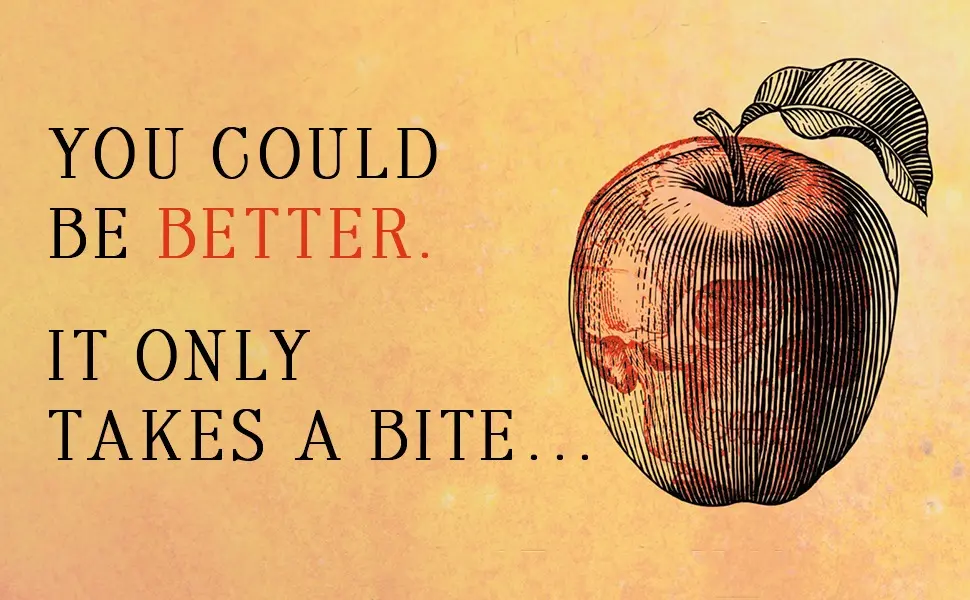
For readers looking to bridge the atmospheric gap between autumn harvest traditions and skin-crawling suburban dread, the promotion offers an accessible entry point into a masterclass of modern terror. Blending the mundane anxieties of suburban life with ancient, vegetative malice, Black River Orchard centers on the sudden introduction of a mysterious, hyper-addictive apple variety into a tight-knit community. The novel serves as a prime example of "folk horror"—a subgenre characterized by isolated communities, ancient traditions gone awry, and the terrifying indifference of the natural world—repurposed for the 21st century.
This deep-dive report examines the mechanics of the current promotional push, explores the thematic architecture of Wendig’s self-professed favorite work, analyzes the economic realities of modern ebook pricing, and evaluates the enduring appeal of agrarian-themed terror in contemporary fiction.
Detailed Chronology: From Concept to Cult Status
The genesis of Black River Orchard did not begin in a writer’s room, but rather in the author’s deeply eccentric, hyper-specific obsession with pomology—the science of apple cultivation. For years, Chuck Wendig cultivated an esoteric database of knowledge regarding forgotten apple varieties, historical orchards, and the peculiar agricultural history of North America.
The Inciting Idea
Wendig has frequently noted that the novel was born from a desire to monetize his bizarre repository of fruit-related trivia. Yet, what started as a playful thought experiment quickly metastasized into something much darker. The central conceit—what if an ancient, malevolent strain of apples was introduced to a sleepy suburban town, acting as both a narcotic and a parasite upon the populace—demanded a sweeping narrative scope.
Writing and Creative Doubt
In interviews and behind-the-scenes reflections, the author has confessed that Black River Orchard was among the most grueling writing experiences of his career. Constructing a sprawling ensemble cast of suburbanites, charting the rapid moral and physical decay of a town intoxicated by sweet, forbidden fruit, and maintaining a suffocating aura of dread required a delicate balancing act. Wendig has openly admitted moments of profound doubt during the drafting process, frequently questioning whether he possessed the technical mastery to pull off the ambitious convergence of domestic drama and apocalyptic folk horror.
Publication and Critical Reception
Upon its initial hardcover and digital release, the novel was met with praise from horror aficionados and mainstream critics alike. It carved out a unique space in the literary landscape by weaponizing one of America’s most wholesome symbols—the autumn apple orchard—and turning it into a theater of body horror and psychological manipulation.
The $2.99 Phenomenon
The recent decision by publishers and digital retailers to slash the ebook price to $2.99 marks a critical inflection point in the book’s lifecycle. By lowering the financial barrier to entry to the cost of a cheap cup of coffee, the campaign aims to convert casual browsers into dedicated readers, sparking a fresh wave of grassroots word-of-mouth promotion just as the cultural appetite for autumnal, spooky media reaches its annual peak.
Supporting Context & Metrics: The Anatomy of Modern Ebook Pricing
To understand why a $2.99 price point matters in the contemporary literary ecosystem, one must examine the broader economics of digital publishing, consumer psychology, and genre fiction trends.
The Psychology of the $2.99 Price Point
In digital retail, pricing is rarely arbitrary; it is a finely tuned psychological lever.
- The Impulse Threshold: Books priced under $3.00 bypass the typical deliberative consumer hurdles. Readers who might hesitate to spend $15.00 or $20.00 on an unknown paperback—or even $9.99 for a standard ebook—frequently treat a $2.99 purchase as an impulse buy, akin to purchasing a candy bar at the checkout counter.
- Algorithmic Velocity: On platforms like Kobo, Amazon Kindle, and independent aggregators like Bookshop.org, sales velocity dictates algorithmic visibility. A sudden influx of cheap or discounted sales pushes a book onto trending lists, catapulting it into the feeds of readers who browse by genre popularity rather than specific author searches.
The Convergence of Seasons: Apple Season Meets Spooky Season
The timing of this promotional push capitalizes on a powerful cultural calendar. The transition from late summer to deep autumn is marked by two distinct consumer surges:
- Apple Season: Characterized by U-pick orchards, cider mills, baking traditions, and romanticized agrarian nostalgia.
- Spooky Season: Spanning September through November, defined by an insatiable public appetite for horror, ghost stories, and atmospheric dread.
Black River Orchard occupies the exact mathematical intersection of these two trends. By taking an iconic symbol of wholesome, family-friendly autumn nostalgia (the crisp, red apple) and subverting it into an instrument of demonic possession and societal collapse, the novel achieves a jarring tonal resonance that few other horror works can replicate.
The State of Modern Folk Horror
Folk horror has experienced a profound renaissance in recent years, spanning film, television, and literature. Works like Midsommar, The Ritual, and Adam Nevill’s fiction have demonstrated that modern audiences are hungry for horror that moves away from urban serial killers and supernatural jumpscares, opting instead for the terror of the soil, ancient traditions, and inescapable rural landscapes. Black River Orchard adapts this British-pioneered subgenre to the American landscape, trading windswept moors for suburban cul-de-sacs and local farmers’ markets, proving that ancient malice can take root just as easily next to a suburban minivan as it can in a pagan stone circle.

Official Statements & Authorial Commentary
In characteristic fashion, Chuck Wendig’s public commentary regarding the promotion of Black River Orchard blends genuine literary pride with self-deprecating, idiosyncratic humor.
Reflecting on the grueling nature of writing the book, Wendig noted the deep personal stakes involved in the project:
"It’s definitely one of my favorite things I’ve written. Maybe the most favoritest thing I’ve written. I just am really glad I pulled it off—I wasn’t sure I was going to be able to pull it off, honestly. It was a hard book to get my hands around, but I think? Maybe?? It worked out??? Who knows. That’s your call, not mine."
Addressing the absurdity of the current digital pricing structure, the author pointed out the sheer economic mismatch between the value delivered and the cost demanded of the consumer:
"And at least you can make the call now for like, three bucks. Not even three bucks. $2.99. Can’t buy anything for that price anymore. I think three bucks even costs more than three bucks."
Furthermore, Wendig issued a humorous call to action for his readership, urging them not only to purchase and review the novel, but to engage in ritualistic bribery tailored to the book’s agrarian themes:
"If you’ve read it, then maybe tell a friend to go grab it. And then maybe leave a review somewhere! AND THEN MAYBE LEAVE ME A SECRET CACHE OF APPLES SOMEWHERE, APPLES TO APPEASE ME AND MY DARK APPETITES… OR SHOULD I SAY… APPLETITES… WHICH ADMITTEDLY I FIRST MISTYPED AS APPLETITS, WHICH IS VERY DIFFERENT."
While delivered with trademark levity, the underlying message remains earnest: Black River Orchard represents a creative high-water mark for the author, and its current accessibility offers a rare opportunity for mass readership engagement.
Future Outlook: Legacy, Discovery, and the Power of Word-of-Mouth
As Black River Orchard circulates anew at its promotional price point, its trajectory offers valuable insights into the lifecycle of contemporary genre fiction.
The Long Tail of Digital Literature
In an era where physical bookstore shelf space is fiercely contested and new releases dominate the cultural conversation for mere weeks before fading into obscurity, digital promotions act as a vital secondary engine. They grant backlist and mid-list titles a "long tail," allowing masterpieces of niche fiction to find second, third, and fourth waves of passionate disciples years after their initial hardcover debuts.
Will the Cult Following Expand?
The ultimate success of this $2.99 campaign will not be measured merely in unit sales, but in the cultivation of an expanded, dedicated fan base. Books that operate on high-concept premises—such as a town being slowly overtaken by an addictive, evil fruit—rely heavily on organic, peer-to-peer recommendations. When a reader encounters a bargain of this magnitude coupled with a narrative of this intensity, the likelihood of enthusiastic cross-promotion on social media, book blogs, and review platforms increases exponentially.
Final Assessment
For readers weary of formulaic thrillers and predictable supernatural tropes, Black River Orchard offers an intoxicating, bizarre, and deeply unsettling alternative. Whether viewed as an astute piece of modern folk horror, a satirical deconstruction of suburban consumerism, or simply an excuse to monetize a deeply weird obsession with pomology, Wendig’s novel justifies every penny of its heavily discounted price tag.
As the autumn leaves fall and the air turns crisp, prospective readers would do well to heed the call—before the ancient orchards of Black River claim yet another soul.