

Executive Overview
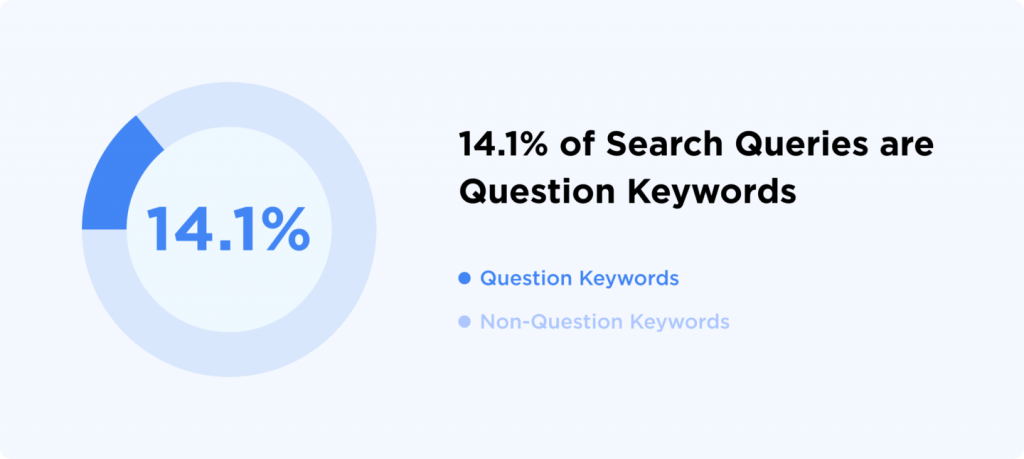
In the contemporary digital ecosystem, search engines have evolved far beyond simple digital card catalogs. Today, they function as sophisticated answer engines designed to instantly resolve human curiosity, address complex pain points, and bridge the gap between user intent and actionable solutions. Recent comprehensive search behavior studies indicate that a staggering 14.1% of all Google queries are framed as questions. When extrapolated across a staggering 3.5 billion daily searches, this translates to roughly 490 million questions asked every single day.

This paradigm shift—accelerated by the ubiquitous rise of voice-activated assistants and mobile-first indexing—presents an unprecedented strategic opening for content marketers, SEO professionals, and digital strategists. By systematically capturing and answering these queries, brands can position themselves directly in the path of high-intent consumers.
However, identifying and scaling the acquisition of these lucrative, question-based keywords remains a bottleneck for many organizations. Traditional keyword research often centers on high-volume, head-term phrases characterized by fierce competition and exorbitant advertising acquisition costs. In contrast, question-based keywords offer a dual advantage: they capture users at the precise moment of high transactional or informational intent while frequently exhibiting remarkably low keyword difficulty (KD) scores.
This investigative report provides an authoritative, step-by-step roadmap detailing four proven methodologies to scale question-based keyword research. Leveraging advanced SEO suites, community-driven forums, and search engine SERP (Search Engine Results Page) features, digital marketers can uncover a goldmine of low-competition, high-yield search terms to fuel their content engines.
Detailed Chronology: The Evolution of Search and the Rise of the "Question"
To understand why question-based keywords have become the holy grail of modern search engine optimization, one must examine the chronological trajectory of search engine algorithms and user behavior over the past decade.

Phase 1: The Era of Exact-Match Strings (Early 2000s to 2010s)
In the formative years of commercial search engines, users were conditioned to interact with algorithms using fragmented, robotic strings of keywords. A user searching for a local plumber would type "plumber chicago il" rather than asking a natural question like, "Who is the best emergency plumber in downtown Chicago?" Search algorithms relied heavily on exact-match keywords, forcing content creators to stuff articles with unnatural phrasing to rank.

Phase 2: The Semantic Shift and Hummingbird (2013)
The landscape shifted dramatically with Google’s rollout of the Hummingbird algorithm update in 2013. For the first time, search engines began prioritizing conversational search and semantic understanding. Algorithms were suddenly capable of interpreting the contextual meaning behind a query rather than just scanning for isolated keywords. This laid the groundwork for natural language processing (NLP).

Phase 3: The Mobile and Voice Search Explosion (Mid-2010s to Present)
The proliferation of smartphones, smart speakers (such as Amazon Alexa and Google Home), and mobile voice search fundamentally altered how humans interface with technology. People no longer type shorthand phrases; they speak in complete sentences.

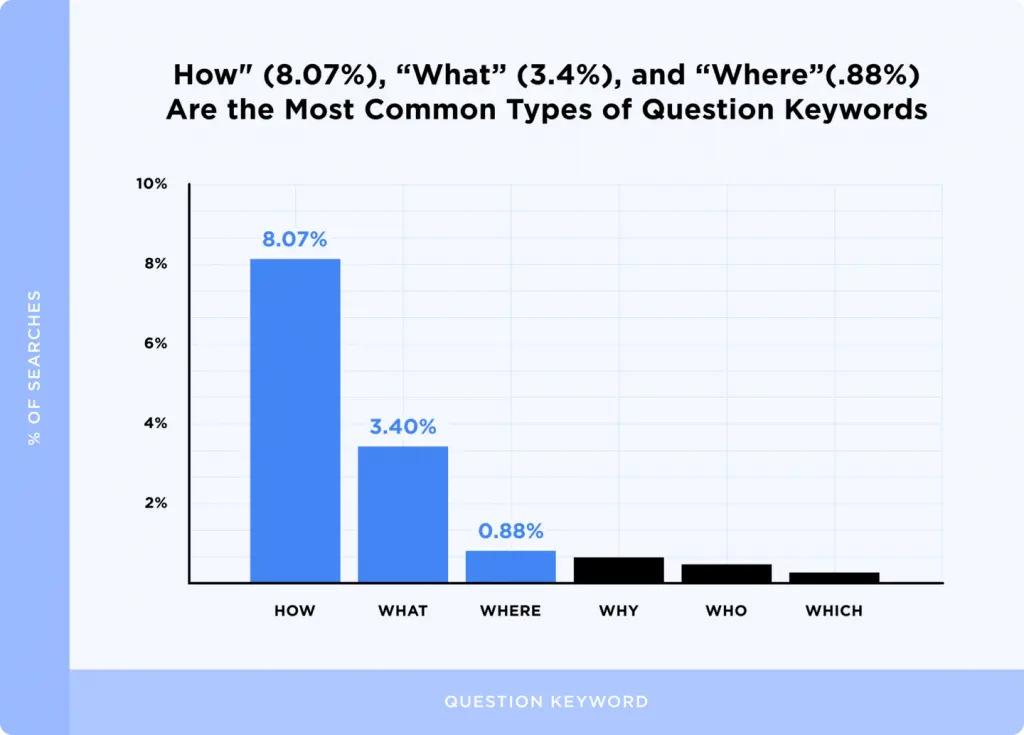
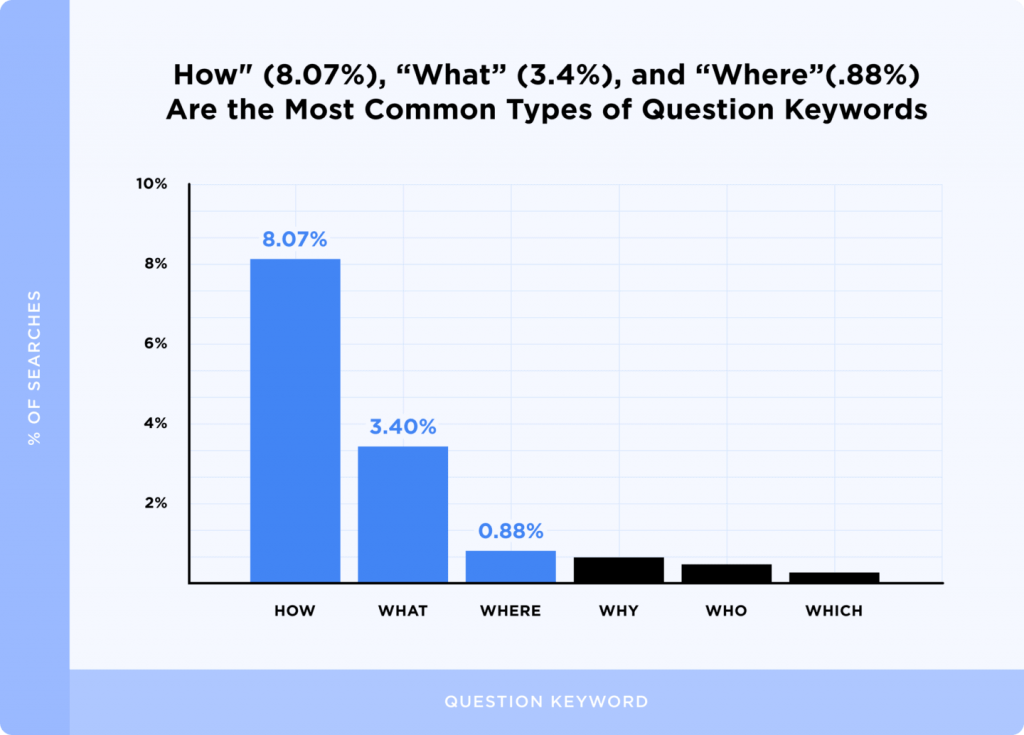
Data analytics reveal that the most dominant question types are heavily weighted toward "how" queries (representing roughly 8.07% of question-based searches) and "what" queries (accounting for approximately 3.4%). These long-tail variations represent the vanguard of modern search behavior. Consequently, digital marketers face a clear imperative: adapt content strategies to answer specific user questions or risk losing visibility to agile competitors who do.

Supporting Context & Metrics: Why Question Keywords Are a Strategic Goldmine
For decision-makers allocating resources within marketing departments, investing in question-based keyword strategies is justified by two fundamental economic and behavioral pillars: High Intent and Low Competition.
[Total Daily Google Searches: ~3.5 Billion]
       │
       ├── [14.1% Question-Based Queries] ──► ~490 Million Questions / Day
       │         │
       │         ├── [8.07% "How" Queries]
       │         └── [3.40% "What" Queries]
       │
       └── [Strategic Advantages]
                 ├── High Intent (Immediate Problem Resolution)
                 └── Low Competition (First-Page Rankings Without Massive Backlink Profiles)
1. Unmatched User Intent
When an individual types or speaks a question into a search engine bar, they are signaling a high degree of intent. They are not casually browsing; they are experiencing a specific friction point, seeking an immediate educational resource, or attempting to resolve a tangible problem.
For brands, this moment of vulnerability represents a prime conversion window. By anticipating these questions and embedding product, service, or affiliate solutions directly into the explanatory narrative, marketers can transition from passive information providers to active solution architects.

2. Lower Keyword Barriers and Reduced Competition
Because question-based keywords are inherently long-tail and hyper-specific, they traditionally attract less bidding competition from institutional enterprises targeting broad head terms.
SEO case studies consistently demonstrate that targeting well-researched question keywords often allows creators to achieve first-page rankings with minimal or even zero backlink acquisition efforts. By publishing concise, highly targeted, authoritative answers, sites can bypass the need for massive, sprawling long-form content pieces on certain niche sub-topics.
Methodologies for Scaling Question-Based Keyword Research
To capitalize on these dynamics without drowning in manual data collection, SEO professionals employ four distinct scaling tactics utilizing industry-standard tools like Semrush, community forums, and automated scrapers.
Tactic 1: Leveraging Dedicated Question-Based Keyword Reports
Top-tier SEO software suites—such as Semrush and Ahrefs—feature robust keyword magic and topic research modules designed to isolate interrogative queries from seed terms.

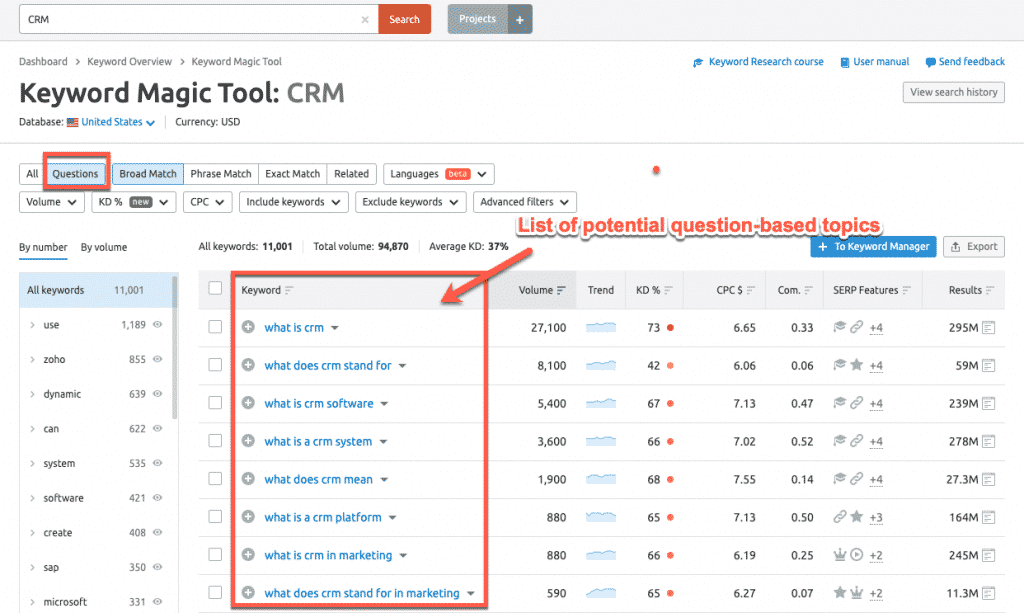
- Execution Strategy: Input a broad seed topic relevant to your product or industry (e.g., "CRM software") into an SEO platform’s keyword database.
- Filtering: Navigate to the questions report tab. Here, the software aggregates hundreds or thousands of query variations containing "how," "what," "why," "where," "when," and "can."
- Granular Analysis: While top-tier results often display high-volume, competitive queries, scrolling deeper into the report reveals ultra-specific, long-tail gems. For instance, initial queries might focus on "What is a CRM?" Moving further down yields nuanced business-case queries such as "Can a CRM be integrated with an ERP?" or "What features to look for in a CRM database?"
- Metric Evaluation: Utilize built-in Keyword Difficulty (KD) metrics—often color-coded from green (easy) to red (difficult)—to cherry-pick low-hanging fruit. Advanced filters for Intent and Grouping can further refine the list, separating informational queries from transactional ones.
Tactic 2: Mining the "People Also Ask" (PAA) Box at Scale
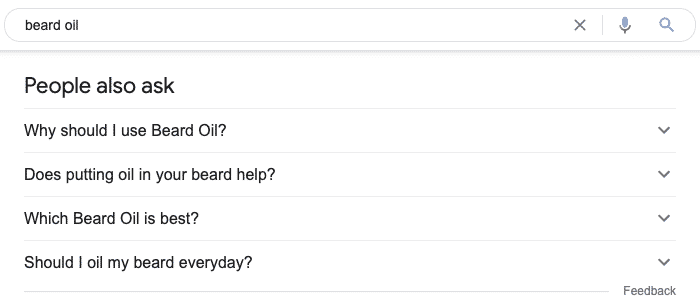
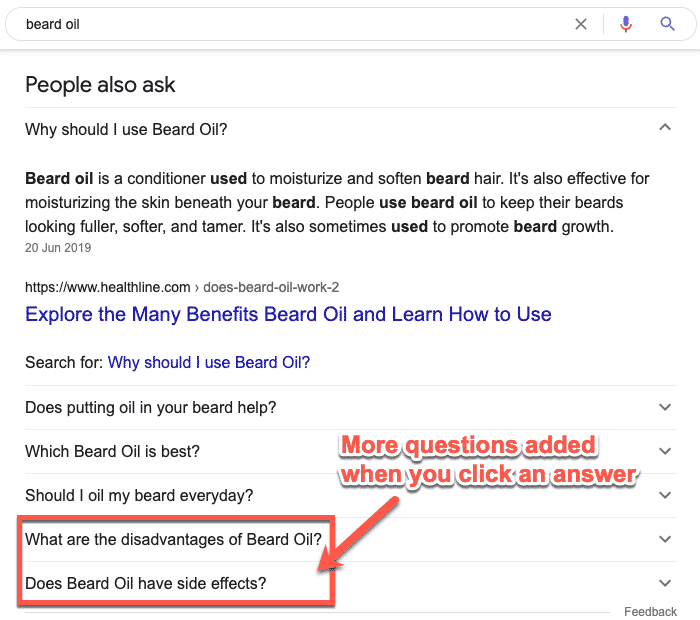
Google’s SERP features frequently display a "People Also Ask" box, dynamically generating real-time questions related to the user’s initial search string. These boxes represent a direct pipeline into active consumer curiosity.

[Seed Keyword Entered]
       │
       ▼
[Google SERP: People Also Ask (PAA) Box]
       │
       ▼
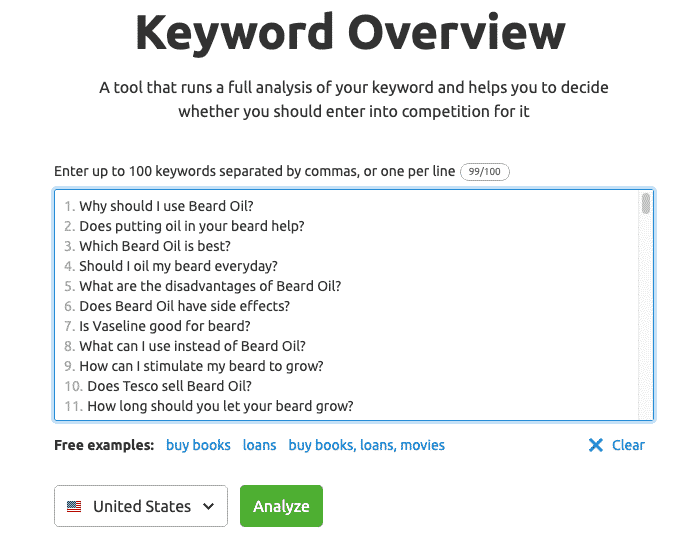
[SEO Minion Chrome Extension] ──► Export Top 100-200 PAA Records to CSV
       │
       ▼
[Semrush Keyword Overview] ──► Analyze Search Volume & Keyword Difficulty
       │
       ▼
[Content Calendar] ──► Low-Competition Content Briefs Generated- The Scaling Bottleneck: Manually clicking, expanding, and copying PAA entries one by one is inefficient.
- The Solution: Install specialized browser automation tools such as the SEO Minion Chrome extension.
- The Workflow:
- Enter a seed term into Google.
- Open the SEO Minion interface on the SERP.
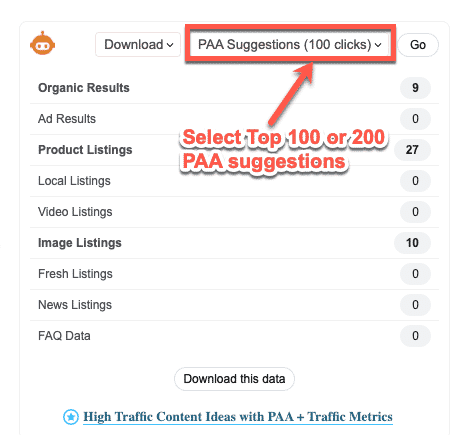
- Select the organic results download feature, instructing the tool to harvest the top 100 to 200 PAA records.
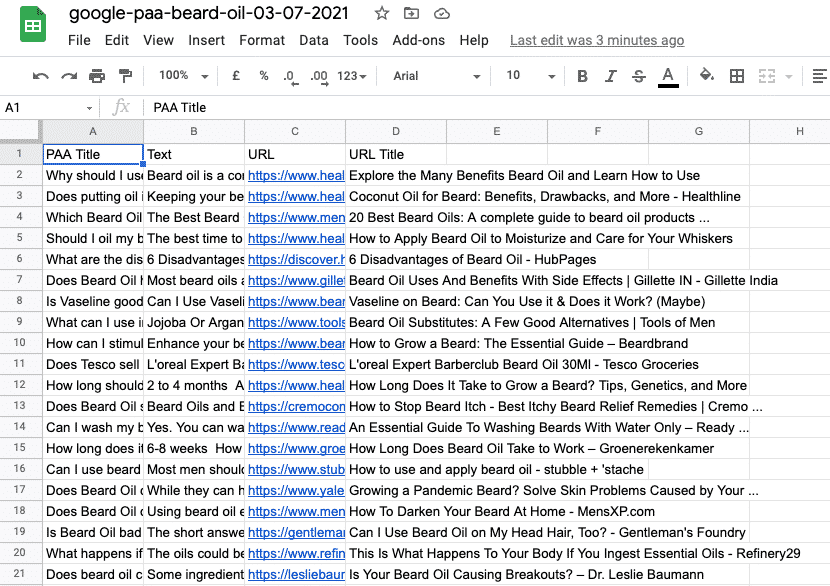
- Export the resulting CSV file containing columns for PAA Title, Text, URL, and URL Title.
- Copy the extracted question titles and paste them in bulk into a tool like the Semrush Keyword Overview tool.
- Review search volumes and difficulty metrics to filter out low-interest queries, retaining only viable, low-competition topics for your content calendar.
Tactic 3: Tapping into Niche Communities via Subreddits
Reddit hosts millions of active, highly specialized communities (subreddits) where real users debate pain points, compare software, ask niche questions, and seek recommendations. These forums are an untapped goldmine for authentic keyword research.

- Execution Strategy: Search for subreddits matching your industry, target audience personas, or competitor ecosystem (e.g.,
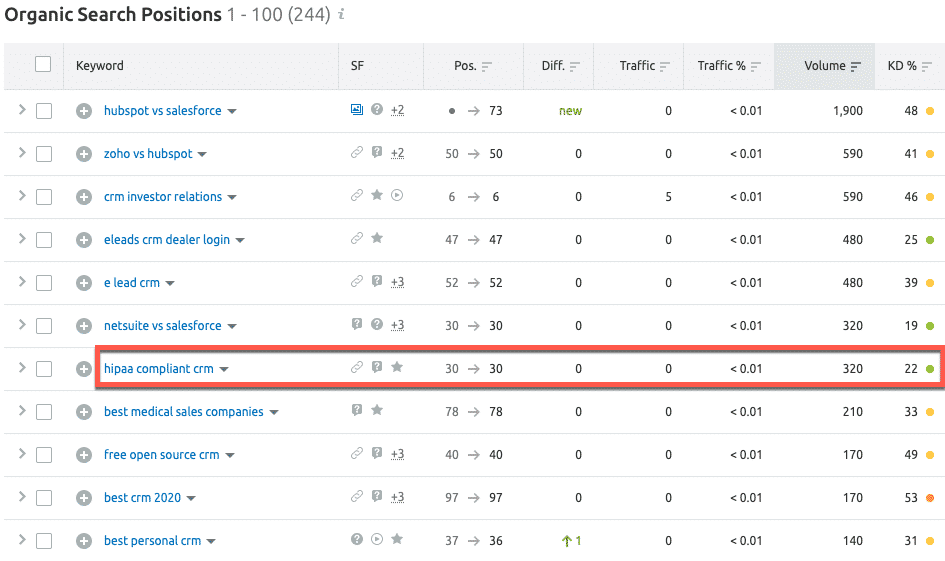
r/CRMfor customer relationship management). - Organic Research Integration: Input the specific subreddit URL or subfolder path into an SEO tool’s Organic Research report (ensuring the subfolder filter is active).
- Advanced Filtering: Apply filters to narrow down the dataset—such as filtering for search volumes greater than 20 and word counts greater than two to isolate multi-word query strings.
- Uncovering Differentiators: Review the lower-difficulty keywords. Beyond generic terms like “HubSpot vs. Salesforce,” you may discover hyper-targeted, high-value questions such as "Is HubSpot HIPAA compliant?" For a competitor organization that is HIPAA-compliant, answering this specific question directly on a blog or support page creates an immediate, highly persuasive market differentiator.
Tactic 4: Mining High-Traffic Quora Threads
Similar to Reddit, Quora ranks prominently in search engine results pages for millions of long-tail question queries. Leveraging its indexing power can yield unique keyword opportunities that traditional keyword research tools might miss.

- Execution Strategy: Access the Semrush Organic Research report, input
quora.com, and add advanced URL path filters combined with topical modifiers (e.g., incorporating terms like "how," "best," or specific product categories like "beard oil"). - Filtering for Opportunity: Review the organic ranking keywords associated with those specific Quora threads, focusing on green-tier, low-competition keyword difficulty scores.
- Curation: Identify questions that appear repeatedly across high-traffic threads. Click the marker icon to add these queries directly to your master keyword manager list. Export the final spreadsheet, develop comprehensive content briefs, and assign them to your writing teams.
Future Outlook: The Intersection of AI, Search Intent, and Content Strategy
As artificial intelligence continues to reshape search engine results pages through generative search experiences (such as Google’s Search Generative Experience, or SGE), the nature of user engagement is undergoing a seismic transformation. Algorithms are increasingly summarizing answers directly on the SERP, reducing traditional click-through rates for generic informational queries.
However, this technological evolution does not diminish the value of question-based keyword research; rather, it elevates it. To secure visibility in an AI-driven search landscape, brands must position their content as the authoritative primary source that algorithms reference and cite.

By systematically deploying the four scaling methodologies outlined in this report—utilizing automated PAA harvesting, SEO platform question filters, community forum analysis, and competitor content gap spotting—organizations can future-proof their digital footprint. Capturing user intent at the query level ensures that when consumers look for answers, your brand provides the definitive solution.
