In an era dominated by hyper-digital interfaces, algorithmic screen-time loops, and fleeting virtual fads, modern parenting experts and lifestyle commentators are steering a cultural pivot back to tactile, imagination-driven play. The latest annual compilation of youth-centric presents—gleaned from years of testing by seasoned parents, extended families, and design-conscious households—underscores a collective yearning for analog engagement. Far from resisting technological advancements entirely, today’s families are curating hybrid experiences: items that encourage cooperative board gaming, imaginative outdoor tracking, nostalgic landline simulation, and heirloom-quality craftsmanship.
This comprehensive market and lifestyle review investigates the curated selection of children’s and teenagers’ gifts making waves across households. Moving beyond generic retail roundups, this analysis explores the socioeconomic drivers, psychological benefits, and manufacturing trends dictating what families invest in during the peak holiday shopping season. From charitable plush toys funding global nutrition initiatives to ingenious novelty foods that challenge sensory expectations, the current retail landscape for youth presents reflects a sophisticated balance of whimsy, utility, emotional resonance, and timeless durability.
Detailed Chronology
The evolution of contemporary gift-giving for children and adolescents has undergone a distinct paradigm shift over the past several decades. Understanding the current marketplace requires a backward glance at how consumer habits have transformed within family dynamics.
The Shift Toward Intentional Play (2020–2022)
During the global disruptions of the early 2020s, families found themselves confined to domestic spaces, forcing a massive reevaluation of how children spent their hours. Screen fatigue reached an all-time high, prompting parents to seek out items that could sustain prolonged independent play or foster deep familial bonds. Board games experienced a massive commercial resurgence, while classic construction toys, physical outdoor gear like walkie-talkies, and open-ended artistic tools reclaimed center stage in suburban and urban living rooms alike.
The Hybrid Play Era (2023–2025)
As society re-emerged into pre-pandemic routines, children did not completely abandon digital platforms, but parents became acutely protective of analog sanctuaries. Gift guides from 2023 through 2025 tracked a noticeable surge in "phygital" or nostalgic throwback items. Adults began purchasing gifts that mirrored their own childhood memories—such as classic middle-grade novels, heirloom animal figurines, and durable fort-building kits—while filtering them through a modern lens of safety, sustainability, and aesthetic appeal.
The Current Landscape (2026 and Beyond)
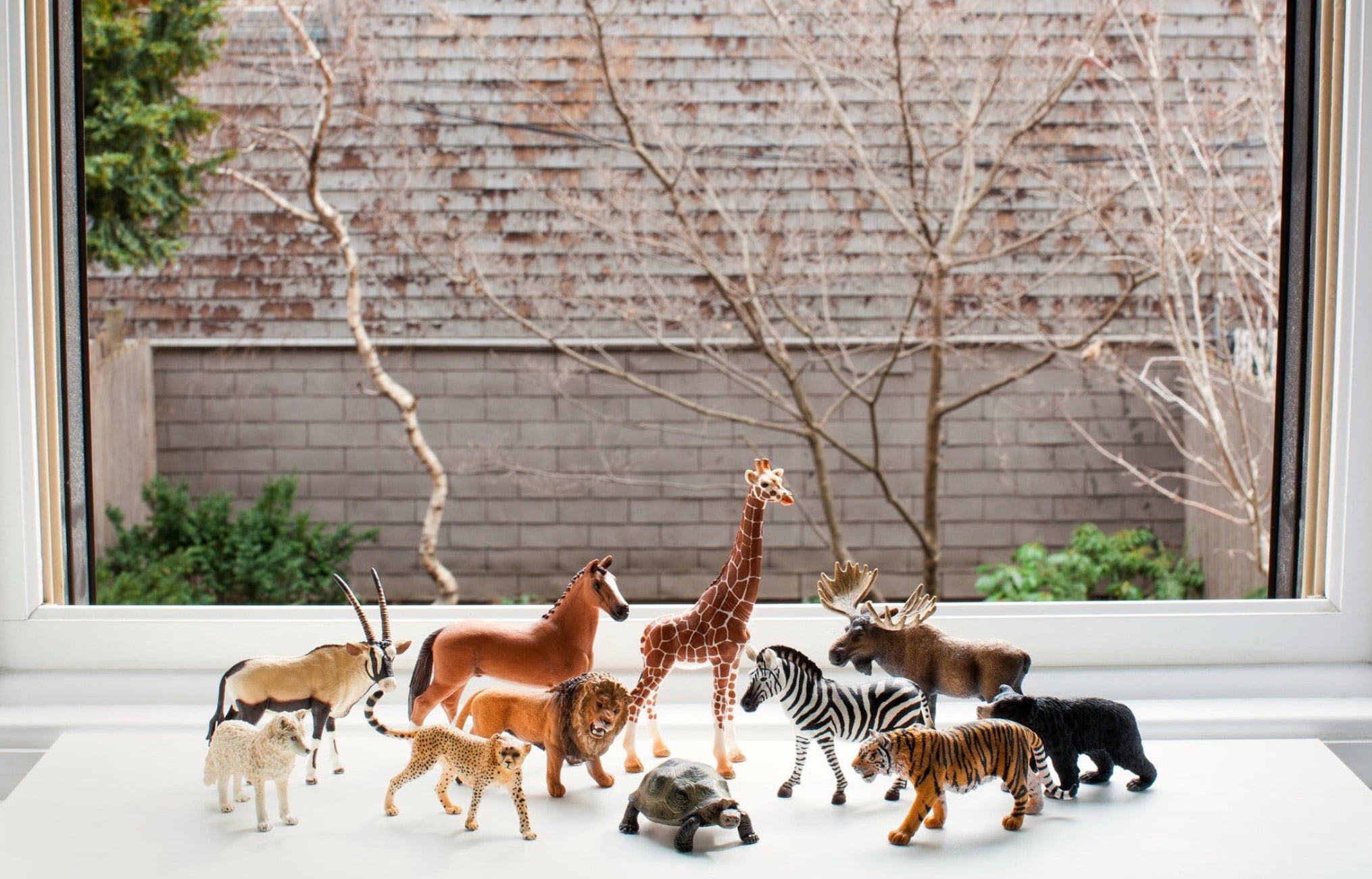
Today, the marketplace is characterized by hyper-curated, multi-generational appeal. The modern child’s wishlist is no longer partitioned strictly by age; instead, items are valued for their cross-generational engagement. High-end novelty items, such as gourmet ice cream disguised as fried chicken buckets, sit comfortably alongside heritage items like Schleich animal collectibles and handmade philanthropic plush toys. This current epoch defines success not by how many lights and sounds a toy emits, but by how deeply it integrates into daily family rituals and memory-making.
Supporting Context & Metrics
To fully comprehend the mechanics of the modern youth gifting economy, one must analyze the underlying data regarding consumer spending, psychological developmental needs, and material manufacturing standards.
Market Preferences and Spending Distribution
Consumer research within the family lifestyle sector indicates a steady willingness among parents and relatives to invest in higher-priced, durable goods rather than disposable plastic novelties.
Tactile and Imaginative Toys: Representing roughly 35% of holiday and birthday spending, items that facilitate unstructured play (such as fort kits, animal figurines, and craft materials) continue to dominate consumer baskets.
Interactive and Multi-Generational Games: Tabletop games and music-based party games account for nearly 25% of purchases, driven by a desire for screen-free family connection.
Sentimental and Personalized Items: Photo blocks, custom books, and keepsake pajamas capture a vital emotional market segment, frequently purchased by extended family members seeking to reinforce bonds across geographic distances.
Psychological Implications of Analog Play
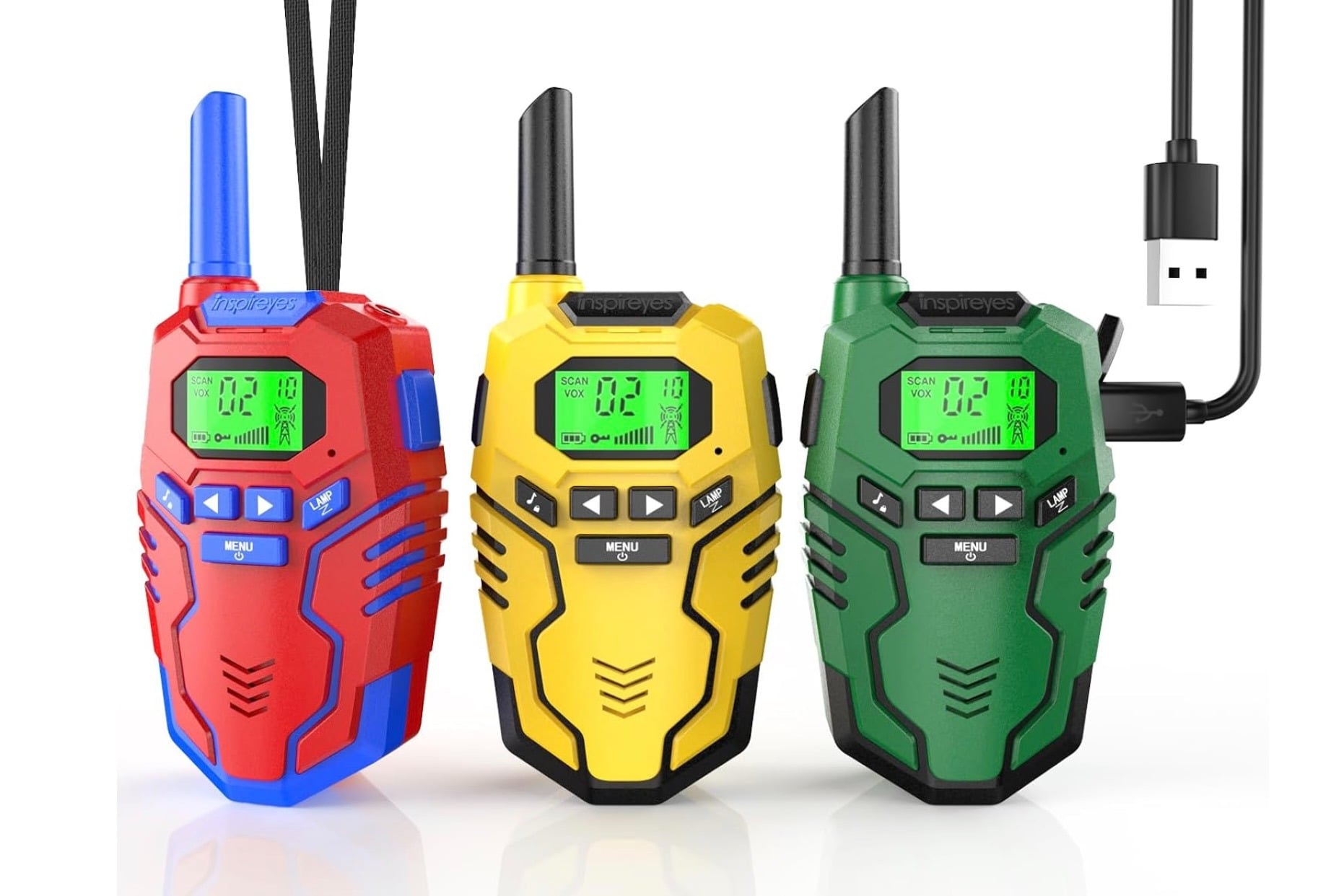
Child development specialists frequently emphasize that open-ended play materials foster divergent thinking, problem-solving capabilities, and emotional regulation. Toys that do not prescribe a rigid narrative—such as a blank notepad shaped like a bagel, a set of walkie-talkies with a two-mile neighborhood range, or modular fort-building components—require the child to supply the imagination. This cognitive heavy lifting builds neural pathways essential for executive functioning, contrasting sharply with passive entertainment consumption.
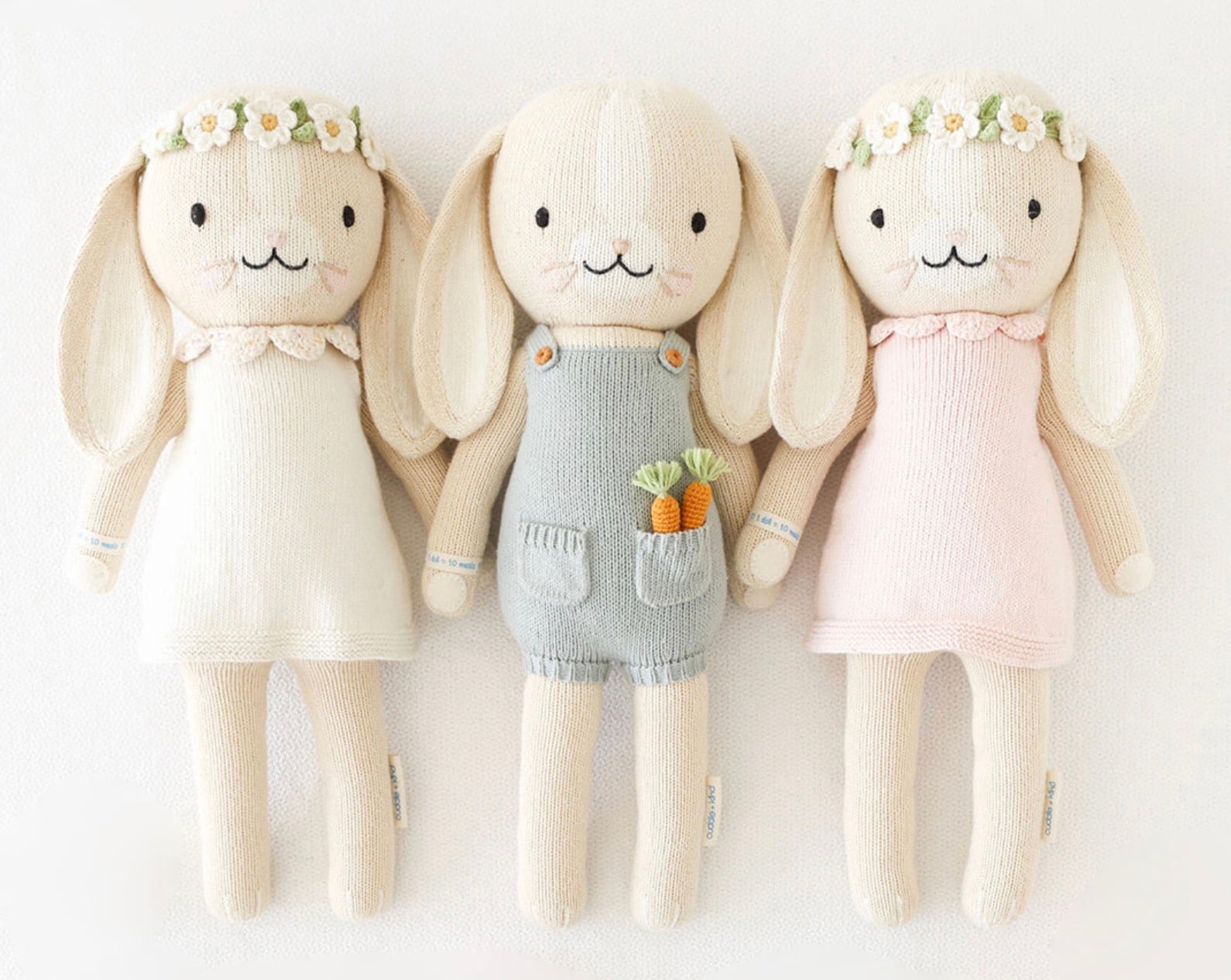
Furthermore, philanthropic integration has become a powerful metric for modern consumers. Items like handmade cotton dolls that simultaneously fund nutritional programs worldwide (having successfully delivered over 40 million meals to date) satisfy a growing demand among socially conscious parents who wish to model altruism through purchasing decisions.
Official Statements & Industry Perspectives
Industry leaders, parenting columnists, and household contributors emphasize that the secret to enduring gift longevity lies in simplicity, humor, and emotional resonance.
"When you invest in gifts that grow with a child—or items that bridge the generational gap between teenagers and their parents—you are purchasing more than an object; you are buying shared history," notes a prominent family lifestyle commentator. "Whether it’s racing the same miniature cars they loved as pre-teens into their high school years, or watching a four-year-old meticulously take restaurant orders with a guest check pad, the magic lives in the role-play and the laughter."
Educators and child psychologists echo these sentiments, pointing out that even seemingly mundane items—such as stopwatches, flashlights, and clicker counters—unlock profound avenues of exploration. By giving children access to real-world utility tools, adults validate their growing autonomy and desire to interact meaningfully with their immediate physical environment.
Additionally, product designers note a distinct consumer fatigue regarding over-engineered electronic toys. The modern parent seeks items that are aesthetically harmonious with domestic interiors—such as organic cotton pajamas, soft glowing rabbit nightlights, and meticulously hand-painted wildlife models—proving that children’s items no longer need to be visually jarring to capture a child’s attention.
Future Outlook
Looking toward the horizon, the trajectory of youth gifting and toy manufacturing points toward hyper-sustainability, emotional durability, and intentional technological minimalism.
Sustainability and Circular Economies
As environmental awareness dictates purchasing behavior, the secondary market for durable toys—such as vintage Schleich animal figurines and wooden collectibles—is projected to expand significantly. Parents are increasingly looking for items that can withstand multiple iterations of sibling use or be passed down to subsequent generations. Manufacturers that prioritize non-toxic, biodegradable, and ethically sourced materials will capture an increasingly dominant market share.
The Counter-Digital Movement
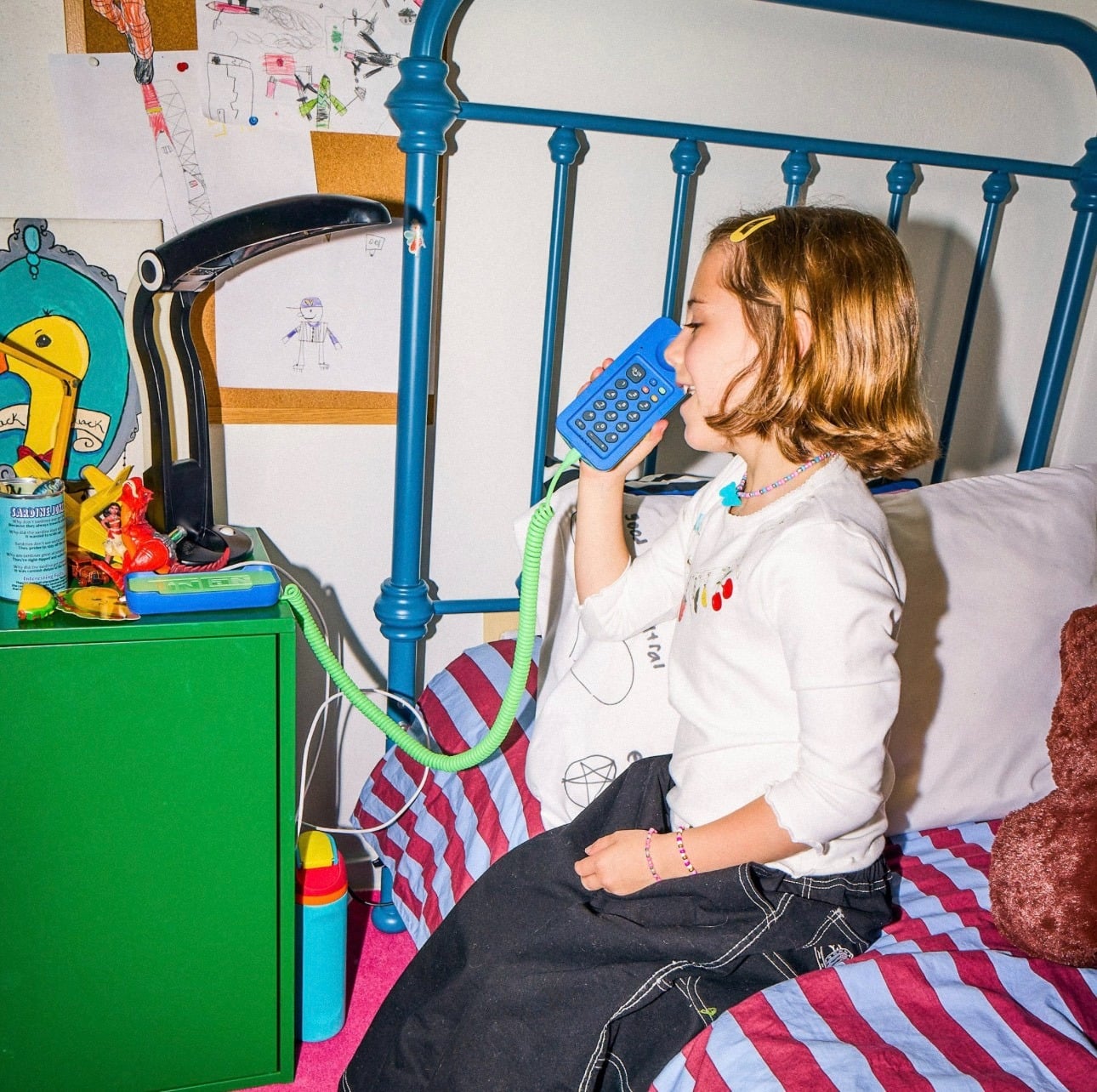
As augmented reality and artificial intelligence seep further into educational and entertainment spheres, a robust counter-movement is expected to emerge. The demand for completely offline, tactile experiences—such as landline-simulated WiFi communication devices, neighborhood-wide walkie-talkie missions, and physical board game tournaments—will likely experience accelerated growth. The ultimate luxury in the coming decade will not be connectivity, but the intentional, protected sanctuary of disconnection.
In conclusion, the curation of gifts for children and teenagers has evolved into an art form that marries nostalgia with modern mindfulness. By prioritizing items that spark genuine interaction, honor children’s intelligence, and respect the aesthetic and ethical values of the modern household, gift-givers can ensure that presents remain cherished long after the wrapping paper has been cleared away.