

Executive Overview
The political landscape of the United States experienced a tectonic shift following the dramatic results of the November 2026 midterm elections. What many political analysts anticipated might be a modest correction instead materialized as a historic democratic surge. Sweeping victories across critical swing and traditionally red states transformed a predicted "blue ripple" into an undeniable blue wave—and ultimately, a political tsunami. The ramifications of this sweeping electoral rebuke have immediately reverberated across Washington, DC, throwing the incumbent administration’s agenda into turmoil, scrambling the 2028 presidential math, triggering high-stakes media confrontations, and forcing a profound reckoning across conservative media and political circles.
This comprehensive report examines the multifaceted fallout from last Tuesday’s vote, featuring insights from veteran CNN data analyst John King, a breakdown of President Donald Trump’s revealing post-election sit-down with CBS News’ 60 Minutes, the bizarre media circus surrounding potential White House staffing changes, the shifting battlegrounds for the 2028 presidential nominations, and a landmark labor decision involving one of America’s premier journalistic institutions.
Detailed Chronology: From the Magic Wall to the Post-Election Scramble
Tuesday Night: The Blue Tsunami Unfolds
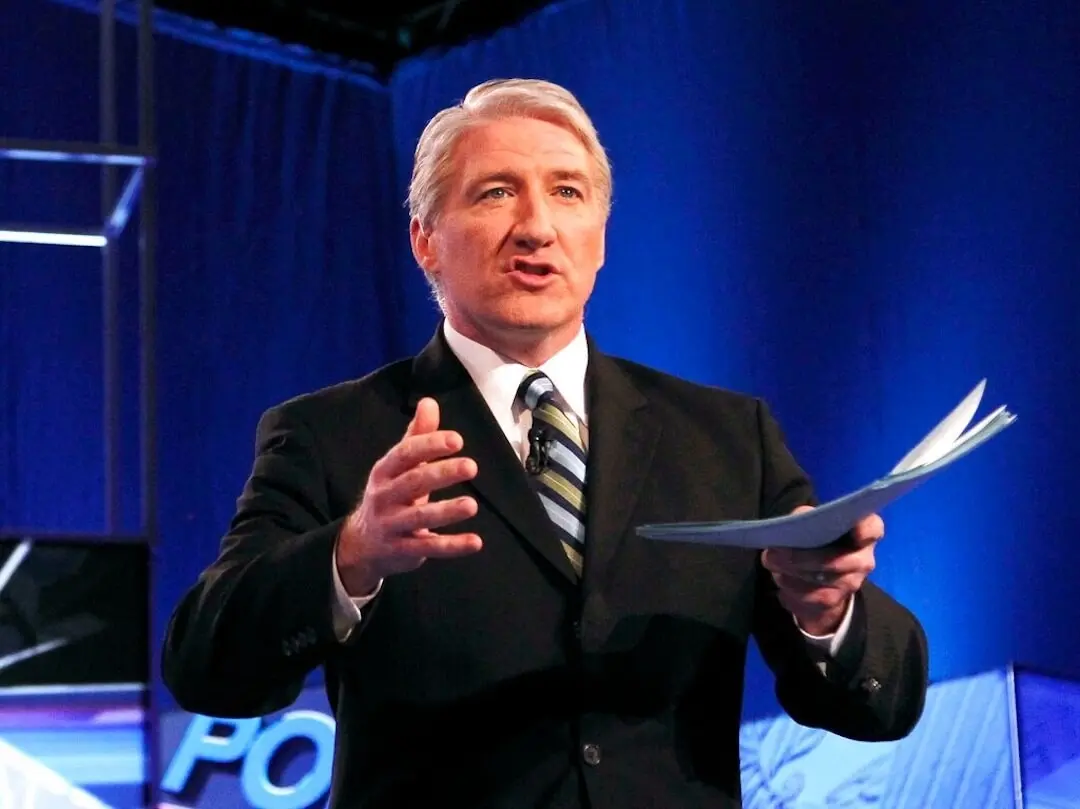
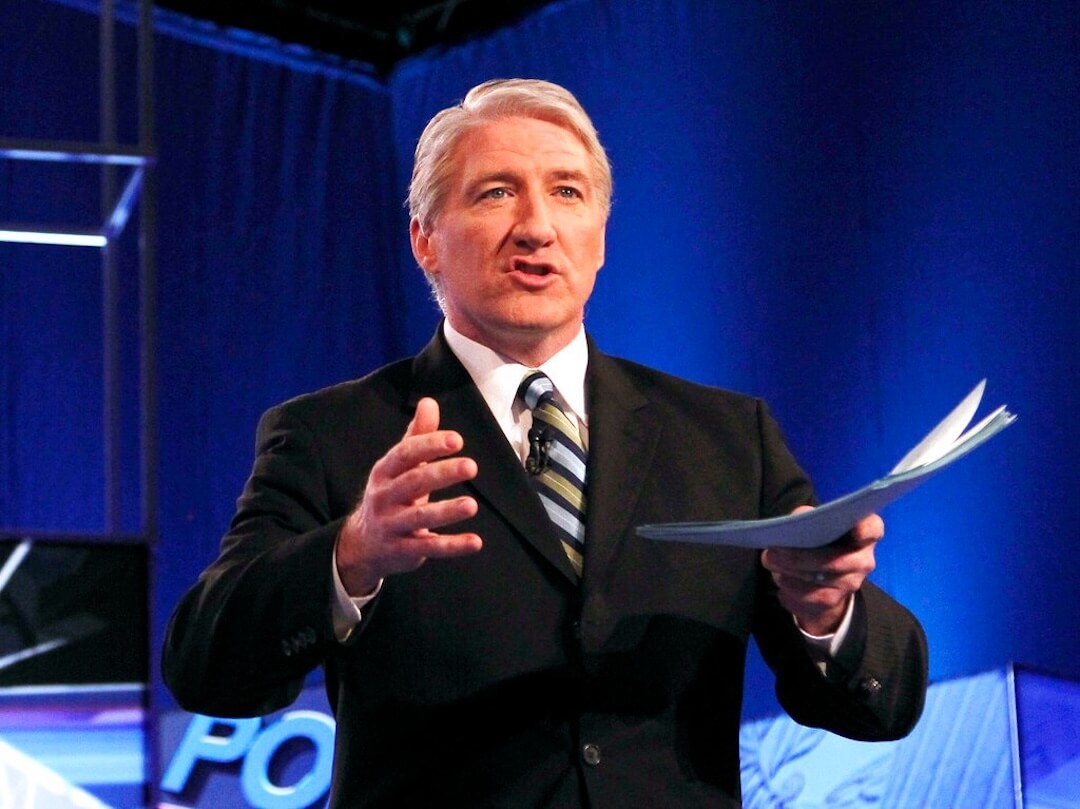
As the polls closed on Tuesday evening, CNN’s veteran anchor and data maestro John King took his familiar post in front of the network’s high-tech "Magic Wall" at the Washington, DC, bureau. What began as a steady trickle of competitive returns quickly transformed into an avalanche of Democratic triumphs. States that had long been strongholds of the MAGA movement or formidable battlegrounds—including Ohio, North Carolina, Michigan, Maine, Kansas, and even Texas—flipped or registered historic margins for Democratic candidates.
Appearing on the latest episode of The Poynter Report Podcast, King admitted that even seasoned election observers were caught off guard by the sheer velocity and magnitude of the vote. "Not at the size or the scope," King told the podcast when asked if he expected such overwhelming dominance entering election morning.
Unlike analysts who rely purely on computerized polling aggregators, King credited his team’s exhaustive, boots-on-the-ground reporting strategy for offering a clearer picture of voter sentiment prior to election day. Traversing 18 states and executing over 30 reporting trips, King and his crew sat down at kitchen tables with everyday Americans to listen directly to their anxieties, aspirations, and economic frustrations. Looking back at the data map, King unhesitatingly labeled the outcome "historic."
Sunday: Trump Faces the Press on 60 Minutes
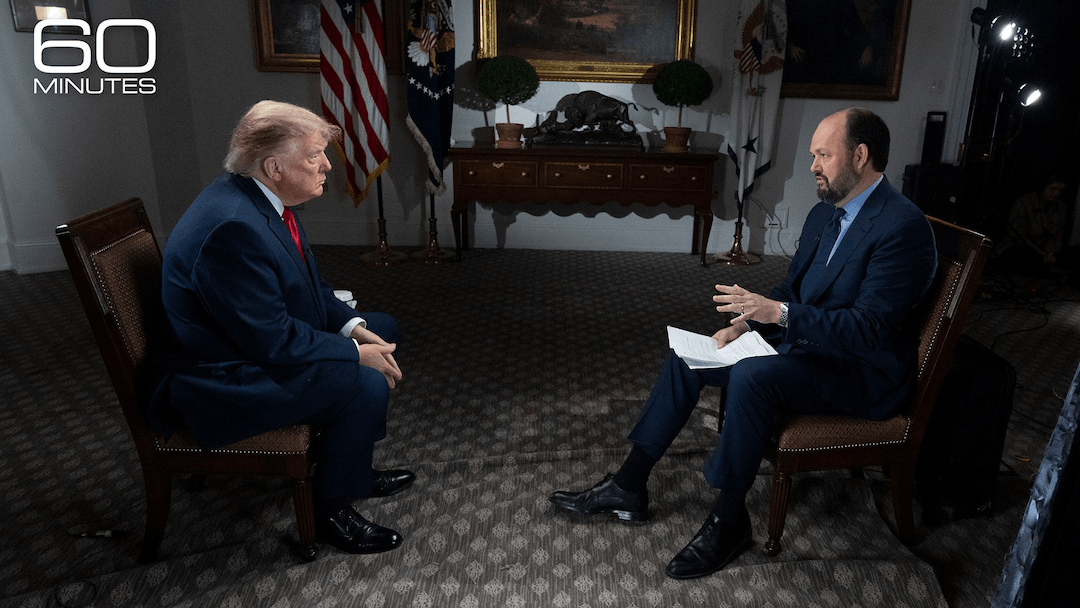
As the dust settled on Capitol Hill, President Donald Trump sat down for an extensive, two-segment interview with newly minted 60 Minutes correspondent Ross Douthat. Broadcast on Sunday, the interview represented the administration’s first major televised post-mortem on the midterm debacle.
Pressed on the Republican party’s catastrophic performance, Trump distanced himself from the ballot while acknowledging underlying public dissatisfaction. "Well, No. 1, I was not on the ballot," Trump stated. "I think if I was on the ballot, it would’ve been a much different situation because you saw the level of popularity and love… You had to transfer those voters, however, to candidates that they didn’t like."
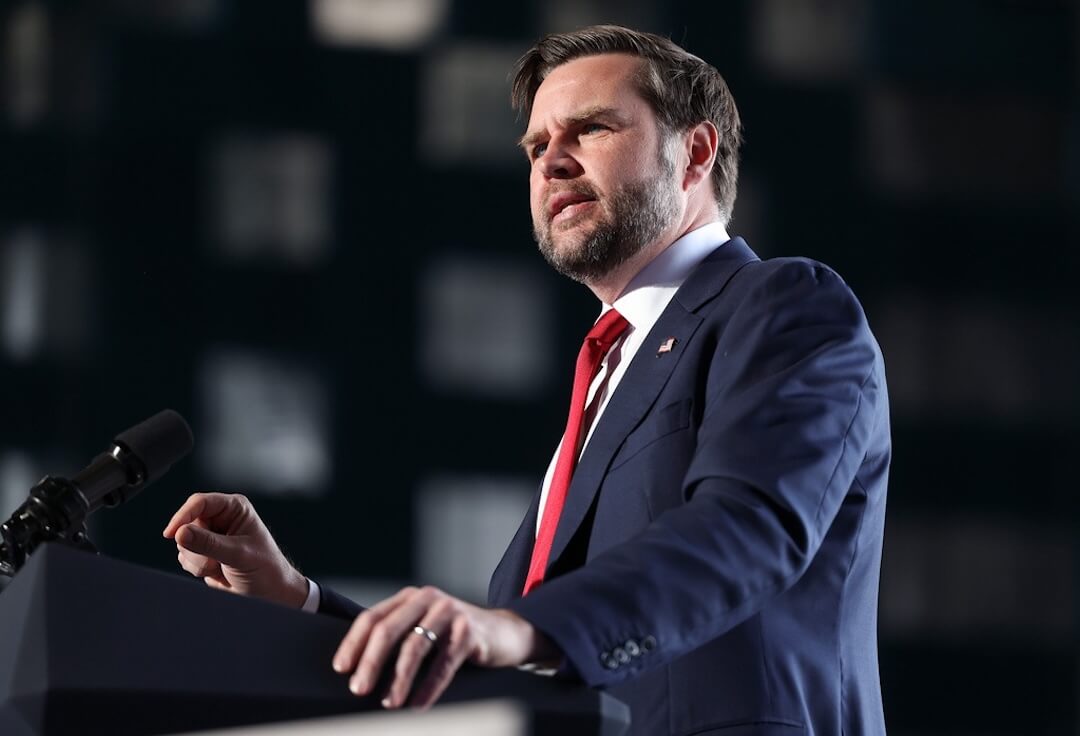
Trump further pointed to voter weariness surrounding ongoing foreign conflicts, inflationary pressures on gasoline, and shifting public sentiment regarding international policy as key catalysts for the defeat. When Douthat raised Vice President JD Vance’s assessment that the protracted war with Iran significantly damaged GOP electoral prospects, Trump conceded: "I don’t disagree."
The interview took a tense turn during the second segment when Douthat challenged the president regarding the reported $3 billion expansion of his net worth during his second term, questioning whether foreign investors were utilizing business ventures with his family to buy political influence. Trump dismissed the premise, claiming he devoted "almost no time" to his net worth and asserting that the figures were exaggerated.
The exchange concluded with a philosophical line of questioning regarding mortality and forgiveness. When asked if he could muster love and forgiveness for fierce political adversaries like James Comey and Nancy Pelosi to enter paradise, Trump offered a characteristically unyielding response: "I found them to be extremely dishonest people… I probably cannot do that, no, because I do hate some of my enemies and I always will."
The Weekend Media Circus: Dana White and the Press Secretary Mystery
While policy analysts dissected the election returns, Washington was gripped by a surreal administrative farce over the weekend. President Trump took to Truth Social on Saturday to announce that he had offered the high-profile position of White House Press Secretary to Ultimate Fighting Championship (UFC) CEO Dana White.
The announcement, written in Trump’s signature hyperbolic style, called White a "violent Fighter and Warrior" and jokingly requested that he bring along an international entourage of mixed martial arts legends to "defend us against the Lunatic Left."
While initial reports from CNN indicated that White had "declined the unorthodox idea," White himself poured fuel on the fire while attending a UFC event in London, confirming he was flying to Washington to hold formal talks with the president. Pundits and reporters scrambled to determine whether the proposal was an elaborate public relations stunt, a serious attempt to project strength, or a genuine administrative appointment. The confusion was compounded by a viral social media conspiracy theory suggesting Trump’s inner circle had actually intended to recommend Dana W. White, the former Pentagon chief spokesperson during Trump’s first term—a mix-up reminiscent of past campaign logistics blunders.
Supporting Context & Metrics: The 2026 Midterm Realities
The sweeping nature of the 2026 midterm results has fundamentally altered the legislative balance of power in Washington and state capitals nationwide.
- Congressional Power Shift: Democrats successfully flipped control of key congressional chambers, immediately empowering leadership to launch aggressive oversight and investigative inquiries into executive branch operations.
- Voter Motivations: Exit polling and localized reporting indicated that economic pressures, healthcare accessibility, foreign policy fatigue, and a growing voter pushback against polarization were central drivers of the turnout wave.
- Administrative Turnover: The search for a functional White House press secretary remains a critical vulnerability for the administration. Following the departure of Karoline Leavitt in August and a historically brief, five-day tenure by her successor, Katie Zacharia, the administration faces mounting pressure to secure a competent communications chief to manage the impending congressional investigations.
Official Statements and Institutional Shifts
Ron DeSantis Targets Conservative Media Infrastructure
Speaking at the University of Notre Dame over the weekend, outgoing Florida Governor Ron DeSantis delivered a scathing critique not only of the Republican Party’s campaign strategies, but of the broader right-wing media ecosystem.
In remarks reported by Mediaite, DeSantis argued that the conservative media landscape requires a fundamental structural overhaul. "A lot of that is a grift, and it’s pay-to-play, and it’s just not offering very much in the way of strong ideas," DeSantis stated, calling for a more grassroots-driven culture capable of sustaining a decade of ideological battles rather than relying on personality-driven infotainment.
Karen Attiah Declines Washington Post Reinstatement
In the media sector, a major labor battle reached a definitive conclusion over the weekend. In September 2025, The Washington Post abruptly terminated opinion columnist Karen Attiah following social media commentary regarding race and gun control in the wake of public violence.
Attiah mounted a vigorous legal and arbitration challenge against the publication. In August, an independent arbitrator ruled that the newspaper had wrongfully terminated her contract and ordered her immediate reinstatement alongside back pay.
However, in a Substack post published over the weekend, Attiah announced that she had ultimately accepted a financial settlement with the Post and would not return to the newsroom. "While I remain proud of the victory, I came to the painful realization that returning to The Washington Post meant coming back without the guaranteed freedom and institutional support to do what I loved," Attiah wrote, closing a contentious chapter on institutional journalism and editorial independence.
Future Outlook: The 2028 Presidential Field Scrambles
With the midterm ballots barely counted, the national political apparatus has already pivoted its gaze toward the 2028 presidential cycle. The historic nature of the midterm drubbing has thrown early assumptions completely out of alignment.
The Republican Dilemma
Vice President JD Vance, who was widely regarded as the heir apparent to the MAGA political movement and the presumptive 2028 Republican nominee, now faces severe political headwinds. According to reports from The Wall Street Journal, allies of the vice president have expressed private skepticism regarding whether any Republican can successfully claim the White House in the shadow of the current administration’s electoral repudiation.
This vulnerability has emboldened a fresh wave of potential contenders eager to seize control of the party’s future.
- Florida Governor Ron DeSantis has quietly launched a media blitz, positioning himself for a prospective national campaign.
- Georgia Governor Brian Kemp is actively weighing a bid, according to close associates.
- Texas Senator Ted Cruz is reportedly aligning with prominent strategist Jeff Roe of Axiom Strategies to lay groundwork for a run.
- Meanwhile, traditional establishment donors continue to court Secretary of State Marco Rubio, though Rubio has consistently maintained his loyalty to Vice President Vance and signaled little personal interest in entering the 2028 primary fray.
The Democratic Renaissance
On the opposing side of the aisle, the Democratic primary field is experiencing an unprecedented surge of enthusiasm and talent. The Wall Street Journal categorized the emerging 2028 Democratic hopefuls into three distinct tiers:
- The Executive Alumni: Figures such as former Vice President Kamala Harris, former Transportation Secretary Pete Buttigieg, and prominent administration alums.
- The Statehouse Governors: A formidable bench of executive leaders including JB Pritzker (Illinois), Gavin Newsom (California), Andy Beshear (Kentucky), Josh Shapiro (Pennsylvania), and Wes Moore (Maryland).
- The Legislative Leaders: Rising stars from Capitol Hill and the Senate, including Representative Alexandria Ocasio-Cortez, Senators Raphael Warnock, Jon Ossoff, Mark Kelly, Ruben Gallego, Elissa Slotkin, Cory Booker, and Representative Ro Khanna.
As Washington adapts to a divided government, an embattled executive branch, and an energized opposition party, the events of this past week serve as a stark reminder of the volatility inherent in modern American democracy. The road to 2028 has officially begun, and the political establishment will be feeling the aftershocks of the 2026 midterms for years to come.
