

Executive Overview
For decades, virologists, immunologists, and evolutionary biologists have stood captivated—and deeply unsettled—by one of nature’s most consequential biological paradoxes. Bats, accounting for roughly one-fifth of all mammalian species, serve as the natural, asymptomatic reservoirs for some of the most lethal pathogens known to humanity, including the Marburg, Ebola, Nipah, and SARS-like coronaviruses. Yet, these flying mammals rarely succumb to the devastating pathologies that afflict humans and other terrestrial mammals upon contracting these same viral agents.
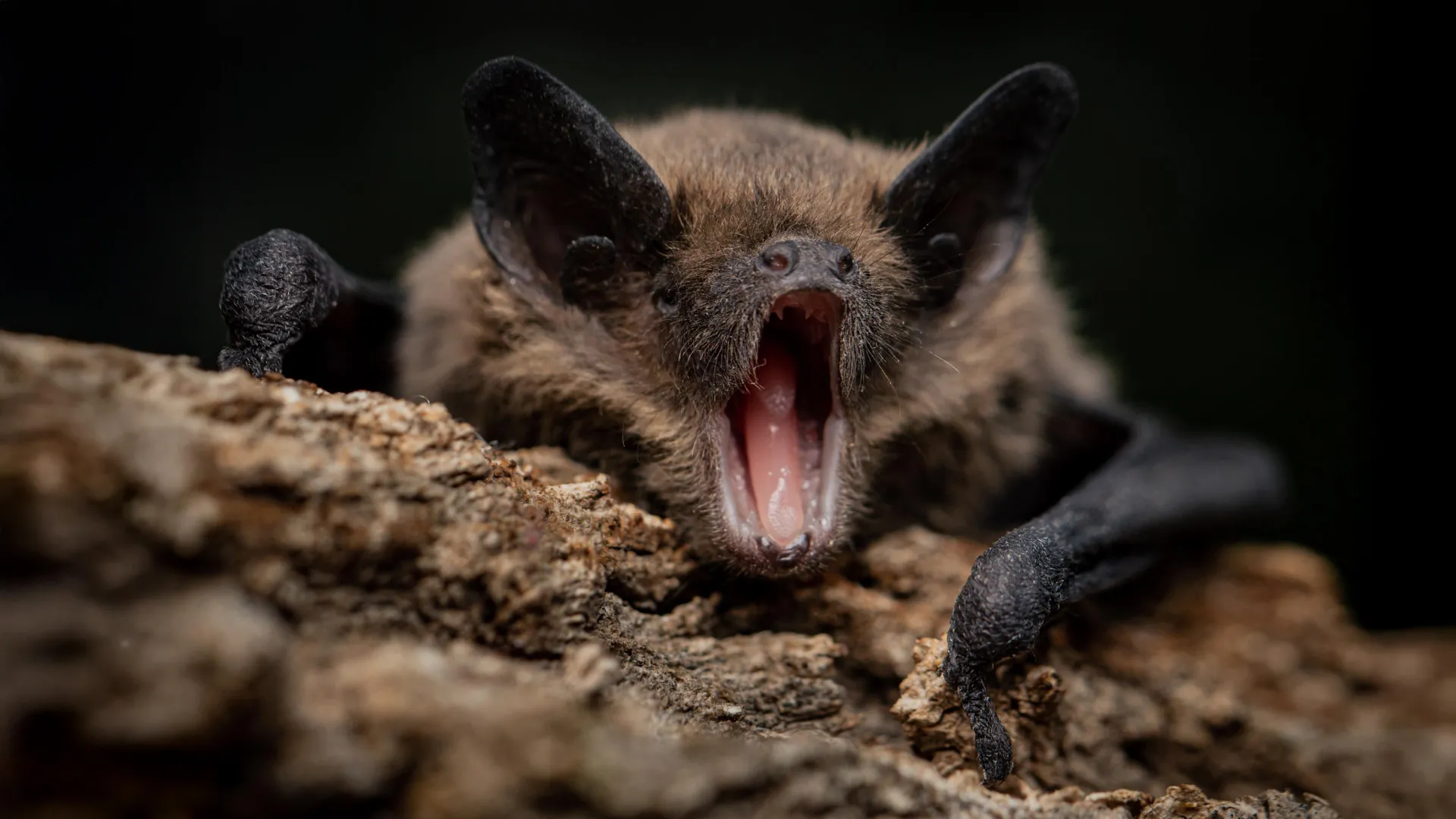
Now, a groundbreaking collaborative study published in Science Advances has brought humanity a step closer to solving this enduring evolutionary riddle. Spearheaded by researchers at Tulane University, in partnership with colleagues at Stanford University and the Centers for Disease Control and Prevention (CDC), the research team has uncovered an unprecedented genetic anomaly: the world’s largest family of bats possesses two distinct, functional copies of the genes responsible for producing disease-fighting antibodies.
To date, every other known mammal on Earth—from mice and elephants to cetaceans and humans—possesses only a single set of these critical immune-system blueprints. This structural duplication radically alters our understanding of how mammalian adaptive immunity can be organized, weaponized, and evolved. While researchers caution that this genetic discovery is not a standalone "silver bullet" explaining the entirety of bat viral tolerance, it unveils a staggering layer of immunological complexity. By casting a revealing light on the adaptive immune system of vesper bats—a sprawling family encompassing over 500 species—this research opens unprecedented pathways for biomedical exploration, potentially shaping future therapeutic interventions, pandemic prevention strategies, and our fundamental understanding of vertebrate immunology.
Detailed Chronology: Unraveling the Genetic Architecture of Bat Immunity
The Longstanding Enigma of Chiropteran Resilience
To fully appreciate the magnitude of the Tulane-led discovery, one must trace the trajectory of chiropteran immunology research over the past thirty years. As zoonotic spillover events increasingly threatened global public health, scientists intensified their focus on wild animal reservoirs. Bats repeatedly emerged at the epicentre of viral emergence. However, researchers observed a glaring contradiction: despite hosting massive viral loads, bats rarely exhibited clinical signs of disease, organ failure, or systemic inflammation.
Historically, the scientific consensus focused on the innate immune system—the body’s rapid, non-specific first line of defense. Previous studies highlighted how bats maintain a constitutively active antiviral state, characterized by the perpetual baseline expression of interferons and dampened inflammatory pathways. This delicate equilibrium allows bats to suppress viral replication without triggering the hyper-inflammatory cytokine storms that typically cause mortality in human patients.
Yet, the adaptive immune system—the specialized, highly targeted network responsible for producing antibodies and immunological memory—remained largely understudied in bats, largely assumed to mirror the canonical mammalian model.
The Breakthrough at Tulane, Stanford, and the CDC
The tide turned when an interdisciplinary team of geneticists, evolutionary biologists, and virologists turned their analytical lens toward the adaptive immune repertoire of vesper bats (Vespertilionidae), the most diverse and geographically widespread family of bats on the planet.
Utilizing advanced genomic sequencing technologies and comparative bioinformatics, the research team mapped the genetic sequences governing immunoglobulin production. In standard mammalian biology, antibodies (immunoglobulins) are characteristically Y-shaped proteins constructed from two identical heavy chains and two identical light chains. The genetic instructions for constructing these heavy chains have long been understood to reside within a single, unified genomic locus.
However, when analyzing the genomic architecture of vesper bats, the researchers discovered a startling divergence: the DNA sequences revealed not one, but two distinct, fully realized heavy-chain gene systems. This duplication event is entirely unprecedented within the mammalian lineage. By maintaining two independent sets of heavy-chain genes, vesper bats possess the genetic machinery required to theoretically construct a vastly expanded, structurally diverse repertoire of antibodies—equipping their immune systems to recognize and neutralize an extraordinary breadth of pathogens with pinpoint precision.
Supporting Context & Metrics: The Anatomy of an Evolutionary Marvel
The Scale and Scope of Vesper Bats
To understand the ecological context of this discovery, one must examine the subjects of the study. Vesper bats comprise more than 500 distinct species, representing nearly a third of all bat species globally. Thriving on every continent except Antarctica, vesper bats occupy an astonishing array of ecological niches, ranging from dense tropical rainforests to arid temperate zones.
Their evolutionary success is matched only by their ecological indispensability. As prolific pollinators, crucial seed dispersers, and voracious natural pest controllers—consuming millions of agricultural insects nightly—bats sustain the structural integrity of global ecosystems. Yet, this high population density, coupled with complex social structures and long lifespans relative to their body size, creates an ideal crucible for viral maintenance and co-evolution.
Breaking Down the Immunological Mechanics
To grasp why two heavy-chain gene systems matter, one must examine the mechanics of antibody generation:
- Standard Mammalian Model: Humans, mice, and all other sequenced mammals rely on a single genomic locus encoding the heavy chains of immunoglobulins. Through somatic recombination and hypermutation, these organisms generate antibody diversity from this single blueprint.
- The Vesper Bat Exception: By harboring two separate heavy-chain gene systems, vesper bats possess a duplicated molecular toolkit. This structural redundancy and diversification capacity potentially allow their B-cells to undergo recombination pathways unavailable to other mammals.
- Immunological Plasticity: This dual system may enable vesper bats to maintain robust, broad-spectrum humoral immunity while simultaneously tolerating persistent viral infections that would overwhelm standard immune architectures.
| Feature | Standard Mammals (Humans, Mice, etc.) | Vesper Bats (Vespertilionidae) |
|---|---|---|
| Heavy-Chain Gene Systems | Single set of genes | Two distinct, functional sets of genes |
| Primary Focus of Past Research | Adaptive & Innate Immunity balanced | Historically skewed toward Innate Immunity |
| Antibody Diversity Potential | Standard somatic recombination limits | Expanded combinatorial potential via dual loci |
| Viral Tolerance | Prone to severe immunopathology | High tolerance / Asymptomatic reservoirs |
Official Statements: Perspectives from the Front Lines of Research
The significance of the discovery has resonated deeply throughout the global scientific community, prompting reflections on the limitations of traditional mammalian models and the boundless ingenuity of natural evolution.
Dr. Hannah Frank, associate professor of ecology and evolutionary biology at the Tulane University School of Science and Engineering and the corresponding author of the study, emphasized the paradigm-shifting nature of the findings.
"We’ve never seen anything like this in a mammal before," Dr. Frank stated, capturing the astonishment of the research team. "This completely changes our understanding of how mammalian immune systems can be organized and raises exciting new questions about why bats have been so evolutionarily successful and how they respond to viruses."
Dr. Frank was careful to contextualize the discovery within the broader framework of viral host dynamics, noting that while the dual antibody system does not single-handedly solve the mystery of bat viral reservoirs, it represents a monumental piece of a complex biological puzzle.
"We think this discovery is an important piece of the puzzle," she explained. "It doesn’t fully explain why bats are such effective viral reservoirs, but it reveals a level of immune variety we didn’t know existed and gives us an entirely new direction to explore."
Furthermore, Dr. Frank highlighted the philosophical and methodological shift required in biomedical research, urging scientists to look beyond standard laboratory models when seeking solutions to global health challenges.
"We’ve learned an enormous amount about immunity by studying humans and laboratory mice," Dr. Frank observed. "लेकिन (but) the natural world is far more varied than that. Every time we study a species that has evolved differently, we have the opportunity to discover something entirely new."
Future Outlook: Implications for Human Medicine and Pandemic Preparedness
As the dust settles on this publication in Science Advances, the scientific community is already pivoting toward the future, mapping out the next phases of research inspired by Tulane’s findings.
Expanding the Genomic Search
One of the immediate priorities for Dr. Frank and her collaborators at Stanford and the CDC is determining just how widespread this dual heavy-chain system is within the broader chiropteran order. While the discovery was confirmed in vesper bats, researchers are eager to investigate whether other major bat families—such as fruit bats (Pteropodidae), which are also renowned viral reservoirs—possess similar genetic adaptations, or if this trait is uniquely characteristic of vespertilionids.
Translating Bat Biology to Human Therapeutics
The ultimate translational goal of studying bat immunology is not merely academic curiosity; it holds profound potential for human medicine. By understanding the molecular mechanisms that allow bats to neutralize pathogens without inducing harmful inflammation or disease, biomedical engineers and immunologists hope to:
- Design Novel Therapeutics: Mimic the protective pathways of bat antibodies to develop broad-spectrum antivirals capable of neutralizing multiple viral strains in human patients.
- Mitigate Spillover Risks: Enhance surveillance and predictive modeling by identifying specific immunological triggers that cause viruses to jump from asymptomatic wildlife reservoirs into human populations.
- Improve Vaccine Design: Harness insights from bat adaptive immunity to engineer vaccines that elicit more durable, cross-reactive immune responses in humans.
A New Era of Comparative Immunology
Ultimately, the Tulane University-led study serves as a powerful reminder of the untapped wisdom contained within the natural world. For decades, biomedical research has been constrained by a narrow focus on a handful of model organisms. By embracing comparative genomics and exploring the wild architectures of non-traditional species, science is unlocking revolutionary perspectives on health, disease, and survival.
As researchers continue to decode the genetic armor of vesper bats, humanity moves one step closer to not only understanding the masters of viral coexistence but also safeguarding our own global health against the pathogens of tomorrow.