

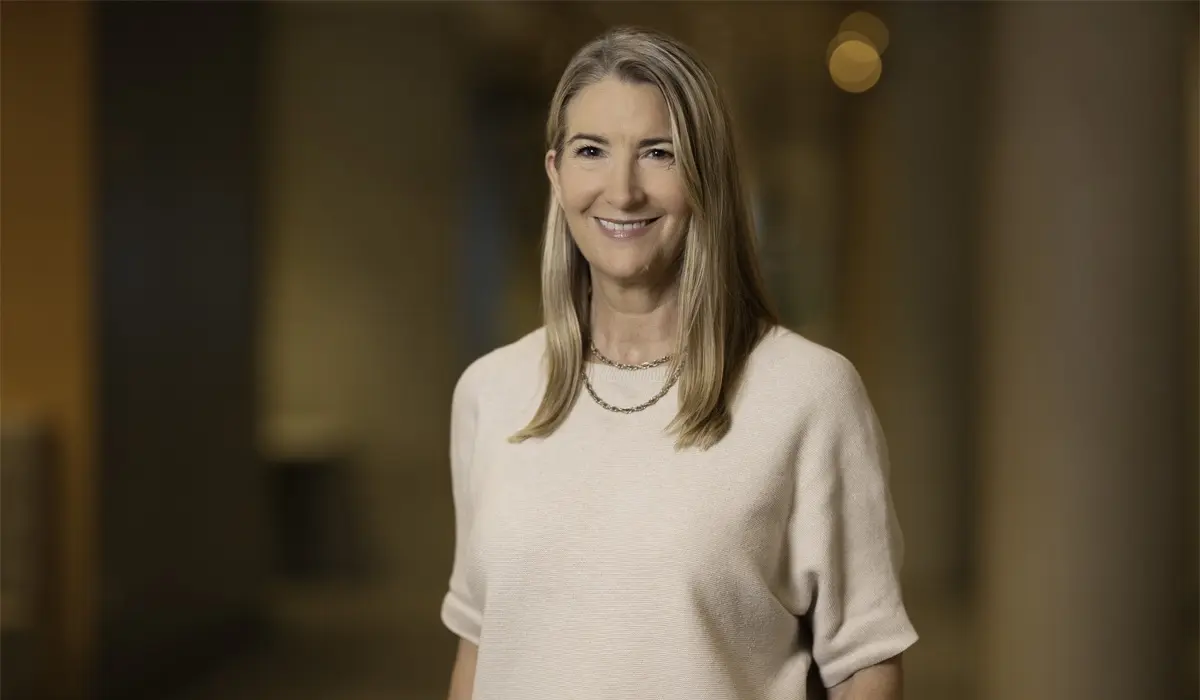
BURBANK, Calif. — In a decisive move signaling a deeper alignment between its storytelling engine and retail operations, The Walt Disney Company has announced the appointment of longtime corporate executive Joss Hastings as Senior Vice President of Marketing for Disney Consumer Products (DCP).
The high-profile appointment comes on the heels of a significant structural reorganization that shifted the DCP division out of Disney’s Parks, Experiences and Products sector and placed it squarely within the Disney Entertainment business under the broader Studios umbrella. In her new capacity, Hastings will spearhead global marketing initiatives for DCP, bridging the gap between cinematic storytelling and consumer merchandise. She will report jointly to Asad Ayaz, Chief Marketing and Brand Officer at Disney, and Lisa Baldzicki, President of Disney Consumer Products.
This strategic realignment reflects a broader corporate philosophy: ensuring that every blockbuster theatrical release, streaming series, and franchise expansion is intrinsically linked to tangible consumer goods from day one. As the entertainment landscape grows increasingly competitive, Disney is leaning heavily into its unmatched synergy to capture consumer wallet share across multiple touchpoints.
Executive Overview
The appointment of Joss Hastings to lead global marketing for Disney Consumer Products is not merely a routine executive shuffle; it is a calculated chess move designed to unify Disney’s formidable creative output with its merchandising might. For decades, Disney has set the gold standard for synergy—the infamous "corporate flywheel" where a movie drives toys, toys drive theme park visits, and theme park visits drive streaming subscriptions. However, modern entertainment consumption habits, digital fragmentation, and shifting retail dynamics require a more agile, centralized approach.
Under the new operational framework, Hastings will be tasked with dismantling historical silos between Disney’s film studios, franchise management teams, and consumer products division. By unifying regional marketing efforts and forging tighter collaborations with global retail partners, Hastings aims to streamline how Disney brings its iconic intellectual properties (IP)—from Marvel and Star Wars to Pixar and classic Disney animation—to physical and digital shelves.
The decision to place DCP under the Disney Entertainment and Studios umbrella underscores the company’s intent to make consumer products an upstream consideration during the creative development process, rather than an afterthought once a film or series has already premiered.
Detailed Chronology: The Evolution of Disney’s Consumer Products Segment
To understand the weight of Hastings’ new appointment, it is crucial to examine the structural evolution of Disney Consumer Products over recent years. The division has undergone several organizational transformations as successive executive teams have attempted to optimize the balance between digital experiences, theme parks, and tangible goods.
The Pre-Merger Era and Departmental Silos
Historically, Disney Consumer Products operated with a degree of autonomy, licensing out characters and stories to third-party manufacturers while managing an expansive global footprint of Disney Stores. However, as the company expanded through monumental acquisitions—acquiring Pixar in 2006, Marvel Entertainment in 2009, and Lucasfilm in 2012—the volume of merchandise demand exploded. Managing these diverse universes required a more cohesive marketing apparatus.
The Parks, Experiences, and Products (DPEP) Era
In 2018, former CEO Bob Iger and corporate leadership consolidated Disney’s consumer products business with its parks and resorts division, forming Disney Parks, Experiences and Products (DPEP). The rationale at the time was to group all physical, consumer-facing touchpoints under one massive umbrella. Retail operations, licensing, publishing, games, and theme parks were managed cohesively to maximize the physical guest and consumer experience.
While this structure yielded strong financial results during periods of robust retail growth, the rapid rise of direct-to-consumer (DTC) streaming via Disney+ fundamentally altered how consumers engaged with franchises. Entertainment consumption shifted from episodic theatrical releases to continuous, year-round digital engagement.
The Recent Pivot: Moving DCP to Disney Entertainment
Recognizing that modern merchandise sales are increasingly driven by streaming series drops, digital fandoms, and transmedia storytelling, Disney leadership initiated a strategic pivot. The company recently moved DCP out of the Experiences sector and into Disney Entertainment, directly aligning it with the Studios umbrella.
This structural migration places consumer products closer to the creative originators—the filmmakers, showrunners, and studio executives who birth the intellectual property. By integrating DCP into Disney Entertainment, the company can synchronize product release schedules with content premieres far more effectively than was possible under the DPEP structure.
The Appointment of Joss Hastings
Against this backdrop of corporate restructuring, the elevation of Joss Hastings represents the culmination of her extensive tenure within the Disney corporate ecosystem. Known for her strategic acumen and deep understanding of franchise marketing, Hastings is uniquely positioned to execute the vision outlined by Ayaz and Baldzicki. Her mandate is clear: build a unified, frictionless global marketing machine that translates cinematic and streaming success into global retail dominance.
Supporting Context & Metrics: The Financial and Strategic Stakes
The consumer products division is not a peripheral revenue stream for The Walt Disney Company; it is a foundational pillar of its financial engine. Understanding the metrics and market dynamics that underpin Hastings’ appointment reveals why this structural shift is so critical to Disney’s long-term profitability.
The Power of Consumer Products in Disney’s Balance Sheet
While box office receipts and streaming subscriber counts dominate industry headlines, Disney’s Consumer Products, Games and Publishing division historically generates billions of dollars in high-margin revenue. Licensing royalties, in particular, offer exceptional profit margins compared to the capital-intensive production budgets of blockbuster films or theme park expansions.
According to Disney’s recent fiscal disclosures, the Consumer Products segment continues to serve as a reliable financial buffer during periods of theatrical volatility or macroeconomic uncertainty. When a film underperforms at the box office, a robust merchandise line can salvage the profitability of an IP. Conversely, when a franchise captures the cultural zeitgeist—such as The Mandalorian’s "Grogu" (Baby Yoda) phenomenon—merchandise sales can skyrocket overnight, outstripping the film’s initial theatrical returns.
The Shift Toward Digital and Omnichannel Retail
Hastings steps into her role at a time of profound transformation in the global retail landscape. Traditional brick-and-mortar retail has given way to a hybrid omnichannel ecosystem where social media algorithms, influencer unboxings, and direct-to-consumer e-commerce platforms dictate purchasing habits.
- Speed-to-Market: Modern consumers expect merchandise immediately following a content drop. The days of waiting six months for toys to hit shelves after a movie’s release are long gone. Hastings must orchestrate marketing campaigns that align with rapid-fire manufacturing and digital distribution models.
- Global Fragmentation vs. Regional Unity: Disney operates in virtually every major international market, yet cultural preferences for merchandise vary widely between North America, EMEA (Europe, Middle East, and Africa), and APAC (Asia-Pacific). One of Hastings’ core challenges will be balancing cohesive global franchise messaging with localized marketing strategies that resonate with regional consumer behaviors.
- The Adult Collector Market ("Kidults"): A significant growth driver for Disney Consumer Products in recent years has been the expansion of the adult collector demographic. High-end collectibles, replica props, fashion collaborations, and limited-edition merchandise targeted at millennials and Gen Z are generating massive revenues. Hastings’ marketing strategies will need to cater effectively to both traditional youth demographics and the lucrative adult collector market.
Official Statements and Industry Analysis
The appointment of Joss Hastings has generated substantial commentary within industry circles, reflecting the high stakes involved in aligning studio production with global retail marketing.
While official corporate communications emphasize collaboration and synergy, internal industry analysts point to the deliberate nature of the reporting structure. By reporting to both Asad Ayaz (Chief Marketing and Brand Officer) and Lisa Baldzicki (President of Disney Consumer Products), Hastings sits at the vital intersection of brand storytelling and commercial execution.
In a joint statement provided upon her appointment, Disney executives underscored the strategic importance of the role:
"As we continue to unify our creative output with our consumer touchpoints, Joss Hastings represents the ideal executive to lead our global consumer products marketing efforts. Her proven ability to connect audiences with iconic franchises will ensure that our characters and stories continue to thrive in the marketplace long after the credits roll."
Industry observers note that Asad Ayaz’s oversight is particularly telling. Since taking on the role of Chief Marketing and Brand Officer, Ayaz has pushed for a more centralized, data-driven approach to Disney’s overarching brand identity. Bringing DCP marketing under his purview signals that consumer products are now viewed as an extension of the core Disney brand narrative rather than a separate commercial enterprise.
Media analyst Sarah Jenkins of MediaLens Research notes:
"Disney is doubling down on ecosystem synergy. For a long time, the studio made the movie, and the products team figured out how to sell the toys. Under this new structure—with Ayaz and Baldzicki guiding Hastings—the marketing of the product begins the moment the greenlight is given to a script. Hastings has been handed the keys to one of the most powerful merchandising apparatuses in global commerce."
Future Outlook: What Hastings’ Leadership Means for Fans and Partners
As Joss Hastings assumes her duties as Senior Vice President of Marketing for Disney Consumer Products, several key trends and initiatives are expected to define her tenure and shape the future of Disney’s retail footprint.
1. Closer Integration with Disney+ Content Pipelines
With DCP now firmly seated within Disney Entertainment, expect to see marketing campaigns that leverage Disney+ streaming releases with unprecedented precision. When a new Marvel series drops weekly episodes, consumer products marketing will likely deploy synchronized, episodic product rollouts—such as "Marvel Must Haves" weekly merchandise reveals—scaled to match the narrative beats of the show.
2. Enhanced Collaboration with Global Retail Giants
To maintain its dominance against fierce competition from companies like Hasbro, Mattel, and Universal Destinations & Experiences, Disney must secure prime retail real estate, both physically and digitally. Hastings will be tasked with deepening partnerships with major global retailers (such as Target, Walmart, Amazon, and international counterparts) to create immersive retail experiences, exclusive product lines, and co-branded marketing campaigns that elevate the Disney retail presence.
3. Sustainable and Innovative Product Marketing
Modern consumers—particularly younger demographics—increasingly demand sustainability and technological innovation in their purchases. Hastings’ marketing initiatives will need to highlight Disney’s commitments to ethical sourcing, sustainable materials, and digital-physical integration (such as augmented reality shopping experiences and interactive toys linked to mobile apps).
4. Navigating Macroeconomic Headwinds
As global economies face persistent inflationary pressures and shifting consumer discretionary spending, marketing consumer products requires a delicate touch. Hastings must navigate pricing strategies, promotional calendars, and value-driven messaging that keeps Disney products attractive to families balancing tight household budgets, while simultaneously maintaining the premium cachet of luxury collectibles for adult fans.
Conclusion
Joss Hastings’ appointment as Senior Vice President of Marketing for Disney Consumer Products marks a pivotal milestone in Disney’s ongoing corporate evolution. By breaking down historical barriers between the creative studio and the retail merchandise machine, Disney is positioning itself to capitalize on its unparalleled treasure trove of intellectual property with maximum efficiency.
As the entertainment industry continues to evolve in an era of digital fragmentation and changing consumer habits, Hastings’ leadership will be central to ensuring that Disney’s stories continue to live not only on screens and in theme parks, but in the hands, homes, and hearts of consumers worldwide. The corporate flywheel is turning faster than ever—and Joss Hastings is now firmly at the wheel.