

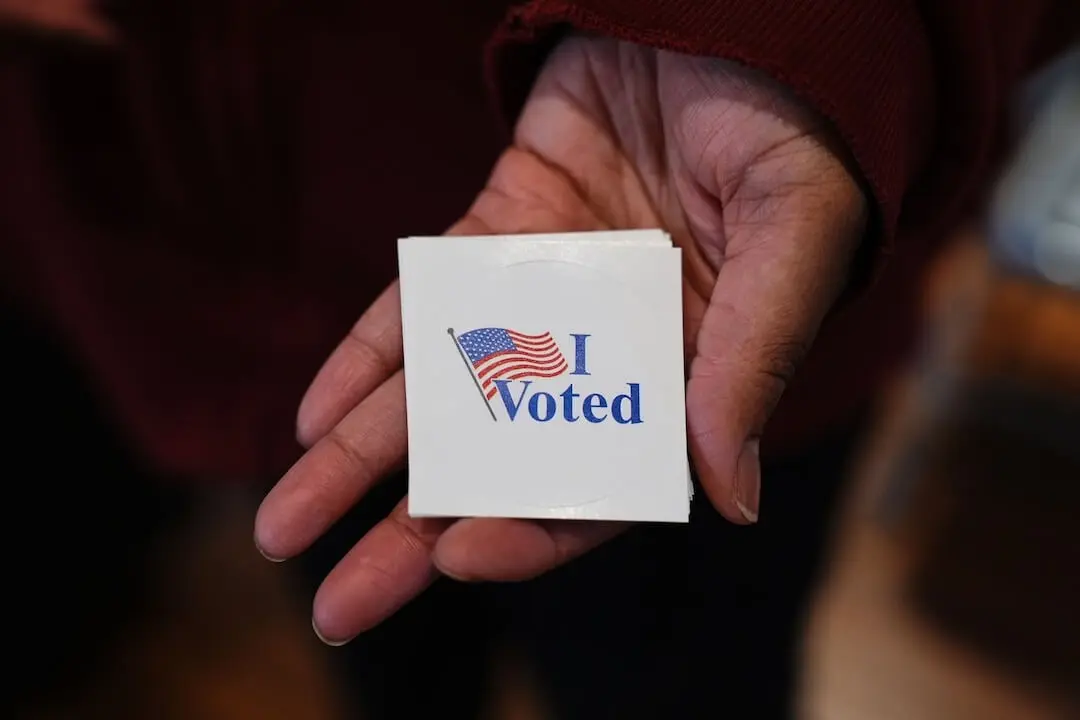
As millions of Americans head to the polls for the 2026 midterm elections, the electoral landscape is once again defined by a high-stakes battle for control of the United States Congress. Amid fierce campaign rhetoric, heightened security measures, and long lines outside neighborhood churches, community centers, and gymnasiums from coast to coast, an unprecedented volume of information—and disinformation—is flooding digital platforms.
To safeguard the democratic process, nonpartisan fact-checking organizations, watchdog groups, and election officials have mobilized on a massive scale. Foremost among these efforts is PolitiFact, which has launched a continuous, real-time live blog dedicated to debunking voting misinformation, evaluating candidate claims, and tracking real-time developments throughout Election Day and deep into the night.
The 2026 midterms serve as a referendum on the current administration’s legislative agenda, economic performance, and foreign policy. With control of both the House of Representatives and the Senate hanging in the balance, every voting district, battleground state, and suburban swing county has become a focal point for intense political strategizing. However, the modern electoral battlefield extends far beyond physical polling places. Misleading narratives regarding mail-in ballots, machine malfunctions, tabulation delays, and voter eligibility are circulating at a dizzying pace across social media ecosystems.
This comprehensive report examines the current state of the 2026 midterm elections, detailing the operational realities on the ground, the mechanisms of real-time fact-checking deployed by PolitiFact and its parent organization, the Poynter Institute, and the broader implications of misinformation on public trust in American democracy.
Detailed Chronology: Election Day 2026 in Motion
The Morning Rush: Polls Open Amid High Turnout
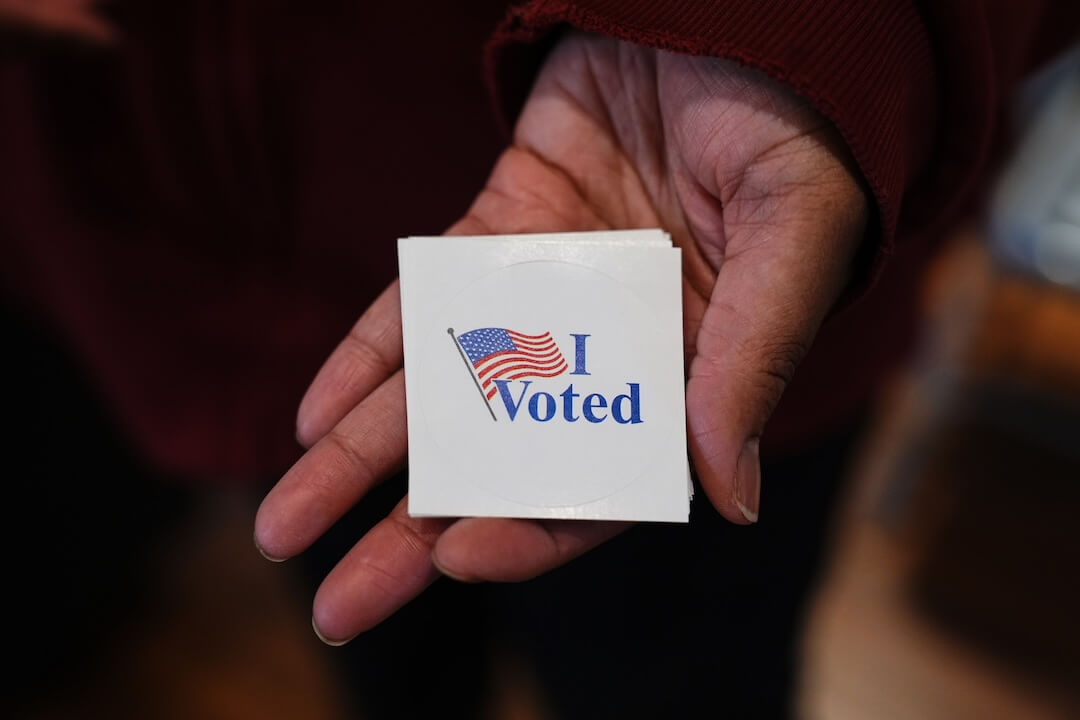
The first wave of polling stations opened at 6:00 a.m. EST across parts of the Eastern Seaboard and the Midwest. In Baltimore, Maryland, where election workers prepared stacks of crisp "I voted" stickers at the Grace United Methodist Church, lines began forming well before dawn. Similar scenes played out in urban centers and rural townships alike, signaling a robust early turnout that election administrators had anticipated following weeks of heavy early and mail-in voting.
As voters cast their ballots, local election officials reported few major logistical failures, though isolated technical glitches involving electronic check-in pads prompted minor delays in select counties across Pennsylvania, Georgia, and Arizona. True to form, these localized, routine hiccups were quickly amplified online, with bad actors mischaracterizing minor administrative fixes as widespread systemic fraud.
Midday: The Escalation of Digital Disinformation
By noon, the volume of online claims surged. PolitiFact’s real-time monitoring desks flagged dozens of viral posts on X (formerly Twitter), TikTok, and Facebook. The misinformation fell into several predictable categories:
- Intimidation and Deception: False claims regarding altered polling hours in minority-majority precincts.
- Tabulation Fears: Unverified assertions that voting machines in key swing counties were pre-programmed to switch votes from one major party to another.
- Voter Eligibility Myths: Outright falsehoods telling non-citizens or naturalized voters that casting a ballot would expose them to immediate law enforcement action.
In response, PolitiFact’s team of journalists and researchers worked in tandem with state election officials to verify reports, issue rapid-response rulings on the Truth-O-Meter, and publish immediate clarifications to keep the electorate informed with verified facts.
Evening: Closing the Polls and the Long Night Ahead
As the sun set on the East Coast and polling locations began locking their doors at 7:00 p.m. and 8:00 p.m. local times, the focus shifted from physical balloting to the complex, heavily scrutinized process of vote counting. In states permitting mail-in ballots to be processed ahead of time, early results trickled in rapidly. However, in states legally restricted from processing mail-in ballots until Election Day, election workers faced a grueling night of manual extraction, signature verification, and tabulation.
Throughout the evening, PolitiFact maintained its live-updating feed, scrutinizing acceptance speeches, concession statements, and late-night partisan press conferences for factual accuracy. The live blog established itself as a vital public resource, offering a steady anchor of empirical reality amidst a swirling storm of partisan spin.
Supporting Context & Metrics: The Anatomy of Modern Election Monitoring
The Digital Threat Landscape
The 2026 midterms represent a technological watershed. While traditional foreign interference campaigns by state actors from Russia, China, and Iran continue to evolve—relying increasingly on micro-targeted synthetic media and deepfakes—domestic purveyors of misinformation have become equally sophisticated.
According to data compiled by civic integrity groups leading up to November 2026:
- Volume of Flagged Content: Social media monitoring tools detected a 35% increase in election-related flagged content compared to the 2022 midterm cycle.
- Generative AI Utilization: Generative artificial intelligence was utilized in at least 45 documented instances to produce hyper-realistic audio robocalls impersonating prominent political candidates, directing voters to incorrect polling places.
- Platform Responsiveness: Average removal times for verified election falsehoods varied dramatically across platforms, with decentralized networks struggling significantly more than legacy platforms to enforce community guidelines.
The Role of Nonpartisan Watchdogs
Organizations like PolitiFact—backed by the educational and institutional heft of the Poynter Institute—serve as the first line of defense against informational decay. Operating on principles of radical transparency, these newsrooms rely on primary source documentation, official statements from bipartisan election boards, and expert legal analysis to rate claims.
The mechanics of the Truth-O-Meter rating system—ranging from "True" to "Pants on Fire"—provide a quantifiable metric of truth that cuts through rhetorical obfuscation. On high-traffic days like Election Day, this work transitions from retrospective accountability to proactive defense, directly insulating the democratic process from panic-inducing falsehoods.
Official Statements and Institutional Perspectives
The integrity of the 2026 midterms has been a unified talking point among federal, state, and local election administrators, even as partisan divisions persist regarding broader electoral reforms.
The Cybersecurity and Infrastructure Security Agency (CISA):
In a joint afternoon briefing with the Election Assistance Commission (EAC), federal security officials emphasized that despite relentless probing and routine disinformation campaigns, there was no evidence of any successful cyberattack compromising the physical infrastructure of vote tabulation systems nationwide.
"The American voting public can cast their ballots with confidence," stated a senior CISA official during the briefing. "State and local election officials have hardened their networks, implemented rigorous paper-ballot audit trails, and established robust multi-layered defenses that make our election infrastructure more secure than ever before."
The Poynter Institute and PolitiFact Leadership:
Emphasizing the indispensable nature of independent journalism during times of national decision-making, representatives from Poynter highlighted the intersection between press freedom and democratic survival.
"Press freedom is not a passive luxury; it is the active, everyday machinery that holds power accountable and equips citizens with the truth," said a spokesperson for the Poynter Institute. "In an era where misinformation is weaponized to sow chaos and dismantle trust, the rigorous, nonpartisan work of fact-checkers is vital to ensuring that the voice of the American voter remains uncorrupted."
Future Outlook: Beyond the 2026 Midterms
As the smoke clears from the 2026 midterm elections and the final congressional margins solidify, the United States faces a critical inflection point regarding the future of information governance, civic education, and election administration.
1. The Institutionalization of Real-Time Fact-Checking
The success of live-blogging and real-time verification models during high-stakes electoral events points toward a permanent evolution in journalism. Newsrooms can no longer afford to treat fact-checking as a next-day post-mortem exercise. The speed of digital communication demands that factual corrections travel at the same velocity as the original falsehoods. Future election cycles will likely see an even deeper integration of automated claim-detection tools working in tandem with human editorial oversight.
2. Regulatory and Technological Pressures on Social Media
The dissemination of deepfakes and coordinated domestic disinformation during the 2026 cycle will undoubtedly trigger renewed legislative debates in Washington. Lawmakers are expected to reintroduce bills targeting generative AI watermarking, platform liability protections under Section 230, and enhanced transparency requirements for political advertising. Simultaneously, technology companies will face mounting pressure from civil society organizations to refine their algorithmic moderation practices without infringing upon protected free speech.
3. Restoring Long-Term Public Trust
Perhaps the most formidable challenge facing American democracy moving forward is the erosion of institutional trust. While real-time debunking successfully neutralizes specific falsehoods in the short term, the underlying partisan cynicism that makes voters susceptible to conspiracy theories remains largely unaddressed. Rebuilding this trust will require a sustained, generational investment in media literacy education, grassroots civic engagement, and unwavering transparency from elected officials and media institutions alike.
As the ballots are counted and the nation looks ahead to the political shifts of the coming legislative term, the tireless efforts of independent journalists, election workers, and vigilant citizens serve as a powerful reminder that the health of a democracy relies fundamentally on a shared commitment to the truth.