

Executive Overview
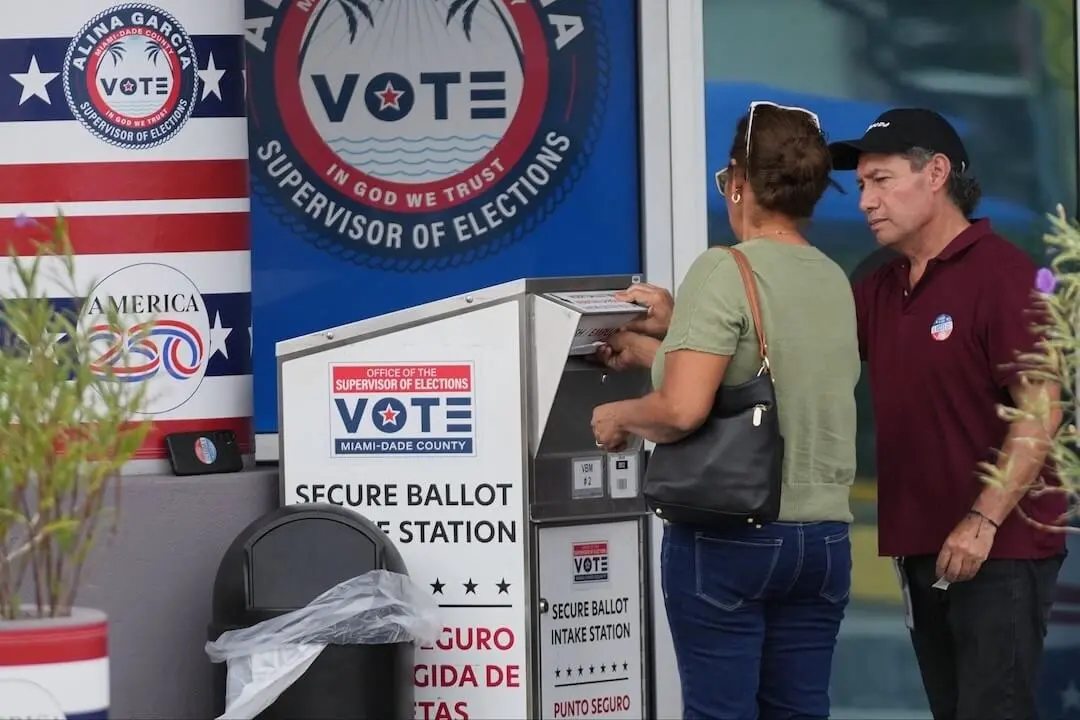
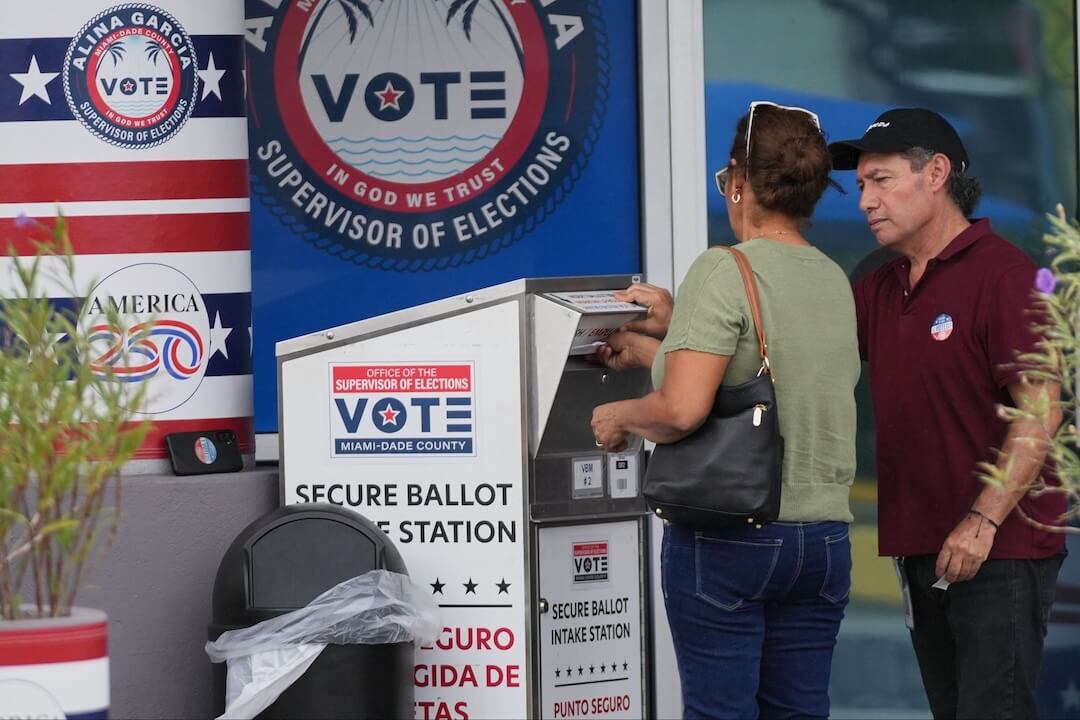
As millions of Americans head to the ballot boxes across the nation, a familiar yet heightened tension grips the political landscape. The 2026 midterm elections have arrived, carrying the weight of a bitterly contested political climate and bringing a singular, overarching question to the forefront of national discourse: Can we finally trust the polls?
For years, the polling industry has weathered a storm of skepticism, largely born from structural misses in the 2016 and 2020 presidential cycles. As voters cast their ballots today, pre-election models suggest an overwhelmingly positive night for Democrats, with forecasters whispering about a potential "blue wave"—or even a "blue tsunami." Yet, this optimism is tempered by a decade of post-mortems examining the persistent "Trump Effect," shifting voter behavior, and the fundamental limitations of survey science.
Beyond the numbers game, the final hours before Election Day have been defined by chaotic media appearances, massive cash infusions into local television advertising, and notable industry developments, including ESPN fixture Michael Wilbon stepping away for health reasons. As the nation prepares to watch returns roll in via a unified ecosystem of broadcast networks relying on Associated Press data, the stakes could not be higher. This report provides a comprehensive, multi-layered breakdown of the final stretch of the 2026 midterms, analyzing what the data says, how the media is covering it, and the seismic events shaking up the political and cultural landscape.
Detailed Chronology: The Final 48 Hours
The countdown to Election Day was marked by a flurry of late-breaking political strategy, bizarre media blunders, and stark warnings from both sides of the aisle.
The Weekend Endorsement Upheaval in Michigan
The most explosive political drama of the weekend unfolded in Michigan, where Democratic Representative Haley Stevens executed a stunning 11th-hour about-face. Stevens abruptly flipped her Senate endorsement away from fellow Democrat Abdul El-Sayed, throwing her support behind Republican candidate Mike Rogers.
The move sent shockwaves through the Michigan Democratic apparatus. Reports quickly surfaced that Stevens had spoken with fellow Michigan Democratic Representative Debbie Dingell around midnight on Saturday without giving the slightest indication of a pending switch. By Sunday morning, however, the endorsement had materialized, setting off a chain reaction of media appearances that quickly devolved into political self-sabotage.
Sunday Night: A Bizarre CNN Appearance
Seeking to explain her decision, Stevens appeared on CNN Sunday evening for an interview with anchor Anderson Cooper. What followed was described by media critics as excruciating, bizarre, and fundamentally incoherent.
Cooper pressed Stevens on the timeline of her reversal and the logic behind backing a Republican over a progressive Democrat whom she had previously aligned with. Rather than offering a coherent rationale, Stevens appeared to talk in circles, struggling to articulate a defensible position. Following the segment, Cooper interviewed Representative Dingell, who bluntly remarked, "That was one of the most painful interviews I have ever watched."
The fallout was swift. Cultural and political commentators suggested that Stevens’ political career had effectively cratered over the weekend. Even an attempted redemption tour on conservative commentator Scott Jennings’ radio show on Monday proved disastrous, with independent journalist Aaron Rupar noting on social media that Stevens struggled mightily through an uncommonly friendly interview.
Amidst the chaos, the El-Sayed campaign capitalized on the national spotlight, reporting a staggering $2.4 million fundraising haul on Sunday alone—the very day Stevens announced her betrayal.
The Final Pitch in Washington
On the eve of the election, President Donald Trump took to the stage in front of the Lincoln Memorial Reflecting Pool in Washington, delivering a characteristic and viral address. In a speech that touched on his administration’s legislative agenda, Trump offered a mathematically paradoxical statement that instantly captivated social media:
"I’ve kept every single promise I made, except far more. I’ve actually kept far more promises than I made."
The line drew immediate bewilderment from political commentators, with The Bulwark’s Sonny Bunch quipping that the political sphere would "need AI to solve the math on this one." More substantively, Trump seemed to brace his base for a difficult night ahead, acknowledging the historic headwinds faced by sitting administrations in midterm cycles: "For some reason, the sitting president doesn’t win the midterms. We gave this a very strong shot." Nonetheless, he reiterated his belief that Tuesday’s contest was "the most important midterm, I believe, in our lifetime."
Supporting Context & Metrics: Can We Trust the Polls?
The central anxiety of election night belongs to the pollsters. With the New York Times/Siena University Poll pointing heavily toward a massive Democratic showing—fueling speculation of a "blue tsunami"—analysts are once again forced to reckon with the accuracy of their methodologies.
The Anatomy of the "Trump Effect"
The degradation of trust in modern polling largely stems from the persistent challenge of capturing the political sentiment of Donald Trump’s base. Pollsters have spent the better part of a decade trying to solve whether Trump supporters are systematically less likely to answer surveys, or if they actively avoid pollsters, thereby skewing datasets.
As CNN’s Brian Stelter observed, Democrats have consistently proven far more eager to answer pollsters’ questions, while Republicans remain harder to reach.
However, experts argue that the narrative is more nuanced than simple partisan skittishness. Nate Cohn, chief political analyst for The New York Times, offered a pragmatic defense of the industry in a recent discussion with colleague Patrick Healy:
"You can trust them to a degree. You can trust the polls to usually be in the ballpark, but you can’t trust them to be exactly ‘right.’ … If by ‘trust’ you mean ‘assume that the leading candidate will win,’ then the answer is ‘no.’ … But if trust means ‘rely on the polls as the best source of information on the electorate, even if an inexact one,’ then the answer is yes."
Methodological Evolution: Weighting and Midterms
To combat past errors, polling institutions have attempted to adapt. Cohn noted that the industry has implemented advanced "weighting" techniques designed to better represent underrepresented demographics, particularly white working-class voters in key regions. By leveraging rich historical survey data alongside modern population weights, major pollsters hope to have ironed out past blind spots.
Furthermore, empirical data suggests a silver lining for midterm cycles. According to Cohn’s analysis in "The Tilt" newsletter, Trump’s supporters are not only less likely to respond to surveys, but historical trends indicate they are also historically less prone to turning out for midterm elections compared to presidential years. This behavioral quirk helps explain why midterm polling in the Trump era has generally maintained a significantly stronger track record than presidential cycle polling.
Famed statistical analyst Nate Silver reinforced this perspective in his Silver Bulletin, writing: "They might be wrong again, but it’s getting hard to deny that polls point toward a really big year for Democrats."
Echoing the grim outlook for the GOP, Washington Post opinion writer Henry Olsen pulled no punches in his midterm analysis: "You don’t have to be a prophet to see what’s coming. No serious analyst thinks Republicans will have a good night as midterm returns roll in. The open question is whether it will be merely bad, terrible or something akin to being eaten by a Cyclops."
Official Statements & Media Infrastructure
When the first polls close, the architecture of American media will swing into high gear. The broadcast and cable news apparatuses are deploying their heaviest hitters to anchor tonight’s coverage, including David Muir (ABC); Savannah Guthrie, Tom Llamas, Kristen Welker, and Hallie Jackson (NBC); Tony Dokoupil and Margaret Brennan (CBS); Rachel Maddow (MS NOW); Bret Baier and Martha MacCallum (Fox News); and Jake Tapper and Anderson Cooper (CNN). They will be supported by premier data crunchers like CNN’s John King and NBC’s Steve Kornacki.
A Unified Data Source
According to Natalie Korach of Status, a notable shift is occurring behind the scenes of television production. For the first time since 2016, nearly every major broadcast and cable network will draw its vote-tallying data from a single, unified source: The Associated Press. After many outlets pivoted to Edison Research for the 2024 cycle, the return to the AP—a nonprofit organization tallying votes since 1848—signals a consolidation of trust in foundational election reporting. This data pipeline extends past television, feeding major print publications like The New York Times, The Washington Post, and The Wall Street Journal, while powering algorithmic distribution via partnerships with tech giants Google and OpenAI.
Alternative Coverage Models
While legacy networks rely on traditional formats, alternative programming models are carving out distinct spaces.
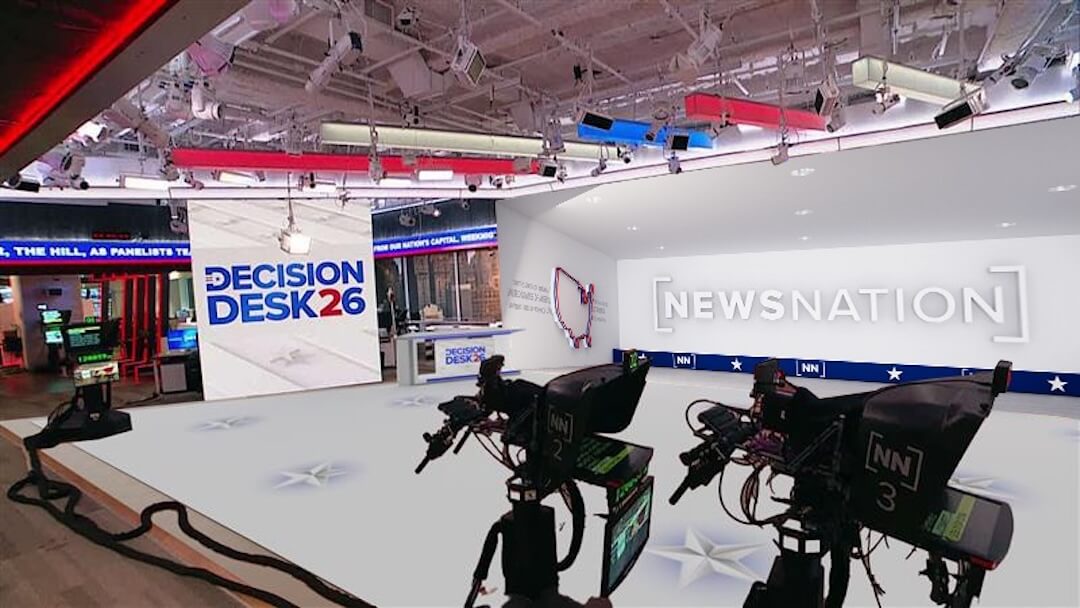
- NewsNation’s "RedZone": In an innovative bid to capture viewers, NewsNation is launching an election-night format modeled after the National Football League’s fast-paced "RedZone" channel. Partnering with independent data provider Decision Desk HQ, the network will bounce rapidly between high-stakes races as they are called, co-anchored by Chris Cuomo, Elizabeth Vargas, Leland Vittert, Katie Pavlich, and Chris Stirewalt.
- Noticias Telemundo: Emphasizing representation, reporter Mark Joyella notes that Noticias Telemundo, led by Julio Vaqueiro, will deliver extensive midterm coverage with a specialized focus on the surging political influence of Latino voters.
The Local TV Windfall
While cable news networks battle for ratings dominance, another sector is quietly reaping historic financial rewards: local television broadcasting.
As The New York Times’ Katie Robertson reported, the deluge of political advertising in this midterm cycle has shattered all previous records. Despite the modern migration of marketing dollars toward social media, streaming platforms, and digital avenues, political action committees (PACs) and campaigns continue to shower local television stations with billions of dollars. This massive influx of capital has substantially bolstered the bottom lines of major broadcasting conglomerates, including Sinclair, Nexstar Media Group, Gray Media, Tegna, and the E.W. Scripps Company.
Future Outlook
As the nation waits for the dust to settle on tonight’s returns, the immediate future of American politics hinges on the accuracy of the final tallies relative to the projected "blue wave." If the polls prove correct, Washington is poised for a dramatic shift in congressional power, forcing a Republican recalibration in the final two years of the presidential term. If the polls fail once more, the polling industry will face an existential crisis from which it may never fully recover.
Beyond Capitol Hill, tonight marks a turning point for several media and political figures. The career trajectories of politicians caught in late-cycle scandals—such as Michigan’s Haley Stevens—hang in the balance, serving as a cautionary tale of media exposure in the digital age.
Simultaneously, the media landscape itself is experiencing a period of profound transition. The temporary loss of sports and cultural institution Michael Wilbon—who announced an indefinite leave of absence from ESPN’s Pardon the Interruption and NBA coverage to manage severe health battles—remind viewers of the human toll behind the screens that populate our daily lives.
By this time tomorrow, the ballots will be counted, the pundits will begin their retrospective analyses, and the country will embark on a new chapter of governance. Whether that chapter begins with a blue tsunami or a political upset, the lessons learned from the data, the media coverage, and the human drama of this election cycle will reverberate for years to come.