

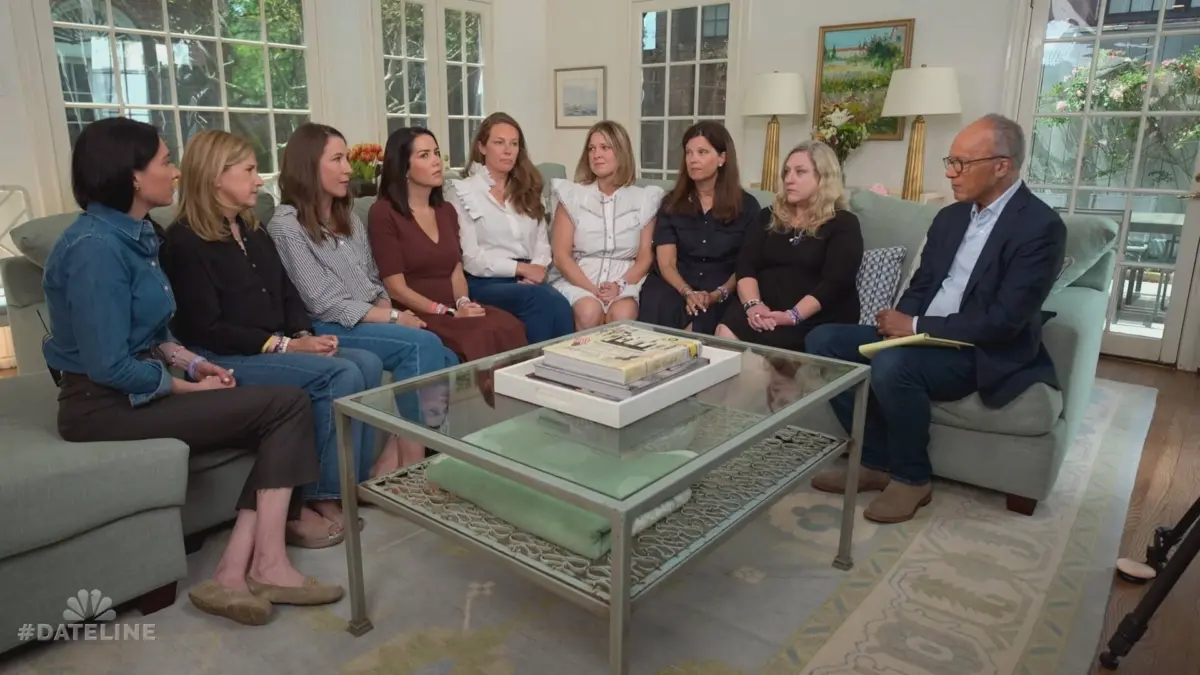
When the average television viewer thinks of murder mysteries, courtroom drama, and real-life suspense, one cultural touchstone immediately comes to mind: NBC’s Dateline. For over three decades, the legendary newsmagazine has occupied a singular space in the American media ecosystem. What began in March 1992 as a conventional, multi-segment investigative broadcast has since mutated into an unprecedented pop-culture phenomenon—the undisputed titan of the true-crime genre.
As part of The Poynter 50, a retrospective series examining the fifty defining moments and media entities that have shaped journalism over the last half-century, Dateline stands out not merely for its longevity, but for its profound transformation. It has survived the decline of traditional linear television, successfully colonized the podcasting universe, expanded into streaming platforms, and launched a Spanish-language franchise. Along the way, it has birthed a litany of stylistic imitators, inspired viral internet parodies, and firmly embedded itself in the collective global consciousness.
Yet, beneath the signature opening notes of dread-inducing music, the sweeping aerial shots of quaint American heartland towns, and the distinctive vocal cadences of anchors like Keith Morrison and Lester Holt lies something far more complex than simple entertainment. Dateline is a multi-million-viewer weekly ritual that examines the dark underbelly of human behavior, the mechanics of the justice system, and the remarkable resilience of communities struck by unimaginable tragedy.
Detailed Chronology: From Hard-Hitting News to the Heartland of Crime
1992: A Humble, Crime-Free Beginning
When Dateline NBC premiered on a Tuesday evening in March 1992, it looked nothing like the gripping nocturnal thriller machine it is today. Anchored by heavyweights Stone Phillips and Jane Pauley, the inaugural, hourlong episode adhered to standard investigative newsmagazine conventions. The broadcast was neatly partitioned: Phillips investigated pharmaceutical drug labeling issues, Pauley interviewed young men living with Down syndrome, and Brian Ross exposed a predatory direct-mail scam targeting conservative donors.
Noticeably absent from that first broadcast—and indeed, from the entire first decade of the show’s existence—was any mention of murder, blood spatter, or vengeful ex-spouses. For its early years, Dateline was positioned as a competitor to CBS’s 60 Minutes, focusing on consumer watchdogs, environmental exposés, and human-interest pieces.
The Shift: The 2005 Murder Mandate
The pivot that would define the franchise’s legacy happened gradually in the mid-2000s. Josh Mankiewicz, a veteran Dateline correspondent who joined the network in 1995, recalls a distinct institutional turning point around 2005.
"I came to Dateline in ’95, and we were not covering crime. In fact, we didn’t cover crime for the first 10 years that I was here," Mankiewicz reflects.
Everything changed when an executive producer approached the reporting staff with a radical proposal: the show wanted to dedicate entire hourlong broadcasts to singular murder mysteries. Mankiewicz admits he was initially skeptical. "I remember saying to him, ‘Really?’" But the gamble paid immediate dividends, tapping into an unfulfilled national appetite for deep-dive investigative storytelling that focused on single narratives rather than disjointed news segments.
Expansion, Streaming, and Podcasts
As the years progressed, the broadcast frequency of Dateline multiplied, transitioning from one night a week to two, and eventually dominating five nights across various formats and cable syndication. Recognizing the digital shift in media consumption, the franchise made aggressive moves to future-proof its brand.
In 2019, Dateline launched its companion podcast, capturing an entirely new demographic of on-the-go listeners. Further diversifying its reach, NBC announced a dedicated Spanish-language program slated for 2025, ensuring that the show’s gripping narrative style could transcend language barriers. Today, Dateline operates as a cross-platform juggernaut, effortlessly bridging the gap between legacy network television and modern digital streaming consumption.
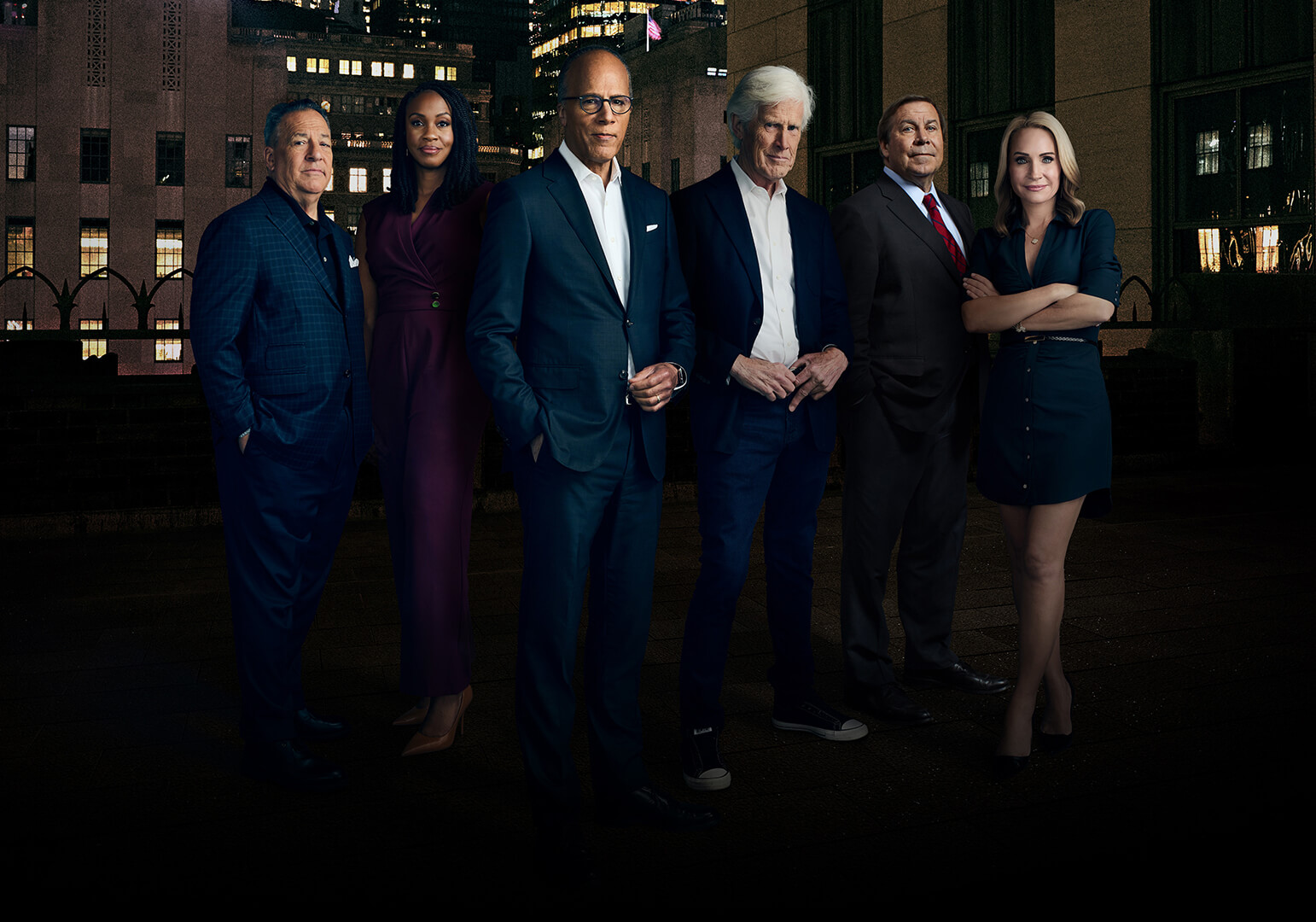
Supporting Context & Metrics: The Anatomy of a Juggernaut
The cultural footprint of Dateline cannot be overstated. It has become a linguistic shorthand for tragedy, suspicion, and suspense. Episodes sporting evocative titles like "Mystery in Big Sky Country," "A Little Patch of Perfect," and "Even the Devil Went to Church" challenge audiences to solve the puzzle before the final commercial break.
The show’s pop-culture ubiquity is perhaps best encapsulated by a 2011 Saturday Night Live sketch featuring comedian Bill Hader donning a shock-white wig to portray a comically sadistic, melodramatic iteration of correspondent Keith Morrison. That single skit has amassed nearly 8 million views on YouTube, cementing the show’s status as a beloved American institution.
Audience Metrics and Reach
Far from fading into obscurity in the age of prestige streaming dramas, Dateline continues to post formidable viewership figures. According to data provided by NBCUniversal:
- Between April and June of the current broadcast year, Dateline reached a staggering 92.1 million viewers.
- This figure represents a 3% year-over-year increase compared to the same period in the previous reporting cycle.
- The franchise commands a loyal staff of approximately 100 dedicated team members, including reporters, producers, writers, and camera operators, working across high-pressure environments.
- Over its 34-year history, the program has produced more than 3,000 unique episodes.
The True-Crime Appeal: A Gendered Phenomenon
Demographically, Dateline commands a notably passionate core audience, the vast majority of whom are women. Sociologists and media analysts have long studied the paradox of why women disproportionately consume true-crime media. The answer often lies in survival, catharsis, and psychological preparedness.
According to United Nations statistics, women are statistically six times more likely than men to experience violent crime perpetrated by intimate partners or family members. For many female viewers, watching Dateline is not merely a passive leisure activity; it is an exploration of interpersonal danger, red flags, and human psychology.
"Everybody has been in a relationship that did not end the way they wanted it to," notes Mankiewicz. "And this is about those choices and the things people do in that situation. And that’s something that everybody can relate to."
Official Statements and Insider Perspectives
The institutional knowledge preserved within Dateline is guarded by veterans who have dedicated their entire professional lives to the craft of investigative journalism.
Liz Cole: The "Dateline Lifer"
Senior Executive Producer Liz Cole began her journey with NBC as a college intern in 1993, eventually finding her way into a documentary unit. When Dateline required temporary editorial support, Cole was loaned to the production for a two-week stint. Those two weeks transformed into a career spanning over three decades.
Cole credits the program’s endurance to its collaborative, close-knit reporting unit. Navigating high-stress assignments—ranging from breaking national scandals like the O.J. Simpson trial, the Columbine High School shooting, and the September 11 terrorist attacks to quiet homicides in rural towns—requires absolute trust among correspondents, producers, and editors.
Andrea Canning and the Art of the Unscripted Interview
Correspondent Andrea Canning, who joined the show in 2012 after years covering hard news including the Supreme Court and the Iraq War, views her role as a childhood dream realized. Growing up captivated by the mystery novels of Agatha Christie, Nancy Drew, and the Hardy Boys, Canning treats every interview not as a formal interrogation, but as a fluid human conversation.
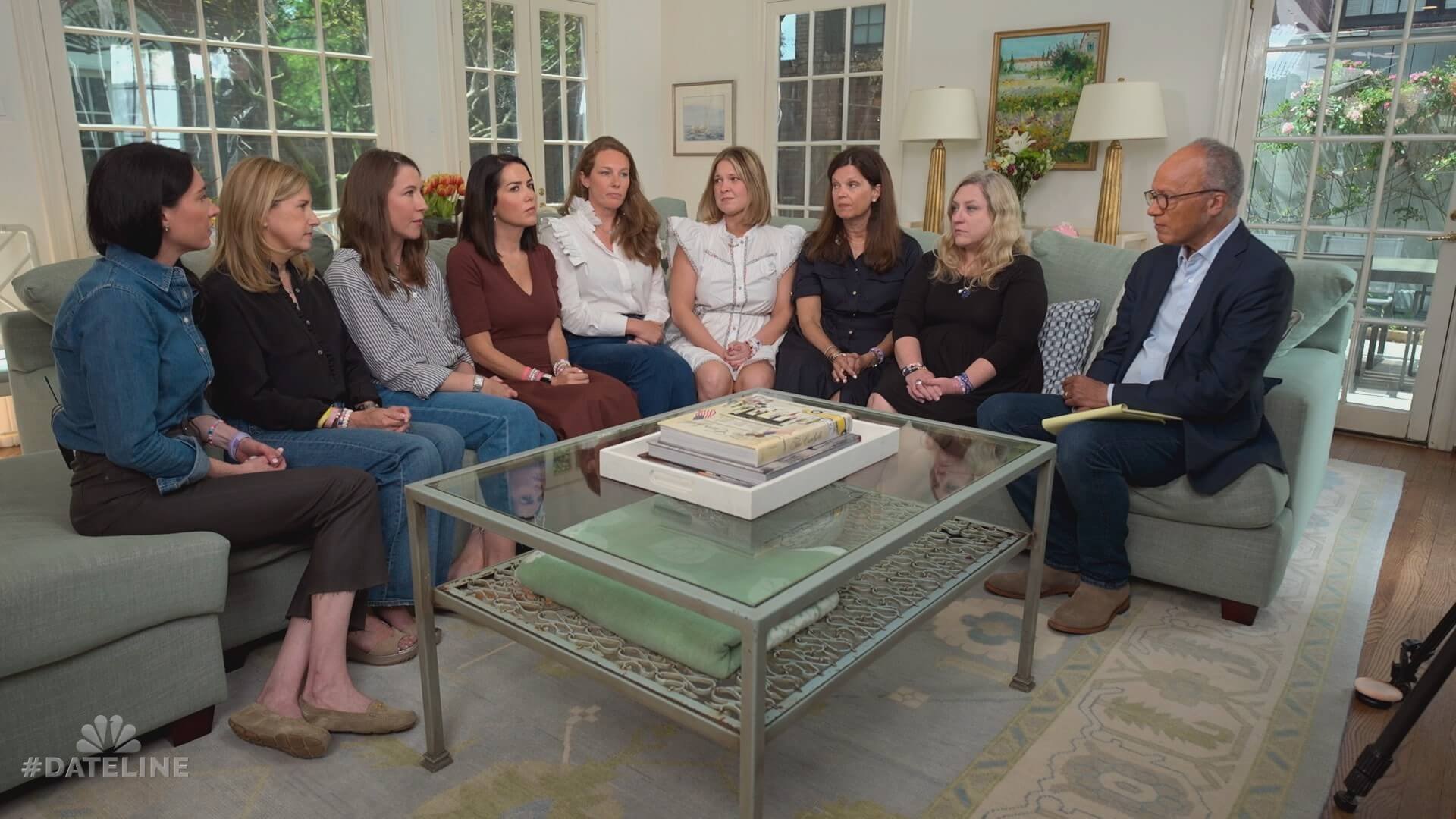
"If you’re reading what’s written on a page and you’re word for word, it’s gonna feel very rigid and not authentic or organic," Canning explains.
Fellow correspondent Mankiewicz echoes this philosophy: "It’s a conversation. It’s not a job interview or an interrogation." Producers typically spend an average of three hours conducting each interview, sitting down with victims’ grieving families, law enforcement officials, defense attorneys, prosecutors, and, on occasion, the perpetrators themselves.
Paul Ryan on Everyday Tragedies
Executive Producer Paul Ryan, who has steered the production since 2011, emphasizes that the true magic of Dateline lies in its focus on ordinary individuals rather than sprawling, sensationalized national headlines.
"People don’t look at the Alex Murdaugh story and say, ‘Oh my god, that could happen to anybody in my town, or me,’" Ryan points out. "But they might look at something that happens to a normal, seemingly normal family, normal couple, and say, ‘Wow, that just looks like my town.’"
Future Outlook: Legacy, Impact, and the Human Element
As Dateline looks toward the horizon, its mission extends far beyond simple morbid curiosity or televised escapism. The production team is acutely aware that their reporting carries tangible, real-world consequences. Over the decades, Dateline investigations have actively influenced the American judicial landscape.
Notable examples include producer Dan Slepian’s two-decade crusade covering wrongful convictions, highlighted in the 12-part investigative series Conviction. Slepian’s tireless reporting directly contributed to the 2016 exoneration and release of New York inmate Robert Rosario, who had been wrongfully convicted of murder in 1996. Furthermore, historical Dateline investigations have intersected with major legislative milestones, helping inform public policy such as Megan’s Law and the Amber Alert network.
Despite chronicling thousands of stories involving profound cruelty, deceit, and darkness, the journalists behind Dateline maintain an optimistic view of humanity. They argue that the core of the show is not the murder itself, but the profound resilience of the people left behind.
"These stories are not just the story of how somebody died," Mankiewicz says. "They’re also the story about how they lived and what they meant to the people they left behind."
For the journalists who make Dateline, the work is deeply personal and enduring. When asked about retirement, Canning laughs, noting that staff members rarely leave the franchise for competing networks; they depart solely when they reach retirement age. And Mankiewicz offers a definitive promise for the future: "I’m never going to retire."
As long as human beings continue to navigate the complexities of love, betrayal, tragedy, and justice, Dateline will remain waiting in the dark, ready to tell the story through to the very end.