

Executive Overview
The contemporary media ecosystem is undergoing a period of profound turbulence, defined by tectonic shifts in legacy broadcasting, the precarious economics of local print journalism, aggressive digital subscription strategies, and ongoing scrutiny over political rhetoric. As the industry grapples with declining ad revenues, changing audience consumption habits, and the creeping implementation of artificial intelligence, news organizations are being forced to reinvent themselves—often at the cost of long-standing traditions and institutional stability.
Chief among these media industry flashpoints is the sweeping, controversial overhaul of CBS News’ premier investigative franchise, 60 Minutes, ahead of its landmark 59th season. Led by newly appointed executive producer Nick Bilton and editor-in-chief Bari Weiss, the program is shedding its decades-old visual and editorial identity. These alterations arrive in the wake of a tumultuous summer characterized by high-profile departures, internal friction, and pointed allegations of editorial interference.
Simultaneously, the crisis facing local newspapers has reached a critical juncture. Block Communications has issued a stark warning that the Toledo Blade—the oldest continually operating business in Toledo, Ohio—will cease publication by the end of the year if a buyer cannot be secured. This announcement follows closely on the heels of similar economic distress that recently threatened the Pittsburgh Post-Gazette, highlighting a deepening existential crisis for regional journalism.
In the digital streaming sector, MS NOW is aggressively expanding its direct-to-consumer footprint by launching a paid membership tier featuring daily live interactive Q&As with prominent network anchors. This move reflects a broader industry trend toward direct monetization and community-building initiatives designed to bypass traditional cable subscription models.
Finally, the political and media spheres continue to interrogate historical narratives, most notably following President Donald Trump’s recent remarks commemorating the 25th anniversary of the September 11 terrorist attacks. Fact-checkers and veterans of the era have pushed back against the president’s recurring, unverified claims regarding his actions and whereabouts on that fateful day.
This comprehensive report examines these converging media developments, detailing the structural transformations, economic pressures, and journalistic debates defining the current news cycle.
Detailed Chronology
The Reimagining of 60 Minutes: A Season 59 Overhaul
For nearly six decades, 60 Minutes has stood as the gold standard of American television journalism. However, the historic program enters its 59th season under a cloud of unprecedented internal restructuring. Following a turbulent summer that witnessed the firing of three veteran correspondents, the voluntary exit of another, and the controversial hiring of new journalistic voices—including New York Times opinion writer Ross Douthat—the program’s leadership has been fundamentally altered.
The most monumental structural change occurred when Bari Weiss, CBS News editor-in-chief, dismissed longtime executive producer Tanya Simon. In her place, Weiss appointed Nick Bilton, a figure with virtually no traditional television news production background.
Bilton’s appointment has triggered widespread speculation among media critics. While defenders argue that the broadcast must adapt to survive in a media landscape saturated with new technologies and fragmented audiences, detractors question whether the changes are designed to shift the editorial stance of a historically independent institution.
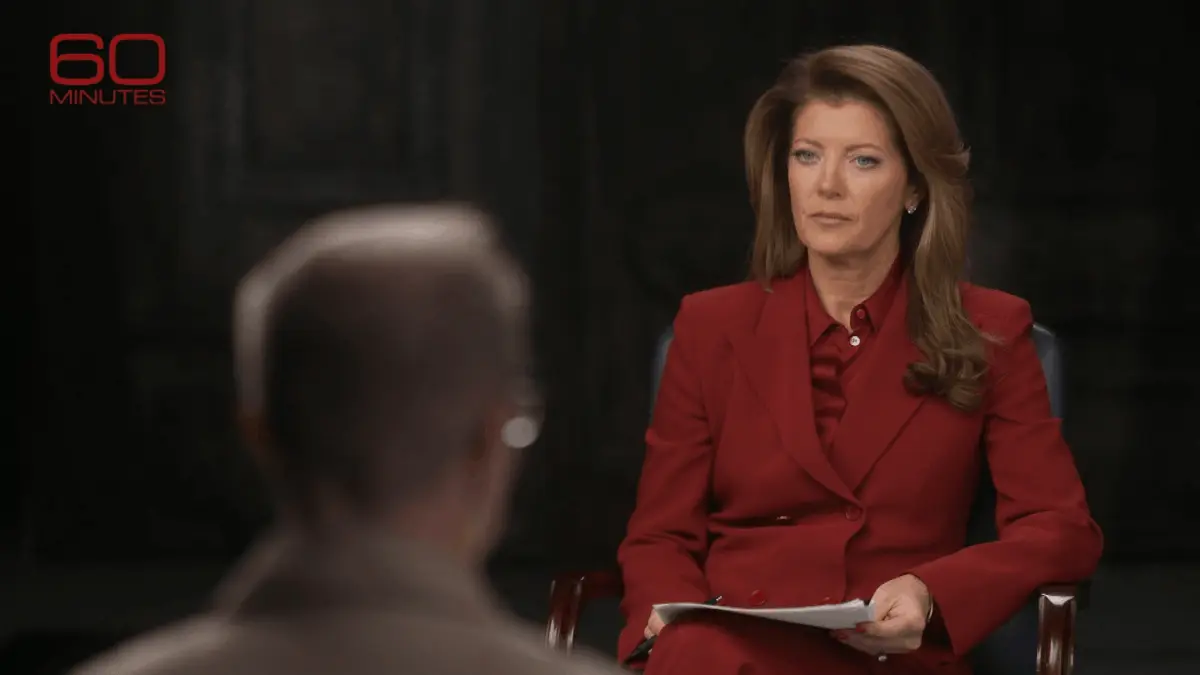
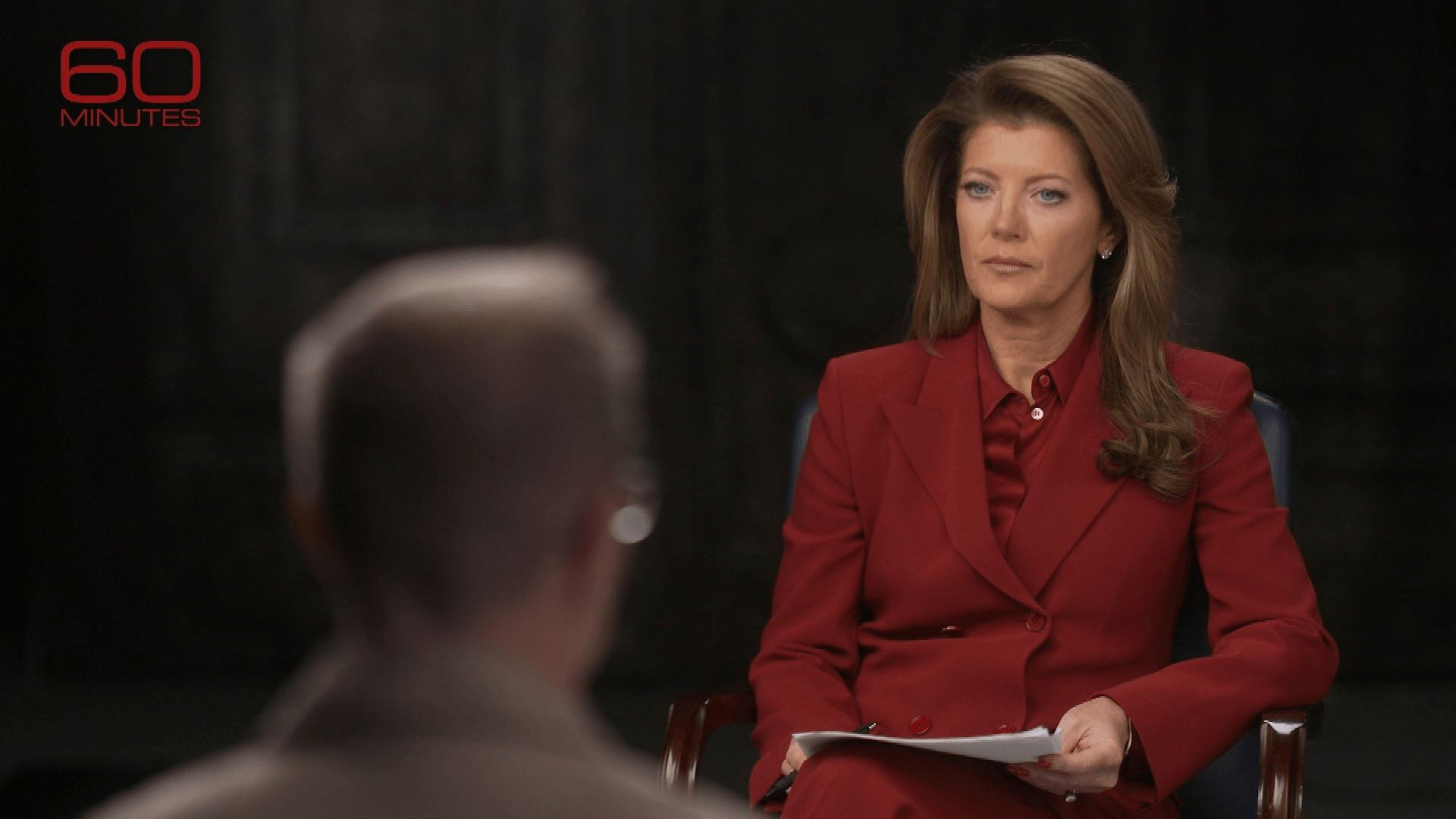
As the program prepares for its season premiere, additional details regarding the lineup have emerged. Alongside a previously announced Jon Wertheim feature on the Super Bowl-favorite Los Angeles Rams, CBS News revealed a major segment anchored by Norah O’Donnell. O’Donnell will deliver the first public account from an American weapon systems officer who spent two days alone, injured, and evading capture in Iran last April after his aircraft was struck down. The segment incorporates accounts from high-ranking military officials, including Chairman of the Joint Chiefs of Staff General Dan Caine, Defense Secretary Pete Hegseth, and U.S. Central Command head Admiral Brad Cooper, detailing the harrowing 50-hour rescue mission that concluded on Easter Sunday.
The Threat to the Toledo Blade
On the local front, the future of print journalism in Ohio faces an immediate threat. On Tuesday, the Toledo Blade reported that its parent company, Block Communications, intends to shutter the 190-year-old newspaper on December 31, 2026, if a viable buyer is not found beforehand.
Jodi Miehls, president and chief operating officer of Block Communications, informed newsroom staff via email that persistent financial losses have made the paper unsustainable under family ownership. The announcement mirrors corporate decisions made earlier in the year regarding the Pittsburgh Post-Gazette, which was ultimately rescued from closure just weeks before its scheduled demise through an acquisition by the nonprofit organization behind The Baltimore Banner.
The announcement of the potential closure has inflamed tensions between management and labor. The union representing newsroom employees at the Blade noted that the shutdown warning arrived mere days after the union rejected several corporate contract proposals. Lillian King, a features writer and union bargaining chair, issued a press release criticizing Block Communications for prioritizing a total shutdown over equitable negotiations, pointing to proposed cuts to seniority, severe reductions in severance for veteran employees, and provisions allowing the outsourcing of guild work alongside unrestricted AI utilization in content creation and editing.
MS NOW’s Direct-to-Consumer Rollout
In the cable and digital news arena, MS NOW officially launched its inaugural direct-to-consumer membership product. Priced at $7.99 per month or $79.99 annually—with an introductory promotion reducing annual rates through September 30—the service is available across the App Store, Google Play, and online via ms.now.
As part of the membership package, the network has introduced a twice-daily live interactive Q&A lineup at noon and 6:00 p.m. Eastern Time. These sessions feature network anchors and reporters broadcasting from home offices and behind-the-scenes environments. Notably, prominent hosts such as Rachel Maddow and Joe Scarborough are scheduled to interact directly with subscribers via live video on Mondays and Tuesdays.
Political Discourse and 9/11 Historical Claims
The intersection of political rhetoric and historical accuracy returned to the forefront on Tuesday during a speech delivered by President Donald Trump honoring emergency personnel lost during the September 11, 2001, terrorist attacks.
During his address, Trump recounted an incident in which he claimed two firefighters lifted him up and carried him away from a structurally unstable building in Lower Manhattan following the attacks. This narrative immediately drew scrutiny from fact-checkers, news organizations, and contemporaries who were present in New York City during the disaster.
Journalistic outlets, including The New York Times, PolitiFact, USA Today, Newsweek, and independent media analysts, have repeatedly scrutinized similar claims made by Trump over the years. Archival news broadcasts confirm that Trump was located at Trump Tower—approximately four miles away from the World Trade Center site—on the morning of the attacks. While Trump did visit the surrounding neighborhood in the days following the disaster, historical records, photographic evidence, and accounts from first responders and recovery coordinators have consistently failed to substantiate claims that he participated directly in ground zero rescue efforts or was evacuated from a structurally compromised building by firefighters.
Supporting Context & Metrics
60 Minutes Production Metrics and Visual Redesign
Under Nick Bilton’s direction, the physical and aesthetic presentation of 60 Minutes is undergoing a drastic transformation designed to modernize the broadcast. According to reports detailing Bilton’s directives to production staff:
- Cinematic Shifts: Camera operators have been instructed to eliminate traditional "walk and talks"—standard television sequences featuring a correspondent walking alongside a subject.
- Branding and Graphics: The iconic fuzzy shadow beneath the 60 Minutes logo has been removed, and the giant "book" graphics that historically served as transitional backdrops between segments have been replaced by streamlined rectangular screens.
- Investigative Callbacks: Production plans include the utilization of hidden-camera footage, evoking the classic investigative reporting techniques popularized by legendary correspondent Mike Wallace.
- Production Pipeline: According to industry reporting by Variety, Bilton has already approved more than three dozen stories in various stages of production. More than a dozen pieces are currently in the editing and screening pipeline. Leadership plans to lean heavily into investigative reporting, with a specific programmatic focus on examining the societal impacts of artificial intelligence.
Economic Realities of the Toledo Blade
- Operational History: Founded 190 years ago, the Toledo Blade is the oldest continually operating business in Toledo, Ohio.
- Staffing Impact: The newspaper currently employs a newsroom staff of 119 professionals serving the city’s largest daily readership.
- Financial Trajectory: Ongoing financial losses prompted Block Communications to explore asset sales, setting a hard deadline of December 31, 2026, before liquidation and closure occur.
Official Statements
-
Nick Bilton, Executive Producer of 60 Minutes (speaking to The New York Times regarding the upcoming 59th season):
"Over the summer, we’ve made changes to every aspect of the broadcast to make it stronger. While each of those changes represents a slight departure from the way it’s been done in the past, it will make for a new approach to ‘60 Minutes’ in its totality… The stress is like a snow globe that has settled, and I can see exactly what we have to do. I’ve never felt more that I’m in the right place doing the right job than I do right now."
-
Jodi Miehls, President and COO of Block Communications (in an email to Toledo Blade staff):
"The Block Family’s continued investment to keep the Blade open is no longer an option. The financial losses the Blade has endured for years are simply not sustainable. Block Communications has decided to begin exploring the possible sale of the Blade’s assets. Should those efforts fail, The Blade will publish its final edition on Thursday, December 31st, 2026."
-
Lillian King, Features Writer and Union Bargaining Chair at the Toledo Blade (via press release):
"It’s disappointing that Block Communications would rather shutter the paper than work toward an equitable contract. The Company’s proposal would have axed seniority, halved severance for its most experienced employees, and allowed the outsourcing of all Guild work. All content at The Blade could be created or edited with AI, with no protections for journalists or requirements to disclose AI usage to its readers."
-
Rebecca Kutler, President of MS NOW (on the launch of the network’s direct-to-consumer membership):
"For decades, audiences have invited us into their homes every day. Today, we’re inviting them into the conversation. Not just for a one-off occasion. Instead, at the same place and at the same time with the same trusted voices, every day of the week. We have always understood that MS NOW audiences want more than just headlines. They have follow-up questions. They want to understand not only what’s happening, but why it matters. These daily conversations are designed to deepen that relationship and make our journalism even more accessible."
Future Outlook
The developments unfolding across the media landscape point toward a transformative period for journalism, broadcasting, and public accountability.
For 60 Minutes, the primary question moving into its 59th season is whether the stylistic and leadership overhauls instituted by Bilton and Weiss will preserve the investigative integrity that earned the program its historic reputation or alienate its core viewership. As the season progresses, audiences and media analysts will closely evaluate how the newly formatted segments perform against historical ratings benchmarks and whether the promised investigative focus on emerging technologies like artificial intelligence resonates with contemporary viewers.
In local print media, the countdown clock facing the Toledo Blade underscores the vulnerability of legacy regional newspapers in the absence of sustainable financial models or philanthropic rescue acquisitions. The parallel between Toledo and Pittsburgh highlights an urgent systemic vulnerability: without intervention, major metropolitan areas face the imminent loss of institutional accountability journalism.
Concurrently, digital initiatives like MS NOW’s direct-to-consumer subscription model signal a broader migration toward interactive, community-driven media consumption. By monetizing direct access to anchors and fostering real-time digital engagement, networks are attempting to insulate themselves against the structural decline of traditional cable carriage fees.
Finally, the ongoing debates surrounding historical narratives—exemplified by the strict fact-checking of political remarks regarding September 11—demonstrate that the media’s watchdog role remains vital in policing public memory and institutional truth. As news organizations navigate these economic, technological, and political pressures, the decisions made by leadership today will determine the structural integrity of the fourth estate for years to come.