

In an era dominated by hyper-standardized, commercially homogenized produce—where grocery store aisles groan under the weight of artificially polished Honeycrisps and cloned Fujis—a quiet agricultural rebellion is taking place at the margins. Among the vanguard of this movement is the Api Etoile, colloquially known as the Star Lady or the Fünfeckapfel. Procured during a recent literary tour stop at Vermont’s historic Scott Farm, this extraordinary pomological specimen has captured the attention of fruit historians, culinary anarchists, and adventurous eaters alike.
Resisting the frictionless perfection typical of modern mass-market fruit, the Star Lady looks less like a product of terrestrial horticulture and more like an alien artifact or a rendered asset from a 1990s video game. Featuring four distinct, knobby lobes reminiscent of cranial contusions, the apple defies conventional visual metrics. Yet beneath its bizarre, star-shaped geometric facade lies a surprisingly sophisticated flavor profile, marked by a density that feels closer to a collapsing star than a standard orchard snack.
This deep-dive investigation explores the anatomy, provenance, culinary metrics, and cultural footprint of the Star Lady apple. Beyond its undeniable weirdness, the fruit serves as a timely reminder of agricultural biodiversity, urging consumers to embrace heirloom varieties and exercise their civic duties in equal measure.
Detailed Chronology: From Vermont Orchards to the Cosmic Flavor Hole
The journey of the Star Lady reviewed here is as much geographic as it is gustatory. Procured during a tightly scheduled book tour for the newly released novel The Calamities, the acquisition of this specific Api Etoile highlights the dedication required to source rare heritage cultivars.
The Acquisition at Scott Farm
Scott Farm, nestled in the rolling hills of Dummerston, Vermont, is internationally renowned for its preservation of historic, rare, and heirloom apple varieties. While commercial orchards prioritize shelf-life, uniform coloring, and resistance to bruising, sanctuaries like Scott Farm cultivate living museums of agricultural history. It was here, amidst hundreds of forgotten cultivars with names like Roxbury Russet and Black Oxford, that the Star Lady was secured.
The Extraction and Physical Encounter
Upon first inspection, the fruit’s physical properties immediately demand attention.
- The Geometry: The apple features a distinct pentagonal or heavily lobed star shape, defying the radial symmetry expected of the Malus domestica family.
- The Density: Described by culinary observers as possessing the density of a collapsing star, the fruit presents a formidable challenge to the human jaw. Biting into a Star Lady is an exercise in structural integrity; its tough exterior skin and hyper-compact flesh evoke the sensation of shattering a geological geode with one’s face rather than consuming standard orchard fruit.
The Flavor Reveal
Once the formidable outer defenses are breached, the interior rewards the persistent taster. The flavor profile breaks away from the straightforward, monotonous sweetness of modern grocery store staples. Instead, the Star Lady delivers a bright, sharp, effervescent sensation—comparable to a crisp white wine spritzer infused with elderflower tonic. While ill-suited for mindless, on-the-go snacking due to its armored exterior, its complexity elevates it from a mere novelty to a genuine culinary experience.
Supporting Context & Metrics: Decoding the Star Lady
To truly understand the Api Etoile, one must contextualize it within the broader landscape of pomology (the scientific study of fruit growing). The following data points and metrics define the Star Lady’s place in the modern food ecosystem.
Pomological Taxonomy and Nomenclature
- Scientific Name: Malus domestica ‘Api Etoile’
- Alternative Monikers: Star Lady, Pomum Pentagonum, Fünfeckapfel.
- Geographic Distribution: Highly localized; grown in select heritage orchards across North America and Europe, with notable preservation efforts in historic New England and European specialty farms.
Comparative Culinary Matrix
| Metric | Commercial Standard (e.g., Red Delicious) | The Star Lady (Api Etoile) |
|---|---|---|
| Visual Symmetry | Uniform, symmetrical teardrop | Angular, four-to-five lobed star formation |
| Skin Toughness | Thin, chemically waxed, easily breached | Thick, tough, protective dermal layer |
| Flesh Density | Mealy to crisp-watery | Super-dense, cellularly compact |
| Flavor Profile | Linear sugar, low acidity | Bright, sharp, wine-like, elderflower notes |
| Accessibility | Ubiquitous in global supermarkets | Extremely rare, specialty orchard harvest |
The Scoring Breakdown
In evaluating the Star Lady against a rigorous, multi-year catalogue of heritage and modern apple reviews, critics have established the following scoring rubric:

- Base Flavor: 5.0 / 10 (Pleasantly tart and complex, though challenging to access).
- The Weirdness Factor: +1.1 / 10 (Awarded for its extraterrestrial appearance, geometric defiance, and sheer entertainment value).
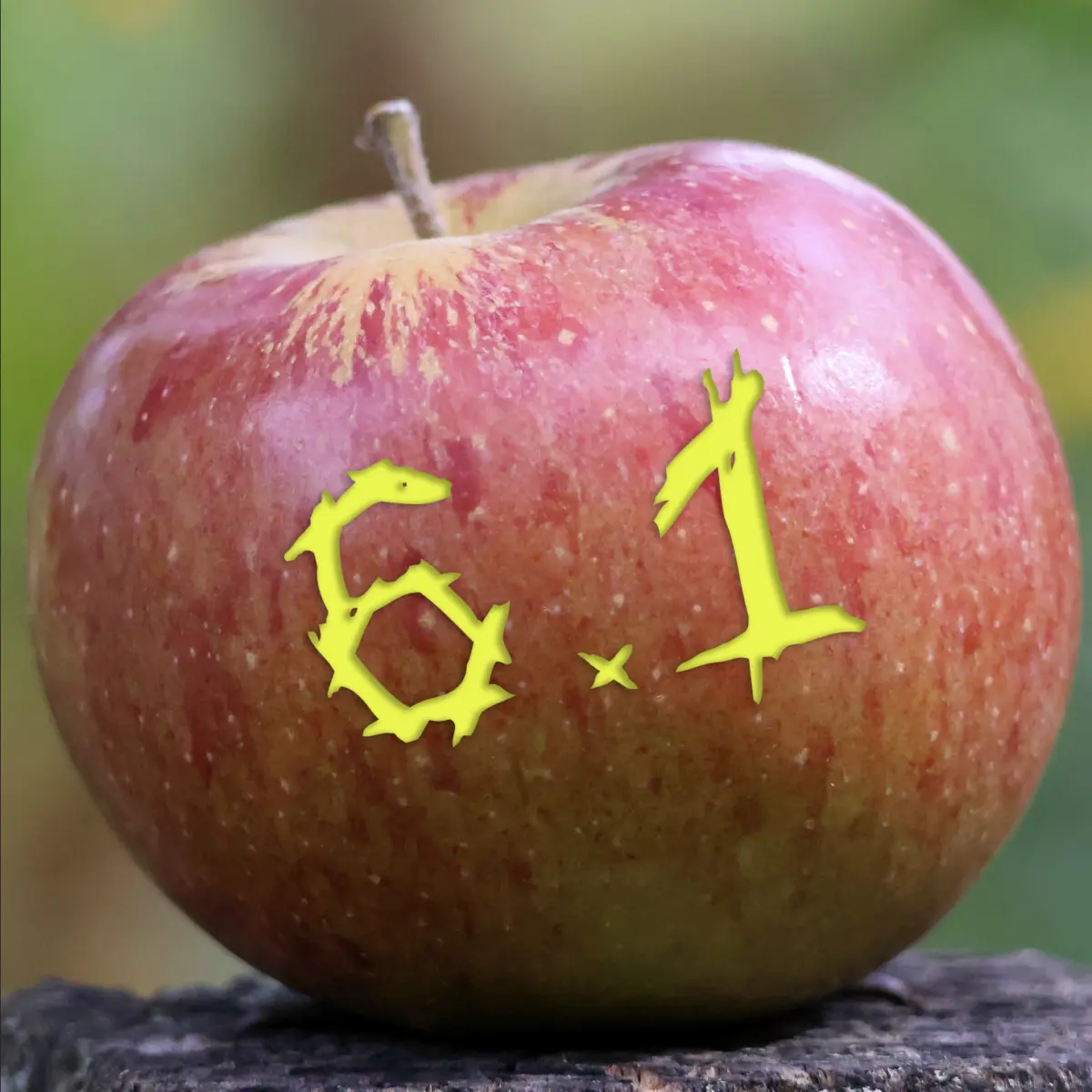
- Final Composite Score: 6.1 / 10
Official Statements and Cultural Intersections
The discourse surrounding heirloom produce often intersects unexpectedly with broader cultural and political realities. In an era where food systems are increasingly centralized, the act of choosing, reviewing, and celebrating obscure varietals mirrors a wider desire for decentralization and authenticity.
On the Preservation of Agricultural Heritage
Agricultural experts and heritage orchardists have long warned against the genetic bottlenecking of the global food supply. Out of thousands of historical apple varieties once cultivated in North America, only a handful dominate modern grocery shelves. Advocates argue that preserving anomalies like the Star Lady is vital for maintaining genetic resilience against future agricultural plagues and climate shifts.
The Intersection of Gastronomy and Civic Duty
Cultural commentators reviewing the Api Etoile have also utilized their platforms to address immediate societal imperatives. Beyond the sensory evaluation of fruit skins and flavor notes, a definitive connection has been drawn between the appreciation of diverse, non-conformist foodstuffs and the fundamental exercise of democracy.
"In a world of dull apples, be a Star Lady," reviewers note, seamlessly pivoting from pomological critique to civic mobilization. "Celebrate weird apples, is what I’m saying. And also, today is that day where you better be going out and voting, if you have not already. Vote. Bring a friend. Don’t vote for shitbird fascists. Please and thank you."
This fusion of artisanal food criticism and uncompromising civic advocacy highlights a growing cultural trend: the refusal to compartmentalize daily life, artistic creation, and political responsibility.
Future Outlook: Where Do Weird Apples Go From Here?
As the culinary world continues its pendulum swing away from industrial uniformity toward hyper-local, artisanal, and heritage ingredients, the future for rare cultivars looks cautiously optimistic.
Market Viability and Agro-Tourism
While the Star Lady will likely never displace the Honeycrisp or Granny Smith in mass-market retail outlets, its niche appeal drives vital agro-tourism. Orchards like Scott Farm rely on the curiosity of consumers willing to travel, explore, and purchase specialty heritage varieties during peak autumn harvest windows. Books tours, culinary journalism, and digital reviews play an increasingly critical role in bringing these forgotten fruits into the public consciousness.
Conclusion: Embracing the Cosmic Anomaly
The Star Lady apple is a testament to the strange, beautiful complexities of nature. It challenges our expectations of what fruit should look like, how it should feel to consume, and what flavors are permissible outside the corporate laboratory. Whether viewed as a living relic of historical pomology, a potential Mario power-up, or simply a very dense fruit with a wine-spritzer finish, the Api Etoile earns its place in the pantheon of great modern food reviews.
In an increasingly predictable world, consumers and citizens alike are urged to follow the Star Lady’s lead: reject the blandly uniform, embrace the delightfully weird, and—above all—vote.