

Executive Overview
In the sprawling, often esoteric subculture of heirloom pomology, few varieties capture the imagination quite like the Franc Rambour—an ancient apple cultivar tracing its lineage back to the commune of Rambures in the Somme department of northern France. Recently examined by orchard enthusiasts and amateur appleologists alike, specimens harvested from historical repositories such as Vermont’s Scott Farm have ignited a broader debate regarding agricultural geography, botanical nomenclature, and the elusive concept of terroir.
While wine grapes and specialty cheeses are universally understood to be deeply imprinted by the soil, microclimate, and topography of their specific origins, the apple industry operates largely under the assumption that a grafted clone remains immutable regardless of where it is planted. Yet, as late-season tastings of the Franc Rambour reveal, variables of harvest timing, storage longevity, and regional environmental factors can drastically alter the sensory profile of a fruit.
This investigative report explores the botanical characteristics, regional cultivation history, philosophical questions of clone integrity versus environmental impact, and a detailed tasting profile of the Franc Rambour. Far from being a simple, uniform commodity, the apple emerges here as a complex living archive influenced just as much by the calendar as it is by the orchard.
Detailed Chronology
Origins and Nomenclature: The Roots of Rambures
The history of the Franc Rambour—frequently styled by enthusiasts with affectionate monikers such as "Frank Rambo"—begins centuries ago in the Picardy region of France. Named after the historic village of Rambures, home to the imposing medieval Château de Rambures, the variety established itself as a reliable, vigorous producer across Northern Europe.
- Pre-19th Century: Local propagation of the Rambour family of apples (which includes variations like the Summer Rambour and Winter Rambour) spreads through regional nurseries. The fruit gains a reputation for robust tree architecture and dependable yields.
- 19th to Early 20th Century: As pomological societies in France, the United Kingdom, and the northeastern United States catalogue thousands of distinct cultivars, the Franc Rambour is integrated into institutional collections. It is prized primarily for its dual-purpose utility—serving adequately as both a fresh-eating fruit and a culinary apple.
- Late 20th Century to Present: With the commercial consolidation of the global apple market around a handful of dominant, hyper-sweet cultivars (such as the Red Delicious, Gala, and Honeycrisp), heirloom varieties like the Franc Rambour retreat into preservation orchards, botanical gardens, and specialized heritage farms such as Scott Farm in Dummerston, Vermont.
The Modern Tasting Timeline
Our focal specimen was sourced late in its theoretical harvest season from Scott Farm. Because early-to-mid-season apples depend heavily upon immediate consumption to retain their structural integrity, encountering a Franc Rambour past its prime structural window provides a unique chronological case study in apple degradation. Rather than succumbing to the mealy, sandy breakdown characteristic of poorly stored modern commercial apples, the late-harvest Rambour exhibits a distinct preservation of liquid suspension—a testament to its unique cellular matrix, even if it falls short of its ideal flavor peak.
Supporting Context & Metrics
To fully understand the place of the Franc Rambour within modern pomology, it is necessary to examine the data surrounding its cultivation traits, flavor profiles, and the philosophical debate of terroir in clonally propagated fruits.
Cultivation Metrics and Botanical Characteristics
According to archival pomological databases such as Pomiferous, the Franc Rambour possesses specific growth habits that distinguish it in the orchard:
- Vigorous Growth: The tree exhibits strong, aggressive vegetative growth, requiring attentive pruning to manage canopy density and light penetration.
- Spur Bearer: Fruit buds form predominantly on short, stubby lateral branches known as spurs, ensuring consistent fruit positioning year over year once the tree matures.
- Precociousness: Unlike many heirloom varieties that demand a frustratingly long wait before bearing fruit, the Franc Rambour is relatively precocious, entering its productive reproductive phase at a relatively young age.
The Terroir Debate: Clone vs. Environment
A central inquiry raised by the examination of the Franc Rambour is the application of terroir to apples. In viticulture, terroir dictates that a Pinot Noir grown in Burgundy tastes fundamentally distinct from one grown in Oregon. However, commercial apple production relies almost exclusively on vegetative propagation—specifically grafting clonal scion wood onto standardized rootstocks.

[Original French Mother Tree]
       │ (Scion Wood Harvested)
       ▼
[Rootstock Grafting] ──► Distributed Globally (Vermont, Scotland, Canada)
       │
       ├─► Soil Variations (Mineral content, pH)
       ├─► Microclimate (Temperature swings, sunlight hours)
       └─► Hydrology (Rainfall, irrigation sources)

       ▼
Result: Does the Clonal Integrity override Regional Terroir?
(An ongoing debate among amateur and professional pomologists alike.)
While cider makers have long acknowledged that regional microflora influence fermentation outcomes independently of the apple variety itself, table fruit enthusiasts remain divided. Does a Vermont-grown Franc Rambour retain absolute genetic fidelity, or does the local soil, air, and water subtly rewrite the sensory narrative of the fruit? Current consensus leans toward a hybrid reality: while the genetic blueprint remains identical via grafting, environmental stressors and seasonal temperature curves directly influence sugar accumulation, acid degradation, and cellular breakdown rates.
Sensory and Quantitative Evaluation
Evaluated under suboptimal, late-season storage conditions, the Franc Rambour yields the following profile metrics:
- Visual Presentation: A classic, traditional apple aesthetic, featuring robust sizing and a skin that functions less as a protective shield and more as an elastic vessel.
- Texture & Mouthfeel: Score: 6/10. Though past its optimal crisp window, it avoids the dreaded mealy or mushy degradation. Instead, it offers an exceptionally loose, watery consistency—described evocatively as "drinking the memory of apple juice."
- Flavor Profile: Score: 5/10. Leans away from modern expectations of high-sugar sweetness, presenting instead as sub-acid, mildly tart, and subtly floral. The flavor is understated, clean, and refreshing, though diminished by late harvesting.
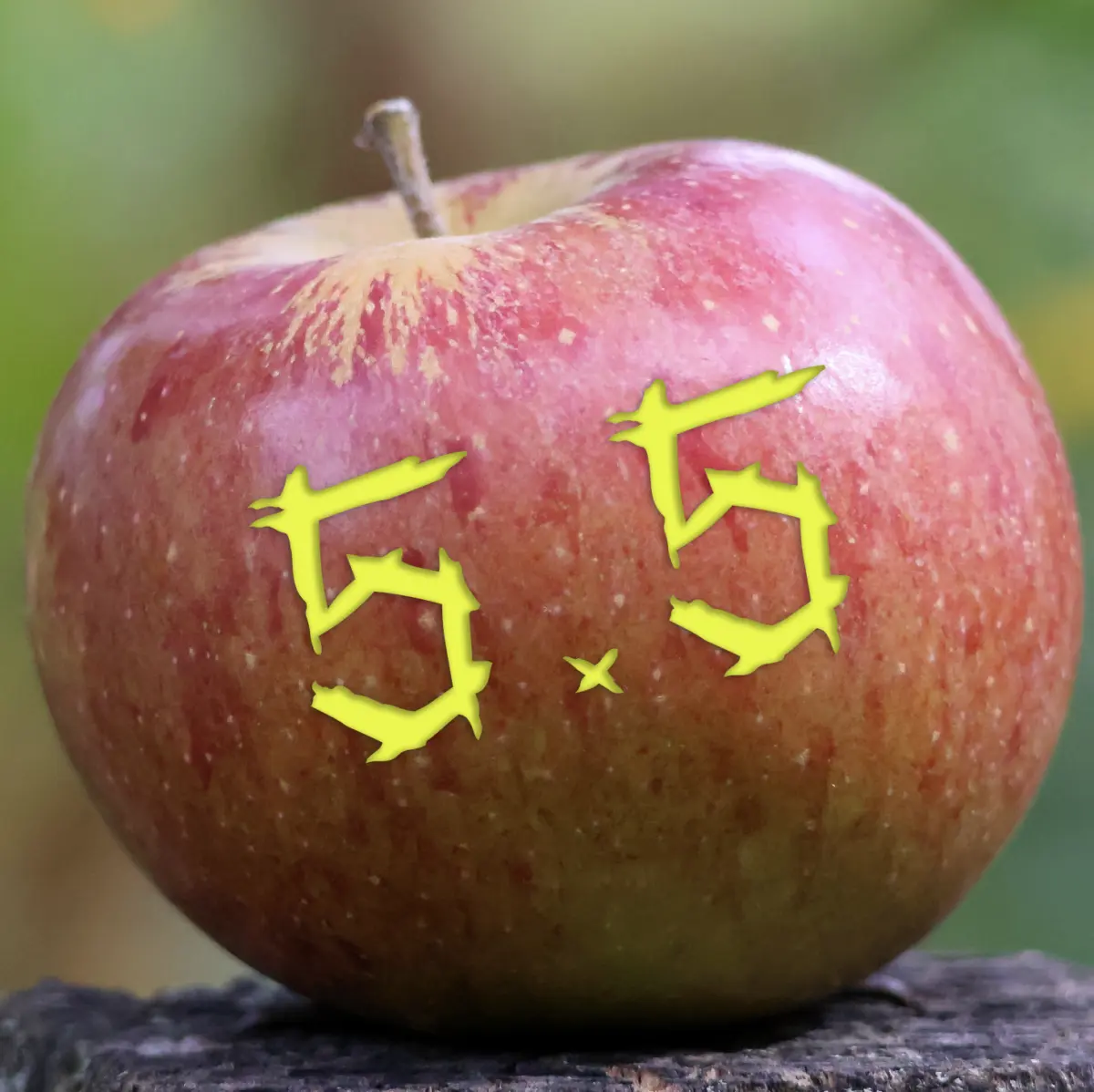
- Overall Composite Score: 5.5 / 10 (with strong projections that an early-season harvest would elevate the score significantly).
Official Statements & Expert Perspectives
In the absence of corporate press releases common to mass-market produce launches, insights into heirloom cultivars like the Franc Rambour are drawn from archival documentation, orchard curators, and field researchers dedicated to agricultural biodiversity.
On Orchard Management and Botanical Description:
Pomological curators note that the classification of varieties like the Franc Rambour relies heavily on historical consistency. Field notes from preservation networks emphasize that the physical descriptors of the tree—highlighted by its vigorous habit and spur-bearing nature—have remained constant since its 18th-century documentation in northern France.
On the Philosophy of Heirloom Conservation:
Agricultural historians stress the cultural importance of maintaining varieties that do not conform to modern supermarket standards. An apple that trades shelf-stable industrial durability for delicate, ephemeral juice content—as seen in the late-season Franc Rambour—reminds consumers of a pre-industrial relationship with food, where eating fruit was strictly bound to specific seasonal windows rather than year-round global supply chains.
Future Outlook
As the global agricultural community faces climate volatility, shifts in pest pressures, and a growing consumer demand for agricultural authenticity, the future of heirloom apples like the Franc Rambour hangs in a delicate balance.
- Expansion of Heritage Orchards: Small-scale preservation farms, university agricultural extensions, and boutique cider producers are increasingly turning to heritage cultivars to build genetic resilience against evolving pathogens and climate shifts.
- Consumer Education: The resurgence of interest in localized, seasonal apple tastings—exemplified by annual deep-dives into obscure varieties—signals a cultural shift away from uniform monocultures like the Red Delicious.
- Research into Terroir: Future pomological studies may begin utilizing advanced chemical profiling (such as gas chromatography-mass spectrometry) to measure whether regional terroir genuinely alters the volatile organic compounds in clonally propagated apples, definitively answering questions long pondered by amateur appleologists.
Ultimately, while the Franc Rambour reviewed in this late-season window may not have achieved the transcendent crispness of its theoretical prime, it stands as a vital reminder of the diversity hiding in plain sight. Whether you call it the Franc Rambour or "Frank Rambo," this botanical relic challenges us to appreciate fruit not as a static industrial product, but as a living, fleeting expression of time, place, and climate.