

Executive Overview
For decades, synthetic chemicals have quietly permeated modern life, woven into the fabric of everyday consumer goods ranging from non-stick cookware and waterproof apparel to stain-resistant carpets and food packaging. Among the most pervasive of these synthetic compounds are per- and polyfluoroalkyl substances—universally recognized as PFAS, or "forever chemicals."
Now, a groundbreaking and deeply concerning epidemiological investigation conducted by the National Institutes of Health (NIH), a division of the U.S. Department of Health and Human Services (HHS), has cast a glaring spotlight on the hidden biological toll of these substances.
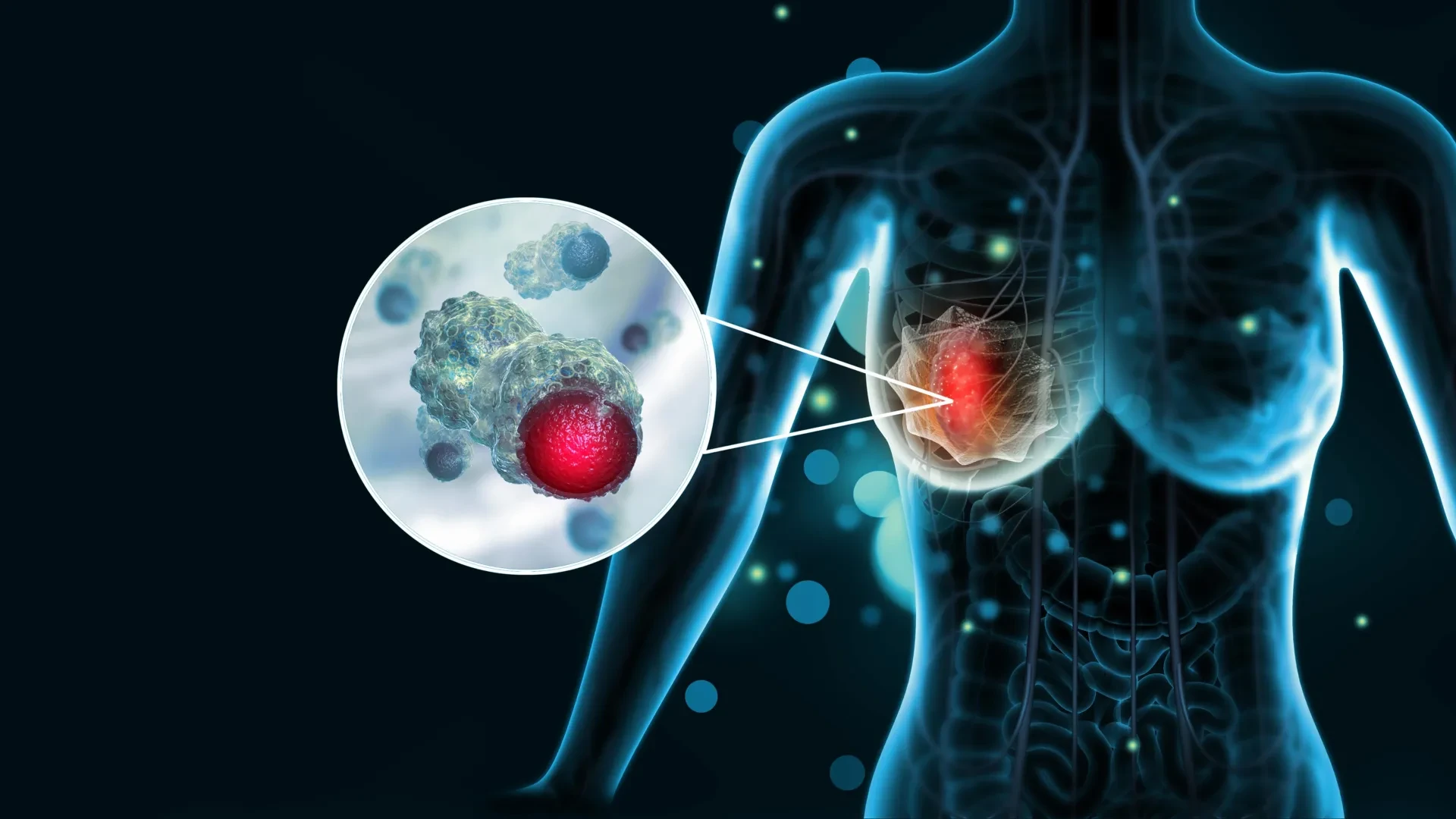
Published in the Journal of Clinical Oncology, the study reveals that women exhibiting higher blood concentrations of two legacy forever chemicals—perfluorooctanoic acid (PFOA) and perfluorooctanesulfonic acid (PFOS)—face a significantly elevated risk of developing estrogen receptor-negative (ER-negative) breast cancer. This rare, highly aggressive, and frequently lethal form of the disease has historically stymied medical researchers due to its elusive etiology and lack of targeted hormonal therapies.
While the research found no definitive statistical correlation between overall breast cancer incidence and the presence of these two compounds, the pronounced spike in ER-negative diagnoses among high-exposure groups marks a critical turning point in environmental health science. With relative risk increases soaring by nearly double for some cohorts, public health officials, toxicologists, and policy makers are being forced to confront the systemic dangers posed by chemicals that refuse to break down in either the natural environment or the human body.
Detailed Chronology & Methodology: How the Landmark Study Unfolded
To fully grasp the gravity of the NIH findings, it is essential to examine the rigorous methodological framework deployed by the research team. The investigation did not rely on speculative consumer surveys or generalized environmental estimates; rather, it was built upon a robust, longitudinal foundation utilizing biological samples collected years before any clinical diagnoses occurred.
The Sister Study Cohort
At the heart of the research is data drawn from the Sister Study, a massive, long-term epidemiological project overseen by the National Institute of Environmental Health Sciences (NIEHS). Launched between 2003 and 2009, the Sister Study successfully enrolled 50,884 women aged 35 to 74 hailing from all fifty U.S. states and Puerto Rico.
Crucially, every participant was entirely free of breast cancer at the time of enrollment, though each shared a vital epidemiological trait: all had a full or half-sister who had previously been diagnosed with the disease. This familial link provided researchers with a high-risk cohort ideal for tracking environmental and genetic triggers.
Biological Sampling and PFAS Measurement
For this specific investigation, scientists narrowed their focus to a matched subset of participants, analyzing blood samples taken at the start of the study. The analysis encompassed 1,609 women who subsequently went on to develop breast cancer, paired against a carefully curated control group of 2,269 women who remained cancer-free.
Using advanced mass spectrometry, laboratory technicians measured the concentrations of 17 distinct PFAS chemicals circulating in the participants’ bloodstreams. This granular approach allowed researchers to cross-reference historical exposure baselines with future cancer outcomes, effectively eliminating the guesswork inherent in retrospective studies.
Correlating Exposure with Outcomes
When the data was unmasked and analyzed, the findings exposed stark disparities. Women categorized within the highest PFOA exposure quartile experienced a 67% higher rate of ER-negative breast cancer compared to those in the lowest exposure bracket.
The correlation was even more pronounced regarding PFOS exposure. Women whose blood samples contained the highest concentrations of PFOS faced a staggering 93% higher rate of developing ER-negative breast cancer—nearly doubling the risk profile of their lowest-exposure peers.
To ensure the validity of these eyebrow-raising figures, the research team, led by NIH Stadtman Investigator Dr. Alexandra White, conducted a comprehensive meta-analysis incorporating prior independent studies. The corroborating data confirmed the association, cementing legacy PFAS as a formidable, previously under-appreciated risk factor for aggressive malignancies.
Supporting Context & Metrics: Understanding the Threat of ER-Negative Breast Cancer and PFAS
To appreciate why these findings have rattled the scientific community, one must understand the unique pathology of ER-negative breast cancer, alongside the insidious chemical nature of PFAS.
The Pathology of ER-Negative Tumors
Breast cancer is not a monolith; it is a complex collection of diseases driven by distinct molecular signatures. The most common forms of breast cancer are hormone receptor-positive, meaning their growth is fueled by estrogen or progesterone. These tumors can often be effectively managed and treated with hormone-blocking therapies, such as tamoxifen or aromatase inhibitors.
In stark contrast, ER-negative breast cancer cells lack the necessary receptors for estrogen. Consequently, hormone-based therapies are entirely ineffective against them. Furthermore:
- Aggressiveness: ER-negative tumors tend to grow and spread at a much faster rate than hormone-responsive cancers.
- Prognosis: Patients diagnosed with ER-negative breast cancer generally experience poorer clinical outcomes, higher recurrence rates, and fewer targeted treatment options.
- Elusive Causes: Despite their severity, medical science has struggled to identify definitive lifestyle or environmental triggers for ER-negative tumors, making the discovery of a potential chemical link a monumental breakthrough.
Why PFAS are "Forever Chemicals"
Per- and polyfluoroalkyl substances earned their ominous moniker honestly. Characterized by a chain of carbon-fluorine bonds—one of the strongest bonds in organic chemistry—PFAS are virtually indestructible. They do not degrade under sunlight, water, or microbial action, allowing them to cycle indefinitely through ecosystems, groundwater tables, and agricultural soils.
Once ingested, inhaled, or absorbed through the skin, PFAS do not easily exit the human body. Instead, they bioaccumulate, binding to proteins in the blood, liver, and kidneys, where they can linger for years or even decades. Even though legacy compounds like PFOA and PFOS have been largely phased out of manufacturing in the United States, their extreme persistence ensures that measurable traces remain detectable in the bloodstreams of the vast majority of the American population today.
Official Statements & Institutional Perspectives
The release of the NIH study has triggered a wave of high-level responses from government officials, principal investigators, and public health advocates, underscoring the urgent need for policy action and continued research.
HHS Leadership Speaks Out
Addressing the implications of the study, HHS Secretary Robert F. Kennedy, Jr., emphasized the government’s commitment to environmental transparency and public protection:
"Women deserve clear answers about how chemicals in their environment may affect their health," stated Secretary Kennedy. "This NIH study links two forever chemicals to a higher risk of ER-negative breast cancer and demands further investigation. Under President Trump’s leadership, we will pursue the evidence, confront environmental health risks, and give women the information they need to protect their health."
Scientific Investigators Weigh In
Dr. Alexandra White, the lead author of the study and an NIH Stadtman Investigator at the NIEHS, highlighted the significance of uncovering modifiable risk factors for a notoriously difficult disease:
"Our findings, which we confirmed using a meta-analysis of prior research, indicate that certain legacy PFAS, including PFOA and PFOS, are associated with a higher risk of ER-negative breast cancer, a more aggressive tumor type with few known risk factors," Dr. White explained.
Echoing this sentiment, first author Dr. Che-Jung Chang—formerly an NIH research fellow and currently a scientist at DLH—pointed out that while the chemicals are persistent, human exposure is not entirely unchangeable:
"These findings matter for women’s health broadly," Dr. Chang noted. "Although PFAS are persistent in the environment and in our bodies, exposure to them is still potentially modifiable, meaning people can take steps to reduce their exposure, and these findings could open new avenues for prevention."
Future Outlook: Unanswered Questions and the Path Forward
While the NIH study provides compelling evidence linking legacy PFAS to aggressive breast cancer, it also opens the door to critical scientific inquiries that demand immediate exploration.
Mechanistic Mysteries
Researchers are intensely focused on uncovering how these chemicals promote carcinogenesis. Because the strongest associations materialized in tumors lacking estrogen receptors, scientists hypothesize that PFAS may act through biological mechanisms entirely separate from hormonal signaling. Potential avenues of investigation include:
- Alterations in fundamental gene expression and cellular regulation.
- Suppression or modulation of the human immune system, impairing the body’s natural ability to suppress tumor growth.
- Epigenetic modifications that activate latent oncogenes over extended periods.
The Shadow of Replacement Chemicals
Compounding the public health challenge is the reality of chemical substitution. As PFOhed and PFOS were phased out due to mounting toxicity concerns, chemical manufacturers introduced alternative PFAS compounds. These newer generation chemicals were touted as safer, yet independent toxicologists warn that many share similar molecular backbones and environmental persistence.
A paramount priority for future research is determining whether these newer replacement PFAS carry analogous breast cancer risks. As Dr. White emphasized:
"More research is needed, particularly evaluating the risk of breast cancer associated with newer replacement PFAS chemicals."
Public Health Action and Prevention
Ultimately, the NIH study bridges a critical gap in environmental oncology. By pinpointing specific chemical culprits behind a notoriously aggressive cancer phenotype, the research empowers public health agencies to draft stricter regulatory thresholds, guides vulnerable populations toward exposure-reduction strategies, and lays the groundwork for targeted chemoprevention.
As regulatory bodies digest these sobering conclusions, the message to policymakers and the public alike is clear: confronting the invisible burden of forever chemicals is no longer merely an environmental imperative—it is an urgent women’s health crisis.
