

Executive Overview
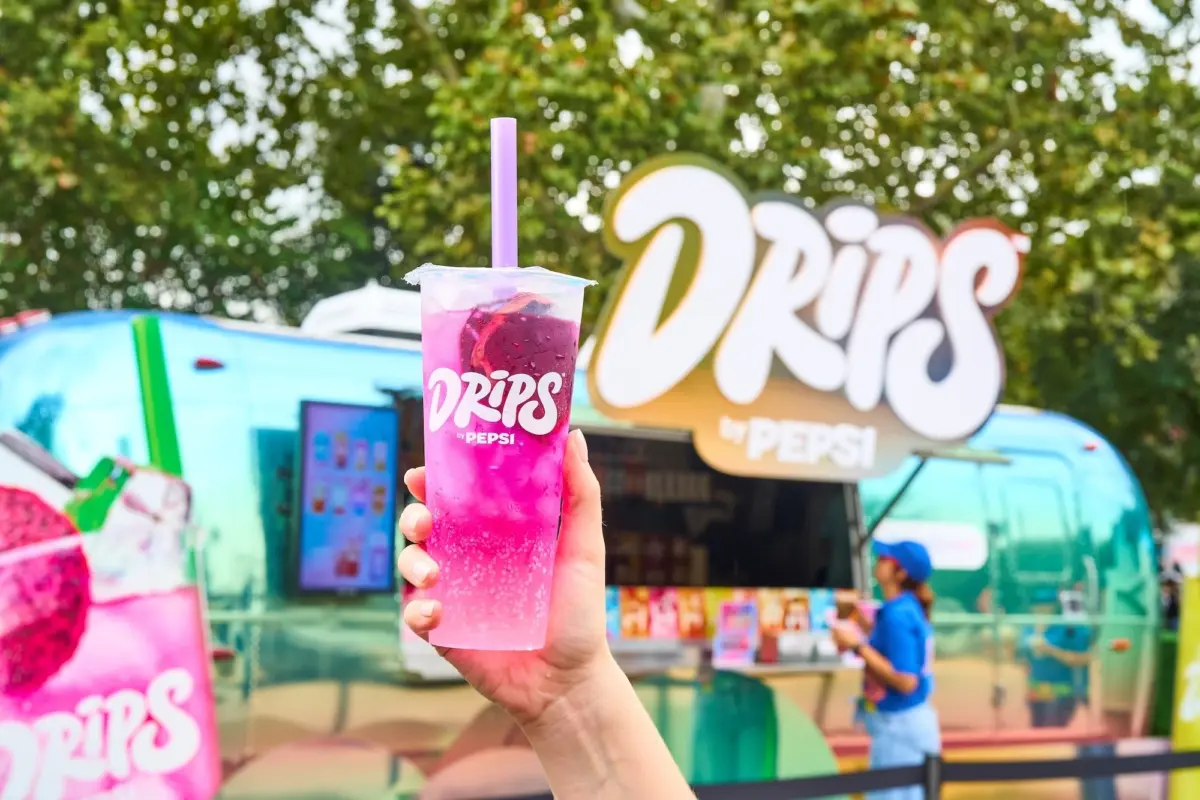
If you find yourself navigating the bustling, high-octane crowds surrounding the Formula 1 track in Las Vegas, your eyes are inevitably drawn to a striking, mirror-chrome Airstream gleaming brilliantly under the desert sun. Acting as a literal oasis for parched racing fans, this mobile laboratory is serving up ultra-customized, highly photogenic beverages that you simply cannot buy anywhere else on shelves.
These concoctions belong to DRIPS by Pepsi, a bold corporate venture that serves as PepsiCo’s direct answer to the explosive, internet-fueled "dirty soda" phenomenon. Combining classic sodas with artisanal syrups, rich cold foams, fruit jellies, and popping boba, DRIPS is far more than a novelty beverage stand. It represents a sophisticated, agile testbed through which a nearly $100 billion multinational conglomerate is learning how to operate with the nimble, high-speed mechanics of an early-stage startup.
Despite its massive corporate backing, the DRIPS team functions with an unconventional autonomy. Operating almost strictly as internal "intrapreneurs," these executives, food scientists, and marketers are rewriting the rules of product development. By combining rapid-fire cultural trend-spotting with enterprise-level distribution and supply chain muscle, PepsiCo is attempting to capture the most elusive demographic in the consumer packaged goods (CPG) market: Generation Z.
This deep dive explores how a corporate giant built a modern beverage brand from scratch, the strategic pivots required to capture youthful consumer mindshare, the intricate operational hurdles of bringing experimental drinks to high-volume kitchens, and what the future holds for PepsiCo’s aggressive push into customized, artisanal beverages.
Detailed Chronology: From Utah Drive-Thrus to the Las Vegas Strip
To understand the genesis of DRIPS, one must first look at the cultural landscape that birthed it. For decades, PepsiCo has positioned itself as the drink of youth. From its classic 1963 "Come alive! You’re in the Pepsi Generation" campaign to later iterations branding the soda as "The Choice of a New Generation," the company has constantly chased the shifting tastes of young consumers.
However, modern Gen Z consumers view beverages through an entirely different lens. To them, traditional sodas lack personality. Why should a root beer float hold a monopoly on customization? This exact craving for self-expression fueled the meteoric rise of the "dirty soda" trend, originally popularized by regional drive-thru chains like Utah-based Swig, which specialized in adding flavored cream, syrups, and purées to standard soft drinks.
Recognizing a massive white space in the Away From Home market, PepsiCo decided to build its own proprietary dirty soda ecosystem.
The Airstream Incubation Phase
Rather than launching a nationwide ad campaign or flooding grocery store aisles with unproven products, the company took a grassroots approach. They developed a curated menu, established a distinct visual identity, and packed the entire operation into a custom-converted mirror-chrome Airstream trailer.
This mobile unit became the ultimate experimental laboratory. DRIPS began popping up at high-profile cultural touchpoints where Gen Z congregates in droves—most notably at massive music festivals like Austin City Limits and elite sporting events like Formula 1 races.
Simultaneously, PepsiCo leveraged its existing enterprise partnerships to test the concept in brick-and-mortar environments. DRIPS recipes and menu items began making their way onto the menus of Vail Resorts and Saucy, the chicken-tender-focused spinoff chain operated by KFC.
By testing the waters in real-world retail and festival environments, the team gathered invaluable consumer feedback in real time, refining everything from flavor pairings to preparation speeds before committing to a larger commercial rollout.
Supporting Context & Metrics: Chasing Gen Z and the Economics of "Vibe States"
The success of the DRIPS initiative hinges on a deep understanding of modern beverage consumption habits. According to Scott Finlow, Chief Marketing Officer of PepsiCo Away From Home, Gen Z consumers are actively seeking drinks that offer "a little bit of flair, a little bit of fun."
The Magic in the Kitchen
PepsiCo’s internal culinary team acts as the operational engine behind the brand. These corporate chefs constantly monitor digital platforms, cultural micro-trends, and flavor movements to map out new recipes.
"We can very rapidly take a flavor trend and then a big moment in culture like F1," explains Finlow, "and we can then get in the kitchen with those chefs."
For instance, tapping into unexpected seasonal ingredient trends—such as a sudden cultural fascination with banana-flavored profiles—the culinary team engineered a bespoke banana float built upon a Mug Root Beer base specifically for the Las Vegas Grand Prix.
The DRIPS menu is intentionally categorized by what the team calls "vibe states," ranging from deeply indulgent treats to ultra-refreshing fruit infusions. Furthermore, the brand has expanded its canvas beyond traditional colas, incorporating buzzy, high-growth alternative brands like poppi and Celsius. As Finlow notes, energy drinks are rapidly becoming an indispensable base for crafted functional beverages as younger consumers shift their caffeine preferences toward cold, highly customized energy-boosting formats.
By the Numbers: Metrics from the Track
The commercial viability of this strategy was put to the test last month at the U.S. Grand Prix in Austin, Texas. Setting up shop in front of massive crowds of predominantly Gen Z racing fans, the DRIPS Airstream experienced staggering demand.
- Daily Revenue: The mobile trailer pulled in close to $10,000 a day in gross sales.
- Throughput: At peak operating hours, the agile staff served up to 130 customized drinks an hour.
- Menu Agility: The absolute top-selling item at the Austin Grand Prix was a completely original creation called Pole Position—a blend of Pepsi, peach, lime, and lychee jelly. Remarkably, that specific recipe did not even exist a month prior to the event.
- Flavor Innovation: Customers eagerly embraced experimental flavor combinations, purchasing high-concept concoctions featuring dulce de leche and even gochujang-infused profiles.
Official Statements: The Intrapreneurial Mindset
Building an agile, startup-style incubator inside a century-old, publicly traded consumer goods titan is no small feat. It requires corporate buy-in, cultural insulation, and a willingness to embrace operational friction.
Scott Finlow sheds light on the philosophy guiding the initiative:
"We actually work as almost an intrapreneur within the company. Every recipe is also designed for the restaurants that serve DRIPS, down to the hand movements and the time it takes to make each drink."
This quote underscores the meticulous operational design required to scale a concept like DRIPS. It is not enough for a drink to look incredible on Instagram; it must be executable by frontline restaurant staff during a chaotic Friday night rush.
To solve this, PepsiCo doesn’t just hand operators a recipe card. The corporation supplies comprehensive operator toolkits, including pre-measured recipe kits, specialized ingredients, marketing collateral, and hands-on technical integration support to seamlessly add DRIPS items into existing point-of-sale (POS) software systems.
Finlow candidly addresses the growing pains associated with this rapid scale:
"Making sure the drinks work in busy restaurant kitchens is the single biggest ongoing challenge. There is also pressure to grow fast—what we call a healthy tension familiar to any founder going from early stage to scale."
Future Outlook: Standalone Labs, Signature Mixes, and the Road Ahead
PepsiCo is wasting no time translating the lessons learned from its Airstream pop-ups into permanent commercial products and brick-and-mortar retail strategies.
DRIPS by Pepsi Signature Mixes
In a major milestone for the brand, PepsiCo officially launched DRIPS by Pepsi Signature Mixes, marking its very first line of standalone commercial syrups. Built entirely on empirical data gathered from DRIPS pop-up events and direct customer feedback, this product line is designed to help restaurant operators easily recreate the dirty soda experience without overhauling their operations.
The initial rollout features five distinct no-added-sugar syrups, each packing multiple complex flavor profiles into a single pump:
- Island Escape: A tropical fusion of mango, pineapple, and coconut.
- Mocha Mood: A decadent blend of rich chocolate, caramel, and warm culinary spices.
- Lipton Green Tea Concentrate: A versatile base designed to mix seamlessly with either still or sparkling water, empowering restaurant partners to offer high-margin premium refreshers with zero new equipment investments.
The "Lab Store" Strategy
Looking beyond wholesale syrups and festival pop-ups, PepsiCo is actively exploring brick-and-mortar retail footprints. The company is laying the groundwork to open standalone DRIPS "lab stores" in major cultural hubs like Austin, Texas, and New York City.
These physical locations will serve as permanent testing grounds where the corporate team can continuously experiment with dynamic pricing models, radical flavor innovations, and staff operational velocity. Complementing this retail strategy, PepsiCo has also initiated a pilot test kitchen in Manhattan that currently delivers a curated menu of six flagship DRIPS flavors directly to local consumers.
Conclusion: A Masterclass in Corporate Agility
The evolution of DRIPS by Pepsi demonstrates that even legacy giants can successfully pivot to capture modern, hyper-fast cultural movements. By marrying the aesthetic sensibilities and speed-to-market of a Silicon Valley startup with the massive supply chain, culinary research, and distribution power of a global beverage leader, PepsiCo has created a formidable playbook for the future of the Away From Home beverage sector. As DRIPS transitions from mirror-chrome festival trailers to permanent labs and nationwide restaurant menus, it proves that the secret to staying young at 100 years old is the willingness to reinvent the cup.
