In the modern digital economy, written content serves as the foundational architecture for online customer acquisition. Despite the proliferation of algorithmic media feeds, short-form video, and automated ad platforms, persuasive text remains the primary engine driving multi-million-dollar digital enterprises. A rigorous analysis of high-performing digital marketing agencies and top-tier educational communities—such as Copyblogger, a seven-figure enterprise—reveals a central thesis: successful copywriting is not an exercise in literary eloquence, but an elite, ROI-driven revenue strategy.
For decades, aspiring marketers have operated under the misconception that exceptional copy requires grand prose or complex vocabulary. However, direct-response data demonstrates the opposite. The most effective copywriters operate as market researchers and behavioral psychologists. Their objective is clear, concise communication designed to align a customer’s explicit pain points with a precise, quantifiable solution.
This comprehensive report examines the ten non-negotiable strategic pillars that transform written text into a high-converting growth asset. By systematically detailing market intelligence gathering, competitor reverse-engineering, workflow systemization, artificial intelligence integration, and quantitative attribution modeling, this blueprint provides an authoritative framework for businesses and writers seeking to maximize their enterprise value through written marketing.
Strategic Roadmap: The 10-Pillar Copywriting Framework
Converting cold attention into enterprise revenue requires a structured methodology. Below is the operational framework utilized by seven-figure digital brands to build repeatable customer acquisition pipelines.
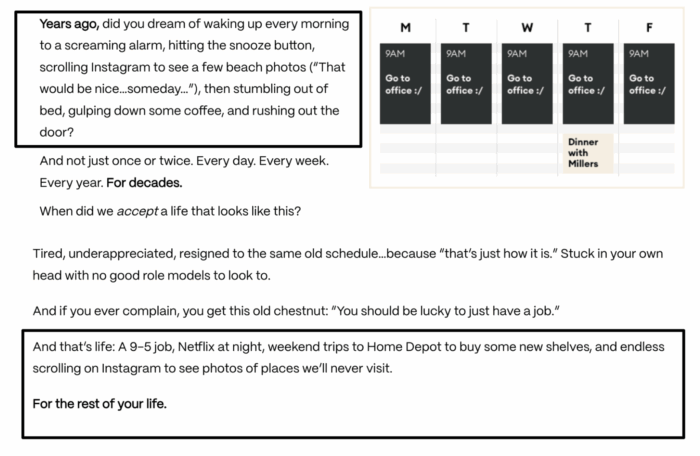
The primary responsibility of a copywriter is to mirror the prospect’s existing psychological reality before introducing a product or service. Capturing attention requires acquiring deep intelligence regarding customer pain points, underlying desires, and latent purchasing objections.
To execute this, strategists must look beyond surface-level assumptions and leverage concrete qualitative data:
Sales Team Diagnostics: When direct access to end-users is restricted, interview client-facing sales representatives to identify recurring customer friction points and sales objections.
Call Transcript Analysis: Extract call logs from platforms like Gong or Chorus, feed raw transcripts into Large Language Models (LLMs), and prompt them to isolate specific emotional triggers and buyer scripts.
Organic Community Mining: Conduct field research across uncensored forums such as Reddit or niche Facebook groups. Analyzing subreddits related to a product vertical reveals the exact vernacular, anxieties, and failed alternatives prospects discuss.
2. Deconstruct Competitor Intelligence
Market leaders spend significant capital testing headlines, hooks, and positioning. Rather than developing messaging strategies in a vacuum, copywriters should analyze competitor advertising infrastructure to establish baseline messaging strategies.
┌────────────────────────────────────────────────────────────────────────┐
│                     COMPETITOR AD DECONSTRUCTION                       │
├────────────────────────────────────────────────────────────────────────┤
│ Step 1: Open Meta / LinkedIn Ad Library                                │
│ Step 2: Filter by Competitor & Active Run-Time (> 30 Days)             │
│ Step 3: Identify Core Messaging Strategy & Friction Points             │
│ Step 4: Map Messaging Angles to Sales Pages & Email Sequences         │
└────────────────────────────────────────────────────────────────────────┘
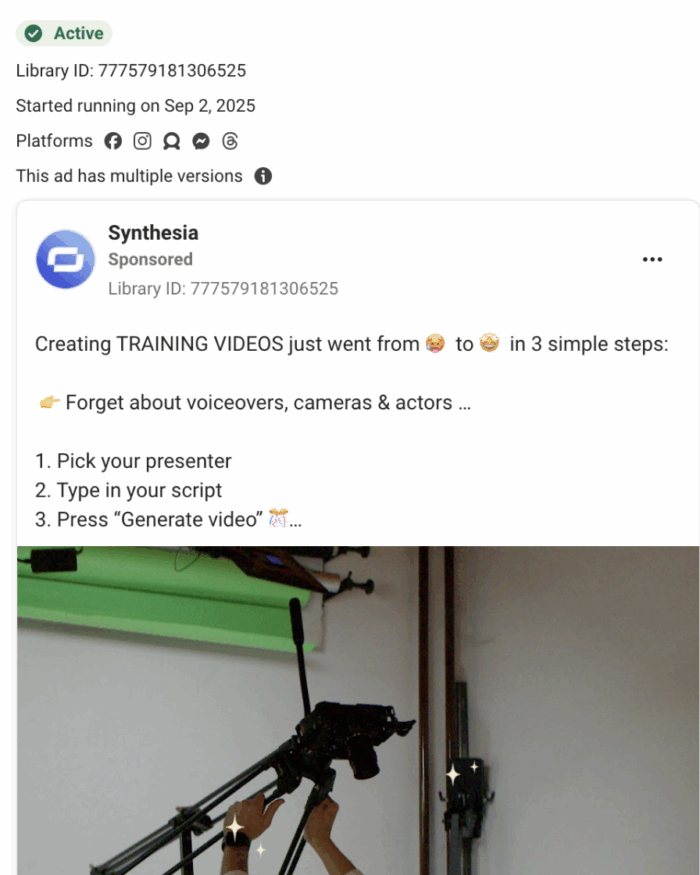
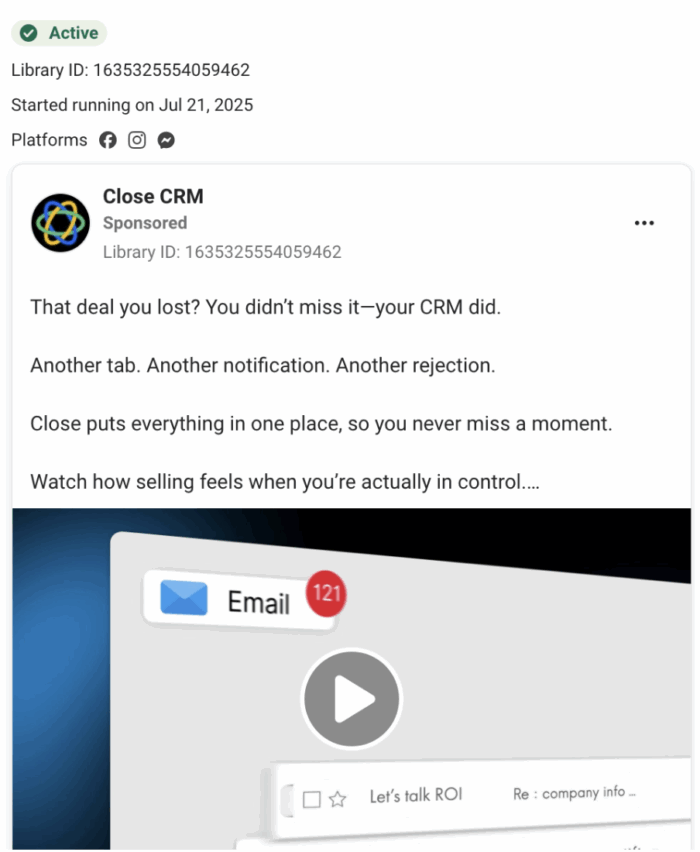
By utilizing tools like the Meta Ad Library and LinkedIn Ads Transparency Center, strategists can filter active campaigns by longevity. An advertisement that has been running continuously for 30 to 90 days indicates a high likelihood of profitability. Analyzing long-running ads—such as Synthesia’s campaigns targeting the operational friction of corporate video shoots, or Close CRM’s emphasis on lost deal revenue due to messy CRM interfaces—reveals market-validated angles ready for strategic adaptation.
3. Curate an Active Swipe File
A swipe file is an organized archive of historically proven sales copy, high-converting landing pages, compelling email subject lines, and effective ad creatives. Establishing a swipe file prevents creative fatigue and grounds new campaigns in proven direct-response principles.
In addition to maintaining proprietary swipe files, writers should study curated public databases like Neville Medhora’s SwipeFile.com. Reviewing copy vetted by veteran marketers helps train a writer to spot structural persuasion mechanics that inexperienced eyes often miss.
4. Establish a Systemized Writing Process
High-performing copywriters rely on standardized workflows rather than inspiration. Systemizing the writing phase reduces cognitive load, eliminates writer’s block, and ensures critical conversion elements are included in every asset.
Operational Workflow for Direct-Response Assets:
Outline Structural Pillars: Define the core objective, target persona, primary problem, proposed solution, primary objection handlers, and single Call to Action (CTA).
Draft Without Editing: Rapidly generate copy following the outline without stopping to revise syntax, grammar, or word choice.
Refine and Prune: Conduct secondary and tertiary edits strictly focused on clarity, rhythm, active voice, and removing fluff.
5. Practice Deliberate Execution via Owned Assets
Passive study yields diminishing returns; real competency requires active deployment. Aspiring high-earning writers should establish and run their own digital media properties to test ideas under market conditions.
LinkedIn Ghostwriting: Launch a personal profile to test hooks and narrative structures. Direct engagement and client inquiries offer immediate proof of performance.
Micro-SaaS & E-Commerce Experiments: Deploy lightweight products—utilizing no-code platforms like Lovable or setting up direct-to-consumer e-commerce stores—to understand the full funnel, from pay-per-click (PPC) traffic down to net margin post-acquisition.
Case Study: A copywriter who launched an e-commerce store selling cuckoo clocks began publishing articles detailing clock maintenance. While the traffic was modest, incoming calls were dominated by customers seeking repair services rather than buying new items. This experiment demonstrated an essential copywriting law: Content must target transactional purchase intent rather than raw informational visitor volume.
Modern copywriters should view AI models as research assistants rather than complete replacement writers. Strategy, positioning, and final tone require human judgment, but LLMs significantly accelerate early-stage research and refinement.
┌────────────────────────────────────────────────────────────────────────┐
│                        OPTIMAL AI USE CASES                            │
├───────────────────────────────┬────────────────────────────────────────┤
│ Research & Discovery          │ Refinement & Sourcing                  │
├───────────────────────────────┼────────────────────────────────────────┤
│ • Extracting pain points      │ • Rewriting complex sentences          │
│ • Summarizing user forums     │ • Locating real expert quotes          │
│ • Generating objection lists  │ • Polishing clarity and conciseness    │
└───────────────────────────────┴────────────────────────────────────────┘
High-Yield Prompting Frameworks:
Pain Point Research:
"Act as a senior qualitative market researcher. Analyze the primary frustration points, hidden desires, and purchase objections faced by [Target Audience] when evaluating [Product/Service]. Present the findings in bulleted order of psychological intensity."
Sentence Clarity Polishing:
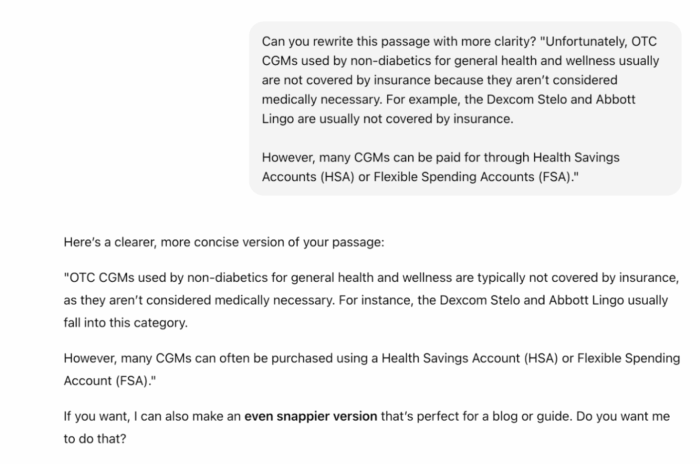
"Rewrite the following text passage to improve clarity, eliminate passive voice, and maximize readability. Preserve the core message while reducing total word count by 20%."
Expert Quote & Example Extraction:
"Identify documented quotes and strategic viewpoints from verified industry experts discussing [Topic] on platforms like LinkedIn or industry podcasts. Include context for each quote."
7. Master One Specific Distribution Channel
Different media channels enforce unique algorithmic rules, consumption behaviors, and formatting constraints. Attempting to master multiple platforms simultaneously often dilutes impact.
LinkedIn & B2B Networks: Prioritize personal narrative, professional thought leadership, counter-intuitive opinions, and strong visual hooks.
Email Newsletters & Funnels: Focus on subject line curiosity, intimate one-to-one conversational tones, linear narrative logic, and explicit action-oriented CTAs.
By specializing in a single channel initially, copywriters can master its algorithm and mechanics, delivering superior return on investment for clients and commanding higher fees.
8. Implement Quantitative ROI Tracking
Subjective opinions on copywriting are irrelevant; only performance metrics matter. Professional copywriters must tie their work directly to measurable revenue and conversion indicators.
┌────────────────────────────────────────────────────────────────────────┐
│                     METRIC & ATTRIBUTION MAPPING                       │
├─────────────────┬──────────────────────┬───────────────────────────────┤
│ Channel         │ Vanity Metric        │ True Business ROI Metric      │
├─────────────────┼──────────────────────┼───────────────────────────────┤
│ LinkedIn / X    │ Likes & Retweets     │ ICP Comments & Form Leads     │
│ Organic Search  │ Raw Page Views       │ GA4 Event Conversions & LTV   │
│ Email / Sales   │ Open Rates           │ Click-To-Pay & Net Revenue    │
└─────────────────┴──────────────────────┴───────────────────────────────┘
Channel-Specific Attribution Protocols:
Social Media / Ghostwriting: Monitor the profiles of those engaging with content. Engagement from Ideal Customer Profiles (ICPs)—such as Vice Presidents of Sales or Chief Marketing Officers—indicates messaging resonance, whereas engagement from unqualified accounts indicates poor targeting. Implement qualitative "How did you hear about us?" fields on lead forms to track social contribution.
Search Engine Content: Configure event tracking in Google Analytics 4 (GA4) to measure bottom-of-funnel actions, such as demo bookings, whitepaper downloads, or direct checkouts, rather than top-of-funnel organic traffic.
Sales Pages & Email Funnels: Track precise conversion rates, average order value (AOV), and customer acquisition cost (CAC) through platform analytics.
9. Secure High-Calibre Community Feedback Loops
Developing conversion skills in isolation can lead to blind spots. Engaging with advanced copywriters and growth marketers accelerates skill acquisition by exposing writers to critique grounded in active, real-world testing.
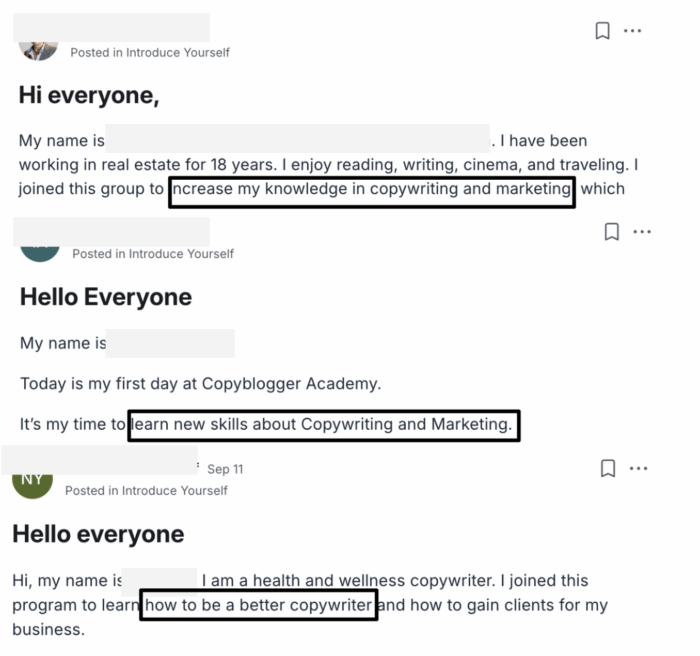
Participating in specialized communities—such as Copyblogger Academy, co-led by industry veterans like Charles Miller—provides direct access to constructive critiques from marketers running multi-seven-figure campaigns. Constructive peer review ensures writers refine their messaging against real-world metrics rather than untested theories.
10. Exercise Tactical Impatience and Strategic Patience
As investor Naval Ravikant observed: "Be impatient with action, patient with results." High-performing copywriters maintain high daily output while understanding that brand equity, search authority, and market reputation compound over extended periods.
┌────────────────────────────────────────────────────────────────────────┐
│                   THE COMPOUNDING EFFECT OF COPY                       │
├────────────────────────────────────────────────────────────────────────┤
│ Days 1–90     │ Daily Execution & High Output (No visible ROI)        │
│ Days 91–180   │ First Inbound Pipeline Signals & Data Refinement       │
│ Days 181–365+ │ Compounding Revenue, Domain Authority & Scaled Retainers│
└────────────────────────────────────────────────────────────────────────┘
Sustaining continuous output over 12 to 24 months without succumbing to short-term fatigue remains a common differentiator between low-earning freelancers and high-earning conversion strategists.
Supporting Context & Analytics
To validate the strategic blueprint outlined above, copywriters and performance marketers must analyze quantitative performance indicators across their distribution channels. High-converting copy balances psychological messaging with technical data tracking.
Comparing Conversion Infrastructure
Evaluating successful landing page models illustrates how high-converting copy directly addresses user psychology while maintaining a clean, action-oriented design.
┌────────────────────────────────────────────────────────────────────────┐
│                    HIGH-CONVERTING LANDING PAGE                        │
├────────────────────────────────────────────────────────────────────────┤
│  [HEADLINE]: Mirror the Prospect's Exact Pain Point                    │
│  [SUB-HEADLINE]: State the Clear, Quantifiable Outcome                 │
│                                                                        │
│  [CALL TO ACTION]: Frictionless Next Step (e.g., Get Started Free)     │
│                                                                        │
│  [PROOF SECTION]:                                                      │
│  • Customer Testimonials                                               │
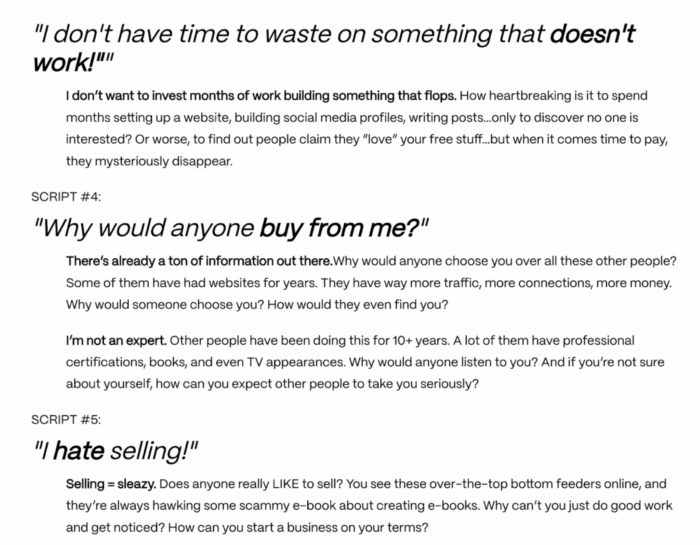
│  • Specific Objection Handling ("Scripts")                             │
│  • Case Studies / Enterprise Logos                                     │
└────────────────────────────────────────────────────────────────────────┘
Key Components of High-Converting Sales Assets:
Pain-Mirroring Headline: Captures immediate attention by describing the prospect’s current operational reality or frustration rather than relying on vague platitudes.
Quantifiable Value Proposition: Clearly articulates the precise result, time-to-value, and effort required.
Structured Objection Handling: Directly addresses buyer hesitations (e.g., cost, implementation friction, time commitment) using explicit "scripting" models.
Frictionless Call to Action (CTA): Uses simple, active language focused on the immediate benefit to the user.
Expert Perspectives
Direct-response methodologies are refined through decades of market testing across multiple consumer and B2B sectors. Below are key perspectives from leading conversion strategists:
On the Psychology of Customer Mirroring: "Great copywriters deeply understand the exact situation prospects are experiencing and repeat it back to them, as this proves to the reader that you understand the pain of that reality. The more precisely you can paint the picture of their reality, the more effective you’ll be at converting them because you’re illustrating that this product is specifically designed for them."
— Ramit Sethi, Author and Founder of I Will Teach You To Be Rich
On Execution and Market Compound Interest: "Be impatient with action and patient with results. You should push yourself to write, test, and improve as much as possible each day, but execute continuously over a long period of time without expecting immediate returns during the initial phase."
— Naval Ravikant, Entrepreneur and Angel Investor
On Community Feedback for Skill Acceleration: "The process of building a career as a high-earning copywriter can be challenging and isolated. Gaining direct feedback on live copy from practitioners who oversee seven-figure marketing operations ensures you build assets optimized for real revenue rather than superficial metrics."
— Charles Miller, Personal Branding Strategist and Partner at Copyblogger
Future Outlook: The Evolution of Copywriting
As generative AI models become increasingly integrated into everyday business workflows, the traditional role of the copywriter is undergoing a structural shift. Raw text generation has been democratized; as a result, market financial rewards are shifting away from basic content execution toward high-level growth strategy, audience psychology, and performance measurement.
┌────────────────────────────────────────────────────────────────────────┐
│                      THE COPYWRITER SPECTRUM SHIFT                     │
├────────────────────────────────────────────────────────────────────────┤
│ TRADITIONAL ROLE (Declining Value):                                    │
│ • Raw Text Generation                                                  │
│ • Surface-Level Content Optimization                                   │
│ • Vanity Metric Tracking (Likes, Impressions)                          │
├────────────────────────────────────────────────────────────────────────┤
│                                   │                                    │
│                                   ▼                                    │
├────────────────────────────────────────────────────────────────────────┤
│ STRATEGIC CONVERSION ENGINEER (Rising Value):                          │
│ • Deep Market & Qualitative Intelligence Gathering                      │
│ • AI Prompt Engineering & Technical Workflow Design                    │
│ • Full-Funnel Multi-Touch ROI & Attribution Tracking                   │
└────────────────────────────────────────────────────────────────────────┘
Emerging Industry Trends:
The Rise of the "Conversion Engineer":
Future copywriters must complement their narrative skills with technical proficiency. Understanding how custom LLMs operate, utilizing no-code application builders, deploying sophisticated GA4 conversion funnels, and managing complex marketing automation sequences will become baseline requirements for elite practitioners.
Extreme Demand for Proven Purchase Intent Content:
As search engines and social algorithms adjust to an influx of AI-generated content, generic top-of-funnel informational content will continue to decline in value. Media brands will increasingly invest in bottom-of-funnel content focused on buyer intent, direct product comparisons, detailed implementation guides, and case studies that drive immediate purchasing decisions.
Authenticity as a Defensive Moat:
As automated text saturates digital channels, readers are developing a higher sensitivity to generic messaging. First-person expertise, proprietary performance data, documented real-world case studies, and distinct personal brand voices will serve as primary differentiators for high-converting marketing campaigns.
Conclusion
Mastering direct-response copywriting remains one of the highest-leverage investments an entrepreneur or digital marketer can make. By shifting focus from literary style to quantitative business results—grounded in rigorous market research, continuous output, modern software tools, and clear performance attribution—writers can build predictable customer acquisition systems that consistently scale business revenue.