

Executive Overview
In the rapidly evolving landscape of digital marketing, organic search visibility remains one of the most reliable and lucrative channels for long-term business growth. However, modern search engine optimization (SEO) is no longer a game of simply dropping a few high-volume terms into a blog post and watching traffic roll in. Today’s search engines—powered by complex machine learning algorithms, intent-matching technologies, and rigorous content quality frameworks—demand a sophisticated, data-driven approach to keyword discovery.
At the center of this modern SEO paradigm is keyword research: the foundational compass that guides content creation, site architecture, and competitive positioning. To navigate this complex ecosystem successfully, digital marketers and site owners require enterprise-grade toolkits capable of processing billions of data points in real time.

Among the industry standards, Semrush has emerged as a powerhouse suite, offering specialized tools like the Keyword Magic Tool, Keyword Gap Analysis, and the Keyword Manager. This comprehensive investigative guide explores how to leverage Semrush’s powerful ecosystem to unearth existing ranking opportunities, execute advanced competitor analysis, discover low-competition long-tail keywords, and cluster topics effectively to build an unassailable digital footprint.

Detailed Chronology & Strategic Frameworks
To maximize the efficiency of your SEO campaigns, keyword research must be executed systematically rather than randomly. Over the years, best practices have crystallized into a multi-tiered workflow that transitions a brand from capturing quick, low-hanging fruit to scaling long-term topical authority.

Phase 1: Capitalizing on Existing Keyword Footprints (Quick Wins)
When working with a website that already boasts an established content archive, the most efficient starting point is not brainstorming new topics from scratch. Instead, it involves optimizing the terms for which the site is already registering in search engine results pages (SERPs).

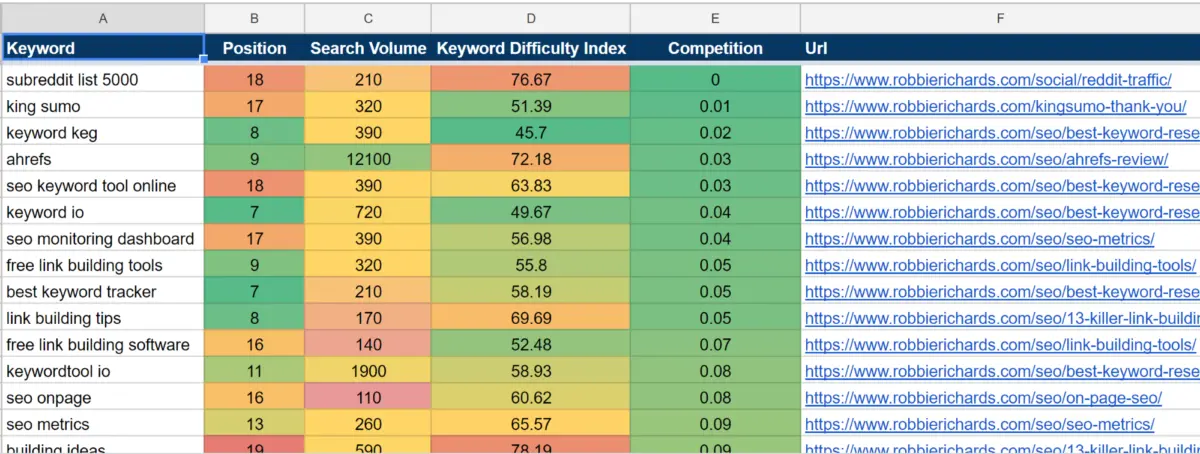
By extracting keywords where a domain ranks between positions 4 and 15, marketers can pinpoint pages hovering on the cusp of page-one dominance. Applying precise filters for search volume and keyword difficulty (KD) ensures that efforts are focused on terms with high viability. Exporting these data sets into custom automation templates allows teams to sort opportunities by descending search volume and low SERP competition, turning near-misses into front-page victories with minimal content updates.

Phase 2: Reverse-Engineering Competitor Success
Once existing quick wins are secured, attention must pivot toward the broader market. Analyzing competitors provides a masterclass in uncovering high-intent keywords that are already driving conversions for industry peers.

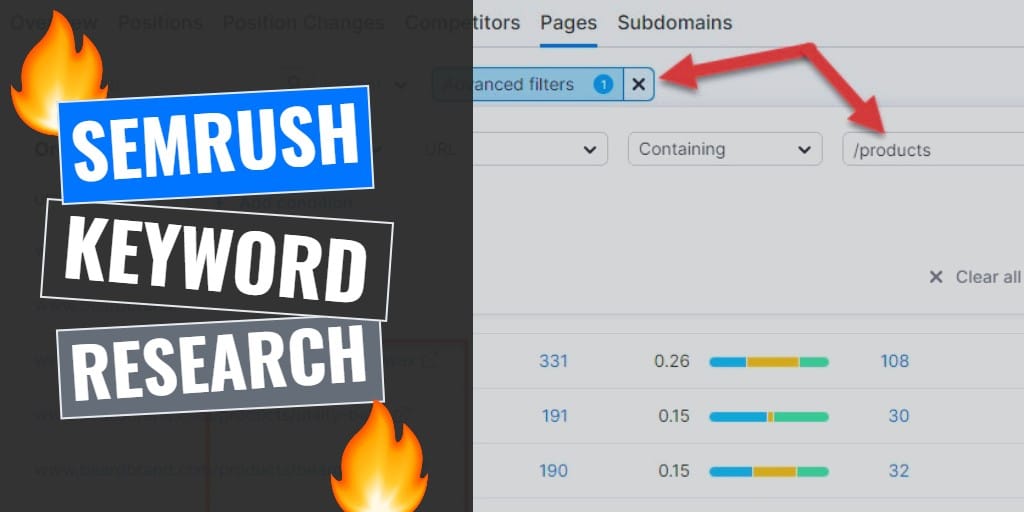
Rather than casting a wide net, modern practitioners use granular approaches such as subfolder analysis. For instance, evaluating an e-commerce platform’s /products/ directory or a legal firm’s /legal-services/ subfolder isolates transactional and commercial-intent pages from top-of-funnel blog traffic. If a competitor lacks structured subfolders, strategic keyword modifiers (such as "best," "review," or "software") can be deployed to filter out informational fluff and zero in on bottom-of-funnel affiliate or lead-generation targets.

Phase 3: Scaling Topical Authority Through Clustering
Individual keywords no longer rank in isolation; search engines evaluate a site’s overall topical depth and authority. By leveraging advanced clustering tools, marketers can group hundreds—or even thousands—of related search queries based on SERP overlap and semantic relevance. This ensures that a single piece of content addresses an entire sub-topic comprehensively, preventing keyword cannibalization and signaling clear domain expertise to search engine crawlers.

Supporting Context & Metrics: Unlocking the Semrush Toolkit
To execute this strategic framework effectively, a marketer must understand the specific mechanics behind Semrush’s core modules.

1. Organic Research and the Positions Report
Located within the SEO Toolkit, the Organic Research >> Positions report acts as an X-ray vision tool for any domain on the web. By inputting a URL, users gain access to a complete breakdown of every keyword the target domain ranks for in the top 100 positions.

- Advanced Filtering: By setting custom parameters—such as filtering for positions 4 through 15, establishing a minimum search volume threshold (e.g., 200+ monthly searches), and capping the Keyword Difficulty (KD) at a manageable percentage—marketers can instantly isolate actionable growth opportunities.
- Segmentation: Best practices dictate splitting target lists into Existing and New categories. This segmentation prevents redundancy and provides a clear operational roadmap for content writers and optimizers.
2. The Keyword Gap Tool: Organic, Paid, and Subfolder Insights
The Keyword Gap tool is arguably one of the most versatile features in the Semrush suite. It allows users to compare up to five competitor domains against their own simultaneously.

- Missing Keywords: Identifies terms where all selected competitors rank, but your domain is completely absent.
- Weak Keywords: Highlights terms where your domain currently ranks, but sits lower in the SERP than your competitors—signaling an urgent need for content consolidation or optimization.
- PPC vs. Organic Integration: A unique capability of the Keyword Gap tool is its capacity to cross-examine paid search data with organic rankings. If a competitor is aggressively bidding on a keyword in Google Ads, it serves as a strong economic validator that the term carries high conversion intent. Brands can use this data to provide "paid aircover" (bidding on terms while waiting for organic rankings to climb) or to prioritize organic content creation for high-value transactional queries.
3. The Keyword Magic Tool
Boasting a massive proprietary database, the Keyword Magic Tool functions as an expansive brainstorming engine. By entering a seed term, users can generate thousands of related variations. However, the true value emerges when leveraging the left-hand sidebar category groupings and modifier filters. By isolating buyer-stage modifiers (such as "vs," "alternative," or "pricing"), marketers can instantly curate mid-funnel comparison pages that capture high-intent traffic ready to convert.

Official Statements and Industry Insights
Industry veterans and search engine optimization authorities consistently emphasize the shift from keyword-centric strategies to entity- and intent-centric ecosystems.

Search engine quality guidelines and algorithmic updates over the past several years underscore that raw search volume is secondary to search intent. Platforms like Semrush have adapted to this paradigm shift by introducing robust Intent filters (Navigational, Informational, Commercial, and Transactional) directly into their keyword reporting suites.

According to leading digital marketing strategists, failing to align content with the specific intent behind a query results in high bounce rates and poor SERP stability. By integrating intent classification directly into keyword research workflows, marketers ensure that their content precisely matches what the user expects to find—whether they are looking to buy a product, compare software options, or learn how to solve a technical problem.

Future Outlook: The Next Frontier of Keyword Research
As artificial intelligence and generative search experiences (such as Google’s Search Generative Experience, or SGE) continue to reshape the digital landscape, the role of keyword research is undergoing a profound transformation.

- Semantic Depth Over Exact Match: While traditional keyword metrics like search volume and keyword difficulty remain vital, the future belongs to topical maps and semantic comprehensiveness. Algorithms are increasingly adept at understanding context, meaning tools that offer automated topical clustering—such as the Semrush Keyword Manager—will become indispensable for planning content architectures that satisfy both human users and AI-driven crawlers.
- Cross-Channel Intelligence: The integration of organic, paid, and local search data within a single platform will accelerate. Marketers will no longer look at SEO and PPC in isolation; instead, unified keyword gap analyses will dictate holistic digital acquisition strategies where paid search feeds organic strategy in real time.
- Workflow Automation: As data sets grow exponentially, the ability to seamlessly push target lists from research modules directly into rank trackers and on-line content assistants (such as the Semrush SEO Writing Assistant) will define high-performing marketing teams. Frictionless integrations reduce time-to-market for new content, allowing brands to capture emerging trends faster than their competitors.
In conclusion, mastering keyword research via an integrated suite like Semrush is no longer just a technical exercise in data collection—it is the bedrock of modern digital strategy. By methodically identifying quick wins, dissecting competitor architectures, closing keyword gaps, and building tightly woven topical clusters, businesses can secure sustainable, high-intent organic growth well into the future.
