

Executive Overview
In the modern digital economy, the landscape of freelance writing has fundamentally shifted. Gone are the days when scouring low-paying job boards or relying exclusively on cold-email pitches served as the primary lifeblood for independent content creators. Today, the epicenter of high-paying inbound leads, lucrative corporate contracts, and sustainable career growth has migrated to a single, business-centric platform: LinkedIn.
According to industry metrics and top freelance strategists, LinkedIn has outpaced traditional avenues as the premier ecosystem for client acquisition. Yet, a striking paradox remains. Thousands of talented writers continue to squander their potential on the network. They fall into the trap of posting generic content, networking exclusively with other freelancers, or suffering from crippling "posting anxiety" that leaves their profiles completely barren.
To break through the noise, freelancers must approach LinkedIn not as a casual social media feed, but as a dynamic, highly targeted sales funnel and personal brand engine. Adapting to the platform’s ever-evolving algorithm requires more than luck; it demands a calculated, deliberate strategy. This comprehensive guide outlines five modern, battle-tested strategies to optimize your profile, attract high-value clients, and build a resilient freelance writing business in 30 days or less.
Detailed Chronology & Strategic Shift: How LinkedIn Became the Freelancer’s Goldmine
To understand how to dominate LinkedIn today, it is essential to trace how the platform transformed into an indispensable tool for independent professionals over the past decade.
- The Networking Era (Early 2010s): Initially perceived strictly as an online digital resume—a place to upload a static CV and connect awkwardly with former college classmates or corporate coworkers—LinkedIn lacked genuine engagement and organic reach for independent creators.
- The Content Boom (Late 2010s): Recognizing the value of thought leadership, LinkedIn pivoted aggressively toward content distribution. The introduction of native video, document carousels, and an algorithm favoring long-form text posts unlocked unprecedented organic reach, sparking an early gold rush for early-adopter creators.
- The Maturity & Niche Economy (2020s–Present): The platform’s algorithm matured significantly. Broad, generic posts shouting into the void began to face algorithmic penalties. Instead, the system evolved to hyper-reward relevance, niche authority, and deep community engagement.
Today, LinkedIn functions as a massive, searchable database of decision-makers. Marketing directors, startup founders, and content managers actively scour the platform looking for specialized writing talent. For freelancers willing to abandon outdated tactics, mastering this ecosystem is no longer optional—it is the ultimate catalyst for career longevity.
Supporting Context & Metrics: What the Modern Algorithm Demands
Before drafting your next post, you must decode what the LinkedIn algorithm actively rewards and penalizes. Failing to align with these platform mechanics means your content will vanish into the digital ether, regardless of how well-written it might be.
What the Algorithm Rewards:
- Dwell Time: Posts that keep users reading, scrolling through carousels, or expanding text blocks signal high value to the algorithm.
- Thoughtful Commentary in Conversations: Meaningful back-and-forth dialogue in the comments section carries massive algorithmic weight, often pushing a post to a wider secondary audience.
- Niche Consistency: Consistently publishing content around specific, defined subject areas tells the platform’s machine-learning models exactly who your target audience is, optimizing your reach within that specific industry.
What the Algorithm Penalizes:
- Outbound Link Dropping in the Original Post: Forcing users off the platform immediately stunts distribution. (Pro tip: Put links in the comments or edit them in later).
- Low-Effort Engagement Bait: Explicitly begging for likes or shares ("Comment ‘YES’ for a free guide") triggers spam filters.
- Inconsistent Posting Spurt Cycles: Posting five times in one day and then disappearing for a month destroys algorithmic momentum.
Five Core Strategies to Master LinkedIn for Freelance Writers
Transforming your LinkedIn presence from a ghost town into an inbound lead-generation machine requires executing five precise, actionable strategies.
1. Write Exclusively to Potential Clients, Not Other Freelancers
A ubiquitous trap for early-stage freelance writers is entering LinkedIn, joining writing communities, and spending all their time networking with peers. While building camaraderie with fellow writers feels comforting, it will never generate revenue. Other writers rarely hire other writers to write for them.
- Audit Your Content: Look at your last ten posts. Count how many focus on generic freelancing tips versus content that directly addresses the pain points of your ideal corporate client. If the scale tips toward peer-focused writing, it is time to pivot immediately.
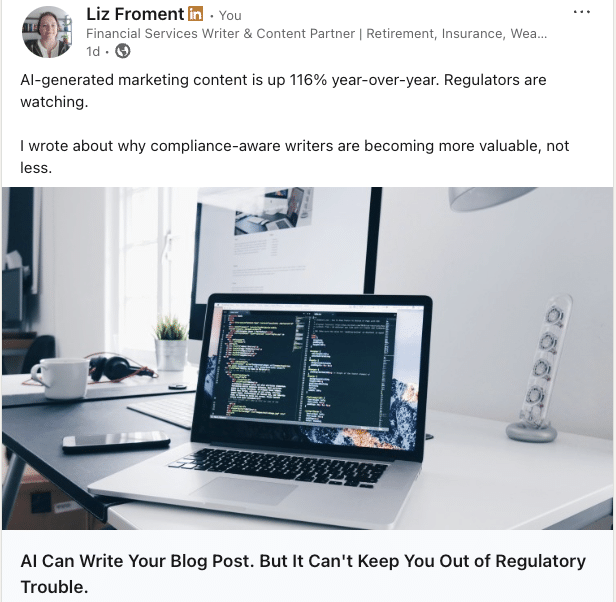
- Identify Core Client Topics: Carve out three to five specialized pillars that matter to your target market. If you are a medical writer, focus on regulatory shifts, clinical trial bottlenecks, or healthcare marketing challenges. If you write for financial services, lean into fintech compliance, digital banking trends, or customer experience.
- Demonstrate Domain Expertise: Share high-level insights from recent projects (anonymized, of course), break down a major brand’s content strategy, or offer a bold take on an industry trend. When a marketing director visits your profile, they should instantly recognize that you understand their commercial ecosystem.
2. Overcome Posting Anxiety Through Sustainable Cadence
Conventional digital marketing advice often insists you must publish content daily to succeed. For a busy freelancer juggling client deadlines, this mandate creates severe friction, driving up imposter syndrome and leading to complete paralysis where nothing gets published at all.
The reality is liberating: posting just once or twice a week consistently over several months yields massive, compounding results.
- Establish a Realistic Cadence: Pick a rhythm you can maintain indefinitely. Publishing every Monday and Thursday—or even just every Wednesday—is more than enough. Consistency overrides high-frequency burnout every single time.
- Batch Your Content Creation: Dedicate 30 minutes every Sunday evening to outline, draft, and schedule your posts for the week using LinkedIn’s native scheduling tool. Once scheduled, wipe your hands of it and let the system run.
- Stick to High-Performing Formats: Lean heavily on text-based posts with compelling hooks, short paragraphs, and whitespace. You do not need expensive graphic design tools or video production studios; a brilliantly articulated insight delivered cleanly will consistently outperform flashy media.
3. Focus Relentlessly on Engagement ("Walking the Marketing Dog")
Content creation is only half the battle. Because LinkedIn operates as a long-term relationship marathon rather than a quick-fix sprint, you can dramatically accelerate your growth by mastering outbound engagement.

As B2B strategist Sarah Greesonbach aptly describes it, this process is akin to "walking the marketing dog"—a daily, non-negotiable stroll where you actively interface with the market.
- Curate a Prospect Target List: Compile a list of 20 to 30 ideal prospects: marketing directors, content managers, and founders at companies on your wish list. Follow every single one of them.
- Leave Intelligent Comments: Spend 15 to 20 minutes a day scrolling through their feeds. Never drop lazy, vapid comments like "Great post!" or "So true!" Instead, add nuanced value, share a contrasting data point, or ask an insightful follow-up question.
- Adopt Proven Frameworks: Implement methodologies like Ed Gandia’s "3-2-1" framework: send 3 connection requests, leave 2 thoughtful comments, and publish 1 original post every single day. If that volume feels daunting, scale it down to match your bandwidth, but never let engagement drop to zero.
4. Optimize Your Profile to Function Like a High-Converting Sales Page
Your content attracts attention, but your profile closes the deal. If a prospective client clicks your name after seeing a great comment, your profile must instantly communicate professionalism and commercial value.
- Revolutionary Headlines: Erase the generic title "Freelance Writer." Instead, state your exact value proposition: “I write high-converting B2B SaaS content that turns cold traffic into pipeline leads,” or “Financial Services Content Writer | Trusted by [Client A], [Client B], and [Client C].”
- Client-Centric ‘About’ Section: Write your bio in the second person, addressing the reader directly. Clearly state the exact corporate pain points you solve, who you work with, and the tangible ROI you deliver. Conclude with a direct call to action directing them to your portfolio website.
- Leverage the Featured Section: Pin your two or three absolute best-performing writing samples, client case studies, or glowing video testimonials at the top of your profile to establish immediate social proof.
- Detail Your Experience: Avoid vague entries like "Wrote articles for various clients." Be specific: “Authored 50+ authoritative long-form guides covering artificial intelligence in banking, payment gateways, and credit card strategy.”
5. Build an "Idea Brain" to Eliminate Writer’s Block Forever
Running out of things to say is the silent killer of personal brands. To ensure you never stare at a blank screen wondering what to post, establish an automated capture habit.
- Capture 10 Ideas Daily: Open your phone’s notes app every morning over coffee or every evening before bed and rapidly jot down 10 raw ideas. They can be random questions clients asked, frustrations you faced on a project, industry news blurbs, or counter-intuitive opinions.
- Filter Weekly: Most of these raw ideas will be trash—and that is entirely normal. By the end of the week, you will have accumulated 70 ideas, out of which 5 to 10 will be diamond-tier seeds ready for development.
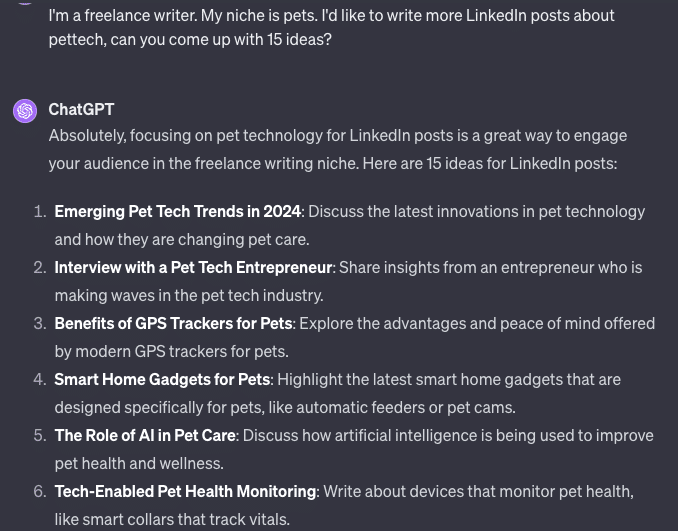
- Leverage AI as a Launchpad: When genuine writer’s block strikes, utilize AI writing tools like ChatGPT to break the inertia. Prompt the tool to generate 10 unique LinkedIn post angles for your specific niche, then take those AI-generated outlines and infuse them with your unique voice, experience, and opinions.
Official Industry Statements & Perspectives
Industry leaders and seasoned independent professionals continue to validate this platform shift.

"LinkedIn has fundamentally altered how independent professionals scale their enterprises. Years ago, reliance on race-to-the-bottom job boards was standard practice. Today, establishing micro-authority on LinkedIn places you directly in front of enterprise decision-makers who have budgets and respect expertise." — Sean Ogle, Founder of Location Rebel
Similarly, content strategists emphasize that the platform rewards patience and systematic execution over viral gimmicks. Writers who treat LinkedIn as a professional storefront rather than a social playground consistently report shorter sales cycles and higher retention rates among their client rosters.
Future Outlook: Why 20 to 30 Minutes a Day Yields Exponential Returns
As the digital publishing ecosystem continues to evolve under the influence of automated content generation, authentic human insight and specialized industry expertise have never been more valuable. Brands are desperately seeking writers who don’t just string words together, but who possess deep subject matter expertise and an established point of view.
Investing just 20 to 30 minutes a day into executing these five LinkedIn strategies will yield extraordinary compounding returns over the coming months. Not only will you secure a steady stream of inbound client leads, but you will also cultivate a resilient network of professional peers, opening doors to lucrative referrals, higher word-of-mouth stability, and complete career independence.
Stop leaving lucrative work on the table. Optimize your profile, engage with intent, and start building your freelance writing empire on LinkedIn today.
