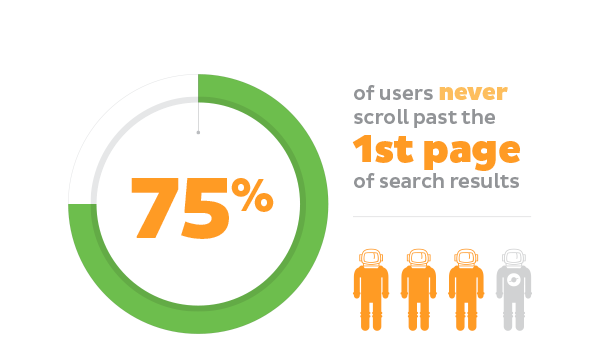
In the digital ecosystem, visibility is currency. With over 3.5 billion searches processed daily, Google remains the undisputed gateway to global information, consumer intent, and digital commerce. However, a stark digital reality governs this landscape: 75% of users never scroll past the first page of search results.
As digital marketing pioneer Brian Clark famously noted, "The best place to hide a dead body is page 2 of the Google search results."
Achieving a first-page ranking is no longer merely advantageous—it is existential for digital survival. Yet, the modern Search Engine Results Page (SERP) has evolved far beyond a simple list of ten blue links. Today’s search environment is heavily contested, featuring a complex matrix of Pay-Per-Click (PPC) advertisements, Local Map Packs, Featured Snippets, knowledge panels, and shopping carousels.
This comprehensive guide breaks down 13 actionable, data-driven strategies to secure front-page visibility for your most valuable keywords—whether through direct optimization of your own web properties or through sophisticated alternative architectures like Barnacle and Parasite SEO.
Detailed Chronology: The Evolution of Search and Ranking Signals
To understand how to dominate the modern SERP, one must first trace how search engines evaluate authority and user intent. Over the past decade, Google’s core ranking algorithms have transitioned from crude keyword-matching systems to complex, semantic engines driven by machine learning (such as BERT and MUM).
Phase 1: The Foundation of On-Page Optimization
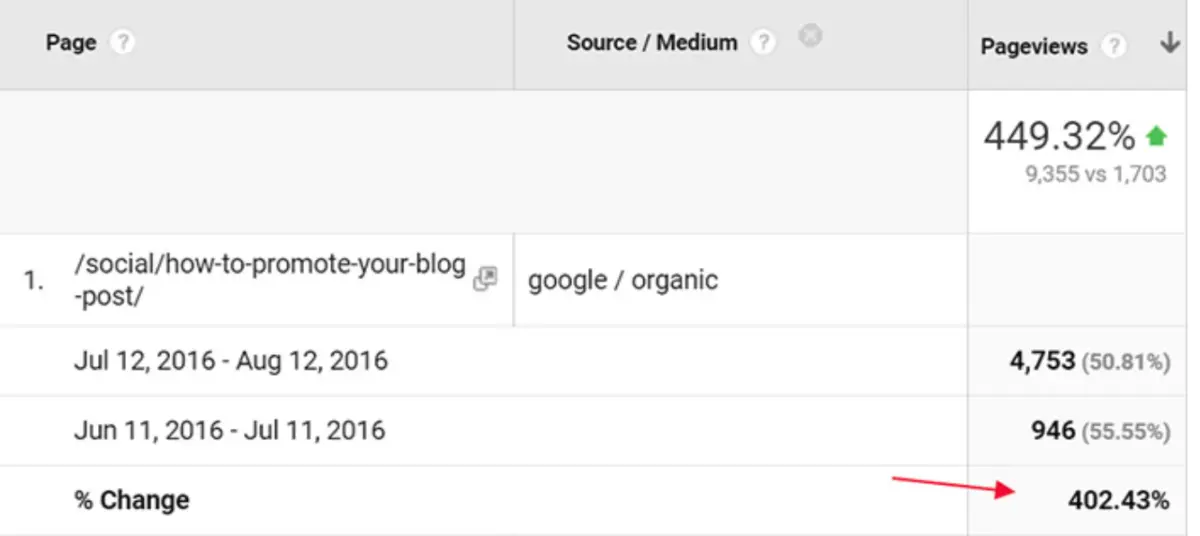
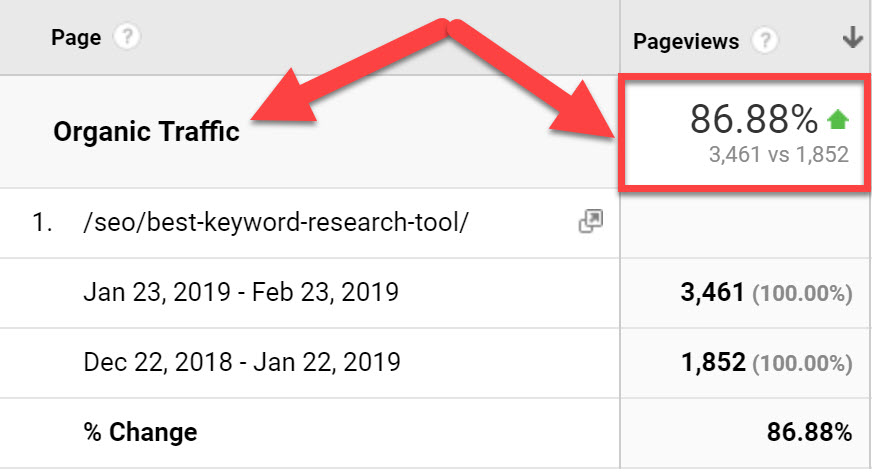
Historically, SEO focused heavily on exact-match keywords, meta-tags, and raw backlink volume. While technical foundations remain crucial, modern optimization requires a holistic approach that aligns content architecture directly with searcher intent. As demonstrated in chronological optimizations of legacy assets, taking underperforming pages ranking on the fringe of page one (positions 6 through 20) and injecting modern semantic depth can yield explosive, near-immediate traffic gains—sometimes surging organic traffic by over 400% month-over-month.
Phase 2: The Proliferation of SERP Real Estate
As Google integrated richer features, organic blue links were pushed further down the page. Today, winning requires a multi-pronged approach:
Position #0 (Featured Snippets): Capturing the coveted summary box above organic results to siphon up to 8.6% of clicks directly away from the #1 spot.
Local Map Packs: Essential for local intent queries, driven by proximity, prominence, and optimized Google Business Profiles.
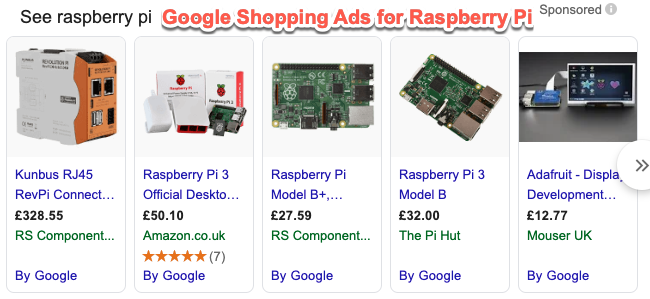
Vertical Integration: Adapting to video carousels, related questions (People Also Ask), and shopping promotions.
Supporting Context & Metrics: Data-Driven SEO Methodologies
Achieving first-page stability requires rigorous data analysis, precise tooling, and the systematic elimination of structural inefficiencies. Below are the foundational methodologies required to audit, optimize, and scale your organic footprint.
1. Capitalize on Existing Keyword Opportunities ("Quick Wins")
Rather than constantly building new content from scratch, audit your existing keyword profile using tools like Semrush to identify "low-hanging fruit" currently ranking between positions 6 and 20.
The Process: Export your organic positions report, apply a custom range filter for positions 6–20, and layer on minimum search volume and word-count filters.
Prioritization: Focus on bottom-of-funnel "money" keywords first, optimizing them with updated copy, enhanced multimedia, and clear internal links before moving up to broader informational queries.
2. Identify and Eliminate Keyword Cannibalization
Keyword cannibalization occurs when multiple pages on your domain compete for the same search term. This splits your backlink authority, confuses search engine crawlers, and dilutes ranking potential.
The Audit: Export your site’s organic keyword profile, input the data into a tracking sheet, and identify overlapping URLs targeting identical queries.
The Remedy: If competing pages offer unique value, consolidate them into a single, authoritative canonical resource and implement a 301 redirect. Otherwise, prune redundant, low-value pages.
3. Claim Position Zero with Featured Snippets
Featured snippets place your content above traditional rankings. Target these opportunities by identifying keywords where you already rank on page one, analyzing the current snippet format (paragraph, list, or table), and structuring your content directly underneath clean, concise H2 headers that answer the query in 40–50 words.
Long-tail keywords feature lower monthly search volume but significantly higher conversion intent. By mining competitor databases and utilizing question-based modifiers (how to, what is, best for), you can capture high-converting traffic with minimal link-building overhead.
5. Leverage Barnacle and Parasite SEO for Ultra-Competitive Markets
When domain authority prevents you from ranking for hyper-competitive "money" keywords, piggyback on established authorities:
Barnacle SEO: Participate actively in high-ranking directories, forums (like Quora), and review platforms to anchor your brand where visibility already exists.
Parasite SEO: Publish high-value guest content or secure product placements on powerhouse third-party publications (e.g., Business News Daily, industry resource roundups) that already dominate competitive SERPs.
Official Statements & Industry Best Practices
Industry leaders and search engine optimization authorities emphasize that content quality, technical hygiene, and user experience must operate in tandem.
"The best place to hide a dead body is page 2 of the Google search results." — Brian Clark, Founder of Copyblogger
Furthermore, platform guidelines reinforce the necessity of aligning content types with user expectations. If searchers expect a comprehensive listicle for a given query, publishing a transactional product page will result in stagnant rankings. Matching the exact content format—whether long-form guide, video, or category grid—is non-negotiable.
Page-Level Authority vs. Domain Authority
While overall domain rating matters, Ahrefs research demonstrates that page-level backlink signals correlate most strongly with first-page rankings. To build page-level authority:
Replicate Competitor Backlinks: Filter out spam and target high-quality text-based follow links pointing to competitor assets.
Backlink Gap Analysis: Identify referring domains linking to multiple competitors while ignoring your property.
Internal Linking Campaigns: Pass link equity from your site’s highest-authority pages directly to newly published or underperforming assets.
The Mobile-First Imperative
With mobile devices driving the vast majority of web traffic, Google relies entirely on Mobile-First Indexing. A slow, non-responsive, or poorly formatted mobile site will penalize your rankings across all devices. Utilize Google PageSpeed Insights and Search Console’s mobile usability reports to maintain a lightning-fast, seamless user experience.
Future Outlook: The Pay-To-Play Hybrid Model
As artificial intelligence continues to reshape search engines through generative experiences and zero-click SERPs, organic visibility will only grow more fiercely contested. SEO practitioners cannot afford to rely exclusively on organic timelines that span months or years.
The future belongs to a hybrid acquisition model:
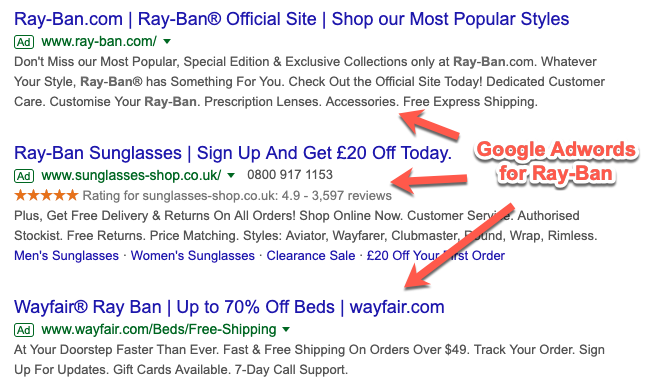
Immediate Visibility: Leverage Google Ads (Text Ads and Local Map Pack promotions) alongside paid directory listings (such as G2 or Avvo) to capture immediate buyer intent.
Sustainable Growth: Continuously optimize your core organic content, eliminate keyword cannibalization, and aggressively build page-level authority.
Immediate Indexing: Never leave indexing to chance. Utilize Google Search Console’s URL Inspection Tool and "Request Indexing" features to push fresh content directly into priority crawl queues.
By systematically executing these 13 strategies—balancing technical precision, aggressive link acquisition, alternative publishing frameworks, and paid acceleration—you can break through the noise, secure top-tier visibility, and dominate the first page of Google in any industry.