The modern landscape of holiday shopping has evolved far beyond the transactional exchange of commercial goods. Today, consumers—particularly digital-native demographics—crave intentionality, personalization, and narrative depth in the items they gift. Nowhere is this trend more pronounced than in the specialized curation of lifestyle and holiday gift guides tailored for female recipients, specifically sisters and close female friends.
A prime exemplar of this cultural shift is the recent release of the 2026 curated gift guide by prominent lifestyle publication Cup of Jo. Rather than leaning into mass-market commercialism or algorithmic trend-forecasting, the publication’s latest offering leans heavily into artisanal craftsmanship, micro-luxuries, experiential value, and high-utility items. Ranging from $7 post-run recovery tools to $111 therapeutic sleep investments, the curation reflects a broader psychological pivot toward wellness, tactile comfort, and sustainable consumerism.
This report provides an in-depth examination of the 2026 gift guide trend, analyzing its economic drivers, the socio-cultural psychology of gift-giving between women, and a detailed breakdown of the standout products defining the current retail season.
Detailed Chronology of the Modern Gift Guide Evolution
To understand the weight and design of the 2026 gift curation, one must contextualize the evolution of digital gift guides over the past decade.
The Early 2010s (The Aggregate Era): Digital gift guides originated primarily as SEO-driven listicles. Content focused heavily on quantity, sheer product volume, and high-margin retail partnerships. Curation was broad, often prioritizing big-box retailers and generic categories like "bath sets" or "candles."
The Mid-to-Late 2010s (The Influencer and Aesthetic Shift): As platforms like Instagram matured, gift guides transformed into aesthetic mood boards. Editorial voices began injecting personal narrative into recommendations. Readers no longer just wanted a "sweater"; they wanted the specific, editor-tested sweater worn by the writer.
The Early 2020s (The Pandemic and Comfort Pivot): Global supply chain disruptions and extended periods of domestic isolation shifted consumer priorities toward home comfort, self-care, mental wellness, and local artisanal goods. Guides from 2023 through 2025 heavily featured loungewear, sleep aids, and kitchen upgrades.
Late 2026 (The Hyper-Curated, Experience-Driven Paradigm): The current landscape, represented by the latest 2026 iterations, merges ultra-specific utility with heirloom-quality artisanship. The focus has shifted from how much is given to the provenance of the gift—who made it, how sustainable its lifecycle is, and how deeply it addresses a specific micro-pain point in the recipient’s daily routine (such as post-run recovery or temperature-regulated sleep).
Supporting Context & Metrics: The Economics of Intentional Giving
The psychology of gifting between women is underpinned by strong sociological markers. According to recent retail analytics and consumer behavior studies, women account for a significant majority of holiday purchasing decisions, both for immediate family members and friend networks.
Key Behavioral Trends in 2026 Consumer Spending:
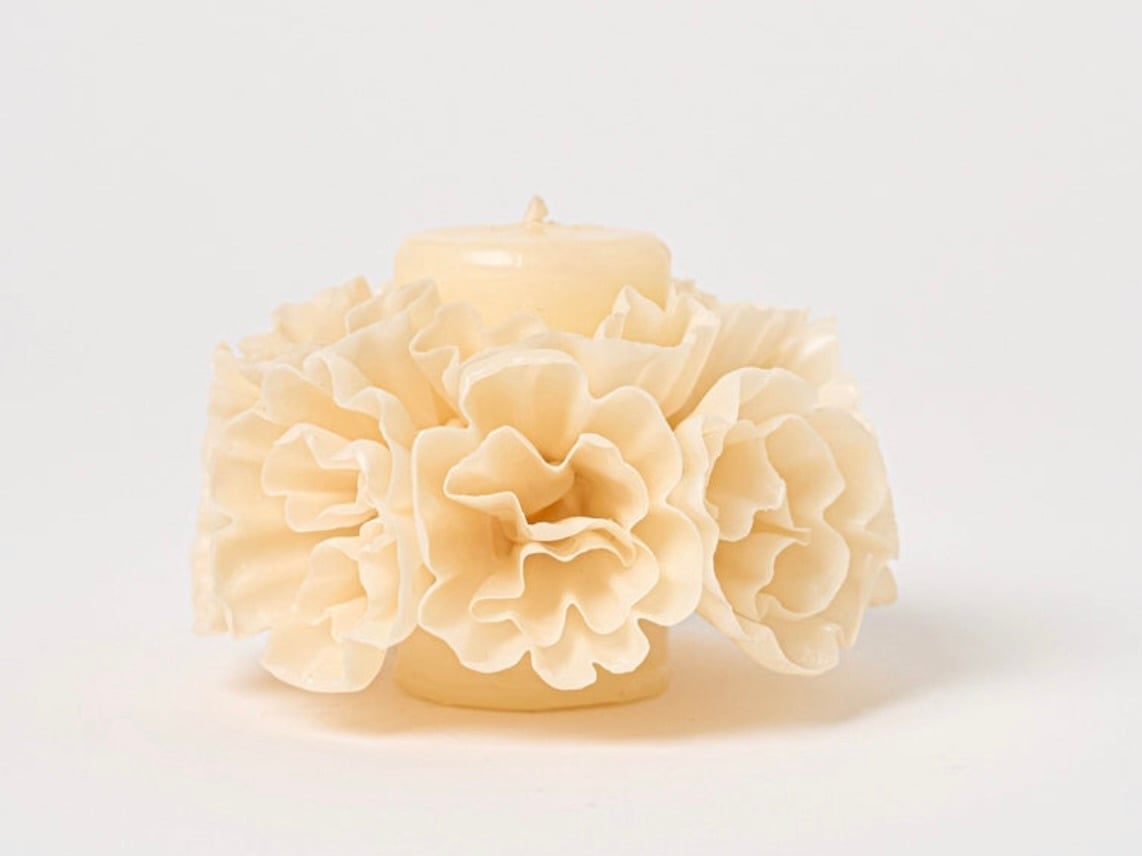
Micro-Luxuries Over Major Splurges: Economic tightening coupled with a desire for daily dopamine hits has fueled the "lipstick effect"—or in this case, the "caramel lollipop" and "sculptural candle" effect. Consumers are bypassing exorbitant luxury goods in favor of accessible, high-design items priced between $10 and $100.
The Rise of Subscriptions as Gifts: The monetization of independent journalism and niche newsletters (such as the $60 annual subscription model popularized by independent lifestyle verticals) points to an intellectual shift. Consumers are gifting time, knowledge, and community rather than physical clutter.
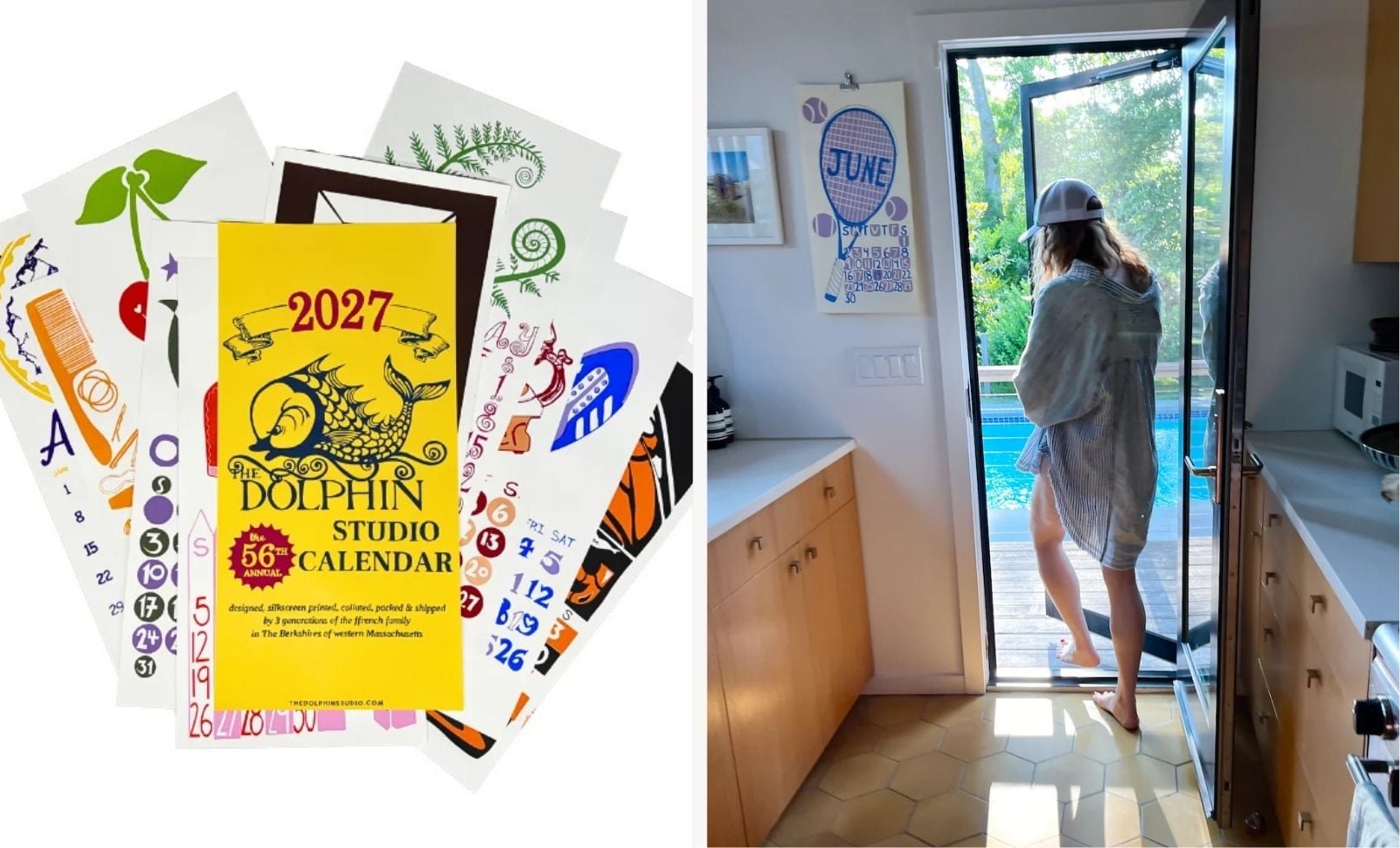
Provenance and Maker Transparency: Modern buyers actively seek out multi-generational artisans, family-run studios (such as the historic Dolphin Studio or Holcomb Studio), and sustainable practices. The story behind the product has become a primary selling feature.
Deep Dive: Product Breakdown of the 2026 Curation
The 2026 gift guide spans several thoughtfully categorized tiers, addressing wellness, domestic design, literature, and personal care.
1. Wellness and Physical Recovery
The Post-Run Essentials ($7): Recognizing the active lifestyle of modern women, low-cost yet highly effective recovery tools—specifically massage balls and ergonomic toe stretchers paired with a humorous promise of a future shoulder rub—demonstrate that thoughtfulness outweighs price tags.
The Temperature-Regulated Pillow ($111): Addressing the universal pursuit of optimal sleep hygiene, high-end "cold pillows" have transitioned from niche athletic gear to mainstream wellness staples, commanding triple-digit price points based on performance utility.
2. Kitchen and Domestic Aesthetics
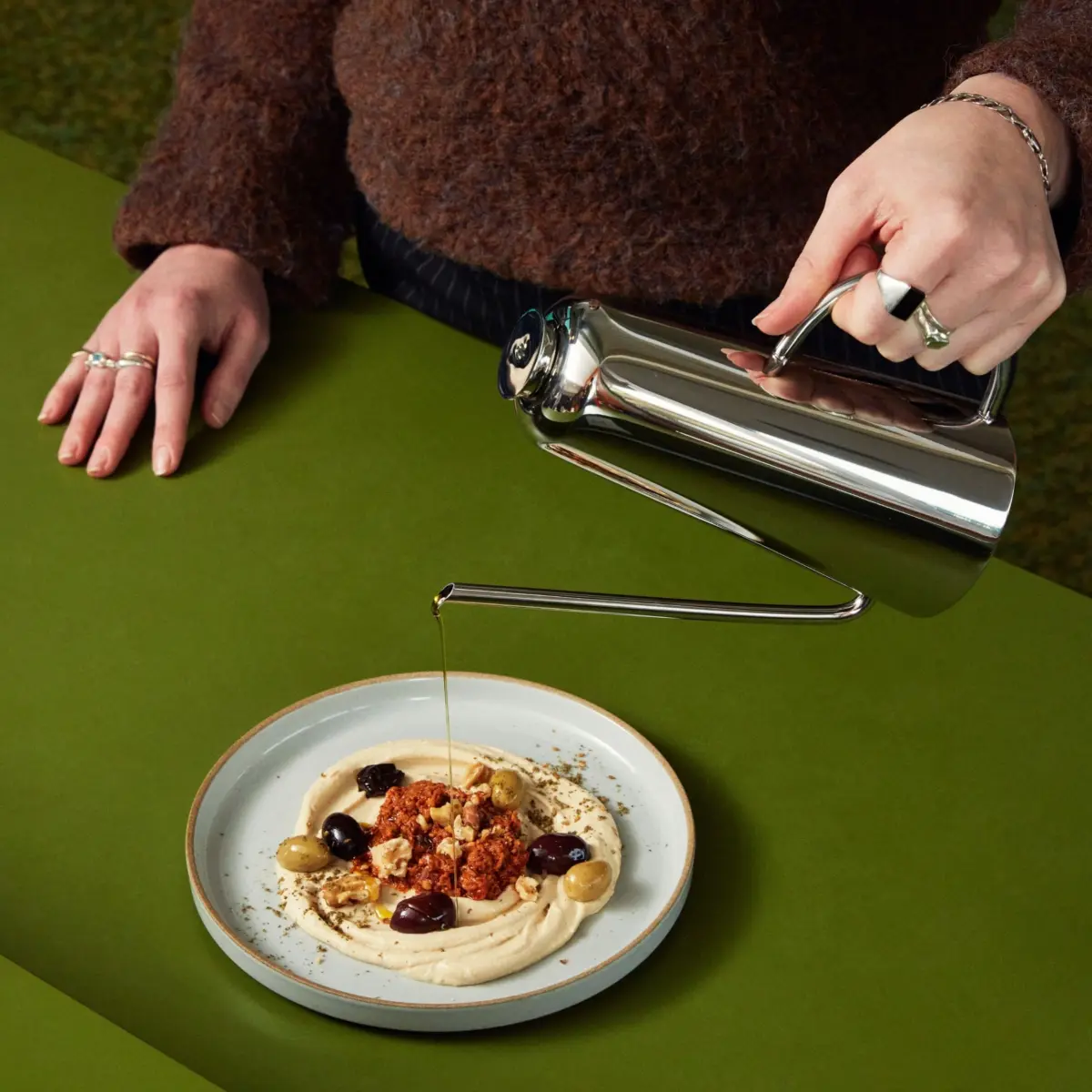
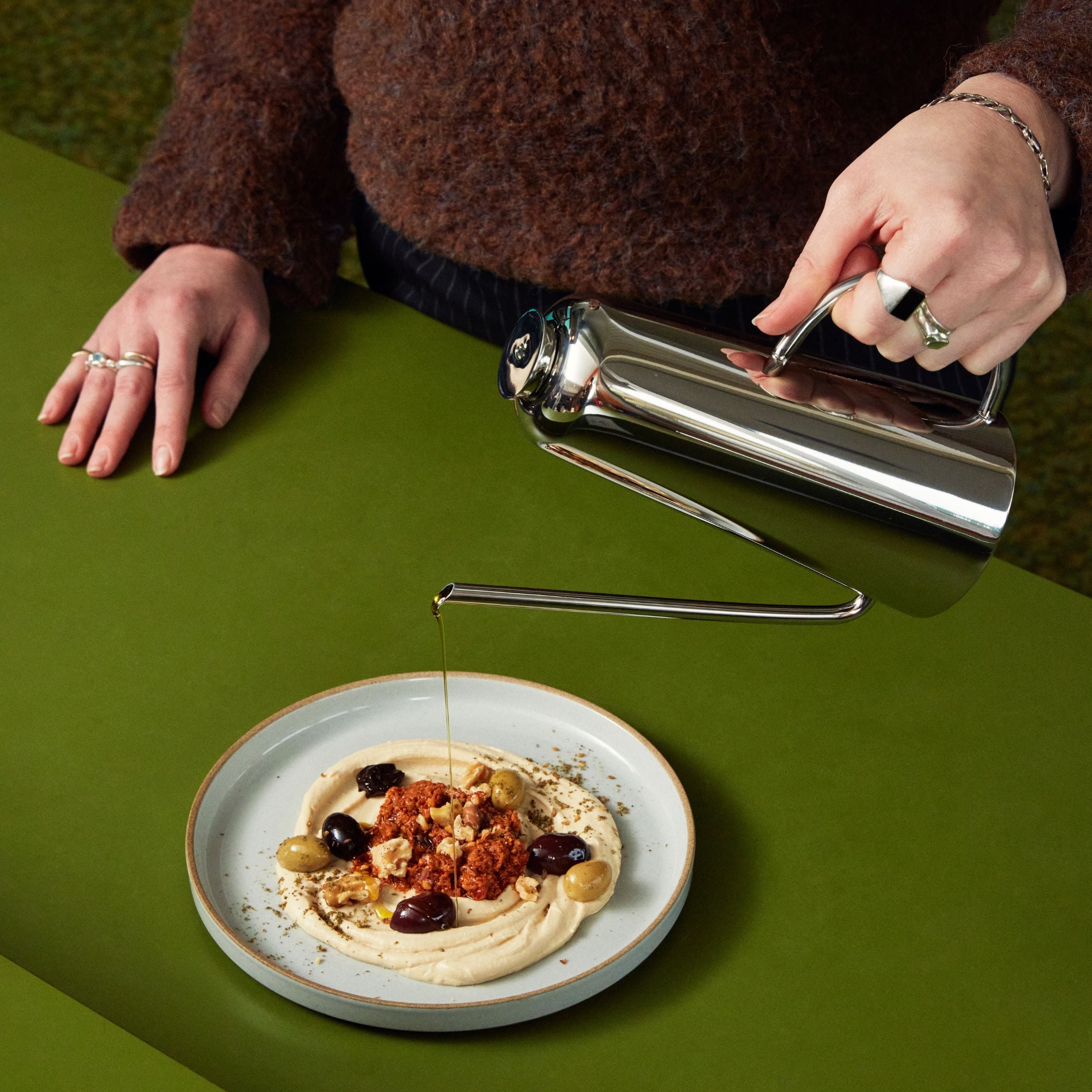
Dripless Olive Oil Cans ($85): Crafted by a father-daughter artisan team (Holcomb Studio), this item bridges the gap between culinary utility and high-end countertop decor. It reflects a rejection of utilitarian plastic packaging in favor of permanent, beautiful kitchen fixtures.
French Confectionery ($8 for 10): Gourmet imported lollipops (such as Pierrot Gourmand milk caramel and chocolate varieties) serve as affordable, culturally rich stocking stuffers that evoke European travel and nostalgia.
3. Wardrobe and Personal Adornments
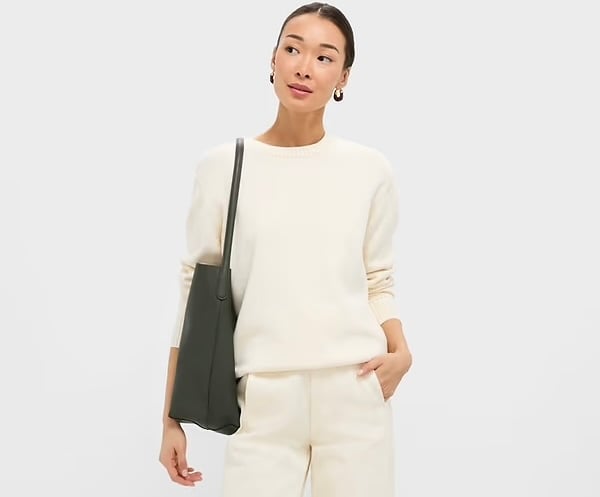
Relaxed Cotton Sweaters ($148) & Pop-of-Red Accessories: Highlighting year-round versatility, the classic cotton knitwear trend is accentuated by intentional color styling—specifically vibrant red socks or scarves.
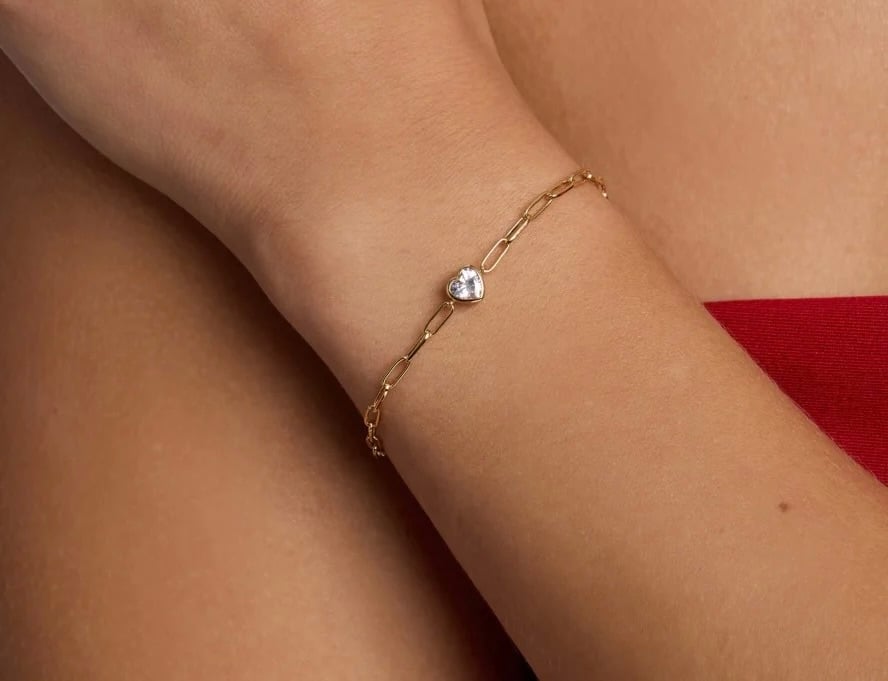
Fine Jewelry and Intimates ($28–$58): Everyday essentials, including daily-wear underwear stacks and minimalist heart bracelets or stud earrings, emphasize intimacy and sustained daily comfort.
4. Experiential and Intellectual Offerings
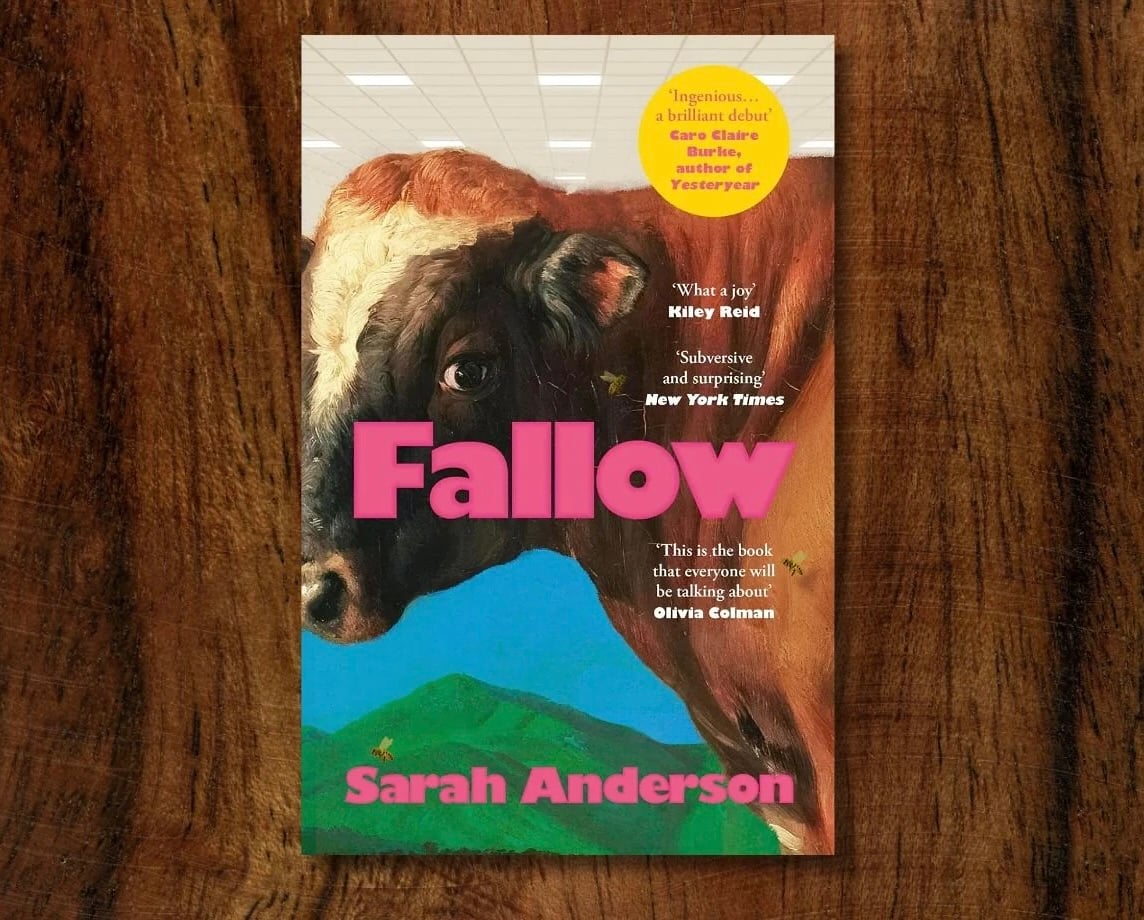
Curated Contemporary Literature ($15+): Highlighting standout contemporary novels of 2026 such as Fallow, Mother Mary Comes to Me, and Land, this category positions the giver as an intellectual tastemaker.
Independent Newsletters ($60): Offering ongoing engagement through recurring digital content rather than a static physical object.
Hand-Printed Calendars ($92): The legendary silkscreened calendars by Dolphin Studio represent the pinnacle of generational craftsmanship, with a 56-year cult following driven by three generations of family design.
Official Statements and Industry Insights
Retail experts note that the success of curated, personality-driven gift guides lies in editorial authenticity.
"When consumers purchase from a trusted editorial source, they aren’t just buying an object; they are buying an endorsement of taste," notes retail analyst Dr. Elena Vance. "In 2026, recommendations must feel hard-earned and deeply personal. If a gift looks like it was generated by an algorithm, it fails to build the emotional bridge that sisterly and close friendships require."
Publishers and curators alike emphasize that transparency—such as clear disclosures regarding affiliate partnerships while strictly curating items they genuinely use and love—remains the baseline for maintaining consumer trust in an increasingly monetized digital ecosystem.
Future Outlook: The Next Decade of Gifting Culture
Looking ahead toward the late 2020s and early 2030s, several trajectories are poised to reshape how we select gifts for loved ones:
De-Materialization of Excess: As environmental consciousness deepens, physical items that lack long-term utility will face steep declines in consumer interest. Expect a continued surge in consumable luxuries (food, specialized oils, artisanal coffees), digital memberships, and charitable donations made in a recipient’s honor (such as contributions to the National Parks Foundation).
Hyper-Local and Maker-Direct Commerce: Platforms that connect buyers directly with independent multi-generational artists, local ceramicists, and small-batch printers will dominate market share over mass-manufactured goods.
The Fusion of Health and Home: The boundary between wellness (sleep, physical recovery, somatic health) and interior design will continue to blur. Products that solve physical discomfort while enhancing domestic beauty—such as sculptural beeswax candles, ergonomic sleep accessories, and beautiful kitchenware—will remain gold standards for thoughtful gifting.
Ultimately, whether spending $7 on a recovery massage ball or $148 on a timeless cotton sweater, the core philosophy of the modern gift guide remains unchanged: to show someone that you truly see them, understand their daily rhythms, and cherish the bond you share.