For over a decade, Moz has maintained a prominent position as a staple, all-in-one search engine optimization (SEO) toolset. Renowned for pioneering metrics like Domain Authority (DA) and offering a robust suite spanning keyword research, site crawls, backlink analyses, and local citation management, Moz has empowered digital marketers across the globe.
However, the modern SEO landscape is changing rapidly. As algorithms grow more complex, enterprise organizations, growing agencies, and solo entrepreneurs frequently find themselves searching for Moz alternatives. While Moz is an exceptional foundational resource, users often cite several distinct pain points:
Budgetary Constraints: For freelancers and smaller startups, entry-level tiers can feel overly expensive when weighed against the feature sets offered by competitors.
Data Limits: Certain plans enforce strict caps on automated site audits, historical backlink data queries, and daily rank tracking reports.
Interface and Feature Preferences: Modern digital marketers increasingly look for specialized user interfaces (UIs) or deeper capabilities in niche areas like content optimization, on-demand rank tracking, and competitor traffic analysis.
To help you find the ideal fit, this comprehensive guide evaluates the 10 best free and paid Moz alternatives, exploring their core use cases, data volumes, feature comparisons, and ideal buyer personas. Whether you need a massive all
-in-one suite or a razor-sharp single-purpose tool, this deep dive provides the investigative insights required to make an informed software investment.
Detailed Chronology: The Evolution of SEO Toolsets and Market Shifts
The digital marketing industry has undergone a monumental structural shift since the early days of basic directory submissions and keyword stuffing. Understanding how we arrived at today’s hyper-competitive software ecosystem highlights why choosing the right SEO toolset matters more than ever.
Phase 1: The Era of Disjointed Point Solutions (Early 2000s)
In the nascent days of search marketing, professionals relied on entirely separate applications for distinct tasks. One software program was deployed exclusively to check indexation rates, another handled rudimentary rank tracking via screen-scraping, and desktop tools like early web crawlers required hours of local processing power. Data was siloed, updates were infrequent, and collaboration was virtually non-existent.
Phase 2: The Rise of All-in-One Suites (2010–2018)
As search engines like Google matured—introducing algorithmic overhauls like Panda, Penguin, and Hummingbird—the demand for unified dashboards skyrocketed. Platforms like Moz, Semrush, and Ahrefs emerged as comprehensive hubs. This era marked a shift toward continuous backlink crawling, large-scale keyword databases, and integrated technical auditing systems. Marketers could finally manage multi-channel SEO strategies under a single login.
Phase 3: The Specialized and Data-Dense Era (Present Day)
Today, the market has bifurcated into two distinct categories: massive, enterprise-grade data engines capable of tracking billions of global data points across advertising, social media, and SEO; and hyper-specialized, single-purpose utilities engineered for maximum efficiency in localized areas—such as programmatic on-page content optimization (e.g., Surfer SEO) or lightning-fast, on-demand rank tracking (e.g., AccuRanker).
As data limits expand and user interfaces become more streamlined, modern toolset selection is no longer about finding the "biggest" tool, but rather the tool that aligns precisely with an organization’s operational workflow.
To understand how the leading market contenders stack up against Moz, we must analyze their core data parameters, specialized use cases, and underlying architectural advantages.
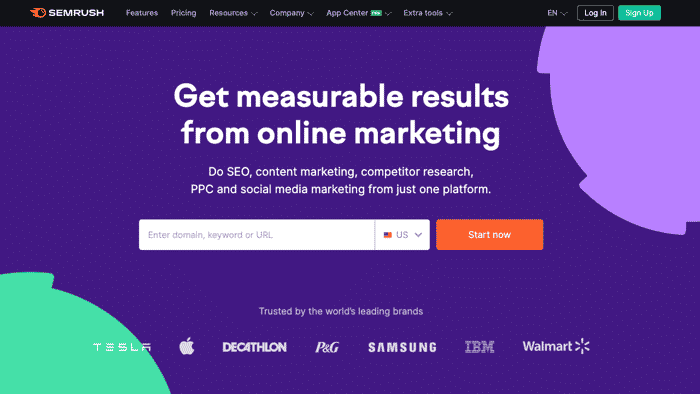
1. Semrush: The Best All-in-One Moz Alternative
For organizations seeking an enterprise-level powerhouse that matches—and frequently exceeds—Moz’s all-in-one capabilities, Semrush stands out as the industry heavyweight.
The Numbers: Boasting over 10 million users (including global brands like Amazon, Tesla, and Walmart), Semrush commands a massive infrastructure comprising a database of 24B+ keywords, 142 geo-locations, 808 million domain profiles, and an industry-leading backlink crawler indexing over 43 trillion historical links.
Traffic Analytics: Unlike Moz, Semrush includes a dedicated Traffic Analytics module. This functions as an insider’s view of competitor performance, letting users evaluate desktop and mobile traffic sources (organic, paid, referral, and social), bounce rates, and average visit durations across up to 200 websites in a single bulk report.
Position Tracking: The platform’s rank-tracking granularity spans country-level down to zip-code precision. It updates daily for Google and Baidu, providing superior speed compared to slower cyclical trackers.
Backlink & Technical Audits: Featuring a referring domain database of 1.6 billion (outpacing Moz’s 718 million), Semrush pairs robust Backlink Analytics with an integrated outreach and link-building toolset, alongside a Site Audit crawler that tracks health scores and monitors progress over time.
2. Mangools: The Best Moz Alternative for Beginners
For users who find enterprise platforms overly complex or expensive, Mangools offers a streamlined, aesthetically pleasing, 5-in-one toolset used by brands like Airbnb and Adidas.
Core Components: Mangools breaks down its ecosystem into KWFinder (keyword research), SERPWatcher (rank tracking), SERPChecker (SERP analysis), LinkMiner (backlink intelligence pulling Majestic trust and citation flow metrics), and SiteProfiler.
Usability: Featuring one of the most intuitive user interfaces on the market, Mangools strips away unnecessary bloat, delivering high-value keyword data, accurate localized rank updates across 52,000+ locations, and clear visual representations of ranking difficulty.
3. Ubersuggest: The Best Free Moz Alternative
Spearheaded by Neil Patel, Ubersuggest provides an accessible, budget-friendly option for individuals and small business owners dipping their toes into digital marketing.
Free vs. Paid Limits: While the free tier imposes strict caps—such as limiting users to 100 keyword results per search and a restricted number of daily queries—it remains a viable sandbox for basic keyword discovery, top-level site audits, and competitor domain overviews.
Ecosystem Expansion: For those who outgrow the free tier, affordable monthly and lifetime pricing structures scale up data retrieval limits significantly.
Single-Purpose Moz Alternatives for Specialized Workflows
If your strategy does not require a sprawling all-in-one platform, investing in best-in-class, single-purpose software often delivers superior efficiency.
Backlink Analysis: Ahrefs Site Explorer
When it comes to pure link intelligence, Ahrefs operates the second most active web crawler on the internet after Google, boasting the largest live index of backlinks available. Its Site Explorer tool allows marketers to analyze referring domains, monitor lost and gained links, evaluate organic search traffic profiles, and uncover aggressive link-building opportunities through unmatched crawling speed.
Keyword Research: Semrush Keyword Magic Tool
While Moz provides a respectable keyword database of roughly 500 million terms, Semrush’s Keyword Magic tool gives users access to over 24 billion keywords. Its expansive grouping features, question-modifier filters, and seamless integration with broader PPC and SEO toolkits make it the premier engine for keyword discovery.
Rank Tracking: AccuRanker
For agencies and brands that require real-time, on-demand rank updates rather than sluggish, scheduled batch refreshes, AccuRanker is a top-tier standalone tracker. Trusted by over 25,000 professionals, it delivers hyper-accurate local and global rankings while directly tying ranking movements to web traffic and conversion metrics.
Technical Audits: Screaming Frog & Sitebulb
Screaming Frog SEO Spider: A desktop-based crawler that acts as the gold standard for technical audits. It extracts structured data, evaluates site speeds, uncovers broken links, and processes massive websites with granular custom configurations.
Sitebulb: Designed for users who prefer visual data representation, Sitebulb translates complex technical audits into color-coded, intuitive graphs paired with actionable hints on how to resolve crawling anomalies.
Content Analysis: Surfer SEO
For advanced on-page optimization, Surfer SEO has revolutionized how content is planned and executed. By analyzing top-ranking pages in real-time, its Content Editor provides exact data-driven recommendations regarding word counts, heading structures, keyword densities, and NLP terms, directly integrating into Google Docs via a dedicated Chrome extension.
Local SEO: BrightLocal
While Moz offers robust local citation tools, BrightLocal stands out as a dedicated all-in-one local marketing platform. It excels at managing Google Business Profile audits, monitoring local search rankings, and automating the creation, cleanup, and syndication of NAP (Name, Address, Phone Number) citations across key directories.
Official Statements and Industry Perspective
Industry experts consistently emphasize that tool selection should be dictated by specific business models rather than brand loyalty alone.
"While Moz remains a fantastic, community-driven education and foundational SEO platform, the sheer volume of data housed within enterprise platforms like Semrush and Ahrefs has redefined competitive analysis. Modern SEOs require speed, massive historical indexes, and seamless cross-platform reporting to stay ahead."
— Leading Industry Analyst & SEO Strategist
Furthermore, software providers continually stress the importance of workflow integration. As marketing departments merge SEO, PPC, social media, and content efforts into cohesive organic acquisition funnels, toolsets that bridge these channels—such as Semrush’s unified multi-toolkit architecture—are seeing accelerated adoption rates among mid-market and enterprise buyers.
Future Outlook: Where is the SEO Software Industry Headed?
As we look toward the future of search engine optimization, several technological trends are actively reshaping the software landscape:
AI-Driven Search and Generative Engines: With the rise of AI-powered search experiences (such as Google’s Search Generative Experience and conversational LLMs), traditional rank tracking is evolving. Future toolsets must account for zero-click searches, brand mentions within AI summaries, and shifting user intent models.
Real-Time Data Processing: The tolerance for delayed, batch-processed data is shrinking. Platforms moving toward instant, on-demand auditing and real-time rank fetching are capturing greater market share among agile digital agencies.
Consolidation vs. Specialization: While all-in-one suites continue to add features (such as social media management and PPC tracking), best-of-breed specialized tools are doubling down on deep, micro-level execution—forcing buyers to carefully evaluate whether a monolithic suite or a curated stack of single-purpose tools best serves their bottom line.
Conclusion: Which Moz Alternative Should You Choose?
Moz remains a quality, trusted asset for keyword research, site audits, and local visibility. However, if your operational needs demand greater data depth, faster rank tracking, more robust backlink indexes, or a tighter budget, viable alternatives abound.
Choose Semrush if you need a comprehensive, enterprise-grade all-in-one platform with robust traffic analytics and massive keyword reserves.
Choose Mangools or Ubersuggest if you are a beginner or small business seeking affordability and simplicity.
Choose Ahrefs for unrivaled backlink discovery, AccuRanker for real-time rank tracking, Surfer SEO for content optimization, or BrightLocal for specialized local marketing.
Assess your specific objectives, leverage free trial periods where available, and build a software stack tailored to drive sustainable, long-term organic growth.