

Executive Overview
In the contemporary digital economy, visibility is the ultimate currency. With over 3.5 billion searches processed daily, Google remains the undisputed gateway to global audiences, consumer intent, and commercial success. However, navigating this digital landscape requires more than a passing familiarity with basic search engine optimization (SEO).
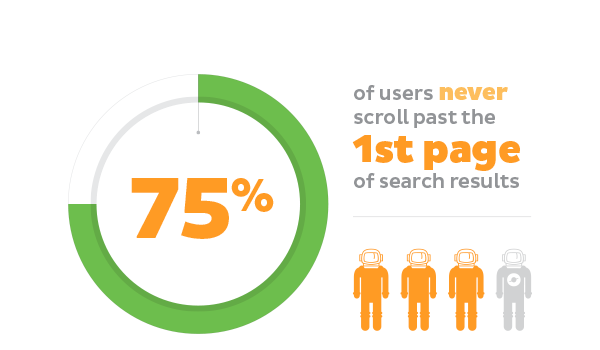
Data indicates a stark reality for modern publishers and enterprises: roughly 75% of users never scroll past the first page of search results. As famously quipped by Copyblogger founder Brian Clark, "The best place to hide a dead body is page 2 of the Google search results."
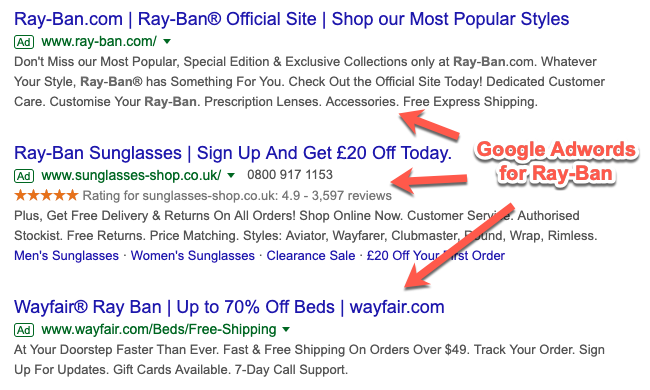
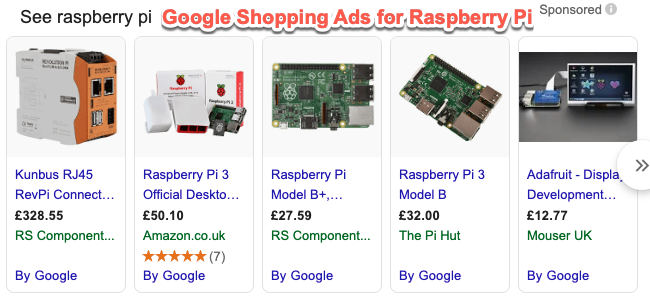
Today, simply securing a spot on the first page has become exponentially more complex. The traditional layout of ten blue links has been largely overshadowed by a dynamic ecosystem of Search Engine Results Page (SERP) features, including Pay-Per-Click (PPC) advertisements, Local Map Packs, Featured Snippets, Related Questions carousels, and Google Shopping integrations. To capture and sustain meaningful organic traffic, organizations must adopt an advanced, multi-faceted approach to digital visibility that leverages data-driven optimizations, alternative hosting strategies, and rigorous technical execution.
Detailed Chronology & Evolution of the Search Landscape
The evolution of Google’s search architecture has fundamentally transformed how web properties compete for attention. Over the past decade, the SERP has shifted from an index of direct webpage matches to an answer engine designed to satisfy user intent instantly on the results page itself.

The Rise of SERP Real Estate Shifting
Early SEO strategies focused heavily on broad keyword targeting and sheer volume of links. As Google’s algorithm matured through landmark updates like Panda, Penguin, and Hummingbird, the emphasis shifted sharply toward context, user intent, and content quality. Concurrently, Google began carving out prime pixel real estate for its own proprietary features:

- PPC Ads: Dominating the absolute top and bottom viewports, squeezing organic listings below the fold.
- Local Map Packs: Capturing high-intent local queries before organic results ever appear.
- Featured Snippets (Position Zero): Extracting direct answers from third-party sites and displaying them at the very top of the page.
- Knowledge Panels and Carousels: Keeping users within Google’s ecosystem without requiring a click-through to an external property.
Faced with this saturated landscape, modern SEO practitioners must look beyond traditional keyword stuffing and domain-wide link building. Success now requires a calculated mix of quick-win audits, advanced architectural fixes, and alternative visibility models like Barnacle and Parasite SEO.

Supporting Context & Metrics: The 13-Step Ranking Framework
To systematically secure first-page dominance across any industry, digital marketers must implement a disciplined, iterative framework. Below are thirteen proven tactics designed to optimize performance, resolve architectural bottlenecks, and maximize organic growth.
1: Capitalize on Existing Keyword Opportunities (Quick Wins)
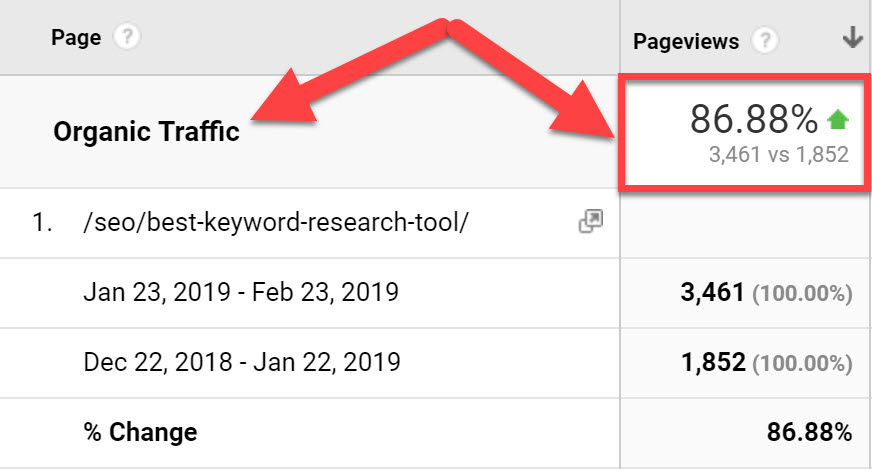
Rather than exclusively investing months into crafting brand-new content from scratch, webmasters can unlock near-immediate traffic gains by optimizing existing assets already hovering on the fringes of page one (positions 6 through 20).

- The Process: Use tools like Semrush to filter your domain’s organic positions for a custom range of 6 to 20. Layer filters for minimum search volume (e.g., 100+ searches), maximum keyword difficulty, and word counts to isolate low-hanging fruit.
- Prioritization: Focus first on bottom-of-funnel "money" keywords before climbing upward to top-of-funnel informational queries. Update these pages with fresher data, enhanced formatting, and tighter semantic alignment to rocket them into top positions overnight.
2: Identify and Eliminate Keyword Cannibalization
Keyword cannibalization occurs when multiple pages on the same domain compete for identical search queries. This splits backlinks, dilutes page authority, and confuses search engine crawlers, often resulting in suppressed rankings for all competing pages.
- Resolution: Export your organic keyword profile, map URLs against their ranking positions, and audit overlapping content. If competing pages share similar intent, merge them into a single, authoritative canonical resource and implement 301 redirects. If a competing page offers no unique value, prune it entirely.
3: Steal Position Zero with Featured Snippets
Ranking #1 is no longer the pinnacle of SEO success; capturing "Position Zero" via a Featured Snippet allows a site to siphon roughly 8.6% of clicks away from the top organic result.

- Execution: Audit your existing first-page rankings to identify queries where competitors currently hold the snippet. Restructure your content using concise, direct definitions, bulleted lists, or structured tables right below relevant H2 headings to invite Google’s bot to extract your content.
4: Dominate the Google Map Pack for Local Intent
For brick-and-mortar operations and localized service providers, organic blue links are secondary to the Google Map Pack. Because Google dynamically injects local results based on user proximity, optimizing your digital footprint is vital.

- Core Ranking Factors: According to official Google guidelines, local search rankings are determined primarily by Relevance, Distance, and Prominence. Ensure your Google Business Profile is fully optimized, actively collect reviews, and maintain NAP (Name, Address, Phone Number) consistency across the web.
5: Target Low-Competition, High-Intent Long-Tail Keywords
Long-tail keywords feature lower individual search volumes but significantly higher conversion intent because they reflect precise user needs (e.g., searching for a specific product model rather than a broad category).

- Mining Strategy: Utilize tools like the Semrush Keyword Magic Tool or competitor gap analyses to extract question-based queries and semantic modifiers. Build dedicated sub-categories or targeted sections addressing these granular needs.
6: Leverage "Barnacle SEO" on High-Authority Platforms
When competing against enterprise monoliths in hyper-competitive niches (such as travel, real estate, or legal services), direct outranking is often impossible for newer domains.

- The Strategy: Instead of fighting industry giants, attach your brand to them. Participate actively in high-ranking forum threads (like Quora or Reddit), secure listings in authoritative industry directories, and piggyback on their established domain authority to capture immediate visibility.
7: Deploy "Parasite SEO" for Ultra-Competitive Terms
Parasite SEO involves publishing high-value content directly on high-authority third-party publications or media sites to rank for fiercely competitive "money" keywords instantly. By leveraging a host site’s immense domain rating, businesses can bypass the multi-year authority-building phase and drive immediate referral traffic and conversions.

8: Match Content Types to User Intent
A fatal flaw in many SEO strategies is selecting the wrong content format for a target keyword. If the top-ranking results for a query are long-form listicles, a product page will struggle to rank regardless of its backlink profile. Always analyze the SERP before content creation to match the preferred format—whether it is a how-to guide, an e-commerce category page, or a video.

9: Accurately Qualify Targets via Page-Level Link Signals
Domain authority is a helpful metric, but page-level backlink signals—specifically the number of unique referring domains pointing to a specific URL—correlate most strongly with first-page rankings. Before committing resources to a keyword, analyze the Page Authority and referring domain counts of the current top ten results to ensure your target is realistic.
10: Build Strategic Page-Level Authority
To outrank established brands, you must aggressively build page-level authority. Key tactics include:
- Competitor Backlink Replication: Filter out spammy links from a competitor’s profile and prospect the high-quality editorial sites linking to them.
- Recurring Source Analysis: Identify domains that repeatedly link to multiple competitors, indicating an active outreach opportunity.
- Strategic Internal Linking: Pass authority from your site’s highest-ranking pages to newly published assets via contextually relevant internal links.
11: Expand Your Organic Footprint (Semantic Optimization)
A single high-performing piece of content can rank for thousands of secondary and long-tail keywords. By conducting thorough semantic keyword research and integrating related sub-topics into your core assets, you expand your overall organic footprint and capture a larger share of total search traffic.

12: Adopt a Mobile-First Indexing Mindset
With Google utilizing mobile-first indexing, the mobile version of your website serves as the definitive baseline for evaluation. Slow load times, broken layouts, or unoptimized mobile interfaces will actively penalize your rankings across all devices. Regularly audit your pages using Google’s Mobile-Friendly Test and PageSpeed Insights.

13: Pay to Play (Accelerated SERP Visibility)
For businesses unable to wait months for organic SEO traction, paid search options offer immediate visibility:

- Google Ads (Text and Map Ads): Bid on high-intent transactional keywords to secure top-of-page placement while organic strategies mature.
- Sponsored Review Sites: Partner with established platforms (like G2 or Avvo) to secure featured placements in high-ranking category roundups.
Official Statements & Industry Perspectives
Industry leaders continue to emphasize the shift away from superficial optimization toward holistic user experience and intent fulfillment. Search algorithm analysts consistently note that Google’s core updates reward deep topical authority and exceptional technical health over basic keyword manipulation.

As search engines integrate artificial intelligence and generative summaries into the SERP framework, the definition of a "first-page ranking" continues to expand. Securing visibility now demands an agile framework that combines technical hygiene, strategic content architecture, and diversified traffic acquisition channels.

Future Outlook
Looking ahead, the battle for the first page of Google will grow even more competitive. The proliferation of AI-generated content means that sheer volume will no longer suffice; search engines will increasingly prioritize original research, factual accuracy, user trust, and specialized expertise (E-E-A-T).

Organizations that succeed will treat SEO not as a static checklist, but as an ongoing, data-driven discipline. By auditing existing assets, eliminating keyword cannibalization, aligning content strictly with user intent, and intelligently leveraging alternative publishing models like Parasite and Barnacle SEO, businesses can future-proof their digital footprint and secure sustainable, high-converting visibility for years to come.