

Executive Overview
The modern landscape of celebrity parenting frequently plays out under an unforgiving, high-definition microscope. For families rooted in multi-generational Hollywood royalty, the pressures of public expectation, latent anxieties, and the pursuit of individual identity can create a volatile mix. Recently, actor Oliver Hudson—son of iconic Academy Award-winner Goldie Hawn and brother to acclaimed actress Kate Hudson—offered a candid, deeply vulnerable glimpse into the realities of raising a creative household.
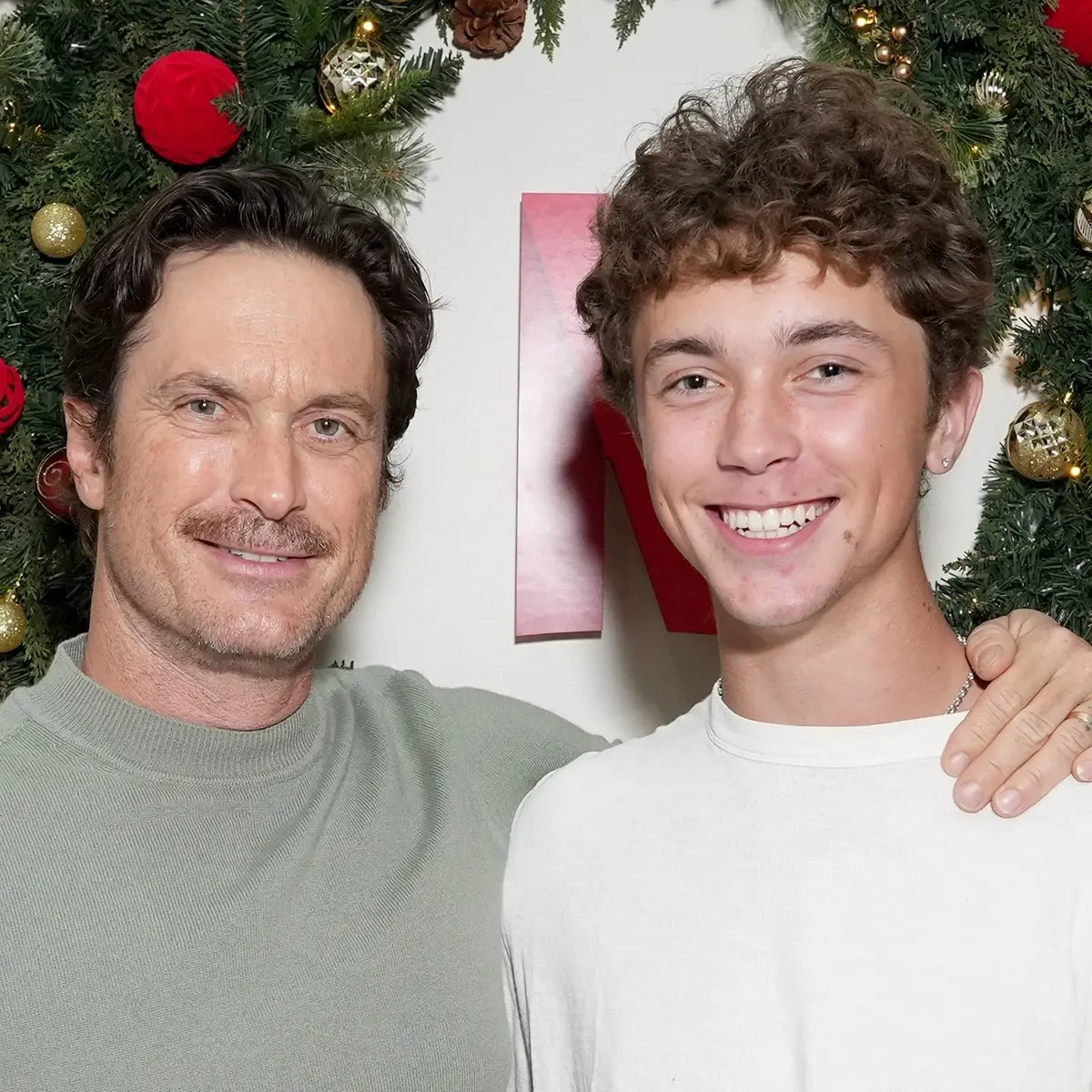
During an episode of the Sibling Revelry podcast, Hudson detailed the turbulent collegiate experience of his 19-year-old son, Wilder Hudson (whom he shares with wife Erinn Bartlett). What began as a routine transition to campus life at the University of Colorado, Boulder, devolved into a period of acute psychological distress sparked by physical health complications and academic dislocation. Rather than doubling down on traditional institutional pressures, Hudson and Bartlett pivoted, opting for an unorthodox restructuring of their eldest son’s trajectory: deferring his second semester, bringing him home, and supporting his budding aspirations in the entertainment industry.
This narrative transcends a standard Hollywood anecdote. It serves as a compelling case study on the detrimental impact of unmanaged stress, the shifting paradigms of higher education, and the conscious deconstruction of nepotism in modern casting. Furthermore, Hudson’s transparency arrives amid a broader cultural reckoning led by public figures destigmatizing mental health, echoing sentiments shared by a vast cohort of global icons navigating the emotional toll of visibility.
Detailed Chronology: From Dental Complications to a Campus "False Start"
The friction in Wilder Hudson’s academic journey did not stem from a lack of intellectual capability or institutional interest, but rather from a compounding sequence of physical and mental health hurdles that began on the home front.
The Catalyst: A Complicated Medical Procedure
Months prior to his sophomore transition, Wilder underwent a routine wisdom teeth removal. However, the recovery process was far from standard. What should have been a minor outpatient procedure spiraled into six weeks of persistent dental complications and localized discomfort.
For a young adult preparing for the rigorous demands of independent living at a prominent out-of-state university, chronic physical distress acted as a corrosive agent on his psychological well-being. When Wilder finally returned to the University of Colorado, Boulder, for the continuation of his studies, the accumulated backlog of discomfort manifested as acute depression.
The Breaking Point at Boulder
Speaking candidly on the Nov. 6 installment of Sibling Revelry, Oliver Hudson explained the subtle yet destructive nature of his son’s campus transition:
"Going back to school was a bit of a task… after six weeks of dental issues, Wilder felt a little depressed, like he didn’t belong there anymore."
The 50-year-old actor, known for his work in Grown-Ups 2 and Splitting Up Together, diagnosed this period as a "false start." The psychological weight of trying to force normalcy atop an unstable foundation caused Wilder to absorb an unsustainable level of stress. In a striking declaration on the podcast, Hudson underscored his perspective on the hierarchy of well-being:
"Stress is a killer. I’d rather you smoke a f–king pack of cigarettes than be stressed."
Recognizing that his son was operating at a breaking point, Hudson intervened. The decision was made to halt the collegiate track before it inflicted deeper psychological damage.
Supporting Context & Metrics: The Modern Student Mental Health Crisis
Wilder Hudson’s experience is far from isolated; it mirrors a sweeping, well-documented crisis within contemporary higher education. According to data compiled by the Center for Collegiate Mental Health (CCMH), anxiety and depression have remained the leading psychological concerns among college students for over a decade.
The Impact of Physical Health on Psychological Resilience
Psychological literature increasingly highlights the bidirectional relationship between chronic physical ailments—such as prolonged dental or surgical recoveries—and major depressive episodes. The body’s inflammatory response to prolonged healing can directly alter neurotransmitter function, exacerbating feelings of alienation, fatigue, and academic paralysis. For freshmen and sophomores living away from home for the first time, these physiological stressors often trigger severe homesickness and a profound sense of dislocation, colloquially known as "failure to launch" anxiety.
The Changing Paradigm of Higher Education
The traditional linear path—graduating high school, entering a four-year university immediately, and securing a corporate or artistic foothold—is undergoing a rapid structural evolution. Gen Z students and their parents are increasingly questioning the utility of paying premium tuition rates for an educational environment that compromises an individual’s mental stability.
By choosing to defer Wilder’s second semester, Oliver Hudson and Erinn Bartlett joined a growing contingent of parents who prioritize psychological intervention and emotional recalibration over institutional conformity. The decision reflects an emerging consensus: education can be paused, but a young person’s baseline mental health cannot be negotiated.
Official Statements and Industry Realities: Navigating the Nuance of Nepotism
Following his departure from Boulder, Wilder’s path forward took a decisively creative turn. Having previously shared the screen with his father and actress Alicia Silverstone in the Netflix holiday feature A Merry Little Ex-Mas, Wilder realized that his true vocational passion lay in acting.
A New Strategic Roadmap
Rather than drifting aimlessly, Wilder, alongside his parents, formulated a structured blueprint for his transition into the workforce:
- Returning Home: Wilder relocated to the family residence to maintain a stable, supportive support system.
- Securing Employment: To build foundational life skills and financial independence, he entered the local job market.
- Auditioning and Craft Development: He committed to actively pursuing professional auditions.
- Targeted Education: To bridge the gap between raw potential and technical skill, Wilder enrolled in a screenwriting class at a local community college.
Confronting the Reality of "Nepotism"
As the grandson of Goldie Hawn and Kurt Russell (who raised Oliver and Kate), and the son of Oliver Hudson, Wilder enters an industry inextricably linked to his lineage. However, Oliver Hudson addressed this dynamic with brutal honesty, dismantling any illusions of effortless success.
While Hudson openly acknowledged that familial connections "will get your foot in the door, no doubt about it," he simultaneously emphasized that the industry’s ultimate currency is competence:
"Connections can’t replace the ability to perform."
By pairing professional auditions with rigorous study—such as local screenwriting coursework—Wilder is actively taking steps to ensure his creative longevity is sustained by craft rather than surname alone.
Future Outlook: Destigmatizing Mental Health in the Public Eye
Oliver Hudson’s willingness to discuss his son’s mental health struggles contributes to a broader, ongoing cultural shift initiated by celebrities and public figures who refuse to let the facade of perfection obscure their human realities.
The entertainment industry, long characterized by a culture of silence surrounding vulnerability, has seen an unprecedented wave of transparency. Across generations, high-profile individuals have come forward to share their personal battles with anxiety, depression, body dysmorphia, and neurodivergence:
- The Pioneers of Vulnerability: Artists like Selena Gomez, Demi Lovato, and Lady Gaga have spent years demystifying psychotropic medication, therapy, and the nonlinear nature of recovery. Gomez famously noted how finding the right medication completely altered her life after years of debilitating highs and lows.
- The Intergenerational Ripple Effect: Figures from diverse entertainment sectors—ranging from rap icon Gucci Mane (who addressed his bipolar and schizophrenia diagnoses to protect his young family) to reality star Milania Giudice and actor Penn Badgley—have laid bare the psychological toll of early-onset fame, public scrutiny, and familial trauma.
- Redefining Strength: Icons like Dwayne "The Rock" Johnson and Prince Harry have actively worked to dismantle the toxic masculinity that deters men from seeking psychological counseling, emphasizing that emotional articulation is a core component of true strength.
The Road Ahead for the Hudson Family
For Oliver Hudson, raising three children—Wilder (19), Bodhi (16), and Rio (13)—under the watchful eye of the public requires constant vigilance. By normalizing his eldest son’s detour, Hudson is signaling to his younger children, and to the public at large, that failure and redirection are not signs of weakness, but rather vital components of personal evolution.
As Wilder settles into his new routine of working, auditioning, and refining his storytelling abilities through screenwriting, the overarching message from the Hudson household remains resolute: college will always be there, but mental well-being and authenticity must take precedence. In an era where performative perfection is frequently demanded of the younger generation, this deliberate pause stands as a masterclass in empathetic, progressive parenting.
