

Executive Overview
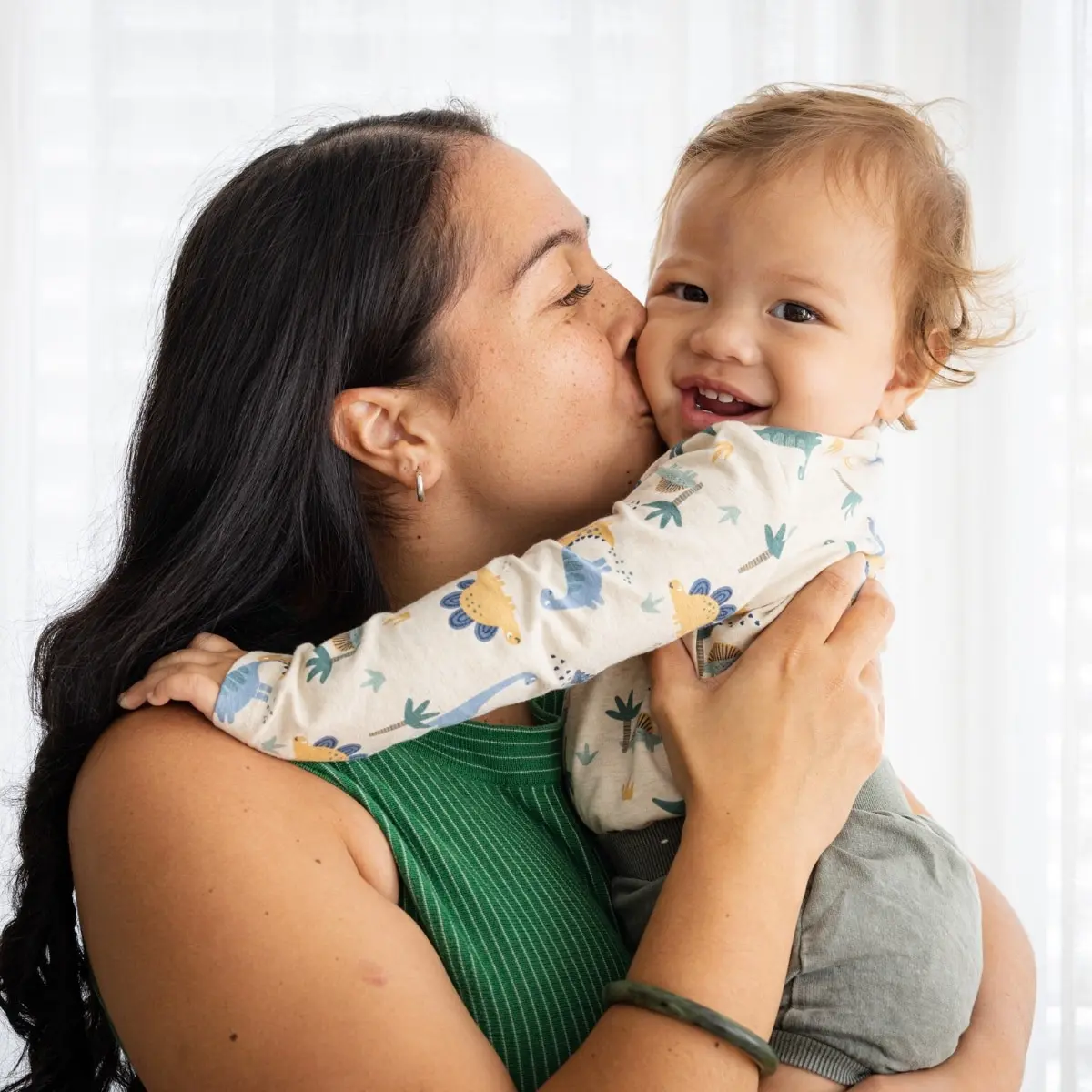
The winter holiday season arrives with a dizzying array of consumer choices, yet few demographics present a more nuanced shopping challenge than new mothers. Whether navigating the first frantic weeks of sleepless nights or adjusting to the profound lifestyle shifts of the post-partum period, new parents occupy a unique space of vulnerability, exhaustion, and intense joy.
Historically, the consumer market treated new parents through a bifurcated lens: gifts were either strictly utilitarian baby supplies—diapers, wipes, and basic garments—or indulgent, luxury items for the mother that often gathered dust because they failed to align with the grueling physical realities of infant care. However, a significant shift has occurred within the modern retail landscape. Contemporary commerce now emphasizes "functional luxury"—items that marry high-end aesthetic appeal with rigorous utility, designed specifically to reduce friction in the daily routines of growing families.
This comprehensive guide and investigative overview examines the psychological, practical, and economic dimensions of holiday gifting for new mothers and their infants. By analyzing top-tier market offerings across infant care, maternal wellness, and wearable technology, we explore how consumer brands are evolving to meet the complex needs of twenty-first-century parenting. Furthermore, this report details the methodology behind editorial product curation, shedding light on how trusted lifestyle publications evaluate and recommend consumer goods during peak retail cycles.
Detailed Chronology: The Evolution of Post-Partum Gifting Culture
To fully understand the current landscape of new-parent gifting, it is essential to trace how consumer expectations have transformed over the past several decades.
Phase 1: The Traditional Era (Mid-to-Late 20th Century)
In earlier decades, gift-giving surrounding the arrival of a newborn was heavily segmented and gendered. Baby showers and holiday gifts for new parents were overwhelmingly focused on the infant’s immediate survival and development. Clothing, blankets, feeding accessories, and nursery furniture dominated registries. The mother herself was often sidelined in the gift-giving equation, receiving occasional tokens of appreciation—such as flowers or standard bath sets—that were frequently generic and disconnected from the profound physical and emotional realities of post-partum recovery.
Phase 2: The Rise of Convenience and Mass Merchandising (Late 1990s–2010s)
As e-commerce expanded and global supply chains matured, the market saw an explosion of mass-produced baby gear designed to make parenting "easier." This era introduced complex multi-piece stroller systems, sophisticated digital baby monitors, and an abundance of plastic toys and automated soothing devices. While these items solved numerous logistical challenges, they frequently contributed to a new modern stressor: physical clutter in the home. Parents found themselves overwhelmed by bulky items that served narrow, short-term purposes, leading to a rising counter-movement favoring minimalism and multi-functional design.
Phase 3: The Modern Era of Functional Luxury and Wellness (2020s–Present)
Today, the paradigm has shifted decisively toward intentional, multi-functional, and aesthetically elevated goods. Modern new mothers—predominantly Millennials and Generation Z consumers—demand products that do not force a compromise between utility and personal style. Brands have responded by reimagining everyday essentials. Stroller accessories now double as chic crossbody bags; baby clothing features organic, sustainable textiles with designer collaborations; and self-care technology harnesses medical-grade engineering to deliver rapid, hands-free relief for exhausted parents. Gifting has thus evolved from a chore of accumulation into a curated exercise in lifestyle support.
Supporting Context & Metrics: Decoding the Needs of the Modern Mother
The transition into motherhood is recognized by psychologists and medical professionals as one of the most intense life transitions an adult can experience. According to data from maternal health organizations and retail analytics firms, consumer spending on post-partum self-care and infant wellness products has surged by over 35% in the last five years alone. This growth is driven by several key consumer behavioral trends:
- The Rejection of the "Bounce-Back" Culture: Modern mothers increasingly reject societal pressures to immediately return to pre-pregnancy routines. Instead, gift-givers are turning toward items that validate physical recovery, emotional well-being, and absolute comfort, such as luxury loungewear and targeted relaxation technology.
- The Premiumization of Everyday Basics: Rather than acquiring vast quantities of cheap, disposable items, families are investing in higher-quality, durable basics. Organic cotton apparel, ethically sourced blankets, and smart-monitoring textiles represent a growing segment of the premium baby market.
- The Multi-Tasking Imperative: With many parents balancing professional responsibilities, household management, and infant care, products that enable hands-free operation—such as wearable breast pumps and ergonomic baby-wearing gear—are no longer viewed as luxuries, but as essential tools for survival.
Curated Product Breakdown: The Best Gifts for New Mothers and Infants
To assist gift-givers in navigating this complex retail ecosystem, lifestyle editors and consumer researchers have identified standout products across several critical categories. These selections balance rigorous practicality with thoughtful design, ensuring that both mother and baby feel genuinely supported.

Best Baby Gifts: Practicality Meets Playfulness
When purchasing gifts intended directly for the infant, the primary goal is to alleviate the daily logistical burdens faced by parents while offering high aesthetic value.
1. Amazon Essentials x Sofia Grainge Unisex Babies’ Long Sleeve Crew Neck Bodysuit
- The Appeal: Experienced parents universally acknowledge that infants run through baseline apparel at an astonishing rate. The collaboration between Amazon Essentials and Sofia Grainge delivers classic, endlessly versatile bodysuits crafted for easy changing and maximum comfort.
- Why It Works: Featuring a neutral, sophisticated color palette, these unisex sets remove the guesswork from infant dressing while ensuring that parents always have a reliable backup on hand during inevitable wardrobe changes.
2. Willow Go Wearable Breast Pump Kit
- The Appeal: Pumping is notoriously time-consuming and tethering. Willow’s bestselling wearable pump kit revolutionizes this routine by integrating the brand’s proprietary ComfortFlow technology, delivering efficient milk expression with hospital-grade suction inside a truly portable format.
- Why It Works: Designed explicitly for the multitasking mother, the unit fits seamlessly inside standard nursing bras and comes complete with an easy-to-clean hardshell case, allowing users to reclaim their mobility and time.
3. Bombas Sesame Street Baby Gripper Sock 4-Pack
- The Appeal: Footwear for pre-walking infants is largely aesthetic, but safety and warmth are paramount. This retro, gift-ready four-pack created in collaboration with Sesame Street blends nostalgic charm with functional design.
- Why It Works: Featuring secure gripper bottoms and premium, cozy fabrics, these socks add a touch of whimsy to everyday outfits while staying securely on wiggly feet.
4. Owlet Dream Sock
- The Appeal: Anxiety over infant sleep patterns is a universal challenge for new parents. The Owlet Dream Sock provides professional-level health monitoring by tracking heart rate and oxygen levels while gathering actionable sleep data.
- Why It Works: By translating raw biometric data into clear, easy-to-understand insights via a smartphone application, the Dream Sock empowers parents to rest easier and understand their baby’s developmental sleep rhythms.
5. Barefoot Dreams Classic Disney CozyChic Baby Blanket
- The Appeal: Known globally for their ultra-plush, butter-soft textiles, Barefoot Dreams has partnered with Disney to produce an heirloom-quality baby blanket.
- Why It Works: It combines the sensory comfort required for an infant’s delicate skin with a subtle, timeless Disney aesthetic that appeals directly to millennial parents seeking sophisticated nursery accents.
6. Béis The Convertible Stroller Caddy
- The Appeal: While technically designed for the mother’s convenience rather than the baby’s direct use, this accessory bridges the gap between stroller gear and high-end fashion.
- Why It Works: Crafted by Shay Mitchell’s travel and lifestyle brand, this caddy organizes bottles, wipes, and keys while easily transforming into a chic mini handbag once detached from the stroller, proving that practicality does not require sacrificing personal style.
Best Self-Care Gifts for New Moms: Prioritizing Maternal Well-Being
While infant gear dominates registries, the new mother herself frequently suffers from acute sleep deprivation, muscle fatigue, and sensory overload. Self-care gifts must be designed for immediate, effortless utilization by individuals with virtually zero spare time.
1. Renpho Eyeris Thermacool Eye Massager
- The Appeal: Chronic fatigue manifests physically around the eyes through tension, puffiness, and strain. This advanced eye massager delivers rapid thermal relief and cooling comfort, switching between hot and cold modes in a matter of seconds.
- Why It Works: Because new mothers rarely have the luxury of spending hours at a spa, this hands-free device offers targeted, micro-recovery sessions that can be utilized during middle-of-the-night feedings or brief daytime naps.
2. Printfresh Eco Satin Chic To Sleep Nightie (Pomme & Poire)
- The Appeal: Loungewear is the unofficial uniform of the post-partum period. Crafted from sustainable eco-satin, this nightie ensures that a mother feels polished and elegant even if she remains in her pajamas throughout the day.
- Why It Works: The breathable, silky fabric accommodates changing postpartum bodies with grace, offering a touch of everyday luxury that elevates the mundane aspects of early motherhood.
Official Statements & Editorial Methodology: How We Choose
Maintaining rigorous journalistic integrity and consumer trust requires complete transparency regarding product selection and editorial oversight. The evaluation process utilized by leading lifestyle publications involves a multi-tiered vetting system designed to protect consumers from marketing hype.
According to senior editorial teams, product curation is governed by three core pillars:
- Expert Consultation: Editors routinely consult pediatricians, lactation consultants, post-partum doulas, and maternal health specialists to identify genuine pain points in early parenthood.
- Consumer Validation: Extensive analysis of verified customer reviews and aggregate satisfaction scores ensures that recommended products perform consistently in real-world households, rather than merely appearing impressive on a showroom floor.
- Hands-On Testing: Whenever possible, editorial staff members test products personally to evaluate build quality, ease of maintenance, and ergonomic design.
"Our editorial mandate is simple: we provide an unfiltered service to readers navigating the overwhelming world of consumer goods," notes an editorial director specializing in family and lifestyle coverage. "We do not accept payment for product placement, and our recommendations are driven entirely by research, reporting, and a commitment to making our readers’ lives measurably better."
It is important to note that while editorial teams curate and recommend these items, all transactions are processed directly through third-party retailers. Consequently, pricing, promotional availability, and inventory levels are subject to change based on retailer policies and seasonal demand fluctuations.
Future Outlook: The Next Wave of Parent-Centric Innovation
As we look toward the future of family consumer markets, several emerging trends promise to further redefine how we support new parents during the holiday season and beyond:
- Integration of Artificial Intelligence in Parenting Tech: Expect to see smarter infant monitoring systems that utilize machine learning to predict sleep regressions, analyze crying patterns, and provide personalized coaching to exhausted parents, thereby reducing cognitive load.
- Sustainable and Circular Material Science: The demand for eco-friendly, biodegradable, and non-toxic materials will continue to accelerate. Brands will increasingly prioritize closed-loop manufacturing processes for baby apparel and gear, aligning with the environmental values of younger consumer cohorts.
- De-Stigmatizing Maternal Mental Health Care: Future gifting trends will likely lean even heavier into mental health support, including subscriptions to guided meditation apps, virtual pelvic floor physical therapy platforms, and professional post-partum doula services packaged as gift certificates.
Ultimately, whether choosing a high-tech wearable breast pump, a soothing eye massager, or a timeless cashmere-blend baby blanket, the most successful holiday gifts for new parents are those that communicate a singular, powerful message: You are seen, you are supported, and you are doing an extraordinary job.
