

Executive Overview
Retail media has emerged as one of the most lucrative and fiercely contested battlegrounds in modern advertising. As brands race to capture the attention of high-intent consumers at the exact moment of purchase, major retailers are transforming their physical and digital infrastructures into sophisticated media ecosystems. Among them, Target and its specialized retail media network, Roundel, have long maintained a reputation for measured, deliberate growth.
However, as competitors push aggressive in-store digitization strategies—cluttering aisles with flashing screens and programmatic ad placements—industry observers have watched closely to see how Target would respond. Recent disclosures from high-level executives shed light on this strategic dilemma. According to leadership at a recent gathering of advertising partners in New York, Target is actively investigating the integration of digital screens within its brick-and-mortar stores. Yet, this exploration comes with a crucial caveat: any implementation must strictly avoid disrupting the curated, streamlined consumer experience that has defined the Target brand for decades.
This article provides an in-depth examination of Target’s evolving in-store media strategy, exploring the delicate balance between monetization and customer satisfaction. Drawing on insights from Roundel executives, we analyze the current reliance on mobile-first in-store engagement, where digital interactions happen organically via smartphone apps rather than intrusive hardware. Furthermore, we investigate the broader macro-trends shaping the retail media landscape, the technological hurdles of physical store digitization, and what the future holds for brands seeking to maximize their return on ad spend (ROAS) within the four walls of America’s favorite "big-box" retailer.
Detailed Chronology: The Evolution of Target’s In-Store Media Strategy
To understand where Target stands today regarding in-store digital screens, it is essential to trace the strategic milestones that have defined the retailer’s media network over the past several years.
The Foundation of Roundel
Long before "retail media networks" became a mandatory line item in every chief marketing officer’s budget, Target recognized the value of its first-party data. Originally operating under the moniker Target In-Store Marketing, the retailer rebranded its media sales division to Roundel in 2019. The name change signaled a shift away from traditional, siloed advertising toward a comprehensive omnichannel ecosystem capable of reaching consumers across Target’s owned channels as well as external publisher sites.
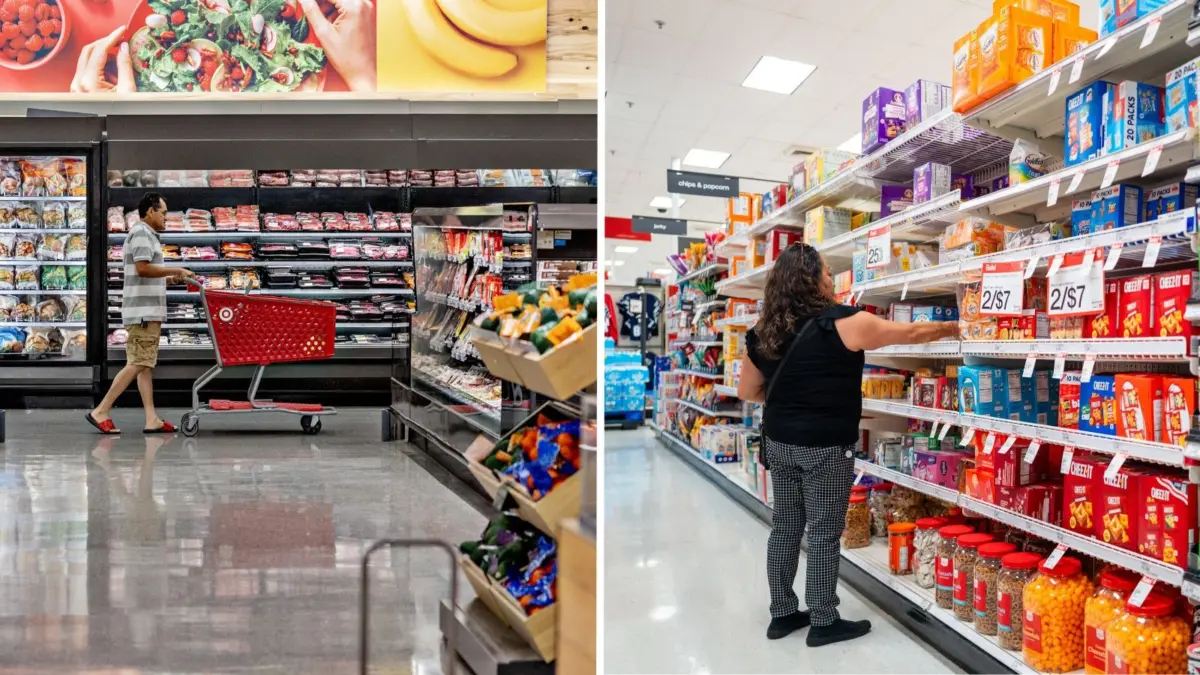
From its inception, Roundel positioned itself as a brand-safe, privacy-compliant alternative to open-web programmatic advertising. By leveraging robust first-party purchase data, Roundel allowed brands to target relevant audiences with remarkable precision. However, for much of its early history, the physical store remained largely analog—a sanctuary of polished concrete floors, red cart corrals, and traditional printed signage, while the digital realm handled the heavy lifting of programmatic ad delivery.
The Shift Toward Omnichannel Convergence
As e-commerce adoption surged during the early 2020s, the boundary between online and in-store shopping dissolved. Consumers increasingly researched products on their phones while standing in the middle of physical aisles. Recognizing this behavioral shift, Roundel began experimenting with ways to bridge the gap between physical retail footprints and digital touchpoints.
Rather than immediately investing in costly, capital-intensive digital screen infrastructure—a path chosen by competitors like Walmart with its Walmart Connect network—Target adopted a patient, observational stance. The retailer watched as grocery chains and department stores rolled out digital endcaps, smart shelves, and overhead video monitors. Some implementations proved successful, driving incremental sales; others generated consumer friction, occasionally criticized as "visual pollution" that detracted from the shopping experience.
The New York Ad Partner Summit: A Turning Point
The ongoing debate over physical store digitization came to a head during a private event hosted by Roundel in New York City. Gathered before an audience of major advertising partners and industry stakeholders, Roundel executives took the stage to discuss the next generation of retail media.
During the featured Q&A session, the conversation inevitably turned to the physical store. Advertisers, eager to secure every available square inch of consumer attention, pressed leadership on when—or if—Target planned to blanket its stores with digital ad displays.
It was within this setting that Jenny Holleran, Vice President of Roundel’s Partner Solutions Group, addressed the elephant in the room. Holleran confirmed that Target is indeed exploring the deployment of digital screens within its physical footprint. However, she injected a crucial note of caution: any such initiative would be subject to stringent guardrails designed to protect the integrity of the consumer experience. For Target, preserving the welcoming, stress-free store environment remains paramount, ensuring that monetization efforts never cross the line into customer alienation.
Supporting Context & Metrics: The Mobile-First In-Store Reality
While the prospect of digital screens generates considerable excitement among media buyers, current consumer behavior suggests that Target’s most potent in-store advertising medium is already sitting right in the palm of the shopper’s hand.
The Smartphone as the Primary Screen
During the New York summit, Holleran highlighted a striking statistic that reframes how brands should think about in-store advertising: 60% of Target’s shoppers actively use the retailer’s official app and mobile website while physically walking the aisles of a brick-and-mortar store.
This high rate of mobile engagement transforms the traditional shopping trip into an omnichannel hybrid experience. Consumers use the Target app to:
- Check real-time inventory and aisle locations.
- Scan barcodes to read reviews and compare prices.
- Clip digital coupons and apply Target Circle loyalty offers.
- Manage shopping lists and utilize the in-store navigation features.
For advertisers, this behavior represents a goldmine of contextual relevance. Instead of forcing a brand message onto a static screen mounted above a display shelf—where it might be ignored or obstructed—Roundel offers brands the opportunity to reach consumers digitally while they are browsing the physical product category.
The Power and Pitfalls of Programmatic Mobile Ads
By serving ads through the Target app while the user is geolocated inside a specific store, brands can achieve hyper-targeted engagement. If a shopper is standing in the personal care aisle browsing shampoo, a strategically placed mobile ad for a complementary conditioner or a new styling product can directly influence purchasing decisions in real time.
This mobile-first approach offers several distinct advantages over physical digital screens:
- Cost Efficiency: Deploying thousands of high-definition digital screens across nearly 2,000 Target stores requires massive capital expenditure, ongoing maintenance, and complex software integrations. Mobile advertising bypasses these heavy physical infrastructure costs.
- Personalization: Physical screens broadcast a single message to anyone walking past, whereas mobile ads can be tailored to the individual’s purchase history, loyalty status, and immediate in-store context.
- Non-Disruptive Integration: Because shoppers are already looking at their phones for utilitarian purposes (checking prices or lists), viewing a native ad within the app feels far less intrusive than flashing digital billboards competing for attention in a quiet retail environment.
The Brand Hesitancy Challenge
Despite the clear opportunities presented by Target’s digital ecosystem, not all brands are completely sold on existing metrics. As referenced in recent industry analyses, debates persist regarding how retail media networks measure attribution and drive incremental sales. Many brands demand greater transparency into whether ad spend on retail platforms generates true incremental purchases or merely captures sales that would have happened organically.
Roundel’s measured approach to in-store digital screens may, in part, be a response to these sophisticated demands from advertisers. Rather than rushing to deploy hardware that may or may not drive proven incremental lift, Target is carefully evaluating how every touchpoint—digital or physical—contributes to the bottom line without eroding consumer trust.
Official Statements & Industry Perspectives
The discourse surrounding Target’s retail media strategy reflects a broader ideological split within the retail industry. To better understand the stakes, it is valuable to examine the statements and philosophies guiding key stakeholders.
Jenny Holleran on Protecting the Customer Experience
Jenny Holleran’s remarks in New York underscored a foundational tenet of Target’s corporate philosophy: the guest comes first. In the retail sector, Target has long cultivated a distinct brand identity—often colloquially referred to as "Tarjay"—characterized by clean layouts, stylish merchandising, and a pleasant, low-stress shopping ambiance.
"We are looking into putting digital screens in stores, but only in a way that wouldn’t disrupt the customer experience," Holleran stated during the Roundel Q&A session.
This statement is revealing. It acknowledges the undeniable revenue potential of physical digital out-of-home (DOOH) advertising while signaling a deliberate hesitation. Target is keenly aware that aggressive, ubiquitous advertising can cheapen the retail environment. Consumers bombarded by excessive digital noise may experience "banner blindness" or, worse, develop negative brand associations that drive them toward competitors. By framing screen implementation strictly around the preservation of the customer experience, Holleran established a high threshold that any proposed in-store ad technology must clear.
The Retail Media Landscape: A Comparative View
To contextualize Target’s stance, it is helpful to look at how competing retail giants are approaching the same challenge:
- Walmart Connect: Walmart has aggressively expanded its physical media footprint, outfitting hundreds of stores with TV walls, digital screen networks at checkouts, and audio advertising systems. Walmart’s pitch centers on massive scale and reaching the sheer volume of shoppers passing through its supercenters daily.
- Kroger Precision Marketing (KPM): Kroger has leaned heavily into smart shelf technology (such as Cooler Screens), replacing traditional glass doors on refrigerated units with digital displays that show pricing, nutritional information, and targeted advertisements. While effective for monetization, these implementations have occasionally drawn consumer backlash regarding privacy tracking and visual distraction.
- Target (Roundel): Target occupies a more conservative, quality-controlled middle ground. By prioritizing mobile integration over hardware saturation, Roundel aims to capture in-store intent without altering the physical architecture that shoppers have come to love.
Industry analysts note that Target’s cautious strategy could be a strategic differentiator. While competitors chase short-term ad revenue by maximizing screen density, Target is protecting its brand equity. If and when Target does introduce digital screens, consumers can expect them to be seamlessly integrated, tasteful, and unobtrusive.
Future Outlook: What’s Next for Roundel and In-Store Retail Media?
As we look toward the future of retail media, several key trends and strategic questions will dictate how Target and Roundel navigate the intersection of physical stores and digital advertising.
1. The Quest for Seamless Omnichannel Attribution
As brands allocate larger portions of their marketing budgets to retail media networks, the demand for precise attribution will only intensify. Future innovations from Roundel will likely focus on closing the loop between digital exposure—whether via the Target app or potential future in-store screens—and final point-of-sale transactions. Advanced econometric modeling and machine learning will be deployed to prove to skeptical brands that their ad dollars are generating genuine incremental growth.
2. Controlled Pilots and Intentional Experimentation
Given executive cautions, any rollout of physical digital screens within Target stores is expected to take the form of highly controlled, localized pilot programs. Rather than a blanket nationwide installation, Target will likely test screens in select test-market stores, carefully measuring both advertising performance and customer sentiment metrics (such as Net Promoter Scores and customer satisfaction surveys) before committing to a broader capital expenditure.
3. The Rise of Contextual and Interactive Technologies
If Target does embrace digital screens, the technology utilized will likely go far beyond traditional static video loops. The future of in-store screens lies in interactivity and contextual intelligence. Imagine digital endcaps that adapt their messaging based on foot traffic density, time of day, or local weather patterns. Furthermore, integrating QR codes or NFC (Near Field Communication) technology on these screens could allow shoppers to seamlessly bridge the physical display with their mobile devices, transferring coupons or product details directly to the Target app.
4. Balancing Monetization with Brand Identity
Ultimately, the success of Roundel’s future strategy will hinge on its ability to thread a very narrow needle: maximizing high-margin advertising revenue for Target corporation while maintaining the pristine, enjoyable shopping environment that differentiates Target from discount-focused competitors.
As retail media continues to mature, the winners will not necessarily be the retailers with the most screens, but rather those that deliver the most relevant, respectful, and effective engagements. By proceeding with caution, prioritizing mobile engagement, and refusing to compromise the guest experience, Target is positioning itself for sustainable, long-term success in the dynamic world of omnichannel retail media.