

By Tracey Compton
Indianapolis Public Editor, The Poynter Institute
Executive Overview
For nearly 200 years, the Black press in America has served as an indispensable pillar of democracy, documenting the milestones, struggles, and triumphs of African American communities that mainstream media routinely overlooked. As the industry approaches its bicentennial, publications like the Indianapolis Recorder face a volatile landscape defined by rapid digital transformation, shifting consumer habits, and macroeconomic headwinds.
This profile—part of the ongoing Indianapolis Public Editor project, a pilot initiative designed to evaluate local media trust and media literacy—examines how the historic Recorder operates today. From chronicling foundational cultural milestones like the Debutante Cotillion and Scholarship Ball to adapting its workflows for a multimedia-driven era, the publication remains an essential cultural archive. However, it does so against a backdrop of mounting economic pressures, including a contraction in corporate diversity, equity, and inclusion (DEI) investments and a fragmented digital advertising market.
By analyzing audience metrics, leadership perspectives, and historical context, this report explores how the Indianapolis Recorder continues to anchor its community while pioneering strategies for long-term sustainability.
Detailed Chronology: Nearly 130 Years of Community Journalism
The legacy of the Indianapolis Recorder is inextricably linked to the broader evolution of the Black press, which traces its roots back to 1827 with the founding of Freedom’s Journal in New York City. Historically, Black newspapers stepped into a profound vacuum left by mainstream publications, providing crucial documentation of lynchings, civil rights activism, Black-owned business growth, educational achievements, and local community concerns.
From Church Bulletin to Mainstream Institution
Founded in 1895 by George P. Stewart and William Porter, the Indianapolis Recorder began humbly as a church bulletin before transitioning into a weekly newspaper in 1897. Its early editions captured pivotal moments in American history, chronicling visits to Indiana by towering figures such as Booker T. Washington and W.E.B. Du Bois.
George P. Stewart maintained his role as publisher and editor until his passing in 1924, after which the publication remained within his family for decades. The paper’s ownership lineage reflects a steadfast commitment to Black ownership and local stewardship:
- 1988: Eunice Trotter acquires the publication.
- 1990: William G. Mays, founder of Mays Chemical Company, purchases the Recorder.
- 1998: Carolene Mays (Mays’ niece) steps in as publisher and general manager.
- 2010: Shannon Williams assumes leadership of the publication.
- 2018 to Present: Robert Shegog takes the helm as president and CEO of the Recorder Media Group, guiding its transition into a modern multimedia enterprise.
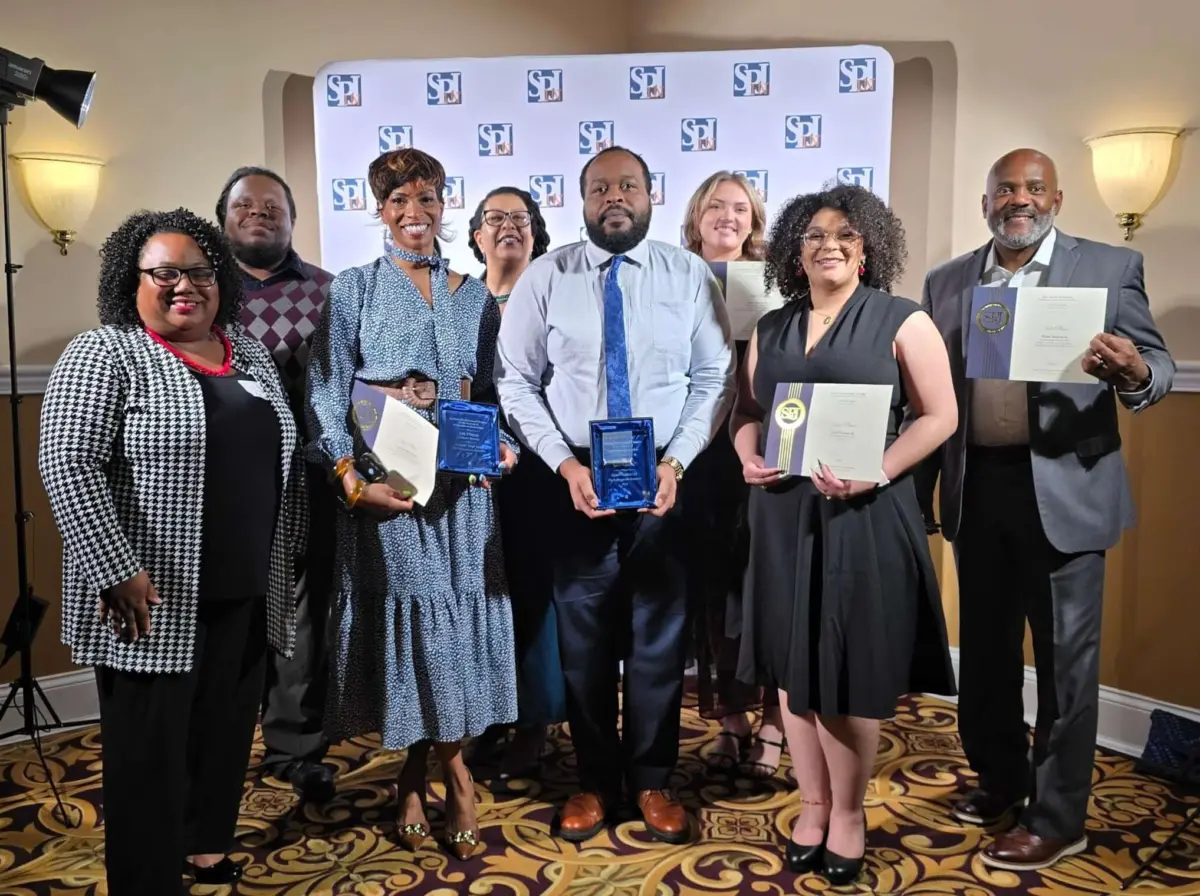
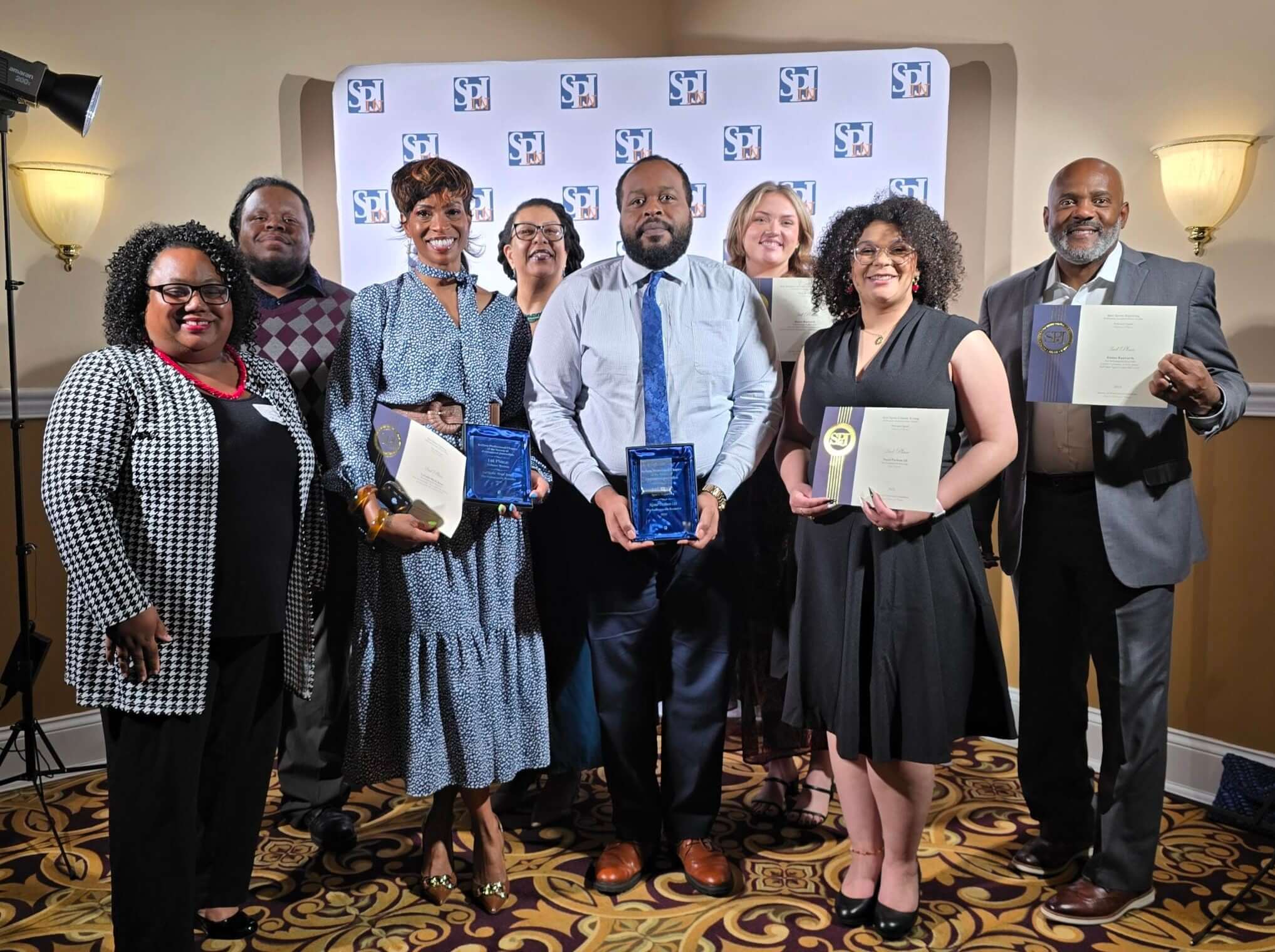
Today, the newsroom operates with a lean yet dedicated team of nine staff members, including four investigative and beat reporters. Their commitment to journalistic excellence has earned widespread recognition, including a clean sweep of local accolades at the 2025 Society of Professional Journalists (SPJ) awards for sports coverage, alongside impactful collaborative reporting such as the Central Indiana Housing FAQ produced in partnership with WFYI.
Supporting Context & Metrics: The Human Element and Economic Realities
The Cultural Touchstone: A Reader’s Perspective
For eighteen-year-old Indianapolis resident Karis Dix, the Recorder represents a bridge between personal achievement and communal history. Like many members of Generation Z, Dix primarily consumes news via social media platforms. Yet, every year since she turned sixteen, she has turned to the printed pages of the Indianapolis Recorder to read about the Debutante Cotillion and Scholarship Ball.
Her mother, an avid reader of the paper, introduced her to the tradition during childhood. Years later, the Ivy Endowment and the Alpha Mu Omega Chapter of Alpha Kappa Alpha Sorority, Inc. selected Dix as a participant during her junior year of high school. Seeing her photograph and reading about the event in print left a lasting impression.
"I felt recognized and acknowledged for the hard work that all of the debutantes put into the program," Dix reflects.
As she departs Indianapolis to study biochemistry at Florida Atlantic University, Dix notes that she will continue following the Recorder online to stay connected to her roots. Such milestones—ranging from debutante balls and homecomings to church anniversaries and family reunions—form the fabric of Black life in Indianapolis. Mainstream outlets rarely capture these stories, making the Recorder’s role irreplaceable.
Readership Demographics and Economic Metrics
The Indianapolis Recorder maintains a robust hybrid presence, bridging traditional print distribution with an active digital footprint. According to data provided by the newsroom:
- Weekly Print Distribution: 11,000 physical copies distributed across grocery stores, drugstores, and gas stations throughout Indianapolis.
- Estimated Weekly Readership: 128,000 individuals across print and digital platforms.
- Digital Engagement: An average of 684,000 page views per month on the publication’s website.
- Subscription Model: An impressive 76% of readers actively pay for subscriptions spanning digital and print formats.
- Audience Age Distribution: 37% of readers fall within the 25–44 age bracket, while 27% range from 45 to 54 years old.
Despite these healthy engagement metrics, the economic landscape for Black-owned media remains complex. The National Newspaper Publishers Association (NNPA)—the trade association for the Black press, currently representing 253 member publications down from a historical peak of roughly 500 in the mid-1920s—has tracked significant structural shifts in advertising revenue.
Official Statements: Navigating the Headwinds of Corporate Shifts
Leadership at both local and national levels points to compounding challenges facing African American-owned newspapers, driven by political shifts, changing philanthropic priorities, and digital disruption.
The Impact of Political and Corporate Retrenchment
Dr. Benjamin F. Chavis Jr., president and CEO of the NNPA, civil rights activist, and former NAACP president, highlights the direct fallout from shifting federal policies regarding diversity, equity, and inclusion (DEI).
"The [prior political] administration has had a very negative impact on African American-owned media, particularly African American-owned newspapers, and other publications, with the drawback of… diversity, equity and inclusion, which then led to corporate America retreating from diversity, equity and inclusion," Dr. Chavis stated. He estimates that these combined factors have triggered a staggering 50% to 60% reduction in national advertising revenue across the sector.
Recorder Media Group President and CEO Robert Shegog notes that these challenges build upon unfulfilled promises made in the wake of systemic racial justice reckonings. Following the murder of George Floyd in 2020, corporations and institutions made sweeping public commitments to support Black-owned media. However, Shegog observes that much of that support was "reduced, redirected, delayed, or did not materialize the way many organizations expected."
"What we are experiencing today is, in many ways, a continuation and acceleration of that shift," Shegog explains. "Some companies are changing the language they use, reevaluating programs, and becoming more cautious about investments that were previously associated with diversity and equity. At the same time, economic uncertainty and changes in advertising and philanthropic priorities are affecting the entire media industry."
Community Validation
For community leaders like Ilisha Dowell, president of Alpha Mu Omega, the value of the Recorder transcends corporate balance sheets.
"By documenting our significant milestones and efforts in the community, the Indianapolis Recorder does more than report the news; it uplifts our mission, inspires future generations, and honors the rich history of Black excellence in Indiana," Dowell said, describing the publication as an "essential cultural archive for our community."
Future Outlook: Adapting to the Multimedia Era
To secure its future in a media landscape dominated by social media algorithms, artificial intelligence, and search engine changes, the Indianapolis Recorder is actively transforming its operational workflow from a traditional weekly print newspaper into an agile multimedia organization.
Editor-in-Chief Camike Jones emphasizes that the challenge lies in balancing modern content delivery with rigorous journalistic standards.
"The introduction of social media and news influencers has really changed the landscape of media and changed what people are expecting from news outlets and how they engage with news and media," Jones notes.
Maintaining integrity and rigorous fact-checking remains paramount, but meeting younger audiences where they consume information is equally critical. For Jones, this means ensuring that traditional community staples—such as youth programs, men’s social clubs, church bazaars, and ladies’ teas—find their way directly into social media feeds alongside hard news and civic reporting.
As the publication looks toward its bicentennial and beyond, its core mission remains unchanged: empowering the Black community of Indianapolis to tell its own story on its own terms.
This report is part of the Indianapolis Public Editor project, a grant-funded pilot managed by the Poynter Institute with support from Nicole Slaughter Graham and Amaris Castillo. Columns are edited by Kelly McBride and copy edited by Lauren Klinger. To submit inquiries regarding the Indianapolis media ecosystem or to request community presentations, contact the Public Editor at [email protected].