

Executive Overview
For nearly three decades, corporate social responsibility in the automotive sector has largely followed a predictable script. Brands tie charitable efforts to vehicle sales, feature gleaming steel and cutting-edge technology front and center in their commercials, and use philanthropy primarily as a mechanism to polish their corporate image. However, a seismic shift is underway in how major corporations approach purpose-driven marketing—one that prioritizes profound human stories over product placement.
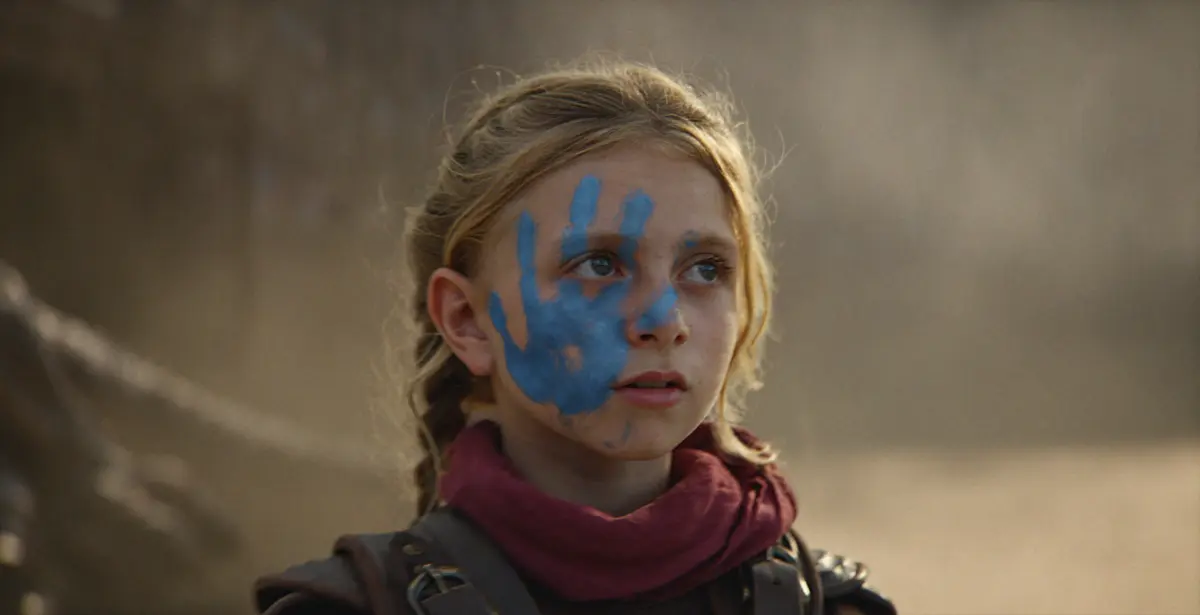
In September, coinciding with Pediatric Cancer Awareness Month, Hyundai Motor Company unveiled a bold and emotionally resonant reinvention of its venerable Hope on Wheels initiative. Spanning 28 years of continuous support for childhood cancer research and patient care, the program has historically relied on a familiar, comforting symbol: a colorful handprint left by young survivors and patients. Today, that handprint has been reimagined for a fierce new era.
Titled "Little Warrior," Hyundai’s new flagship campaign breaks conventional automotive advertising rules by completely omitting any cars, trucks, or crossovers from its hero commercial. Instead, the cinematic spot opens with a young child dressed as a gladiator, symbolizing the unbreakable warrior spirit required to fight pediatric cancer, as well as the formidable network of family, medical professionals, and advocates standing shoulder-to-shoulder with them.
Spearheaded by insights from the program’s own child ambassadors—survivors who have grown up to become passionate advocates—the campaign marks a mature evolutionary leap for Hyundai. It transitions Hope on Wheels from a quiet philanthropic endeavor into a high-visibility, emotionally charged marketing platform. Backed by heavy-hitting media partnerships with NBC and Amazon, celebrity involvement from the Jonas Brothers, and a tangible product innovation in the form of custom "warrior gowns" for pediatric patients, Hyundai is proving that corporate giants can champion a cause by deliberately stepping out of the spotlight and letting the true heroes take center stage.
Detailed Chronology: The Evolution of "Hope on Wheels"
To fully understand the weight and significance of the "Little Warrior" campaign, it is essential to trace the nearly three-decade trajectory of Hyundai’s philanthropic footprint.
The Formative Years: Humble Beginnings
When Hope on Wheels was conceptualized nearly 30 years ago, it began as a localized effort by regional dealers who wanted to make a tangible difference in the lives of children battling cancer. Over the decades, the initiative expanded organically, driven by dealer donations and corporate contributions. Year after year, Hyundai dealerships across the United States raised funds for research institutions, celebrated milestones with survivors, and used the iconic colorful handprint as a universal sign of hope, solidarity, and healing.
Despite injecting millions of dollars into pediatric oncology research, the initiative largely operated in the background of Hyundai’s primary commercial operations. It was viewed internally as a moral obligation—a philanthropic duty separate from the high-octane world of selling cars. While the handprint became a recognizable symbol within the automotive community, it lacked the mainstream cultural footprint required to drive national conversations about the realities of childhood cancer.
Listening to the Ambassadors: The Turning Point
The catalyst for the "Little Warrior" campaign did not originate in a corporate boardroom or an agency brainstorming session; it was born from listening directly to the program’s child ambassadors. These individuals—young survivors who have endured the harrowing trials of chemotherapy, radiation, and prolonged hospital stays—met with Hyundai leadership to discuss how the initiative could evolve to meet the psychological and emotional needs of current patients.
In these candid discussions, the ambassadors shared a unifying sentiment. They acknowledged the fear, isolation, and physical pain of their treatments, but emphasized that their defining characteristic was never victimhood—it was resilience. They described themselves not as patients waiting to be saved, but as warriors heading into battle.
Hyundai CEO Sean Gilpin captured the essence of these conversations, noting that the ambassadors expressed a profound desire to instill that exact same sense of fierce determination in children currently undergoing treatment. They wanted new patients to feel invincible, even on their darkest days. This pivotal insight provided the creative spark for the entire campaign: drawing a direct parallel between ancient warriors preparing for battle and the fierce, protective rituals of children facing cancer.
The Launch of "Little Warrior"
In September, the vision crystallized into reality. The campaign launched with a cinematic advertising spot that immediately subverted audience expectations. Rather than featuring panoramic shots of coastal highways or sleek interior cabins, the commercial places viewers directly into the emotional reality of a pediatric oncology ward, reframing the struggle through the empowering lens of a young gladiator.
Concurrently, Hyundai introduced the physical manifestation of this warrior ethos: custom-designed "warrior gowns." Moving away from the traditional, institutional, and often demoralizing hospital gowns of the past, these garments are engineered to restore dignity, confidence, and a sense of play to young patients.
Supporting Context & Metrics: Breaking the Mold of Traditional Advertising
The "Little Warrior" initiative is notable not only for its emotional resonance but also for its strategic execution. Hyundai has systematically orchestrated a multi-layered distribution and partnership strategy designed to maximize visibility without diluting the core message.
The Anatomy of a Car-Free Commercial
In an industry where marketing executives obsess over vehicle frame rates, grille designs, and horsepower specifications, deciding to produce a major ad spot without a single vehicle required immense corporate courage. According to leadership, the decision was rooted in a strict philosophical boundary: this campaign is not about moving inventory; it is about moving hearts and minds.
By removing the vehicle from the hero spot, Hyundai eliminated the transactional barrier that often taints corporate philanthropy. Consumers are increasingly skeptical of brands that weaponize social causes solely for conversions. By refusing to commercialize the grief and triumph of pediatric cancer patients, Hyundai has cultivated deep authenticity, turning viewers into passionate advocates rather than prospective buyers.
Amplifying Reach Through Elite Media Partnerships
To ensure the message cuts through the noise of a crowded media landscape, Hyundai secured high-profile alliances with industry titans, expanding the scope of Hope on Wheels far beyond traditional automotive channels:

- NBC Sports Partnership: Recognizing the immense viewership of live sports, Hyundai secured prime ad placement for the "Little Warrior" spot during high-profile Sunday Night Football broadcasts, introducing millions of mainstream viewers to the campaign.
- Amazon’s "Stream It Forward" Program: In a innovative collaboration, Amazon partnered with Hyundai on a streaming initiative. For every viewer who watches designated content tied to the campaign during the promotional window, Amazon and Hyundai generate financial contributions, ultimately unlocking approximately $500,000 in additional donations for pediatric cancer research.
- Pop Culture and Influencer Integration: The campaign’s cultural footprint was further amplified by high-profile figures such as the Jonas Brothers. The multi-platinum pop group partnered with Hyundai on their official podcast to discuss the initiative and made surprise, morale-boosting visits to young fans and patients in children’s hospitals.
Product Innovation: The Warrior Gowns
Beyond media impressions and fundraising dollars, Hyundai addressed a deeply practical and emotional pain point within pediatric care: the hospital gown. The initiative was inspired by a mother who took matters into her own hands by crafting princess-themed pajamas to replace her daughter’s uncomfortable, standard-issue hospital gown—earning her the affectionate moniker "princess warrior."
Translating this grassroots inspiration into systemic action, Hyundai manufactured and donated an initial 2,000 custom warrior gowns to children’s hospitals across Southern California. Plans are already underway to scale the distribution nationwide, with regional Hyundai dealerships committing to match donations and amplify local community impact. Additionally, the brand is distributing iconic handprint decals to new vehicle buyers and loyal owners, allowing them to visibly display their solidarity and keep the conversation about pediatric cancer alive on America’s roadways.
Official Statements and Leadership Vision
The strategic pivot behind "Little Warrior" reflects a profound evolution in corporate responsibility and brand philosophy. Hyundai leadership has been vocal about the necessity of keeping the focus strictly on the human element.
Reflecting on the genesis of the campaign, Hyundai CEO Sean Gilpin shared insights from the child ambassadors that ultimately shaped the brand’s direction:
"They said, there were days where we’re scared, or there were days that we weren’t feeling great, but we never gave up this fighting spirit."
Gilpin explained that this unwavering resilience led the creative team to conceptualize warriors painting their armor and preparing for battle, utilizing the familiar Hope on Wheels handprint as a visual shorthand for courage and solidarity. Crucially, Gilpin emphasized that the overarching goal transcended corporate branding:
"We don’t necessarily have to make this about Hope on Wheels. We just want this about pediatric cancer."
This altruistic mandate dictated the structural execution of the advertising strategy. By refusing to compromise the purity of the message with product placement, Gilpin noted that the campaign serves as a pure reflection of the company’s core values:
"There’s not a car in this commercial because this commercial is not about our product. It’s just our mission as a brand."
Future Outlook: Setting a New Standard for Purpose-Driven Brands
As the "Little Warrior" campaign rolls out nationally, its implications extend well beyond Hyundai’s immediate fundraising goals for Pediatric Cancer Awareness Month. It establishes a compelling blueprint for how major global enterprises can engage with social issues in the 21st century.
Redefining Corporate Social Responsibility (CSR)
For decades, CSR programs have often functioned as isolated silos within major corporations—funded by corporate treasuries but largely disconnected from core marketing narratives. Hyundai’s recent strategy signals the death of the siloed philanthropic model. By integrating Hope on Wheels directly into its primary marketing ecosystem—while maintaining absolute purity of message—Hyundai has demonstrated that authentic social impact and high-visibility marketing can coexist without compromising the integrity of either.
The Metric of Meaningful Engagement
As consumers, particularly younger demographics such as Millennials and Gen Z, increasingly demand moral clarity and social accountability from the brands they support, traditional advertising metrics are shifting. Vanity metrics like impressions and click-through rates are taking a backseat to indices of emotional resonance, trust, and community impact.
By tying its brand equity to the physical distribution of warrior gowns, the financial support driven by Amazon’s streaming initiatives, and the lived experiences of cancer survivors, Hyundai has future-proofed its philanthropic framework. The success of "Little Warrior" suggests that future automotive marketing will increasingly measure success not just in units sold, but in lives touched and systemic burdens lifted.
Looking Ahead: The Next 28 Years
With nearly three decades of foundational work behind it, Hope on Wheels stands as one of the most enduring corporate-nonprofit partnerships in American history. Yet, as the "Little Warrior" campaign demonstrates, longevity does not mean stagnation. By listening to its youngest stakeholders, embracing bold creative risks, and refusing to hide behind product placement, Hyundai has revitalized its mission for a new generation.
As the warrior gowns continue to find their way into hospitals across the nation, and as millions of viewers encounter the fierce, unyielding spirit of young cancer fighters on their television screens, Hyundai is proving a powerful truth: when a brand steps out of the way of its own mission, it creates the space for true heroism to shine.