


Executive Overview
The landscape of American governance shifted dramatically following a sweeping electoral performance by the Democratic Party in the 2026 midterm elections. Pushed forward by energized voter turnout and widespread dissatisfaction with the status quo, the political landscape transformed overnight in what analysts have increasingly termed a "blue tsunami."
Voters across the nation delivered decisive victories that upended decades-old political strongholds, flipping control of both the United States House of Representatives and the United States Senate. Beyond congressional majorities, the seismic shift resonated deeply at the state level. Several traditionally conservative red states—including Texas, Georgia, Nevada, Ohio, and Iowa—saw gubernatorial seats flip to Democratic leadership. Simultaneously, a wave of historic milestones shattered long-standing glass ceilings, bringing a diverse cohort of barrier-breaking leaders to the forefront of American legislative and executive power.
This comprehensive report examines the chronology of the results, the key metrics of the victory, historic representations, official reactions, and the profound policy outlook for the remainder of the decade.
Detailed Chronology of Election Night
The momentum of the 2026 midterms began crystallizing shortly after the polls closed on the East Coast and accelerated rapidly as returns rolled in from the Midwest and the Sun Belt. Political strategists on both sides of the aisle recognized early in the evening that standard predictive models were failing to capture the scale of voter mobilization.
Early Returns and the House Shift
By 9:00 PM EST, early returns from competitive suburban districts in the industrial Midwest and the Mid-Atlantic signaled trouble for incumbent Republican representatives. Margins in districts that had previously leaned conservative widened in favor of Democratic challengers, fueled heavily by independent voters and a surge in youth voter turnout. By midnight, media projections confirmed that the House of Representatives would transition to Democratic control, driven by a net gain of seats across suburban battlegrounds in California, New York, and Pennsylvania.
The Senate Battlegrounds Fall
As the night progressed into the early morning hours, the focus shifted to the upper chamber. Paced by hard-fought campaigns in the Sun Belt and the Heartland, Democratic candidates outperformed expectations in states once considered out of reach.
The turning point for Senate control came with crucial pickups in rapid succession:
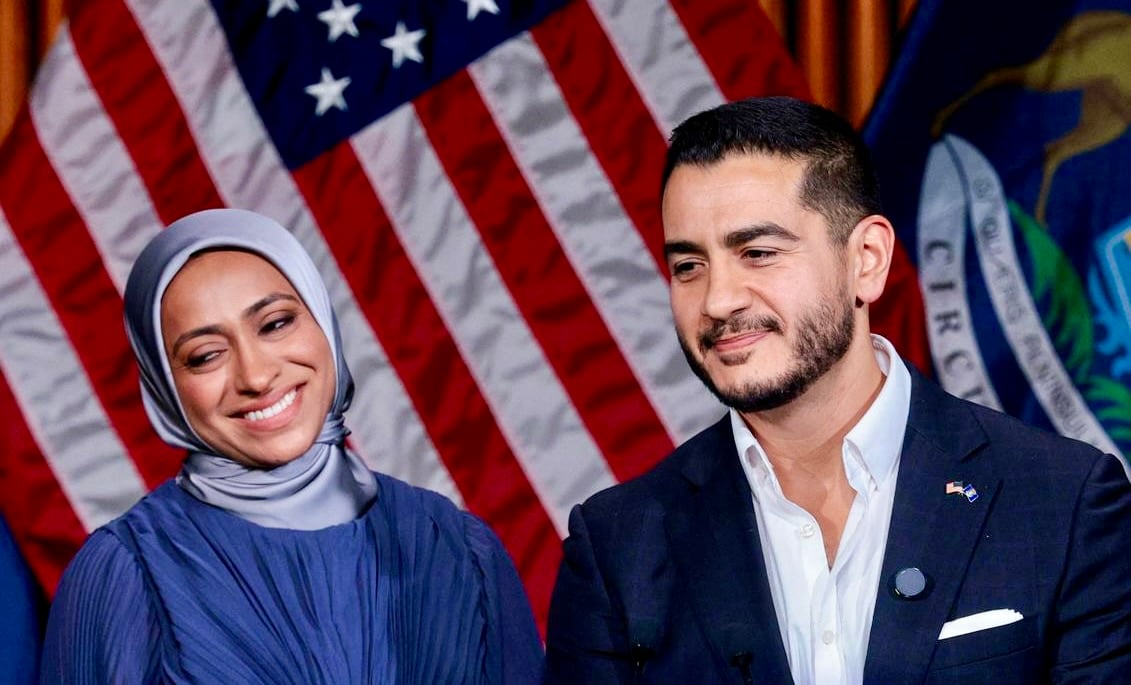
- The Plains and Midwest: Iowa and Kansas broke decades of electoral history. In Kansas, Adam Hamilton’s decisive victory marked the first time the state elected a Democratic U.S. senator in nearly a century. Ohio also fell into the Democratic column, sealing the upper chamber’s numerical majority.
- The South: Traditional Republican strongholds in Texas, North Carolina, and South Carolina registered narrow yet definitive victories for Democratic challengers, reflecting a rapidly changing demographic and political identity across the American South.
- New England: Maine reinforced its independent streak by flipping a key Senate seat to complete the structural overhaul of the legislative branch.
The Gubernatorial Map Redrawn
Parallel to the legislative victories, state executive offices underwent a profound realignment. Governors’ mansions in Texas, Georgia, Nevada, Ohio, and Iowa transitioned to Democratic hands. These gubernatorial flips carry immediate policy implications, granting Democrats veto power over redistricting processes, state-level voting access laws, and reproductive healthcare administration for years to come.
Supporting Context & Metrics
To fully comprehend the magnitude of the 2026 midterm results, political scientists and data analysts have turned to the underlying metrics of voter behavior, financial investments, and historical precedent.
A Historic Mandate
According to final projections analyzed by outlets such as The Hill, the phrase "Democratic tsunami" aptly describes the nationwide scale of the shift. In the Senate, Democrats picked up a net total of seven seats across Texas, Iowa, Kansas, Ohio, Maine, North Carolina, and South Carolina. This expansion not only secures a working majority but also provides structural insulation against unified party opposition during upcoming judicial and executive branch confirmations.
Voter Turnout and Demographics
Exit polls indicate that voter turnout for a midterm election reached heights typically reserved for presidential election years. Several key factors contributed to this mobilization:
- Issue-Driven Electorate: Reproductive rights, economic cost-of-living adjustments, democratic institutional stability, and climate change policy remained top-of-mind for voters across all age demographics.
- Suburban Realignment: The ongoing shift of college-educated suburban voters toward the Democratic Party accelerated significantly. Once the bedrock of conservative support, many of these counties voted by double-digit margins for Democratic candidates.
- Youth and First-Time Voters: Voters aged 18 to 29 turned out at historic rates, displaying high levels of cohesion regarding federal legislative priorities.
Breaking Barriers: A New Era of Representation
Beyond the partisan shifts in Congress and state capitals, the 2026 election cycle will be etched in history books for its unprecedented diversification of American leadership. Voters elected a slate of candidates who achieved transformative "firsts" at both the state and federal levels, reflecting a more representative cross-section of the nation’s populace.
Federal Milestones
- Abdul El-Sayed (Michigan): Winning election to the United States Senate, El-Sayed becomes the nation’s first Muslim senator, bringing a public health and grassroots organizing background to Washington, D.C.
- Peggy Flanagan (Minnesota): Having previously served in statewide executive office, Flanagan secured a historic victory to become the first Native American woman elected to the U.S. Senate.
- Chris Pappas (New Hampshire): Transitioning from his previous congressional tenure, Pappas won election to the U.S. Senate, making him the nation’s first openly gay man ever elected to the upper chamber.
State Executive Milestones
- Deb Haaland (New Mexico): After serving prominently on the national stage, Haaland returned to her home state to successfully run for governor, securing her place as the nation’s first Native American woman governor.
- Keisha Lance Bottoms (Georgia): Capitalizing on shifting political dynamics in the Deep South, Bottoms won the Georgia gubernatorial race, becoming the first Black woman in history to lead the state as governor.
These landmark victories signal a profound evolution in voter readiness to look past traditional demographic boundaries, prioritizing platforms and executive capability over historical norms.
Official Statements and Reactions
Political leaders from across the spectrum offered varied assessments as the dust settled on election night.

In Washington, legislative leaders celebrated the mandate conferred by the electorate. Democratic congressional leadership emphasized that the results represent a clear public directive to focus on economic relief, healthcare accessibility, and institutional reform. "The American people have spoken clearly," stated a senior party strategist. "This is not merely a rejection of regression; it is an active embrace of forward-looking governance that protects fundamental rights and expands economic opportunity for every family."
Conversely, Republican leaders acknowledged the severity of the electoral losses while signaling plans to regroup. Post-election autopsies released by national committee members pointed toward messaging challenges, economic anxieties, and localized candidate recruitment as areas requiring immediate reassessment ahead of the 2028 presidential cycle. Party officials vowed to maintain rigorous oversight from their remaining state legislative strongholds and use the intervening years to recalibrate their coalition-building strategies.
Independent analysts noted that the scale of the defeat forces the opposition party to reconsider its national platform, particularly regarding suburban engagement and demographic outreach in rapidly growing Sun Belt states.
Future Outlook: Governing in the Wake of the Tsunami
With a newly empowered Democratic majority controlling the House, the Senate, and a heavily fortified network of state governorships, the political calculus in Washington and state capitals has fundamentally altered.
Legislative Priorities
The immediate horizon will test the legislative capacity of the newly unified party. Key items slated for the early congressional calendar include:
- Economic Relief and Infrastructure: Addressing lingering cost-of-living concerns through targeted middle-class tax credits, workforce development investments, and enhanced consumer protections.
- Rights and Protections: Codifying federal protections for reproductive freedom, voting access, and civil rights, utilizing the newfound congressional majorities to bypass previous legislative gridlock.
- Judicial and Executive Nominations: Leveraging the expanded Senate majority to swiftly process judicial vacancies across federal district and appellate courts.
Challenges Ahead
Despite the euphoric atmosphere surrounding the "blue sweep," governing with a broad coalition presents inherent challenges. Maintaining internal party discipline between progressive and moderate factions will be vital as legislative text is finalized on complex fiscal and social packages. Furthermore, upcoming negotiations regarding federal budget caps and debt ceiling extensions will test the new majorities’ ability to govern pragmatically while delivering on sweeping campaign promises.
As the political landscape settles into this new era, the events of November 2026 will undoubtedly serve as a watershed moment in modern American political history—redefining the balance of power, elevating a historic class of diverse leaders, and charting a decidedly new trajectory for the nation.