

Executive Overview: The Intersection of Youth Poverty and Chronic Absenteeism
Across the United States, public education systems are grappling with a silent emergency: chronic absenteeism. While missing school was historically viewed as a matter of personal discipline or parental neglect, recent socio-economic data and educator testimonies reveal a far more complex reality. Chronic absenteeism is deeply intertwined with structural poverty, housing instability, food insecurity, and the hidden domestic responsibilities thrust upon young children.
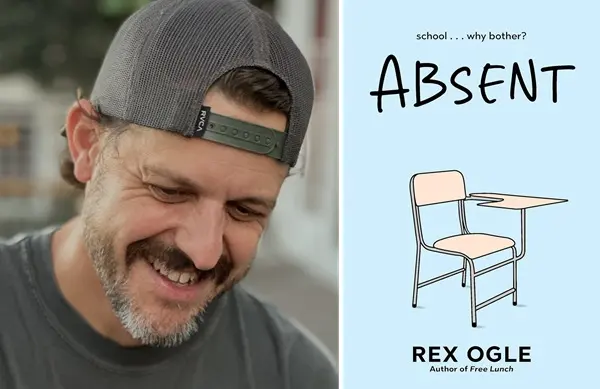
This systemic crisis forms the foundation of Absent (Norton Young Readers), a mixed-media middle-grade novel by Printz Honor author and YALSA Nonfiction Award winner Rex Ogle, illustrated by LJ-Baptiste. Drawing from his own childhood experiences of severe penury and the modern realities observed during nationwide school visits, Ogle highlights a tragic paradox within the American educational architecture: states often allocate funding based on daily attendance metrics, effectively stripping financial resources from the very schools that educate the most vulnerable, chronically absent students.
This article examines the chronic absenteeism crisis through a dual lens—evaluating the broader policy and economic frameworks driving attendance declines alongside the lived experiences of students trapped within punitive institutional systems.
Detailed Chronology: A Thirty-Year Continuum of Youth Burden
The structural vulnerabilities affecting school attendance are not new, but their scale and intensity have escalated over the past three decades.
+-----------------------------------------------------------------------------------+
| CHRONOLOGY OF THE ABSENTEEISM CRISIS                                              |
+-----------------------------------------------------------------------------------+
| 1990           | Personal Reality: Rex Ogle navigates 6th-grade poverty, home     |
|                | caretaking burdens, and punitive teacher responses.              |
|                |                                                                  |
| 2001–2015      | Policy Era: Rise of standardized accountability; persistent reliance |
|                | on Average Daily Attendance (ADA) funding models nationwide.     |
|                |                                                                  |
| 2020–2022      | Pandemic Disruption: COVID-19 causes massive disruptions in school|
|                | attendance, exacerbating economic instability for low-income families.|
|                |                                                                  |
| 2023–2024      | Structural Emergency: Absenteeism rates remain 50% above pre-COVID |
|                | baselines; 30% of low-income students are chronically absent.    |
|                |                                                                  |
| September 2024 | Literary & Policy Response: Publication of *Absent* by Rex Ogle,  |
|                | addressing systemic attendance issues and youth trauma.          |
+-----------------------------------------------------------------------------------+
1990: The Personal Reality of Hidden Youth Burdens
In 1990, six-grade student Rex Ogle regularly faced disciplinary encounters at his middle school. Living in a roach-infested, government-subsidized apartment, Ogle missed classes not out of defiance, but to care for his toddler brother while his parents sought employment.
When returning to class, he was met with institutional suspicion rather than support. Educators, unaware of his home situation—including severe food insecurity and the daily anticipation of free cafeteria meals—frequently interpreted his absences as willful truancy. To counter these low expectations, Ogle engaged in quiet defiance: returning classroom copies of assigned literature like Lois Lowry’s The Giver and Gary Paulsen’s Hatchet, alongside unassigned works such as Shakespeare’s Much Ado About Nothing, while submitting both required and extra-credit essays.
2020–2022: Pandemic Disruption and Baseline Shifts
The onset of the COVID-19 pandemic severely destabilized the public education ecosystem. Remote learning models exposed vast inequities in digital access, housing stability, and economic security. Low-income students were disproportionately forced into adult responsibilities, including secondary caretaking, managing household logistics, or seeking informal labor to supplement lost family income.
2023–2024: The Unfolding Educational Emergency
Rather than returning to pre-pandemic baselines, absenteeism rates stabilized at historically elevated levels. Data analyzed by national news outlets confirmed that chronic absenteeism during the 2023–2024 academic year remained approximately 50% higher than pre-COVID metrics. During a three-day tour of public schools, Ogle observed widespread distress among librarians, teachers, and administrators struggling with dwindling resources tied directly to declining attendance. These experiences led directly to the author outlining his novel Absent in a hotel room over the course of that visit.
Supporting Context & Metrics: Structural Barriers and Funding Realities
Understanding the absenteeism crisis requires analyzing both the macro-level policy mechanics and the micro-level socio-economic factors that keep children out of the classroom.
    [ Student Misses School Due to Poverty / Home Caretaking ]
                               │
                               ▼
        [ District Loses Per-Pupil Attendance Funding ]
                               │
                               ▼
    [ Reduced Budget for Counselors, Meals & Support Staff ]
                               │
                               ▼
     [ Vulnerable Students Experience Worse Outcomes/Stigma ]
The Post-Pandemic Absenteeism Surge
Data published by The New York Times indicates that chronic absenteeism—typically defined as missing 10% or more of the academic year, or roughly 18 days—has shifted from a localized issue to a systemic national challenge.
- Nationwide Elevation: Absenteeism rates across K–12 public school districts remain 50% higher than pre-pandemic baselines.
- Income Inequity: While absenteeism spans all income brackets and geographic demographics, economic deprivation drastically amplifies the problem. Approximately 30% of students in low-income communities are currently classified as chronically absent.
The Perverse Incentives of Attendance-Based School Funding
A primary driver of educational disparity is the mechanism by which state governments allocate funding to public school districts. Multiple states utilize Average Daily Attendance (ADA) models rather than enrollment-based models (Average Daily Membership – ADM).
Under an ADA model, state operational funding is calculated based on the actual number of students present in classrooms each day. When low-income or traumatized students miss school:
- The school district experiences an immediate loss of state revenue.
- The reduction in funding forces districts to cut essential support infrastructure, including school social workers, attendance counselors, transportation services, and mental health resources.
- The loss of support mechanisms further worsens the environment for vulnerable youth, creating a self-reinforcing cycle of absenteeism and divestment.
| Funding Model | Calculation Basis | Financial Impact of Absenteeism | Equity Outcome |
|---|---|---|---|
| Average Daily Attendance (ADA) | Number of students physically present each day | Immediate reduction in district state funding | Penalizes under-resourced schools with high poverty rates |
| Average Daily Membership (ADM) | Total number of students enrolled in the district | Stable budget maintained regardless of short-term daily flux | Allows districts to fund intervention services consistently |
Socioeconomic Drivers: Caretaking, Food Insecurity, and Trauma
The underlying causes of chronic absenteeism are rarely rooted in academic disinterest. Instead, students encounter severe structural impediments:
- Adultification and Informal Caretaking: Older children in impoverished households are frequently required to act as primary caregivers for younger siblings while parents work irregular shifts or seek employment.
- Nutritional Deprivation: Students suffering from severe food insecurity often face physical exhaustion and social anxiety, making regular attendance difficult without immediate, low-barrier access to free meal programs.
- Inadequate Transportation & Housing Instability: Unstable housing, frequent moves, and unreliable public transit networks present daily logistical hurdles that lead to repeated absences.
Official Statements and Stakeholder Insights
Author Rex Ogle on Defiance, Narrative Advocacy, and Absent
Reflecting on his childhood experience in 6th-grade English and his motivation for writing Absent, Rex Ogle emphasizes the emotional and psychological toll of institutional misunderstanding:
"I dread Winstead’s judgment—her unwarranted judgment. She knows nothing about me, my homelife, what I deal with on a daily basis, and how hungry I am, having no breakfast and desperately waiting for a free lunch in the cafeteria."
Ogle highlights the internal conflict experienced by youth living below the poverty line who lack the emotional tools to articulate their hardships to authority figures:
"Rage I have by the ton. But the maturity to speak calmly and truthfully? Not yet. I don’t know how to say, ‘I’m sorry I missed class, but I had to stay home and watch my toddler brother while my parents look for work.’"
On the purpose of his book Absent, which weaves prose, comics, and lyrics to tell the story of three impoverished boys (Liam, Calvin, and Manny) who meet in detention:
"I spent much of my youth embarrassed and ashamed of my circumstances. But I shouldn’t have. Someone should have said, ‘Whatever is going on at home, it is not your fault. And if you put in the work, you can do great things.’ But no one said that to me… hopefully, with Absent, I can give kids a shortcut to healing."
Educator and Librarian Perspectives
During nationwide tours, school librarians and front-line educators expressed growing concern over systemic funding structures that penalize under-resourced communities.
- Resource Disparity: Teachers report that punitive disciplinary measures—such as assigning detention or suspension for chronic lateness or absence—fail to address the root causes of non-attendance and often deepen student disengagement.
- Systemic Failure: Librarians and administrators point out that linking school budgets to daily attendance strips funds from districts precisely when they need investments in social services, community outreach, and meal programs.
Future Outlook: Reimagining School Funding and Student Support Systems
Addressing chronic absenteeism requires structural reforms to educational funding, updated school discipline policies, and targeted community support mechanisms.
[ Current Punitive Model ]
Daily Absence ──► Funding Cut ──► Staffing Reductions ──► Higher Absenteeism

                                  │
                                  ▼

[ Proposed Reform Framework ]
Enrollment Funding ──► Sustained Budget ──► On-Site Social Services ──► Improved Attendance & Retention
Legislative Reform: Transitioning from ADA to Enrollment Models
Policy experts and educational advocates are increasingly urging state legislatures to abandon Average Daily Attendance (ADA) funding formulas in favor of Average Daily Membership (ADM) models. By decoupling state revenue allocations from daily headcounts, school districts can count on stable, predictable budgets. This stability allows administrators to maintain permanent support staff—such as social workers and family liaisons—who work directly to resolve the root causes of student absences.
Expanding Community School Models and MTSS
Districts across the country are adopting Full-Service Community School frameworks and Multi-Tiered Systems of Support (MTSS) to prevent chronic absenteeism:
- Integrated Student Supports: Co-locating health clinics, food pantries, and free childcare within school buildings eliminates major logistical barriers for low-income families.
- Non-Punitive Interventions: Shifting away from detention and toward restorative practices helps identify home challenges early, preventing students from falling behind academically.
The Role of Empathetic Literature in Youth Intervention
Structural policy changes must be accompanied by efforts to reduce social stigma within the school environment. Works like Ogle’s Absent serve as critical narrative tools for both educators and students. By illustrating the complex lives of students navigating poverty, these works encourage schools to move away from punitive responses and build environments focused on empathy, support, and long-term retention.